A Polyethelene Sheet can look like a simple slab of plastic. In use, the differences become obvious. One sheet may flex beneath a loaded cart, while another stays firm as a cutting surface. The right choice depends on what the sheet must do, where it will sit, and how it will be shaped. There is no universal winner. That part is easy to overlook.
Materials scientist Mike Ashby’s materials-selection approach offers a useful reminder. A paraphrase of that principle is: “Choose for the job, not the material name alone.” For polyethylene sheets, that means comparing grade, thickness, density, stiffness, impact resistance, and chemical exposure. A thin sheet for a protective liner has different demands from a thick panel used in a damp workshop. The details matter.
This guide will compare common polyethylene sheet types and the trade-offs behind them. It will consider durability, fabrication, maintenance, and cost, with practical examples to help narrow the options. A sheet that performs well in one setting may disappoint in another. Even the right specification can be wrong if the installation is poorly supported. Check the manufacturer’s technical data, then match it to real operating conditions. Small caveat: product names and grades can vary between suppliers. The goal is not to find the fanciest sheet. It is to find one that holds up where you need it.
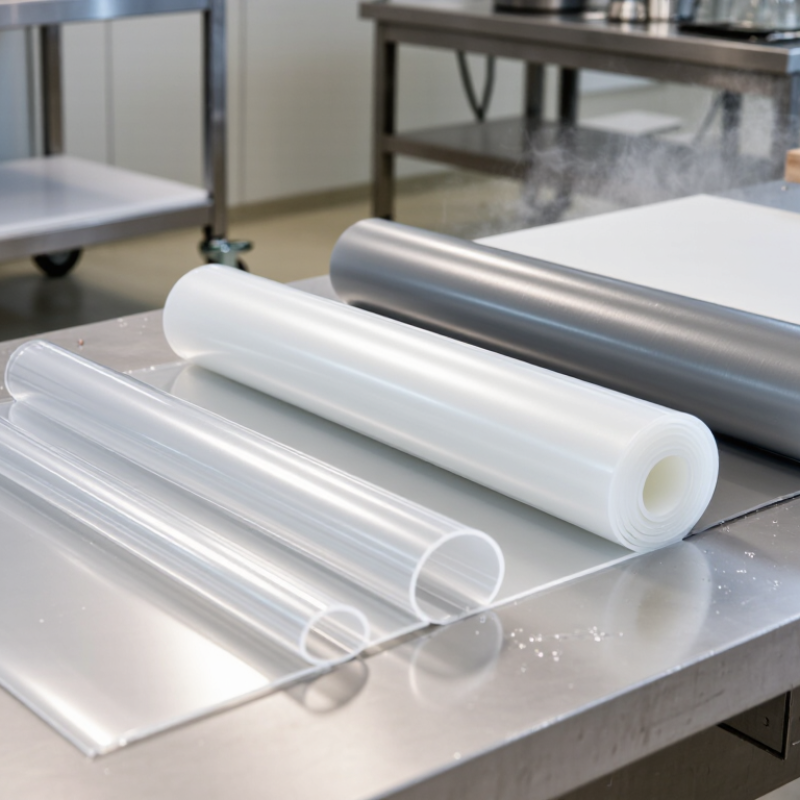
When comparing polyethylene sheet in 2026, use density as a practical starting point.
The boundary is narrow. A small density difference can still signal changes in stiffness, flexibility, and handling. For a sheet that needs to bend around a corner or cushion light contact, lower-density LDPE may be worth evaluating. For a flatter panel that must resist bending, HDPE is often a stronger candidate.
Density alone does not determine performance. Sheet thickness, temperature, additives, and manufacturing method also matter. Check the supplier’s grade data, then test a sample under realistic conditions: bend it, cut an edge, and see how it holds its shape.
A density figure cannot tell you everything. I would not select a sheet by label alone; that shortcut can miss how the material behaves in the actual part. Even the right grade may feel too stiff or too soft once installed, so confirm fit and function before ordering full quantities.
HDPE sheet yield stress commonly falls between 20 and 37 MPa, but the exact figure depends on grade and test conditions. Yield stress marks where permanent deformation begins, not where the sheet breaks. That distinction matters. A panel carrying a steady load may bend or retain a dent well before it fractures.
The range is useful, but it can also create false confidence. A 25 MPa figure does not tell you how a particular sheet will perform at a bolt hole, across a long unsupported span, or in cold weather. Thickness, temperature, loading speed, and fabrication can all change the result. A practical check is to compare the supplier’s technical data, including its test method, then consider the real load and support spacing. For example, a thin sheet spanning between two rails may sag under a load that seems modest on paper. I’d be cautious about choosing only by the highest listed yield value; that shortcut is tempting, and sometimes wrong. Allow for creep under sustained loading, too. A small test piece can reveal handling issues, though it cannot replace verified data.
Compare typical tensile yield stress ranges. HDPE commonly ranges from 20 to 37 MPa.
Ranges are indicative typical values; actual properties vary by grade, sheet thickness, and test method. Check the manufacturer’s technical data sheet for design decisions.
A polyethylene sheet’s wear life depends on more than its label. UHMWPE grades commonly fall within a molecular-weight range of roughly 3–6 million g/mol, giving their long polymer chains strong resistance to sliding wear and impact. ASTM D4020-18 classifies UHMWPE molding and extrusion materials using viscosity-based requirements; ISO 11542-1 also provides a specification framework. These standards help buyers compare materials, but they do not guarantee identical service life.
Match the sheet to the contact conditions. A chute carrying sharp aggregate needs different testing from a guide rail rubbing against a smooth part. For comparative wear evidence, request test conditions and results, not just a “high-wear” claim; ASTM D3702 measures wear rate and friction under specified rubbing-contact conditions. Check load, speed, counterface, temperature, and surface finish. Small changes matter. Higher molecular weight can support wear resistance, yet it does not automatically compensate for poor mounting, excessive pressure, or abrasive contamination. One practical limitation: laboratory results may not reproduce a wet, dusty production floor. Ask for a trial using the actual mating surface and operating load before choosing sheet thickness or grade.
A polyethylene sheet should be chosen for the load it carries, not thickness alone. A thicker panel usually deflects less, but span, support spacing, and impact also matter. A shelf holding static boxes behaves differently from a chute struck by falling parts. Measure the unsupported gap and estimate the heaviest load before comparing sheet sizes.
Grade matters too. HDPE is a practical choice for many fabricated panels and tanks, while UHMW polyethylene is often used where sliding wear is a concern. More thickness will not automatically solve abrasion or impact problems. Temperature changes performance: cold can make some grades less forgiving, and sustained heat can soften a loaded sheet. Check the supplier’s data for the exact grade and operating range. Real conditions are rarely as tidy as a table.
Chemical resistance depends on the chemical, its concentration, temperature, and contact time. A quick splash is not the same as warm liquid sitting against a stressed panel for weeks. Ask for compatibility data under conditions close to yours, and test a sample when failure would be costly. Measure twice. Also check how the sheet will be fastened; tight bolts and sharp corners can create stress points. Selection can feel messier than expected, especially when heat and chemicals overlap. Start with the actual load and exposure details, then confirm the grade before ordering.
A polyethylene sheet can look tough on a pallet and still stretch or crack under load. Ask for an ASTM D638 tensile-test report for the exact grade and thickness. Compare tensile strength and elongation at break, not just a single “strength” figure. The report should identify specimen conditioning, test speed, and sample direction. Those details matter: a number without its test conditions is hard to use.
For outdoor service, ask for UV-exposure results alongside the tensile data. ASTM G154 uses fluorescent UV and moisture cycles; UVA-340 lamps cover roughly 295–365 nm. Compare exposed samples with unexposed controls, and check retained tensile strength and elongation. Calculate retention as the exposed value divided by the original value, multiplied by 100. ASTM G154 describes an exposure method, not a guaranteed number of outdoor years. That distinction is easy to miss.
Match the evidence to the job. A thin liner near a sunny loading bay may need different UV performance from a thick sheet kept indoors. Ask the supplier’s lab report to state exposure duration, cycle conditions, and any color or cracking observations. Check the actual sheet, too. Edges, drilled holes, and repeated bending can reveal weaknesses that a flat test coupon may not show. I would not choose by the highest tensile number alone; it can distract from UV aging and real installation stresses.
HDPE sheet yield stress commonly ranges from 20 to 37 MPa. The exact value depends on grade and test conditions. Yield stress marks the start of permanent deformation, not breakage.
No. A high value alone does not show how a sheet handles bolt holes, long spans, or cold weather. Check thickness, support spacing, temperature, and sustained load. I’d be wary of choosing by one number.
Consider creep, which can cause gradual deformation over time. A thin sheet between two rails may sag under a modest load. A small sample can help assess handling, but it cannot replace verified test data.
UHMWPE grades commonly have molecular weights around 3–6 million g/mol. Their long polymer chains can help resist sliding wear and impact. Mounting and operating conditions still matter.
Ask for the load, speed, counterface, temperature, and surface finish used. Compare those conditions with your actual chute or guide rail. Small differences can change results.
No. A lab test may not reproduce a wet, dusty production floor. A trial with the actual mating surface and operating load may offer more useful evidence. It is not perfect, either.
Request results for the exact grade and thickness. Check tensile strength, elongation at break, specimen conditioning, test speed, and sample direction. A bare strength figure leaves gaps.
Ask for UV-exposure results and compare exposed samples with unexposed controls. Review retained tensile strength, elongation, exposure duration, and cycle conditions. UV test results do not promise a specific number of outdoor years.
Look at edges, drilled holes, and areas that bend repeatedly. These can reveal weaknesses a flat test coupon may miss. I may be overcautious, but installation details are easy to overlook.
Choosing the right Polyethelene Sheet starts with matching its density and mechanical properties to the job. LDPE typically has a density of 0.910–0.940 g/cm³ and offers flexibility, while HDPE, at 0.941–0.965 g/cm³, is generally stiffer and stronger. HDPE yield stress commonly falls between 20 and 37 MPa, but actual performance varies by grade and manufacturing conditions. For demanding sliding or abrasion applications, UHMWPE grades with molecular weights of 3–6 million g/mol may provide improved wear resistance.
Consider the expected load, operating temperature, and contact with chemicals when selecting both the grade and sheet thickness. A thicker sheet may better resist bending under load, but it should still suit the installation and service conditions. Before purchase or use, review relevant material data and verify tensile performance through ASTM D638 testing. If the sheet will be exposed to sunlight, check its UV-stability data as well, since outdoor durability depends on the specific formulation and exposure conditions.

Beyond