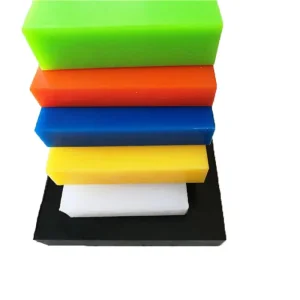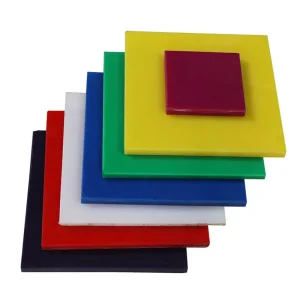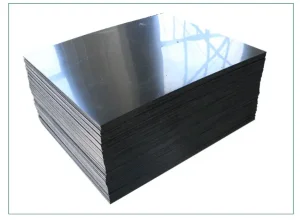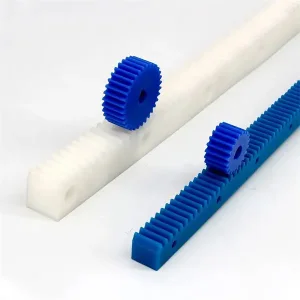
In modern heavy industry, the optimization of bulk material handling is a major driver of operational efficiency and cost reduction. Traditional steel bins, chutes, hoppers, and truck beds are continuously subjected to severe impact, abrasive wear, and material build-up. This is where Ultra-High Molecular Weight Polyethylene (UHMWPE) liners serve as an engineered solution. As a specialized engineering plastic with a molecular weight commonly ranging from 3.0 to 9.2 million g/mol, UHMWPE possesses a low coefficient of friction, high impact strength, and chemical resistance.
For heavy industry, utilizing UHMWPE liners is not just about choosing a wear-resistant surface; it is an engineering decision aimed at preventing cohesive arching, ratholing, and bridging. By establishing a low-friction boundary layer, these liners facilitate consistent material flow, even when processing challenging damp materials like iron ore, bauxite, copper concentrate, and coal. Compared to traditional structural steel, UHMWPE offers significant weight savings, reducing overall structural load while lowering noise emissions in high-impact zones.
UHMWPE does not absorb moisture, preventing sticky materials from adhering to the walls of chutes and truck beds even in freezing or humid environments.
Outperforms carbon steel in sand-slurry abrasion tests by a factor of 4 to 6, extending the service life of critical transport equipment.
A static coefficient of friction of 0.15 to 0.20 ensures that bulk material flows smoothly at lower chute angles, reducing power demands on conveyances.
The performance of a UHMWPE liner is directly determined by its polymer chain structure. Under standard testing protocols (including ISO 15527 and ASTM D4020), we classify our primary wear liners into specific molecular weight classes. The longer the polymer chains, the higher the entanglement density, which leads to superior impact strength and abrasion resistance.
| Property Description | Test Standard | UHMWPE PE1000 (Premium) | HDPE PE300 (Standard) | Hardened Steel (AR400) |
|---|---|---|---|---|
| Molecular Weight (g/mol) | Light Scattering | 3.0M - 9.2M | ~200k - 300k | N/A |
| Density (g/cm³) | ISO 1183 | 0.93 - 0.96 | 0.94 - 0.96 | 7.85 |
| Coefficient of Friction (Static) | ASTM D1894 | 0.12 - 0.18 | 0.25 - 0.30 | 0.50 - 0.60 |
| Relative Abrasion Index (Slurry) | ISO 15527 | 70 - 100 (Higher is Better) | 250 (Worse Wear) | 100 (Reference Base) |
| Charpy Impact Strength (kJ/m²) | ISO 179 | No Break (Extreme) | < 20 (Brittle) | Varies by alloy |
| Water Absorption (%) | ISO 62 | < 0.01 | < 0.01 | Corrodes / Oxidizes |
Standard raw UHMWPE is highly versatile, but complex environments require tailored modifications:
Tianjin Beyond Technology Development Co., Ltd. is a comprehensive manufacturing enterprise specializing in engineering plastic materials and precision CNC machining. Since 2015, the company has gained more than ten years of practical experience in engineering plastics manufacturing and precision CNC machining, building strong and reliable capabilities in material processing, precision control, and industrial production.
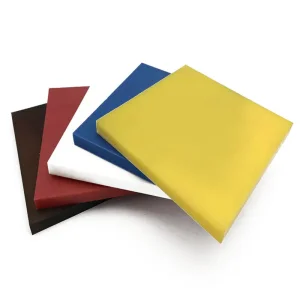
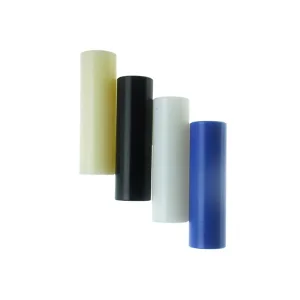
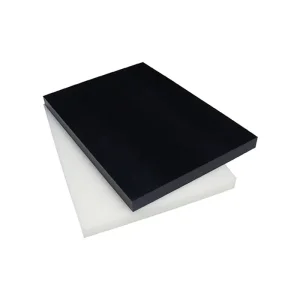
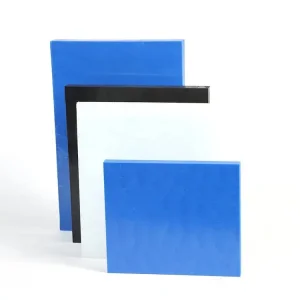
The company focuses on the manufacturing of UHMWPE, HDPE, PP, and PVC sheets and rods, as well as a wide range of custom non-standard engineering plastic components and precision metal CNC machined parts, providing flexible and application-oriented solutions for diverse industrial requirements.
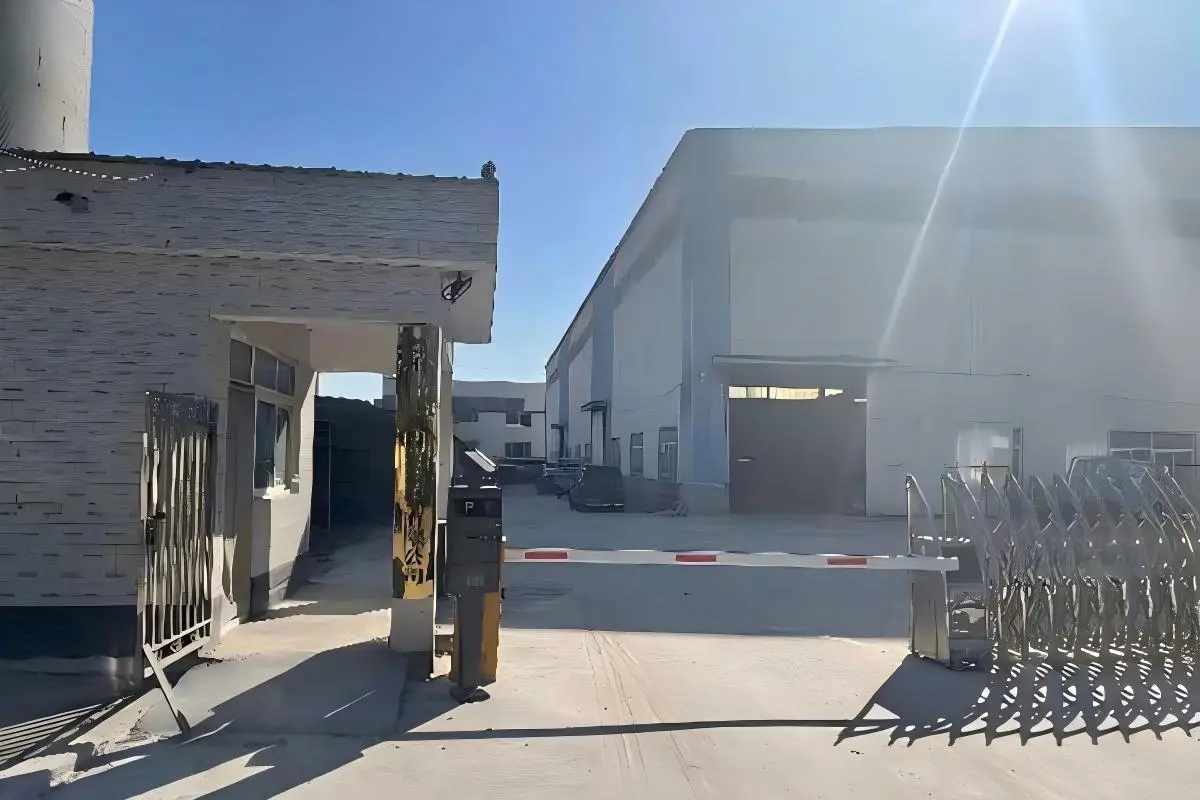
BEYOND’s manufacturing base spans approximately 50,000 square meters and integrates compression molding and extrusion workshops, a precision CNC machining center, and a dedicated R&D facility. Outfitted with advanced international equipment—including compression molding and extrusion lines, gantry CNC lathes, gantry CNC milling machines, and large-scale CNC engraving systems—this integrated setup allows the company to ensure consistent quality, maintain efficient production, and deliver high-precision, large-volume, and customized products that meet the highest industrial standards.
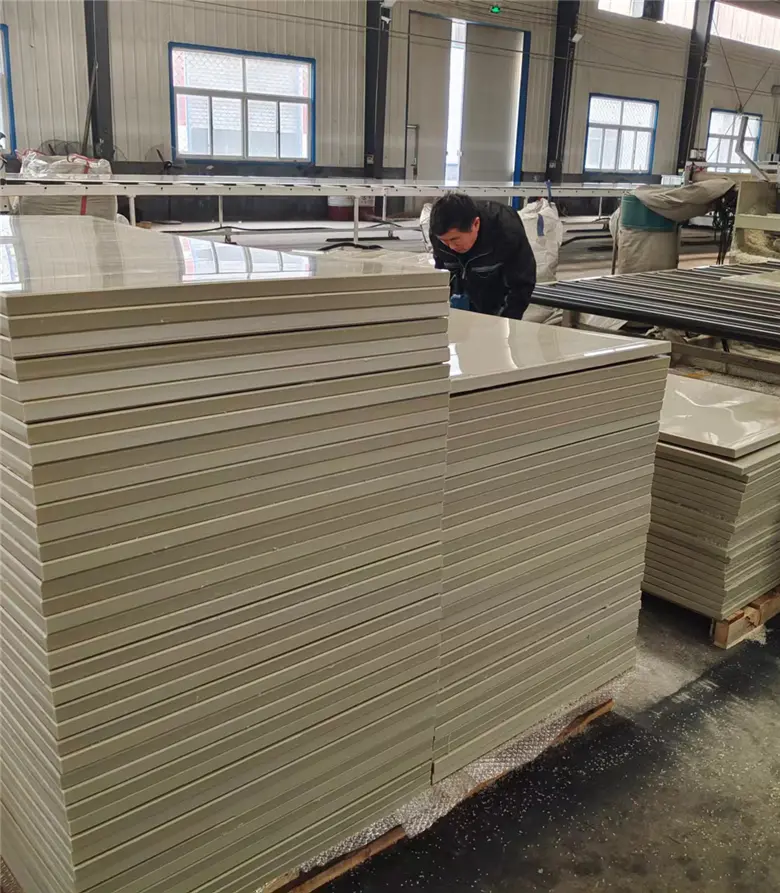
Premium products come from high-quality raw materials. We source our polymers from leading global chemical companies like TICONA (Celanese), LG, and Sinopec. Every batch of material entering our facility undergoes strict incoming inspection, including density, molecular weight, and wear index testing, to ensure it complies with ISO 9001 standards.
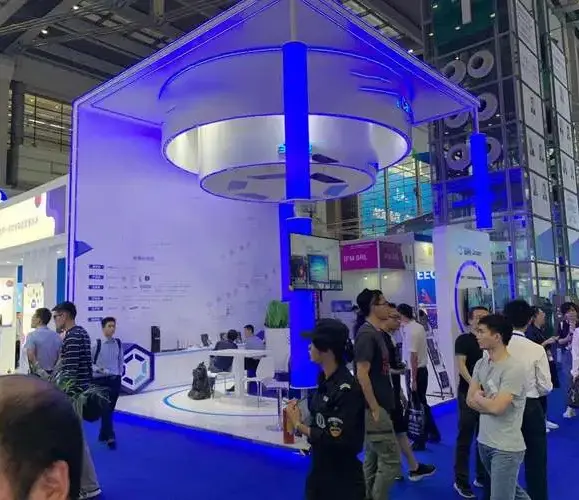
Our wear liners and custom CNC engineering parts are exported to countries worldwide, serving heavy industry, mining operators, marine ports, and logistics hubs. In addition to industrial plastics, our group develops resources for specialized applications, maintaining a strict system of certification and traceablity.
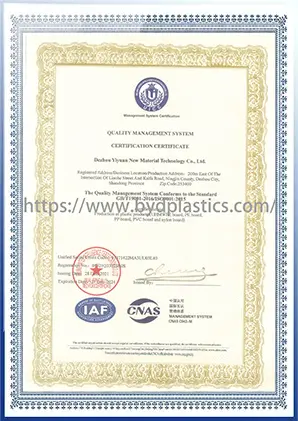
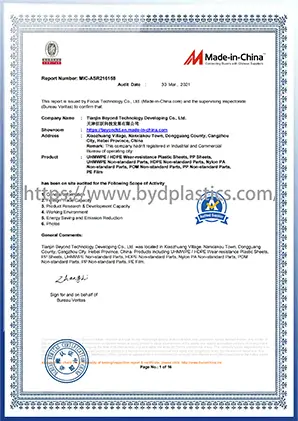
In international supply chains, reliability is built on clear, verifiable documentation. Tianjin Beyond Technology Development Co., Ltd. maintains a quality management system certified to ISO 9001, SGS, and BV standards. Every shipment is accompanied by a Certificate of Analysis (COA) specifying density, tensile strength, hardness, and molecular weight distribution.
For applications in the food, beverage, and pharmaceutical industries, our virgin UHMWPE sheets conform to FDA food-grade regulations and EU direct contact standards. This ensures that when our liners are used in grain silos, agricultural transport bins, or processing machinery, they do not release toxins, contaminants, or microplastics into the product stream.
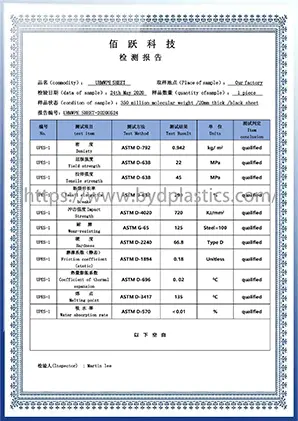
ISO 9001 Registration
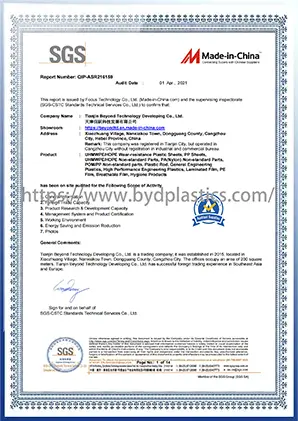
SGS Material Compliance
Bureau Veritas Approval
Standard Compliance Certificate
UHMWPE liners are utilized in specific configurations tailored to different industries:
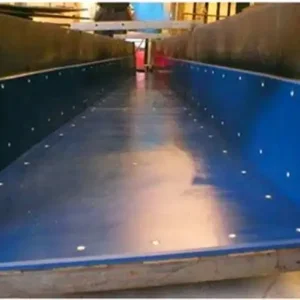
In high-tonnage mining facilities, chutes are subjected to continuous material impact. A 20mm or 30mm thick UHMWPE PE1000 liner, installed using counter-sunk weld studs, absorbs the impact energy and prevents abrasive wear on the structural steel frame.
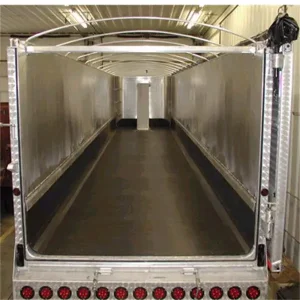
Truck beds carrying clay, topsoil, or wet aggregates often face sticky build-up. An OEM low-friction wear liner allows for clean dumping at lower hoist angles, reducing the risk of truck tip-overs while accelerating cycle times.
At bulk port docks, receiving hoppers handle dry materials from ships. Additionally, large-scale UHMWPE fender pads protect vessel hulls from wear and impact during berthing, due to their low friction and sea-water resistance.
By selecting the correct mounting method—such as weld washers, cap plugs, or high-strength bolts—our engineering team ensures that the liners remain secure under thermal expansion and contraction.
As industries pursue decarbonization and efficiency, Tianjin Beyond's R&D team is developing advanced solutions to reduce carbon footprints and extend material lifetimes:
What is the primary difference between PE1000 and PE500/PE300 in lining applications?
The difference lies in the molecular weight. PE1000 (UHMWPE) features a molecular weight of 3 to 9 million g/mol, offering the highest wear resistance, lowest coefficient of friction, and superior impact tolerance. PE500 (HMWPE) ranges from 500,000 to 1 million g/mol, balancing price and wear life for moderate-stress areas. PE300 (HDPE) has shorter chains and is typically used for chemical tanks or light storage structures rather than high-wear chute environments.
How do you secure UHMWPE liners to steel substrates under thermal expansion?
UHMWPE expands and contracts with temperature changes. To accommodate this, liners are fastened using weldable metal studs with expansion clearance gaps, or countersunk bolts slotted to allow expansion. Direct bonding with adhesives is not recommended due to the material's low surface energy and high thermal expansion coefficient.
Can UHMWPE dump truck liners handle hot materials like fresh asphalt?
Standard UHMWPE can withstand temperatures up to 80°C (176°F) for continuous exposure. For hot asphalt, which is typically transported at 150°C to 180°C, a standard liner will deform. In these applications, specialized heat-stabilized UHMWPE grades or composite materials must be used.
What parameters determine the required liner thickness?
Liner thickness is determined by drop height, material particle size, sharpness, and daily tonnage. For fine, non-impact bulk materials, a 10mm to 12.7mm liner is sufficient. For coarse, heavy ores with drop heights exceeding 2 meters, thicknesses of 25mm to 50mm, combined with structural impact bars, are required to prevent deformation.
 Beyond