 Beyond
1. Theoretical Foundations: Tribology and Material Selection of Industrial Linings
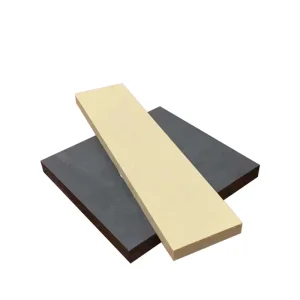
In heavy industrial environments, bulk material handling surfaces are constantly subjected to progressive mechanical loss due to friction, impact, and chemical attacks. Selecting a premium linings supplier is not merely a purchasing transaction; it is a critical engineering decision that dictates operational uptime, material flow rates, and overall safety. Modern industrial linings are engineered polymers configured to handle surface tribology challenges—mitigating adhesive wear, erosive wear, and abrasive wear.
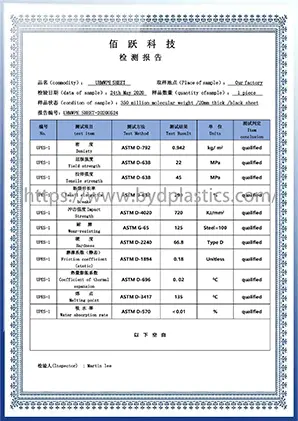
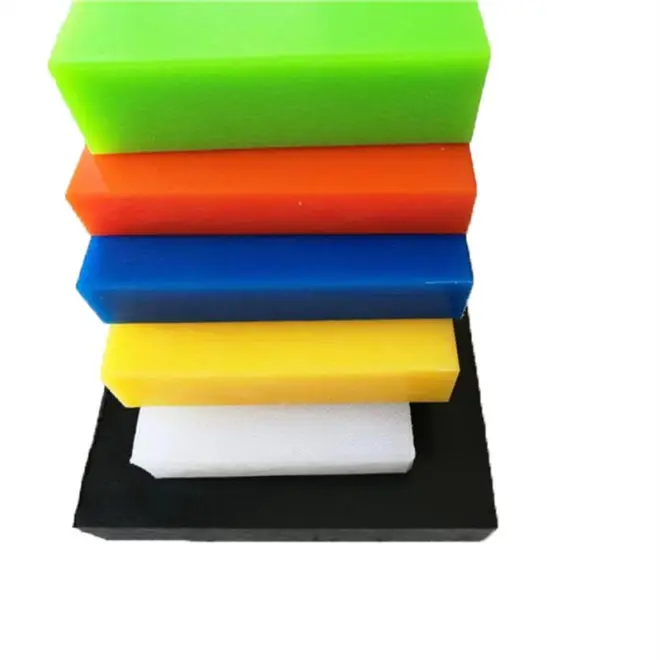
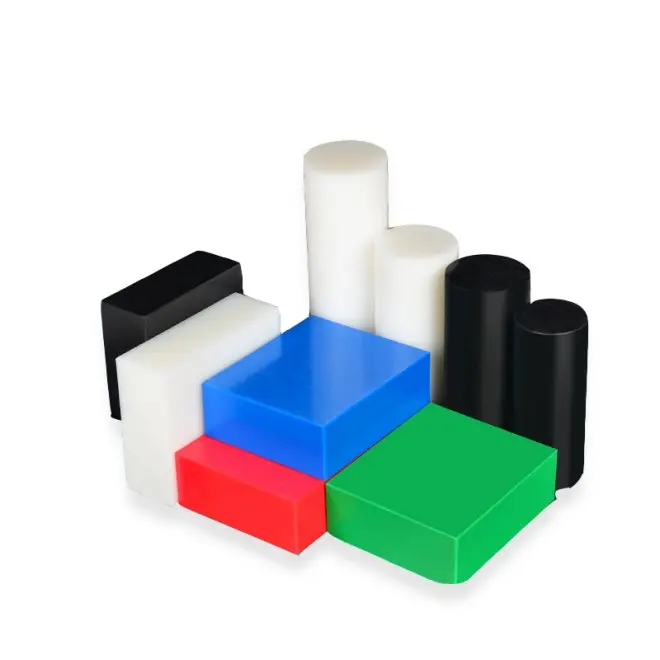
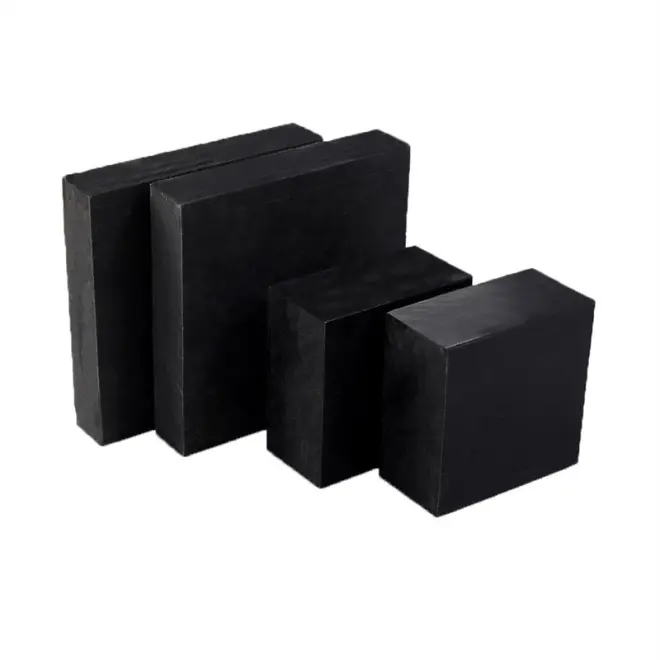
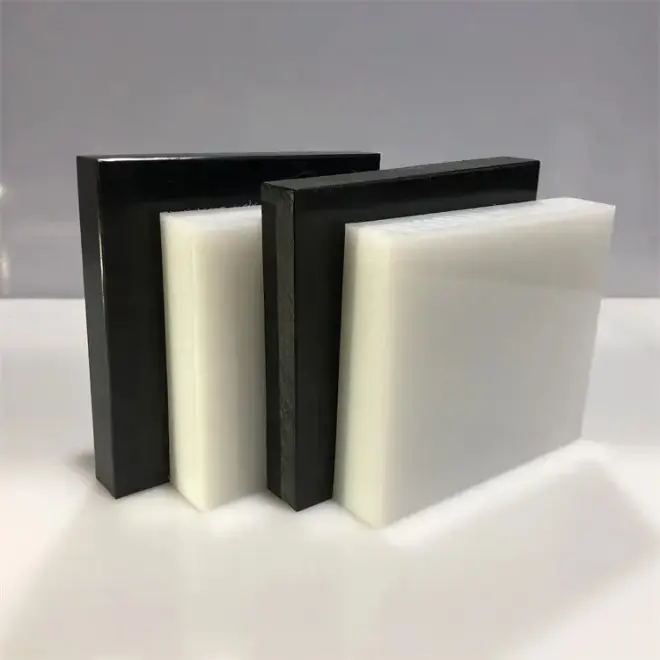
Ultra-High Molecular Weight Polyethylene (UHMWPE / PE1000) represents the gold standard in lining materials, possessing a molecular chain weight that exceeds 5 million to 9.2 million grams/mole. This massive molecular density results in an extremely low kinetic coefficient of friction (typically between 0.10 and 0.15), coupled with an Izod impact strength that does not fail even under freezing temperatures. Below, we examine how different engineered linings compare across key industrial indices:
| Polymer Type | Molecular Weight (g/mol) | Coeff. of Friction (Kinetic) | Relative Wear Index (Steel=100) | Max Temp Limit (°C) | Key Feature |
|---|---|---|---|---|---|
| UHMWPE (PE1000) | 5.0m - 9.2m | 0.12 | 12 | 80 - 90 | Superior wear resistance, zero water absorption |
| HDPE (PE300/PE500) | 300k - 500k | 0.20 | 30 | 75 - 80 | Cost-effective, versatile, weldable |
| Polypropylene (PP) | N/A (Copolymer) | 0.30 | 45 | 100 - 110 | Outstanding chemical tolerance, higher thermal limit |
| POM (Acetal/Delrin) | N/A (Polyacetal) | 0.25 | 25 | 105 - 115 | Rigid structural capacity, high fatigue resistance |
| PTFE (Teflon) | N/A (Fluoropolymer) | 0.05 | 60 | 260 | Unrivaled low friction, high thermal resistance |
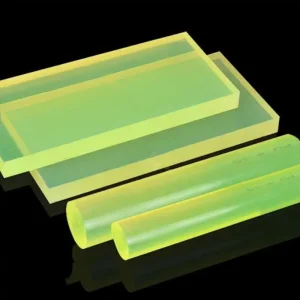
| Polyurethane (PU) | N/A (Elastomer) | 0.35 | 15 | 80 | Impact absorption, highly flexible |
Technical Insight: Relative Wear Index represents material loss under sand-slurry testing. A lower index signifies higher resistance to abrasive wear. Standard structural steel (A36) is designated as 100, showing that PE1000 can outperform traditional steels by up to 8 times under high-wear sliding operations.
2. Macro-Industry Solutions & Global Commercial Applications
On a global scale, the industrial lining market is transitioning rapidly from heavy, noisy, and high-maintenance alloy steel plates to lightweight, self-lubricating polymer panels. Industry giants in bulk logistics, marine port terminals, mining operations, and agriculture are prioritizing sustainability and energy efficiency by sourcing advanced linings.
2.1 Mining, Coal Extraction, & Minerals Handling
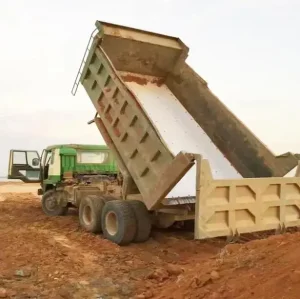
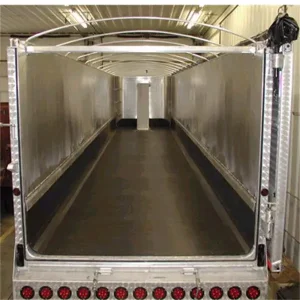
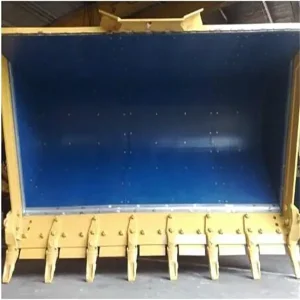
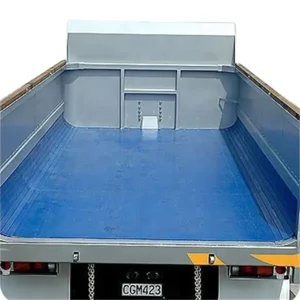
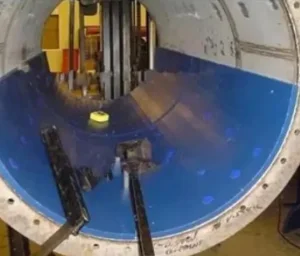
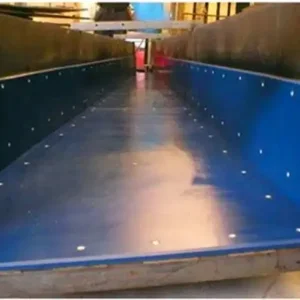
Under harsh extraction procedures, raw materials such as copper ore, iron ore, coal, and sand cause rapid deterioration of chute systems, hoppers, and dump truck beds. Traditional steel plates suffer from "ratholing" and "bridging"—where damp particles adhere to the steel substrate, restricting the material flow path. By installing UHMWPE PE1000 coal bunker liner sheets and dump truck bed liners, bulk operators achieve smooth, continuous flow. The self-lubricating surface prevents materials from sticking, which in turn reduces heavy mechanical vibrator energy usage and increases payload cycles by up to 20%.
2.2 Marine Infrastructure & Port Terminals
Harbors around the world are subject to harsh corrosive factors, salt spray, and massive physical impact loads from docking vessels. Engineered polymers such as UHMWPE dock fender pads are deployed on marine structures due to their excellent UV degradation resistance, zero moisture absorption rate, and low drag coefficient against ship hulls.
2.3 Construction Machinery & Civil Engineering Protection
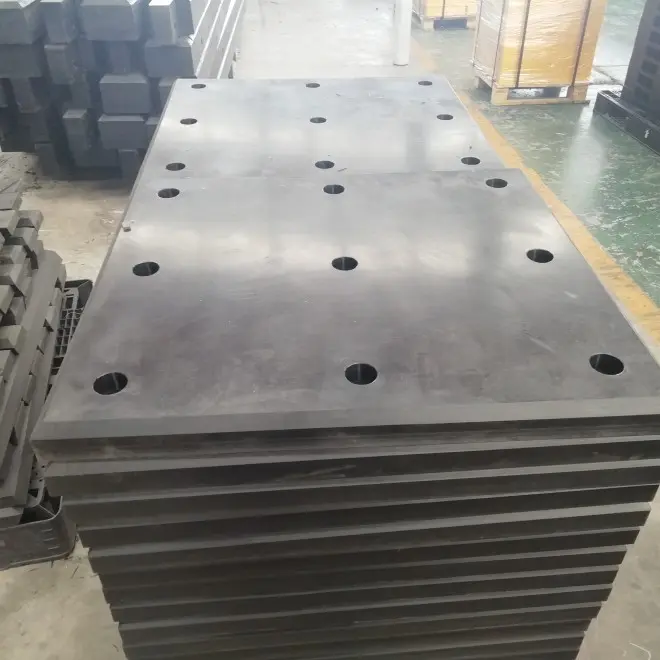
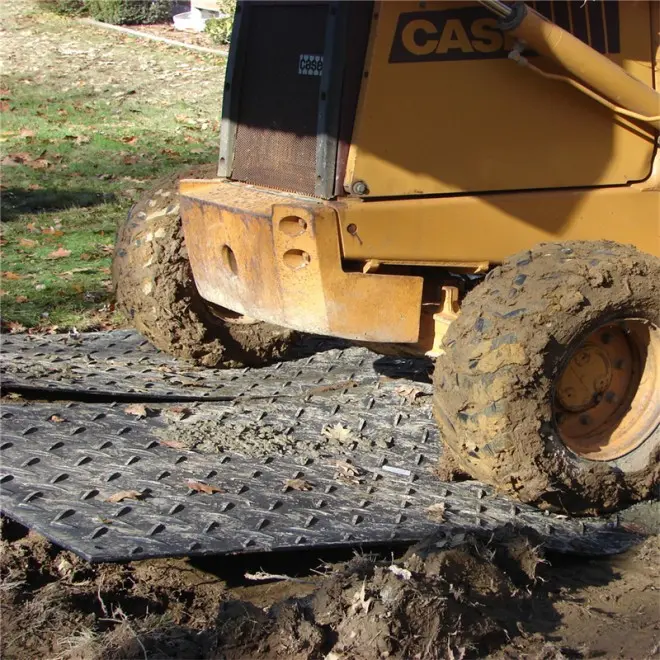
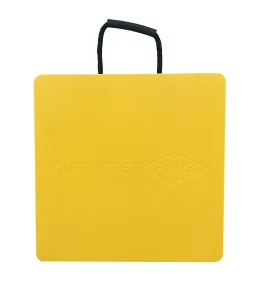
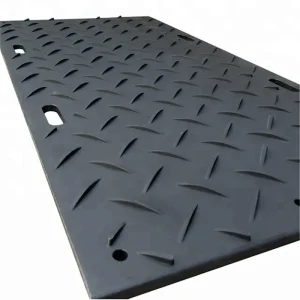
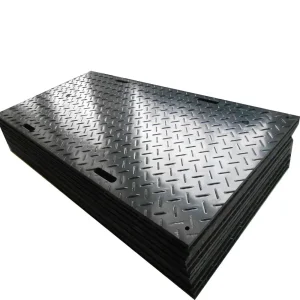
Heavy crane machinery requires stable foundations during high-reach maneuvers. Outrigger pads fabricated from high-density polyethylene (HDPE) or UHMWPE provide crucial load distribution, preventing equipment from sinking into soft ground. Similarly, temporary road mats allow heavy construction fleets to cross sensitive environments without causing ground damage or rutting, representing a major advancement in eco-friendly civil work.
3. Manufacturing Excellence: Inside the Tianjin Beyond Facility
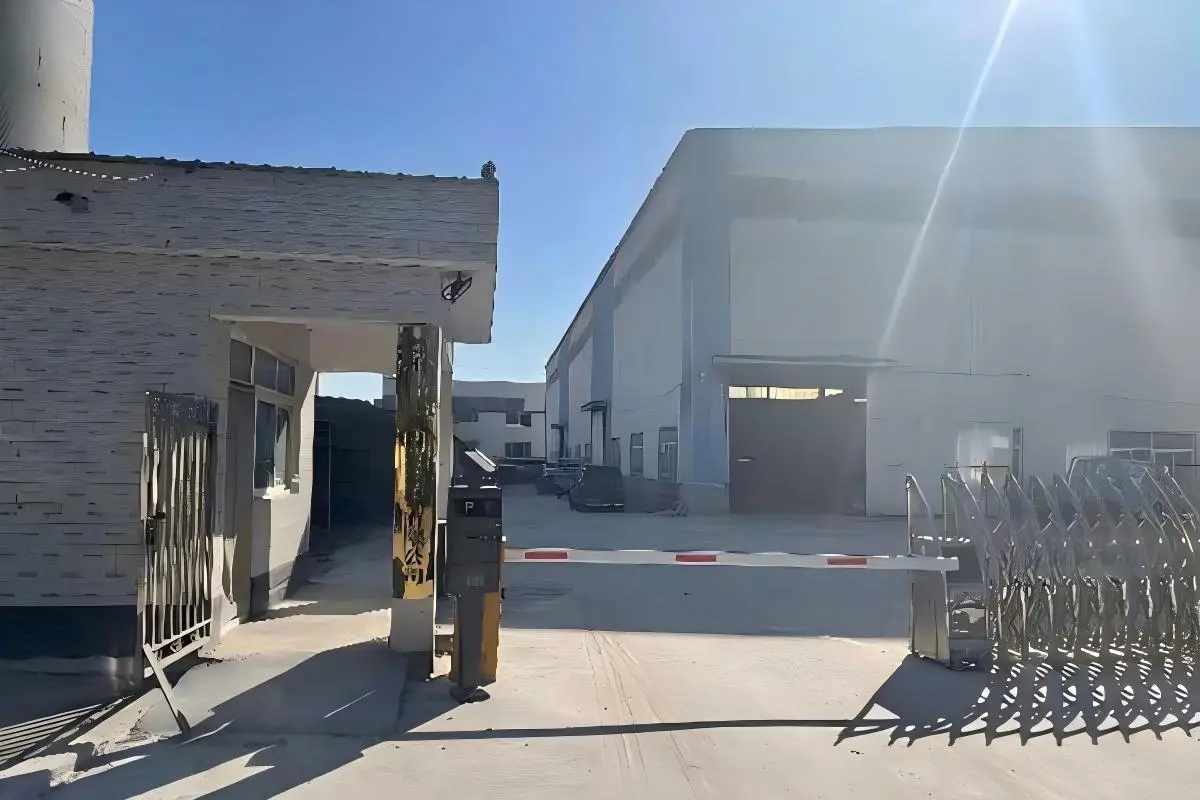
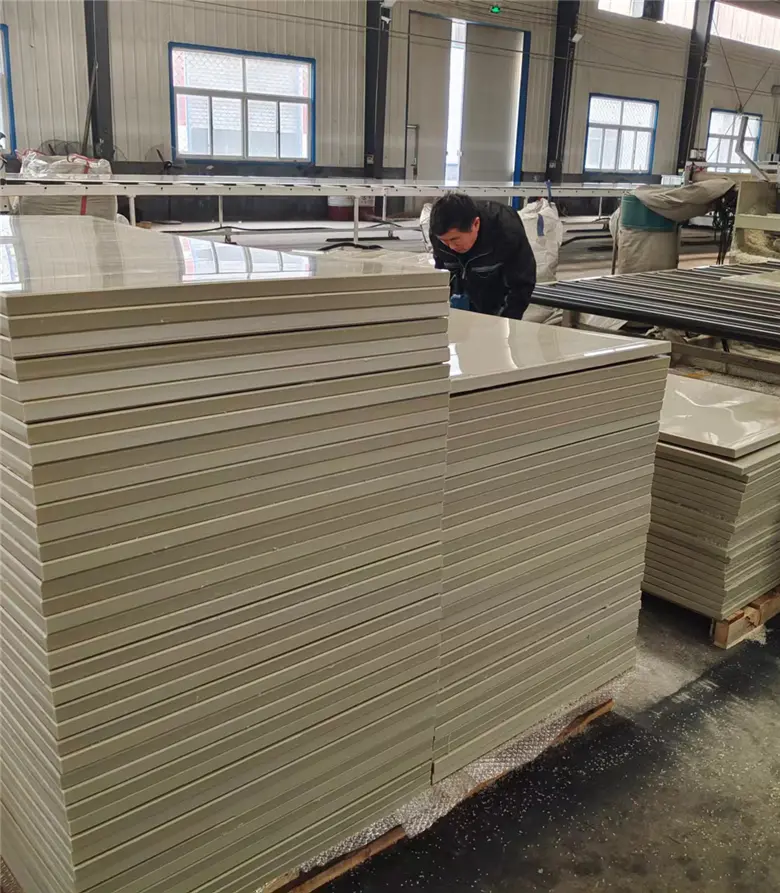
As a premier engineering plastics manufacturer, Tianjin Beyond Technology Development Co., Ltd. (established in 2015) has consolidated over a decade of hands-on expertise in precision material extrusion, compression molding, and custom CNC machining. Operating a massive 50,000 square meter production facility, BEYOND is equipped with state-of-the-art compression molding and extrusion lines, gantry CNC lathes, and large-scale industrial engraving setups.
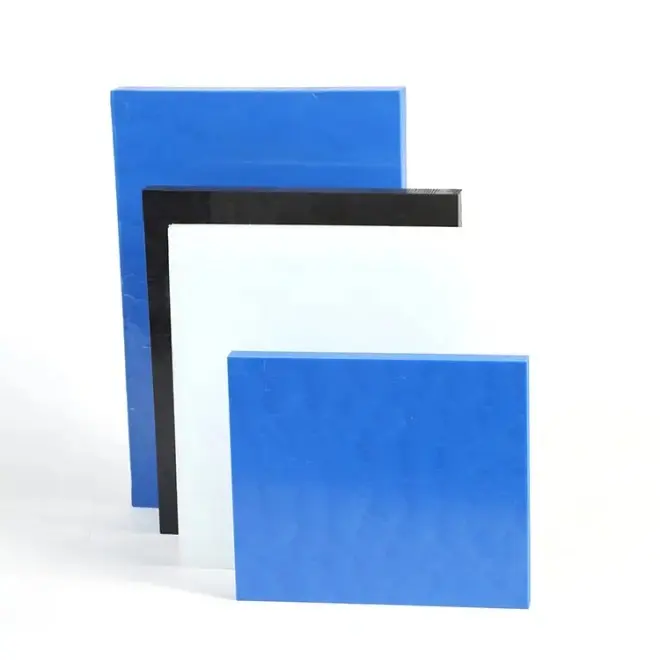
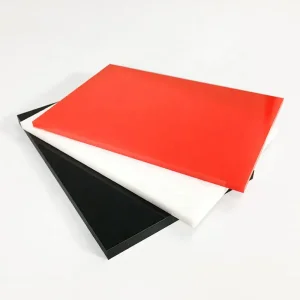
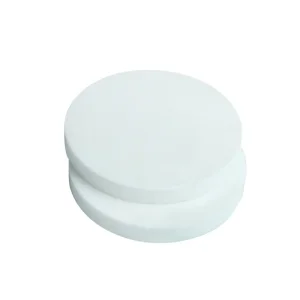
The company specializes in producing highly customized UHMWPE (PE1000) sheets, dock fender pads, heavy-duty outrigger pads, and specialized electrical variants (flame-retardant and anti-static sheets). Using raw materials sourced from renowned global suppliers such as TICONA, LG, and Sinopec, the facility consistently yields sheets with highly aligned polymer networks, guaranteeing consistent density, thermal stability, and mechanical strength.
4. Localized Support, Chemical Compliance, & Quality Control Standardizations
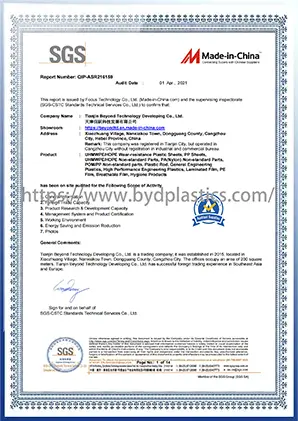
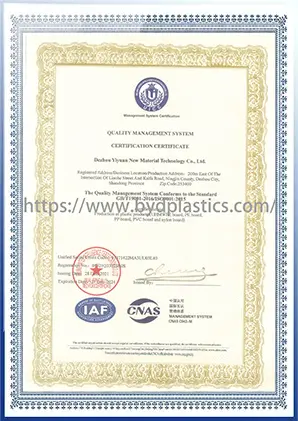
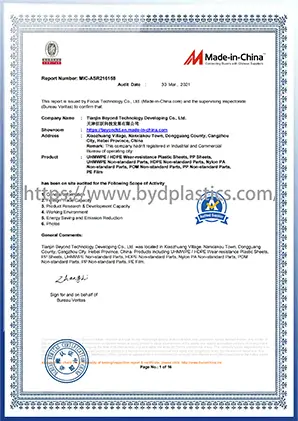
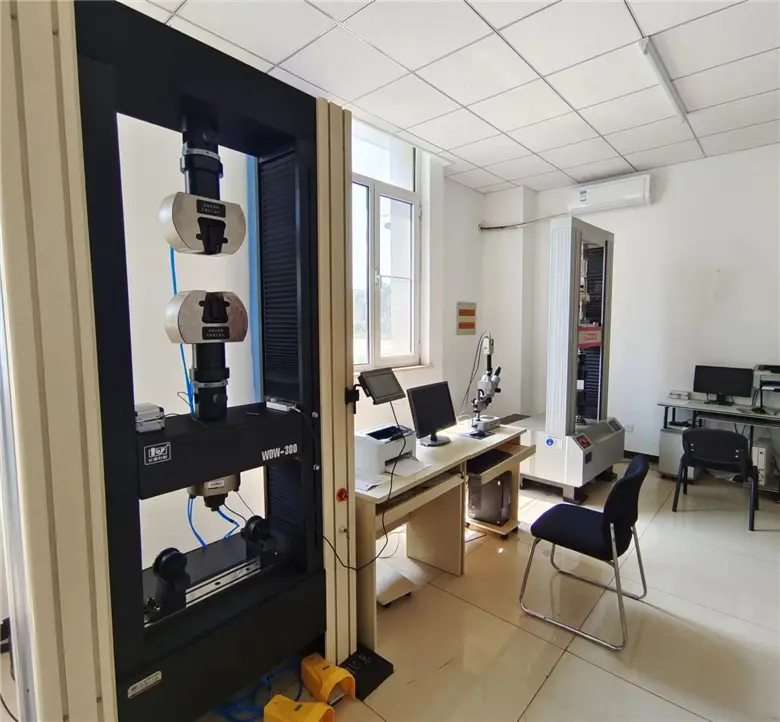
To address the needs of international engineering clients, industrial linings must meet strict regulatory and environmental parameters. BEYOND maintains an independent R&D wing consisting of materials engineers and plastic processing experts who supervise production lines under ISO 9001, SGS, and BV frameworks.
For food contact or pharmaceutical applications, high-purity HDPE and PP sheets comply with FDA and EU directives, preventing hazardous molecular migration. Industrial grades are regularly tested for Environmental Stress Cracking Resistance (ESCR), tensile elongation, and hardness ratings, ensuring performance under harsh chemical exposure in sulfuric, hydrochloric, or highly alkaline solutions.
5. Technical Roadmap: The Future of Polymeric Linings
The industrial lining industry is entering an era of smart materials and circular economy solutions. The primary R&D pathways focus on two main areas:
- Sensory Smart Linings: Integrating micro-sensor elements within wear plates to measure remaining lining thickness and temperature in real-time, sending data directly to maintenance control centers to prevent unexpected wear-through.
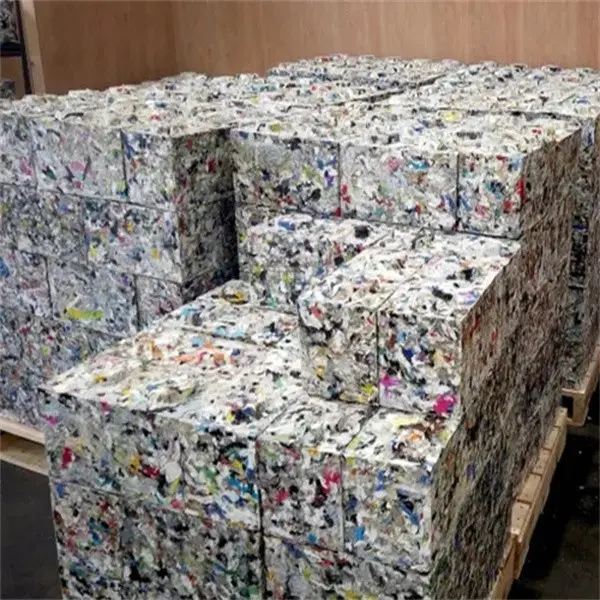
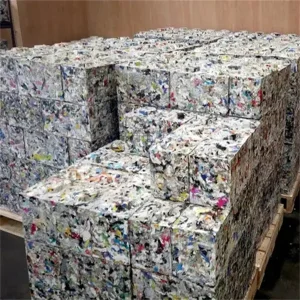
- Recycled & Composite Formulations: Hybrid materials, such as recycled eco-friendly mixed HDPE/UHMWPE sheets, combine post-industrial polymer waste with virgin resins to lower carbon footprints without compromising impact strength or wear performance.