10 Best Plastic Hdpe Sheet Suppliers for Global Buyers

Time:2026-09-20 Author:Mason
0%

Choosing a reliable Plastic Hdpe Sheet supplier can determine whether a project runs smoothly or becomes an expensive correction exercise. Global buyers need more than attractive prices. They need stable material quality, accurate dimensions, clear documentation, and dependable delivery across borders.

This guide examines ten suppliers through practical purchasing criteria. These include resin traceability, sheet thickness tolerance, surface finish, impact strength, chemical resistance, and production capacity. It also considers custom cutting, packaging quality, export experience, and technical support. A supplier may offer excellent sheets but weak communication. That matters.

Dr. Ramani Narayan, a respected polymer scientist, has repeatedly promoted life-cycle thinking in material selection. His principle is clear: “Material choices must consider the full life cycle.” That idea belongs in every HDPE purchasing decision. The lowest quote is not always the lowest cost. Poor flatness can interrupt fabrication. Inconsistent thickness can create waste. Weak packaging can damage sheets before installation.

The companies featured here serve different needs, from industrial liners and fabrication panels to water-treatment equipment and protective barriers. Their strengths are not identical. Some appear stronger in customization, while others provide broader logistics support. Buyers should still verify current certifications, test reports, production lead times, and regional compliance before ordering. Supplier pages can change. Mistakes happen.

This review is designed for informed comparison, not blind endorsement. It combines technical judgment with practical buying experience. Each supplier deserves careful checking against your exact application, volume, and delivery destination.
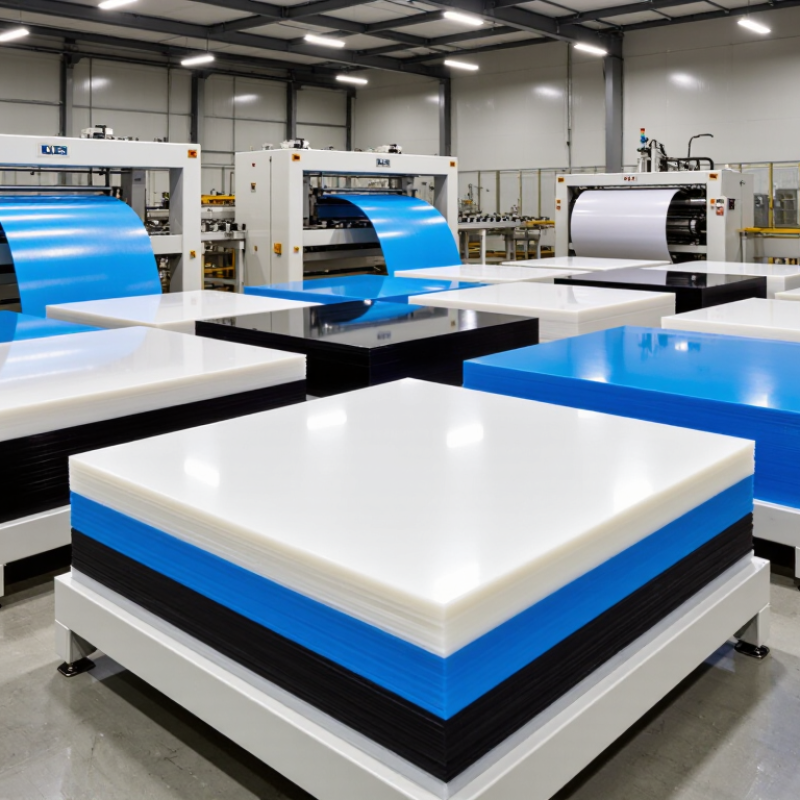
10 Best Plastic Hdpe Sheet Suppliers for Global Buyers

What HDPE Sheets Are and Why Global Buyers Use Them

HDPE Sheets: Properties, Applications, and Buying Considerations

HDPE sheets are flat panels made from high-density polyethylene, a thermoplastic with a density of about 0.94–0.97 g/cm³. They resist moisture, many chemicals, impact, and repeated washing. Fabricators can cut, drill, bend, and thermally weld them. A 10 mm sheet may feel surprisingly light when lifted, yet it can protect a tank wall or guide material through a production line.

Global buyers use HDPE sheets because they simplify demanding projects. PlasticsEurope reported global plastic production of about 413.8 million tonnes in 2023, showing the scale of polymer-based manufacturing. The OECD also identified packaging as a major source of plastic use and waste.

This explains the demand for durable liners, pallets, machine guards, drainage components, and reusable transport surfaces. Buyers should check thickness tolerance, flatness, resin grade, UV performance, and test certificates before comparing prices. Cheap is not always economical.

Important Limitations and Evaluation Tips

The material is not perfect. HDPE expands with temperature and may creep under constant load. Outdoor sheets can become brittle or fade without suitable stabilization. ASTM D4976 provides a recognized framework for polyethylene sheet and molded shapes, but compliance alone does not guarantee project performance.

In my experience, suppliers offering batch traceability and clear inspection records are easier to evaluate. Still, real service conditions matter more than a polished data sheet. A sample trial can reveal warping, weld quality, and handling problems early.

Key Specifications to Compare Across HDPE Sheet Suppliers

When comparing HDPE sheet suppliers, begin with measurable specifications, not polished product photos. Check sheet thickness, width, length, and permitted tolerances. A 10 mm sheet may arrive slightly thinner, affecting fabrication and load performance. Ask for density, tensile strength, impact resistance, and operating temperature ranges. These figures reveal whether the material suits tanks, liners, cutting boards, or outdoor panels.

Material grade matters. Virgin HDPE usually offers cleaner and more predictable performance, while recycled content may reduce cost but vary between batches. Request the melt flow index, color consistency, and UV stabilization details. For outdoor use, ask how weathering resistance was tested. A test report should show methods, dates, and batch numbers. Vague certificates are warning signs.

Ask suppliers for recent samples.

I also compare quality-control records, packaging, lead times, and replacement policies. Sheets should arrive flat, protected from moisture, and marked for traceability. Global buyers should verify export documents and pallet dimensions before ordering. A supplier may quote an attractive price but exclude crating or inland delivery. That mistake is common. I once underestimated thickness tolerance during a fabrication estimate, creating unnecessary trimming work. Now, I request a dimensional inspection report with every trial order. Even then, small color differences can appear between production runs, so written acceptance limits are worth adding to the purchase agreement.

How to Evaluate the Top HDPE Sheet Suppliers Worldwide

How to Evaluate the Top HDPE Sheet Suppliers Worldwide

Reliable HDPE sheet suppliers provide measurable evidence, not attractive promises. Request technical data for density, tensile strength, impact resistance, and melt flow rate. Check thickness tolerance across several points on each sheet. A 10 mm sheet should not vary wildly from edge to center. Samples reveal more. Do not trust photographs.

Ask for recent test reports and production records. Confirm whether testing follows recognized international standards. Review certificates carefully, including their issuing dates and covered materials. A serious supplier should explain resin grades, additives, UV protection, and color stability in clear language. Traceability matters. Batch numbers should connect raw materials with finished sheets.

Evaluate practical performance before signing a large contract. Cut and weld samples using your intended equipment. Observe warping, surface marks, and edge quality after machining. Ask about packaging, moisture protection, export experience, and replacement procedures. Contact previous buyers when possible, but remember that references can be selective. Factory audits offer stronger evidence, although remote reviews may miss important details.

Price deserves attention, but unusually low offers often hide thinner sheets, inconsistent formulation, or weak inspection. I have seen specifications accepted too quickly because the sample looked perfect. That was a mistake. A supplier may be experienced yet poorly organized during peak seasons. Discuss lead times, inspection points, communication hours, and corrective actions in writing. No supplier is flawless; dependable partners admit limitations and show how they control them.

International Standards, Customization, and Quality Verification

Choosing among the 10 Best Plastic HDPE Sheet Suppliers for Global Buyers requires more than comparing prices. Reliable suppliers should understand international standards, product applications, and export documentation. Buyers can request test reports covering density, tensile strength, impact resistance, thickness tolerance, and melt flow performance. Certificates aligned with ISO quality systems and relevant ASTM or EN methods add useful evidence.

Customization should be discussed before production begins. Suppliers may offer different colors, thicknesses, surface finishes, sheet sizes, and UV-resistant formulations. Confirm whether cutting, drilling, welding preparation, or protective packaging is available. A clear technical drawing prevents costly misunderstandings. Small details matter.

Quality verification needs independent thinking. A certificate alone is not proof. Ask for batch numbers, production dates, sampling procedures, and recent laboratory results. Compare the delivered sheet with the approved sample under proper lighting. Check edges, warping, surface marks, and actual dimensions with calibrated tools. In practical sourcing, visual checks often reveal problems early. Yet visual inspection can miss internal weaknesses. Third-party testing may be necessary for demanding applications. One lesson is easy to overlook: rushing approval creates more risk than requesting one extra test. Suppliers should also explain traceability, complaint handling, and replacement procedures in writing. That transparency supports dependable long-term purchasing.

Pricing, Shipping, and Supplier Selection for Global Orders

Selecting the ten best HDPE sheet suppliers requires more than comparing online prices. Experienced global buyers request quotes using identical specifications, including thickness, dimensions, color, surface finish, resin grade, and cutting tolerance. A low price can still become expensive when minimum order quantities, tooling, packaging, or port fees appear later.

Ask suppliers to separate material costs from freight, insurance, duties, and local delivery. Compare shipping terms carefully. Factory pickup may look attractive, but ocean freight, customs clearance, and inland transport can change the final landed cost. Request pallet dimensions, gross weight, loading photos, production lead time, and estimated sailing schedules. Small details matter. One missing document can delay a container.

Reliable suppliers provide technical data sheets, batch information, inspection records, and clear answers about recycled content. Samples should be tested for thickness accuracy, flatness, impact strength, and chemical resistance before a large order. Check whether the supplier can maintain quality across repeated shipments, not only one successful sample. References from comparable industries can help, although they are not perfect proof. A spreadsheet is useful, but judgment still matters. I would score communication, corrective-action speed, payment flexibility, and packaging quality alongside price. Sometimes the “best” supplier is not the cheapest. It may be the one that admits a production risk early and offers a practical adjustment.

10 Best Plastic HDPE Sheet Suppliers for Global Buyers - Pricing, Shipping, and Supplier Selection for Global Orders

Rank Supplier Profile Primary Supply Region Typical HDPE Sheet Grades Common Thickness Range Standard Sheet Size Indicative Export Price Typical MOQ Production Lead Time Shipping Options Typical Compliance Documents Best Selection Advantage
1 Supplier Profile A East Asia Virgin, recycled-content, UV-stabilized, textured 1–50 mm 1220 × 2440 mm US$1.80–3.60/kg FOB 500 kg 15–25 working days FCL, LCL, air freight for samples TDS, SDS, certificate of origin, inspection report Broad customization and competitive container pricing
2 Supplier Profile B North America Natural, black, FDA-oriented food-contact grades 2–100 mm 1220 × 2440 mm; custom cuts US$3.20–6.80/kg EXW 100–250 kg 10–20 working days Truck, rail, ocean export, courier samples TDS, SDS, lot traceability, food-contact declaration where applicable Shorter delivery times for North American buyers
3 Supplier Profile C Western Europe PE300, PE500, PE1000, electrically conductive 3–80 mm 1000 × 2000 mm; 1500 × 3000 mm US$4.50–9.50/kg FCA 250 kg 15–30 working days Road freight, short-sea, full-container export EN material data, TDS, SDS, dimensional inspection report Strong engineering-grade material selection
4 Supplier Profile D South Asia Virgin, recycled, abrasion-resistant, marine-use sheets 2–60 mm 1220 × 2440 mm US$2.10–4.20/kg FOB 300–500 kg 20–35 working days FCL, LCL, multimodal inland delivery TDS, SDS, packing list, commercial invoice, origin certificate Good balance between cost and customized fabrication
5 Supplier Profile E Southeast Asia Black, white, colored, UV-resistant outdoor grades 1–40 mm 1000 × 2000 mm; 1220 × 2440 mm US$2.00–4.00/kg FOB 500 kg 18–30 working days FCL, LCL, regional truck delivery TDS, SDS, UV test data where specified, packing list Efficient access to Asian and Oceania markets
6 Supplier Profile F Central Europe PE500, PE1000, flame-retardant and machined sheets 5–100 mm 1000 × 2000 mm; custom formats US$5.00–10.50/kg FCA 100–250 kg 20–35 working days Road freight, rail, short-sea shipment TDS, SDS, dimensional report, batch certificate Suitable for demanding industrial and wear applications
7 Supplier Profile G Middle East Black, natural, chemical-resistant, tank-lining sheets 2–50 mm 1220 × 2440 mm US$2.30–4.80/kg CFR 500 kg 20–35 working days FCL, LCL, truck delivery within regional ports TDS, SDS, chemical-resistance data, certificate of origin Convenient regional transit to Africa and nearby markets
8 Supplier Profile H Latin America Virgin, recycled-content, agricultural and fabrication grades 1–30 mm 1000 × 2000 mm; 1220 × 2440 mm US$2.60–5.20/kg FOB 250–500 kg 15–30 working days Truck, coastal ocean, FCL export TDS, SDS, invoice, packing list, origin documentation Reduced inland freight for regional buyers
9 Supplier Profile I Oceania Natural, black, UV-stabilized and marine fabrication grades 3–50 mm 1220 × 2440 mm; custom CNC blanks US$4.20–8.00/kg EXW 100–250 kg 15–28 working days Domestic truck, FCL, LCL, air samples TDS, SDS, UV data, inspection report, packing list Good support for marine, mining and outdoor projects
10 Supplier Profile J Eastern Europe PE300, PE500, recycled, anti-static and custom-color grades 2–80 mm 1000 × 2000 mm; 1220 × 2440 mm US$3.00–6.20/kg FCA 250 kg 18–32 working days Road freight, rail, short-sea and FCL TDS, SDS, batch certificate, dimensional report Flexible order quantities and proximity to European markets

Note: Prices are indicative export-market ranges in USD per kilogram for standard HDPE sheet orders and may vary according to resin grade, color, thickness, tolerances, machining, order volume, packaging, freight rates, duties, and Incoterms. Buyers should verify current quotations, test reports, certifications, and shipping schedules before placing a global order.

FAQS

Which HDPE sheet specifications should buyers compare?

Compare thickness, width, length, and permitted tolerances. Check several points, including the center and edges. A sheet marked 10 mm may arrive slightly thinner. That difference can affect welding, trimming, and load performance.

What material data should an HDPE sheet supplier provide?

Request density, tensile strength, impact resistance, melt flow rate, and operating temperature. These figures help match the sheet with tanks, liners, panels, or cutting surfaces. Ask for the resin grade and additive details. Technical numbers matter more than polished photographs.

Is virgin HDPE always better than recycled HDPE?

Virgin material usually provides more predictable performance and color consistency. Recycled content can lower costs, but batch results may vary. Ask for recent samples and production records. The cheaper option is not automatically the safer option.

How can buyers verify outdoor weather resistance?

Ask whether the sheet contains UV stabilization. Request test methods, testing dates, and batch numbers. Review evidence for weathering resistance under outdoor conditions. A vague certificate proves little.

What should buyers inspect in HDPE samples?

Cut and weld samples with your intended equipment. Check warping, surface marks, edge quality, and machining behavior. Measure thickness with calibrated tools. Look under consistent lighting. Small color differences may appear between production batches.

What quality documents should an international buyer request?

Request recent test reports, production records, dimensional inspection reports, and traceability details. Batch numbers should connect raw materials with finished sheets. Certificates may reference recognized ISO, ASTM, or EN methods. Still, a certificate alone is not proof.

What packaging and delivery details deserve attention?

Sheets should arrive flat, dry, protected, and clearly marked. Confirm pallet dimensions, export documents, lead times, and inland delivery costs. Ask whether crating is included in the quotation. An attractive price can hide transport charges.

How should buyers manage customization and acceptance limits?

Confirm colors, thicknesses, surface finishes, sheet sizes, and UV-resistant options before production. Discuss cutting, drilling, welding preparation, and protective packaging. Use a clear technical drawing. Add written limits for color and dimensional variation. I once underestimated thickness tolerance. Extra trimming followed.

Conclusion

This guide explains why Plastic Hdpe Sheet products are widely used by global buyers in construction, manufacturing, water management, packaging, and industrial applications. Known for their durability, chemical resistance, moisture protection, and low maintenance requirements, HDPE sheets can be selected in different thicknesses, dimensions, colors, surface finishes, and performance grades. Buyers should compare key specifications such as density, impact strength, temperature tolerance, flatness, UV resistance, and fabrication suitability when reviewing international suppliers.

The article also presents a practical method for evaluating HDPE sheet suppliers worldwide. It covers production capacity, quality-control procedures, international standards, testing reports, customization options, packaging, and sample verification. In addition, buyers will learn how to assess pricing beyond the unit cost by considering minimum order quantities, lead times, shipping methods, documentation, and delivery reliability. A careful comparison of technical quality, communication, certification, and total landed cost can help global purchasers select a dependable supplier for long-term orders.


Mason

Mason

Mason is a seasoned marketing professional with a deep expertise in the company's offerings and a passion for driving brand awareness. With a strong background in digital marketing strategies, he has an innate ability to connect with diverse audiences and effectively communicate product benefits.......