Hdpe Plastic Sheets are flat panels made from high-density polyethylene, a thermoplastic valued for moisture resistance, impact strength, and easy fabrication. They appear in practical places: a white cutting board, a black protective liner, or a sign exposed to rain. The material is not one-size-fits-all. Thickness, resin grade, surface finish, and UV stabilizers can change how a sheet performs.
The market context is substantial. PlasticsEurope’s Plastics – the Fast Facts 2024 reports 413.8 million tonnes of global plastics production in 2023. That figure covers plastics broadly, not HDPE sheets alone, but it shows why material selection matters across manufacturing. For a useful technical reference, ASTM D4976 sets requirements for polyethylene molding and extrusion materials. It does not, by itself, confirm that a finished sheet suits every application.
Common uses include chemical-resistant tank liners, agricultural panels, packaging components, marine structures, and workshop surfaces. Buyers should check chemical compatibility, operating temperature, load, and outdoor exposure before choosing a grade. Fabrication also matters: sheets can be cut, routed, or welded, but poor joining can create weak points. A detail easily missed. HDPE can expand with heat, and its smooth surface may make bonding difficult. This guide explains what the sheets are, how their properties affect real-world performance, and where careful specification is essential. Some applications look straightforward. They are not always.
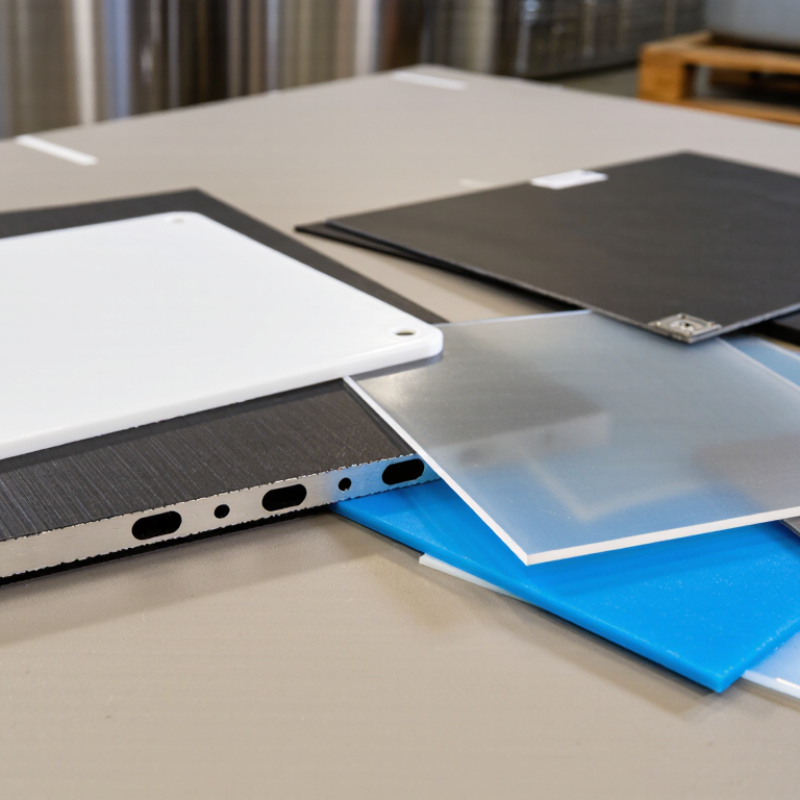
HDPE stands for high-density polyethylene, a thermoplastic made from ethylene molecules joined into long polymer chains. Its structure gives the material a useful balance of toughness, moisture resistance, and relatively low weight. It starts as pellets. Manufacturers melt these small granules and shape the plastic into flat sheets. The finished surface may feel slightly waxy, and its color can vary with the formulation.
For many sheets, production begins in an extruder. A heated screw moves and melts the pellets, then pushes the molten plastic through a wide, flat die. The emerging sheet passes between rollers, which help control its thickness and surface. Cooling follows, often with rollers or a controlled cooling line, before the material is trimmed to size.
Small details matter. Heat, pressure, and line speed can affect thickness, flatness, and internal stress. Manufacturers typically check dimensions and inspect surfaces for visible defects.
Some thick or specialty sheets may be made using other forming methods, such as compression molding. Additives or pigments can also change properties, so “HDPE” alone does not describe every sheet equally well.
That distinction is easy to overlook. In practical use, a clean cut edge, consistent thickness, and appropriate grade matter as much as the basic resin.
Even a well-made sheet may flex more than expected when it is thin or spans a wide, unsupported area.
HDPE sheets are valued for a combination of low weight, toughness, and resistance to moisture. Their surface absorbs very little water, so a sheet used near washdown areas is less prone to swelling than many wood-based panels. That matters. HDPE also resists many common acids and alkalis, though compatibility depends on the chemical, concentration, temperature, and exposure time. Check a compatibility chart before specifying it for demanding service.
The material can take knocks without shattering easily, making it useful for liners, cutting surfaces, wear strips, and outdoor equipment components. It is also easy to machine with ordinary shop tools, but its softness can leave a rough edge if the blade is dull. One limitation is heat: HDPE expands noticeably as temperatures change and may soften or deform under sustained load. A long, unsupported panel can slowly sag. For outdoor use, choose a UV-stabilized grade; standard sheet may become brittle after prolonged sunlight exposure. These trade-offs are easy to overlook when a sample feels sturdy in the hand. Specification should reflect the real load, temperature, and environment.
HDPE plastic sheets are available in several grades and finishes, and the right choice depends on how the sheet will be used. Standard sheet is often selected for guards, cutting surfaces, and workshop fixtures. Recycled HDPE can suit applications where appearance and exact color matter less, though its color and consistency may vary. UV-stabilized grades are designed for outdoor exposure, but they still need to match the project’s climate and expected service life. Check the supplier’s data sheet.
Thicknesses commonly range from about 1/16 inch to 2 inches, with availability varying by grade and supplier. Thin sheets are easier to cut and bend, but may flex under load. A 1/4-inch panel can work for a light-duty liner; a thicker panel may be needed for a rigid work surface. Measure the unsupported span, too. That detail is easy to miss. Surface options include smooth finishes for easy cleaning and textured finishes that can improve grip. Matte surfaces may hide scuffs better than glossy ones, but texture can hold dirt in some settings. Ask for a sample when finish quality matters. A quick visual check helps, though it cannot replace testing the sheet under real working conditions.
HDPE sheets serve many industries because they resist moisture, impact, and a range of chemicals. In food-processing facilities, suitable grades can form cutting boards, wear strips, and equipment liners. Grade and certification matter where surfaces contact food. That detail matters. In agriculture, sheets may line tanks, troughs, and storage areas exposed to water or fertilizer. Their smooth surfaces are easier to rinse than many porous materials, though scratches can still collect residue.
Construction and water-management crews use HDPE sheets for protective barriers, drainage components, and fabricated access covers. In marine settings, they can help protect docks and boat interiors from repeated knocks and damp conditions. Mining and material-handling operations use sheet liners in chutes and bins to reduce sticking and abrasion. Results depend on load, temperature, thickness, and the material being handled. Not everywhere. A sheet that works well as a low-friction liner may not suit a hot, heavily loaded part. Installers should check the grade, fastening method, and expected wear before choosing a sheet.
| Industry | Common HDPE Sheet Applications | Why HDPE Is Used | Practical Considerations |
|---|---|---|---|
| Water and Wastewater | Tank and basin liners, water-treatment components, and fabricated parts exposed to water or wastewater. | HDPE resists moisture, does not rust, and offers resistance to many common chemicals. | Select sheet thickness and grade for the specific liquid, temperature, loading, and fabrication method. |
| Agriculture | Protective liners for ponds and irrigation channels, equipment guards, and durable panels for agricultural facilities. | Its low water absorption and corrosion resistance suit damp, outdoor environments. | For prolonged outdoor exposure, consider a UV-stabilized grade and appropriate installation details. |
| Marine and Aquaculture | Wear strips, fender components, dock parts, and panels used in fish-farming equipment. | HDPE is resistant to water and many forms of chemical corrosion, and its low-friction surface can reduce wear in sliding applications. | Saltwater exposure, impact, fastening, and structural loads should be considered in the design. |
| Chemical Processing | Tank linings, chemical-handling equipment components, and fabricated trays or guards. | HDPE has useful resistance to a range of acids, alkalis, and other chemicals. | Chemical compatibility depends on the substance, concentration, temperature, and exposure time; verify these before use. |
| Food Processing | Cutting boards, work surfaces, and non-structural components in food-handling areas. | HDPE is nonporous and easy to clean when properly designed and maintained. | Use only grades documented as compliant for the intended food-contact conditions; not every HDPE sheet is food-contact compliant. |
| Construction and Civil Engineering | Geomembrane liners, protective barriers, wear panels, and components in drainage or containment systems. | HDPE combines moisture resistance with toughness and chemical resistance. | Projects may require specified material properties, qualified installation, and inspection of seams or joints. |
| Mining and Materials Handling | Chute liners, hopper liners, wear strips, and sliding surfaces for bulk-material equipment. | Its low-friction surface and abrasion resistance can help reduce material hang-up and surface wear. | Performance varies with the material being handled, impact, load, temperature, and sheet thickness. |
| General Manufacturing | Machine guards, spacers, wear pads, fabricated covers, and custom-machined parts. | HDPE sheet is relatively easy to cut, machine, and fabricate, and it resists moisture and many chemicals. | Account for its flexibility, thermal expansion, and joining requirements when designing parts. |
Choosing an HDPE sheet starts with its job. Check the required thickness, load, operating temperature, and exposure to sunlight or chemicals. A cutting board, tank liner, and outdoor panel may need different grades. PlasticsEurope’s Plastics – the Fast Facts 2022 reported that high- and medium-density polyethylene made up 12.2% of European plastics demand in 2021. That broad use does not mean every sheet suits every task. Ask for technical data on impact strength, temperature limits, and UV resistance. For outdoor use, confirm that the sheet is UV-stabilized. For regulated applications, verify the relevant material documentation.
Look closely at the surface and edges before installation. Scratches, stress whitening, or chipped corners can signal damage. Leave room for movement, since HDPE expands and contracts with temperature changes. Use compatible fasteners, and avoid overtightening them. Small details matter. Clean the sheet with mild soap, water, and a soft cloth; abrasive pads can leave visible marks. Avoid unverified solvents, which may affect the surface. Inspect joints and supports periodically, especially where the sheet carries weight or meets a rigid frame. A simple inspection takes minutes. Still, appearance alone cannot confirm structural fitness; replace a sheet if cracks deepen or it bends beyond its intended use.
HDPE is a thermoplastic made from long chains of ethylene molecules. Manufacturers melt small pellets and shape them into flat sheets. The surface may feel slightly waxy.
A heated screw melts the pellets and pushes the plastic through a flat die. Rollers control thickness and surface, then the sheet cools and is trimmed. Small process changes can affect flatness.
It absorbs very little water, so it is less prone to swelling than many wood-based panels. It also resists many common acids and alkalis. Check chemical compatibility for demanding use.
Not always. It can soften or deform under sustained heat or load. Thin sheets may flex, and long unsupported panels can slowly sag. I might underestimate that span.
Choose a UV-stabilized grade for prolonged sunlight exposure. Standard sheet may become brittle outdoors. Match the grade to your climate and expected service life.
Thicknesses commonly range from about 1/16 inch to 2 inches, depending on grade and availability. A 1/4-inch panel may suit a light-duty liner. Measure the unsupported span, too.
Smooth finishes are easier to clean. Textured finishes can improve grip, but may hold dirt. Matte surfaces can hide scuffs better than glossy ones.
Yes, they are generally easy to machine with shop tools. A dull blade can leave a rough edge. Try a sample first; a quick look is not a full test.
Hdpe Plastic Sheets are durable, versatile panels made by heating and shaping high-density polyethylene resin. Their low weight, strength, moisture resistance, and ability to withstand many chemicals make them useful where dependable, easy-to-clean material is needed. They are available in different grades, thicknesses, and surface finishes, allowing users to select sheets suited to structural, protective, or fabrication needs.
These sheets serve a wide range of industries, including construction, agriculture, manufacturing, and food handling, where they may be used for liners, guards, cutting surfaces, and equipment components. Choosing the right sheet involves considering its intended use, required strength, exposure conditions, dimensions, and finish. Routine care is generally simple: clean with suitable mild products, avoid unnecessary abrasion, and inspect periodically for wear or damage.

Beyond