When considering the selection of UHMWPE liner sheets, one must delve into a market ripe with possibilities. Research from Industry Analysts indicates that the demand for UHMWPE products has surged by over 15% in recent years. This material offers exceptional wear resistance and low friction properties, making it highly desirable in various industries, including mining and construction.
Expert John Smith, a leading authority in polymer technology, emphasizes the importance of careful selection. He states, “Choosing the right UHMWPE liner sheet can significantly improve operational efficiency and reduce downtime.” His insights highlight the necessity of aligning material properties with specific application needs.
As businesses aim for longevity and performance, understanding the nuances of UHMWPE liner sheets is critical. Yet, many companies often prioritize cost over quality, which can lead to inefficiencies. Recognizing these pitfalls is essential in making an informed decision. Balancing quality, performance, and price will help optimize the choice of UHMWPE liner sheets for each unique application.
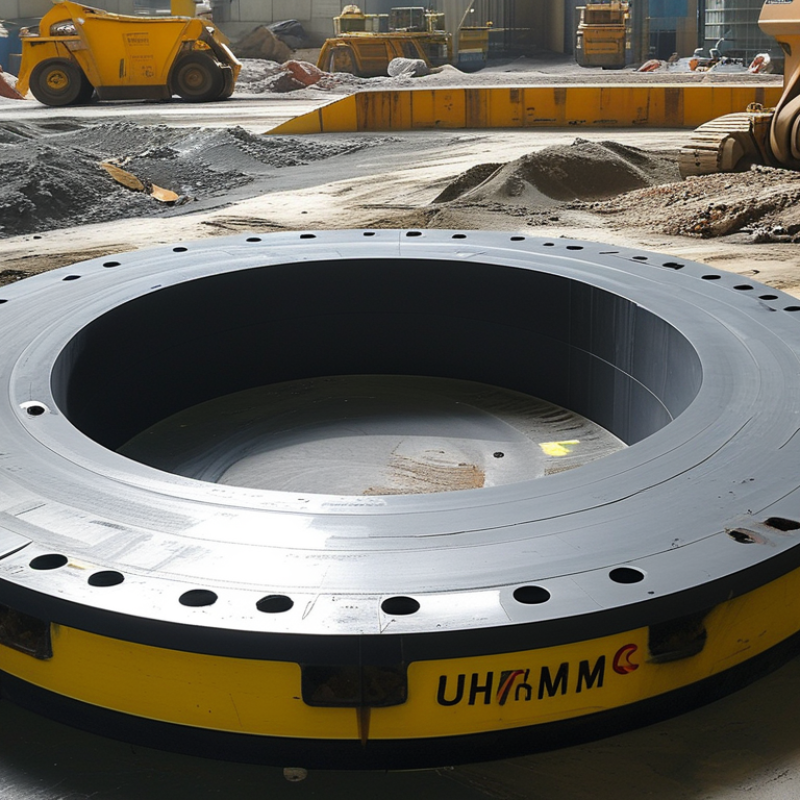
Understanding UHMWPE Liner Sheets and Their Applications
UHMWPE liner sheets, or ultra-high molecular weight polyethylene, are versatile materials used across various industries. They are known for their toughness, wear resistance, and low friction properties. Common applications include food processing, mining, and material handling. This unique plastic can withstand harsh environments, making it ideal for heavy-duty operations.
When selecting UHMWPE liner sheets, consider thickness and size. The thickness will impact durability and weight capacity. For demanding applications, opt for thicker sheets. Additionally, the size must fit your equipment precisely. Accurate sizing ensures optimal performance and minimizes waste.
Pay attention to the surface texture. A smooth finish often reduces friction, while a textured surface provides better grip in specific applications. Surface characteristics can dramatically influence the effectiveness of your setup. Remember that not all textures may suit your needs, potentially leading to performance issues. Always evaluate the operational environment and requirements carefully. Choosing the right UHMWPE liner sheet can significantly enhance efficiency and longevity.
Key Characteristics to Look for in UHMWPE Liner Sheets
When selecting UHMWPE liner sheets, understanding their key characteristics is essential for effective decision-making. One crucial quality is impact resistance. Studies indicate that UHMWPE can absorb energy from impacts, making it ideal for high-stress environments. This material can withstand forces up to 20 times greater than steel, which is vital for reducing wear and tear in industrial applications.
Another important factor is chemical resistance. UHMWPE resists a wide range of chemicals, including acids and bases, which is beneficial in various settings. According to industry reports, materials that withstand harsh chemicals have lower maintenance costs and longer service life. In applications that involve corrosive substances, this property becomes crucial for maintaining operational efficiency.
Additionally, consider the coefficient of friction. UHMWPE features a low friction coefficient, which aids in reducing energy consumption during material handling. A report from a leading materials research institute highlights that using UHMWPE liners can improve machinery efficiency by up to 30%. However, it’s important to recognize that while these advantages are significant, improper installation or maintenance can lead to reduced performance and durability, warranting careful planning and implementation.
Evaluating the Thickness and Size for Optimal Performance
Choosing the right UHMWPE liner sheets is crucial for ensuring optimal performance in various applications. One key factor to consider is the thickness of the material. Thicker sheets often provide better impact resistance and longevity. However, they may also add unnecessary weight and cost, especially in applications where flexibility is essential. Finding the perfect thickness is about balancing durability with practicality.
Size is another critical consideration. It’s essential to have sheets that fit precisely within the intended installation area. Oversized sheets can complicate the fitting process and might require additional adjustments. On the other hand, undersized sheets can lead to gaps, which compromise performance. Evaluating the dimensions against the project specifications is vital.
Pay attention to the specific requirements of your application. An incorrect size or thickness can lead to failures and increased costs. Continuous evaluation and feedback during the selection process can enhance decision-making. It’s an ongoing journey to find the ideal UHMWPE liner sheets that meet both performance and budgetary constraints.
Thickness and Size Evaluation for UHMWPE Liner Sheets
Considerations for Environmental Resistance and Durability
When selecting UHMWPE liner sheets, environmental resistance and durability are paramount. These materials encounter various pressures and weather conditions. Choose sheets that can withstand extreme temperatures and humidity. This ensures long-lasting performance in diverse settings.
Consider potential chemical exposures too. Certain substances can degrade materials over time. Research how various UHMWPE grades react with different chemicals. This understanding will save time and resources in the long run. A well-informed choice can prevent unexpected failures.
Weigh the maintenance requirements alongside durability. Some options might appear more durable but can require constant upkeep. Ensure any liner you choose aligns with your operational capabilities. This balance between durability and maintenance can be the difference between efficiency and costly repairs.
Budgeting for Quality: Cost vs. Value in UHMWPE Liner Sheets
When selecting UHMWPE liner sheets, understanding the balance between cost and value is crucial. According to a 2022 industry report by Technavio, the global UHMWPE market is projected to grow at a CAGR of 8.5% through 2025. This growth indicates a rising demand for quality materials. However, purchasing decisions based solely on price may lead to costly errors in the long run.
Higher-quality UHMWPE materials tend to exhibit superior abrasion resistance and flexibility. A study by DuPont highlights that better liners can last up to four times longer than cheaper alternatives. This extended lifespan is essential for industries such as mining or manufacturing, where downtime can be expensive. Nevertheless, it is not uncommon for businesses to underestimate the impact of quality on their operational efficiency.
Conversely, opting for lower-quality options might seem financially savvy initially. Still, it is vital to consider potential costs associated with failures or replacements. According to industry experts, organizations may find themselves spending twice as much on maintenance and replacements over time. It’s a reminder that value encompasses not just the upfront cost but also long-term benefits. Balancing budgeting with quality will yield better performance and sustainability in the long run.
Top 10 Tips for Choosing UHMWPE Liner Sheets Effectively
| Tip |
Description |
Cost Consideration |
| 1. Understand Your Application |
Identify the specific requirements of your project such as load, temperature, and chemical exposure. |
Investing in the right specifications can reduce long-term costs. |
| 2. Compare Materials |
Evaluate UHMWPE options regarding their properties like abrasion resistance and impact strength. |
Higher quality materials may have a higher initial cost but last longer. |
| 3. Check Certifications |
Ensure that the liners meet industry standards for safety and performance. |
Certifications can indicate reliability, potentially saving costs on compliance. |
| 4. Evaluate Supplier Reputation |
Research suppliers based on reviews and feedback from previous customers. |
Choosing a trusted supplier may prevent future issues and unexpected costs. |
| 5. Request Samples |
Test samples in your operational environment to assess performance. |
Sampling can avoid costly mistakes from improper selections. |
| 6. Assess Delivery Times |
Confirm lead times to ensure that production schedules are met. |
Late deliveries can lead to lost revenue and increased costs. |
| 7. Consider Thickness |
Choose appropriate thickness based on wear and tear expected. |
Thicker sheets may cost more upfront but last longer, reducing replacement frequency. |
| 8. Evaluate Custom Options |
Check if custom sizes or features can be accommodated. |
Custom solutions can save costs associated with installation modifications. |
| 9. Analyze Warranty and Support |
Inquire about warranty periods and customer support availability. |
Strong support can reduce costs related to failures and replacements. |
| 10. Budget for Future Needs |
Plan for potential scaling or changes in your operational demands. |
Forward-thinking can help avoid costly retrofits later on. |
FAQS
: UHMWPE liner sheets are tough materials made from ultra-high molecular weight polyethylene. They have low friction and high wear resistance.
These sheets are used in food processing, mining, and material handling. They thrive in harsh environments.
Thickness impacts both durability and weight capacity. Thicker sheets are better for demanding applications.
Surface texture can reduce friction or provide better grip. Choosing the wrong texture can cause performance issues.
Consider extreme temperatures, humidity, and potential chemical exposures. These factors affect longevity and performance.
Accurate sizing is crucial. A precise fit ensures optimal performance and minimizes waste in operations.
Consider the maintenance needs when choosing sheets. Some may seem durable but require constant upkeep.
Yes, certain chemicals can degrade these materials. Research chemical compatibility to avoid unexpected failures.
Choosing incorrectly can lead to performance failures. Always evaluate operational needs before making decisions.
Selecting the right thickness, size, and texture can significantly improve operational efficiency and longevity.
Conclusion
The article "Top 10 Tips for Choosing UHMWPE Liner Sheets Effectively" provides a comprehensive overview of UHMWPE liner sheets, highlighting their diverse applications in various industries. It underscores the importance of understanding the characteristics that distinguish high-quality UHMWPE liner sheets, such as low friction, high wear resistance, and chemical stability.
Evaluating the appropriate thickness and size is crucial for ensuring optimal performance, catering to specific usage scenarios. Moreover, considerations for environmental resistance and durability are discussed, emphasizing the longevity of these materials under challenging conditions. Lastly, the article addresses the balance between cost and value, guiding readers on how to budget effectively for quality UHMWPE liner sheets without compromising their operational efficiency.

 Beyond