Who Are the Top Nylon Plastic Sheet Manufacturers in China?

Time:2026-11-20 Author:Ethan
0%

China is a major source of engineered plastics, but finding the right Nylon Plastic Sheet manufacturer takes more than comparing prices. Buyers need to understand what each supplier actually makes, how it controls quality, and whether its capabilities match the intended application. Sheet dimensions, thickness tolerance, surface finish, color, and grade can all affect performance. Details matter.

This guide introduces practical ways to assess manufacturers in China. It considers production experience, material traceability, inspection methods, customization options, sample availability, and communication during quotation and delivery. A clear product datasheet is useful, yet it cannot replace answers to specific questions about testing and consistency. Buyers should request relevant specifications and confirm them against their own operating conditions. Requirements vary.

The companies worth considering are not necessarily those with the boldest claims or the longest catalogs. Reliable selection depends on evidence: documented capabilities, responsive technical support, and samples that meet agreed requirements. Even then, a first sample may not reveal every issue in long-term use. That uncertainty deserves attention. The overview ahead is intended as a starting point, not a substitute for supplier checks. With a careful comparison, buyers can narrow the field and make a more informed decision about sourcing Nylon Plastic Sheet in China.
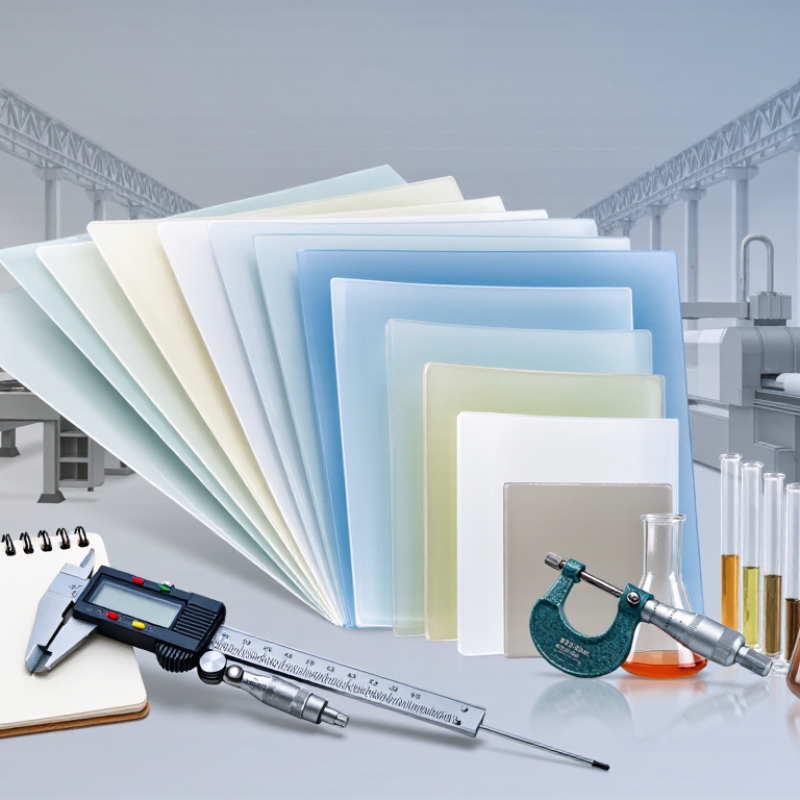
Who Are the Top Nylon Plastic Sheet Manufacturers in China?

China’s Nylon Plastic Sheet Manufacturing Industry

China’s nylon plastic sheet industry combines polymer processing, precision cutting, and quality control for varied industrial uses. Manufacturers commonly work with PA6 and PA66, while production routes may include extrusion or casting. These materials suit wear strips, machine components, and handling equipment because they offer useful strength and abrasion resistance. But nylon absorbs moisture. Sheet dimensions and performance can shift with humidity, so storage and conditioning deserve attention.

A careful supplier assessment should look beyond a polished catalogue. Ask for thickness tolerances, batch test records, and details about resin grades and processing methods. Request a sample, then check its flatness, surface finish, and behavior under the conditions your application will face.

Small details matter. A sheet that machines cleanly in a dry workshop may behave differently after absorbing moisture. This is easy to overlook, even by experienced buyers. Clear technical communication and repeatable inspection practices can reduce surprises, though no datasheet can replace testing in the actual application.

How to Identify Leading Nylon Sheet Manufacturers

A leading nylon sheet manufacturer should prove consistency, not merely offer a long product list. Ask for resin-grade details, sheet-thickness tolerances, and batch-specific test records. Check whether the supplier can explain how moisture conditioning affects machining and dimensions. Small details matter. A sheet that curls after cutting can waste hours on a production floor. Grand View Research’s 2024 nylon market report estimated the global market at USD 31.22 billion in 2023, with projected growth through 2030. That figure shows a large, expanding market, but it does not verify any supplier’s sheet quality.

Review test methods, not just headline values. Tensile data can be checked against ASTM D638, while water absorption testing can refer to ASTM D570. Request dated reports that identify the tested grade and thickness; generic certificates offer weak evidence. Then compare samples under your actual conditions, including drilling, edge finishing, and exposure to moisture. Ask how rejected batches are handled and whether production records can trace material back to a lot. A polished factory tour is useful, but it is not proof. I would still hesitate if a supplier avoids sharing tolerances or gives identical test figures for every grade.

Key Manufacturers and Their Product Strengths

China’s nylon sheet market includes large-scale resin processors, specialist sheet extruders, and smaller conversion workshops. Their strengths differ. Integrated producers may offer steady output and several grades, including nylon 6 and nylon 66. Specialist manufacturers often focus on tighter thickness control, custom dimensions, or modified formulations for specific operating conditions. These differences matter when a sheet will be machined into gears, liners, or wear pads.

Product quality should be judged by measurable details, not broad claims. Ask for a current datasheet covering thickness tolerance, density, tensile properties, and water absorption. Moisture can affect nylon’s dimensions, especially in humid storage or service. Details matter. A capable supplier should explain how its material behaves after machining and provide traceable test information where available. For a real comparison, request samples and check flatness, surface finish, and consistency across the sheet. It varies. Some buyers may also need cut-to-size service, but confirm whether cutting affects edge quality or delivery time. A small trial can reveal issues that a polished catalogue cannot.

Nylon Sheet Product Strengths: Typical Thermal Performance

A material-level comparison of common unfilled nylon grades used for plastic sheets. Typical melting points are approximately 220°C for PA6 and 260°C for PA66.

Values are typical reference figures, not a ranking of manufacturers. Actual specifications can vary by grade, formulation, and test method.

Common Applications and Technical Standards for Nylon Sheets

Nylon sheets are selected for more than strength. They appear in machine guards, wear strips, gears, rollers, and conveyor guides, where parts face repeated friction and impact. PA6 is commonly chosen for general-purpose machining; PA66 can offer greater stiffness and heat resistance, depending on grade and test conditions. Grand View Research estimated the global nylon market at about US$31.3 billion in 2023, reflecting broad demand across engineering applications. That figure covers nylon overall, not sheet products alone.

Check the test method before comparing technical data. ASTM D638 measures tensile properties, ASTM D790 measures flexural behavior, and ASTM D570 measures water absorption. ISO 527, ISO 178, and ISO 62 provide related international methods. Moisture matters. Nylon absorbs water, which can change dimensions and mechanical behavior; a dry-sheet test may not predict performance in a humid workshop. That detail is easy to overlook. Ask for values tied to a stated conditioning procedure, thickness, and temperature, then verify them against the intended load and operating environment. Standards make comparisons clearer, but they do not replace application-specific trials.

How to Choose a Chinese Nylon Sheet Supplier

Choosing a Chinese nylon sheet supplier starts with the application, not the lowest quote. Specify whether the part needs PA6 or PA66, its thickness, operating temperature, load, and exposure to oils or moisture. Nylon absorbs water, which can change dimensions and mechanical behavior. Ask for the grade, datasheet, and test method—not just a generic “nylon” description.

Check how the supplier controls production. Request stated thickness tolerances, inspection records, and a recent sample cut from regular production. Measure it yourself with calipers, and inspect the edges for voids or uneven finish. Small details matter. Ask how sheets are packed to limit moisture pickup during storage and shipping. A polished datasheet can still leave gaps; clarify who handles deviations and how quickly replacement material can be supplied.

Use market figures as context, not proof of supplier quality. Grand View Research’s 2024 polyamide market report estimated the global market at USD 34.47 billion in 2023 and projected a 5.2% compound annual growth rate through 2030. That growth does not guarantee consistent sheet quality. Compare suppliers using the same written specification, confirm lead time and minimum order quantity, and ask for traceable batch documents. One awkward point: a small sample may not reveal variation across a full production run. Requesting evidence from multiple batches is more reassuring.

FAQS

What details should buyers request from a nylon sheet supplier?

Ask for a current datasheet listing thickness tolerance, density, tensile properties, and water absorption. Broad claims are not enough.

How do different nylon sheet manufacturers vary?

Integrated producers may offer steady output and several grades. Specialist makers may provide tighter thickness control, custom sizes, or modified formulations.

Where are nylon sheets commonly used?

They are machined into machine guards, wear strips, gears, rollers, and conveyor guides. These parts often face friction and impact.

How do PA6 and PA66 differ?

PA6 is commonly used for general-purpose machining. PA66 may offer greater stiffness and heat resistance, depending on its grade and test conditions.

Can moisture affect nylon sheet performance?

Yes. Nylon absorbs water, which can change its dimensions and mechanical behavior. Moisture matters.

Which test methods can help compare nylon sheets?

ASTM D638 covers tensile properties, D790 covers flexural behavior, and D570 covers water absorption. Related ISO methods include 527, 178, and 62.

How can buyers check sheet quality before ordering?

Request samples and inspect flatness, surface finish, and consistency across the sheet. A small trial can reveal problems a catalogue misses.

Does the reported nylon market size describe sheet products alone?

No. The cited estimate was about US$31.3 billion for the global nylon market in 2023, not nylon sheets alone.

What should buyers check when requesting cut-to-size sheets?

Confirm whether cutting affects edge quality or delivery time. It is easy to overlook those details.

Conclusion

China’s Nylon Plastic Sheet industry serves a wide range of manufacturing needs, offering materials in different grades, dimensions, and performance levels. Leading manufacturers are typically distinguished by consistent product quality, reliable production capacity, clear technical documentation, and the ability to customize thickness, color, and sheet size. When comparing suppliers, buyers can review material specifications, quality-control procedures, sample availability, lead times, and customer support rather than relying on price alone.

Nylon sheets are commonly used in machinery components, wear parts, gears, rollers, and other applications that require strength, toughness, and resistance to abrasion. Relevant technical standards and test data help buyers assess properties such as dimensions, mechanical performance, and material consistency. To choose a suitable Chinese supplier, define the application and operating conditions first, then verify that the proposed grade meets those requirements, confirm inspection and packaging arrangements, and discuss delivery terms and ongoing communication before placing an order.


Ethan

Ethan

Ethan is a seasoned marketing professional with a deep expertise in our company's innovative product line. With a passion for sharing knowledge and insights, he takes the lead in regularly updating our corporate blog, where he explores industry trends, product features, and effective marketing......