When considering materials for various projects, the choice of Hdpe Plastic Sheet is crucial. This versatile material is known for its durability and impact resistance. According to a recent market report by Grand View Research, the global demand for plastic sheets is projected to grow significantly. This indicates an increasing reliance on materials like HDPE, which are favored across industries for their practical properties.
Selecting the right Hdpe Plastic Sheet requires careful consideration of your specific project needs. Factors such as thickness, UV resistance, and ease of fabrication should be assessed. Many professionals highlight a common mistake: overlooking the sheet’s compatibility with other materials. This can lead to unforeseen project challenges, emphasizing the need for informed choices supported by industry knowledge.
As you research, remember that not all suppliers offer the same quality. An industry study by Research and Markets suggests that quality variations can impact project outcomes significantly. Strive for suppliers with verifiable credentials and a strong reputation. A well-informed purchase can enhance your project's success and longevity.
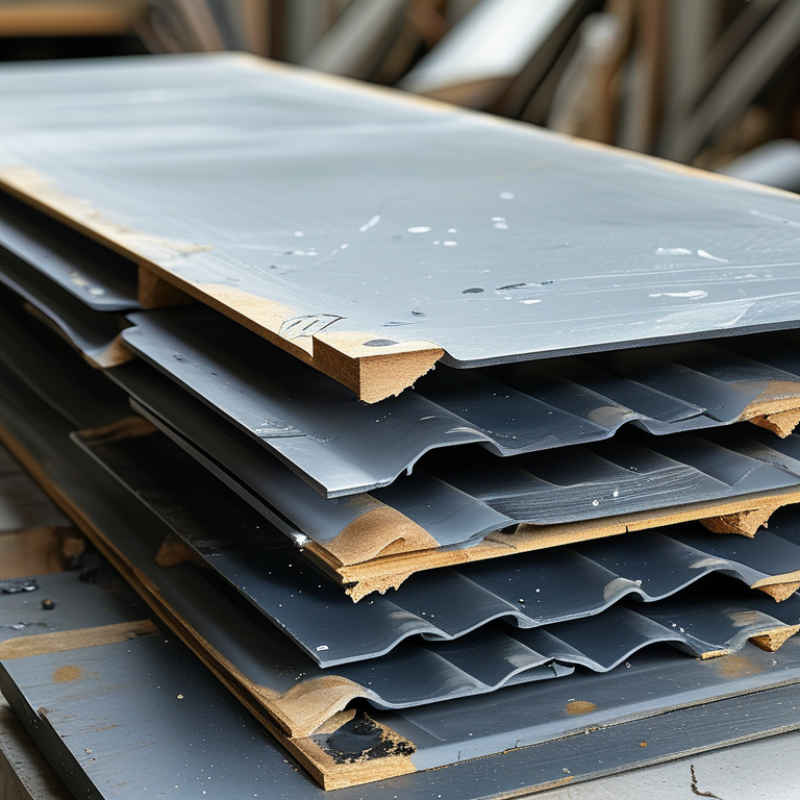
HDPE plastic sheets, known for their durability and versatility, are essential for various projects. These sheets are highly resistant to impact, moisture, and chemicals. This makes them ideal for applications in construction, packaging, and outdoor furniture. The lightweight nature of HDPE allows for easy handling, yet it maintains strength and longevity. It’s essential to consider thickness and density based on your needs.
When purchasing HDPE sheets, assessing the properties is crucial. The surface texture can vary, influencing aesthetic appeal and functionality. Smooth surfaces are easier to clean, while textured surfaces provide better grip. Keep in mind the UV resistance too; some HDPE sheets degrade faster under sunlight. This can limit their use for outdoor projects.
While HDPE is generally reliable, it has weaknesses. It can warp under high heat and lacks the flexibility found in some other plastics. This means that considering ambient conditions during installation is vital. Researching and evaluating these properties empowers you to make informed decisions when selecting HDPE sheets for your tasks. Understanding these factors can prevent costly errors down the line.
When selecting HDPE plastic sheets for your projects, consider the thickness required for your application. Thicker sheets are generally more durable and offer better resistance to impact. However, they can be heavier and more difficult to handle. Think about the specific operational demands your project entails. For some uses, a thinner sheet may suffice, providing flexibility and ease of installation.
Another crucial factor is the sheet's color and texture. HDPE is available in various colors and finishes. Some projects might require a specific aesthetic appeal, while others demand functional properties like UV resistance. Additionally, the texture can influence how the material interacts with other surfaces. Ensure you choose a texture that complements your project needs.
It’s also important to evaluate your supplier's expertise. A reliable source will provide detailed information about the material's specifications and performance. Don’t hesitate to ask questions about their production processes and quality control measures. Engaging in dialogue can reveal insights into their professionalism and the product quality. Consider this aspect as vital to ensure dependable material for your applications.
| Dimension (inches) | Thickness (mm) | Color Options | UV Resistance | Application Suitability |
|---|---|---|---|---|
| 48 x 96 | 3 | Black, White, Blue | High | Packaging, Construction |
| 60 x 120 | 5 | Natural, Green, Yellow | Moderate | Marine, Outdoor Use |
| 72 x 120 | 10 | White, Grey | Very High | Industrial, Agricultural |
| 48 x 48 | 2 | Black, Clear | Low | Crafts, Light-Duty Applications |
Choosing the right thickness and size for HDPE plastic sheets can significantly impact your project’s outcome. Common thickness options range from 1/8 inch to 1 inch, catering to various needs. For lightweight applications, a thinner sheet may suffice. Thicker sheets provide added durability and resistance to wear and tear.
When determining the size, consider your project’s specific requirements. Standard sheets come in sizes like 4x8 feet, but custom sizes are often available. If your project demands precision, custom measurements ensure a perfect fit. This can reduce waste and save time during installation.
Researching suppliers and evaluating their offerings can guide your decision. Look for manufacturers with a track record of quality. Don’t hesitate to ask for samples to assess the material’s sturdiness and finish. Finding the right balance between cost and quality can be challenging yet essential. Sometimes, paying a little more leads to better performance and longevity in your projects.
When selecting suppliers for HDPE plastic sheets, consider their expertise and reputation. Reliable manufacturers provide detailed specifications. Look for those who offer a wide range of thicknesses and colors. Understanding your project's requirements is essential. It can help you choose the right sheet. Be wary of suppliers that lack transparency in their materials. Quality should always come first.
In the realm of HDPE providers, experience counts. A supplier with a long history in the industry likely understands client needs better. Research potential suppliers in your area. Check for customer reviews online to gauge their reliability. Low prices can be tempting, but they may indicate inferior quality. It’s better to invest in a reputable source.
Testing samples before committing to large orders is wise. It allows you to assess the material's durability and flexibility. Don't shy away from asking questions. Legitimate suppliers are open to discussions and eager to provide information. A clear line of communication can lead to a better purchasing experience. Seeking out knowledgeable partners is crucial for project success.
When handling HDPE plastic sheets, proper care is essential to maintain their integrity. Always store the sheets flat and away from direct sunlight. This prevents warping and ensures a longer lifespan for your material. Use protective covers if you plan to keep them outside.
Cutting HDPE requires specific tools. A fine-toothed saw is optimal for clean cuts. When preparing to cut, measure twice and mark your lines accurately. This reduces waste and mistakes. Always wear safety gear to protect your eyes and hands.
During installation, ensure that the surface is clean and dry. Adhesives work best on flat and smooth surfaces. Apply pressure evenly when adhering the sheets to ensure a strong bond. Be mindful of temperature variations as HDPE can expand or contract with heat. After installation, inspect the joints frequently to check for any signs of wear or misalignment.
: Common thickness ranges from 1/8 inch to 1 inch. Thinner sheets suit lightweight tasks, while thicker sheets last longer.
Consider your project needs. Standard sizes like 4x8 feet are common, but custom sizes ensure a precise fit.
Quality matters. Look for manufacturers known for durability. Request samples to check sturdiness and finish before purchase.
Store sheets flat and out of sunlight. This prevents warping. Use protective covers if they're kept outdoors.
A fine-toothed saw provides clean cuts. Measure and mark carefully. Always wear safety gear to protect yourself.
Ensure the surface is clean and dry. Adhesives need smooth surfaces. Apply pressure evenly for a strong bond.
Check joint alignments regularly. Look for signs of wear. Temperature changes can cause the sheets to expand or contract.
Improper storage can lead to warping. Poor cutting can result in waste. Inaccurate measurements can cause fitting issues.
Cheaper options may compromise performance. Sometimes, investing more yields better longevity and satisfaction. Reflect on your choices.
When it comes to selecting HDPE plastic sheets for your projects, it’s essential to understand their properties and benefits, including durability, chemical resistance, and versatility. Key factors to consider include the thickness and size required for your specific application, as HDPE plastic sheets come in various options to suit different needs.
Proper handling and installation techniques are also crucial to ensure optimal performance and longevity of the HDPE plastic sheet. By researching recommended suppliers and manufacturers, you can find quality materials that meet your project specifications. Overall, making informed decisions about HDPE plastic sheets will significantly enhance the success of your projects.

Beyond