Advanced polymers engineered for extreme structural performance, high wear-resistance, and customized mechanical applications.
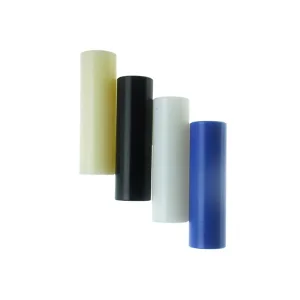
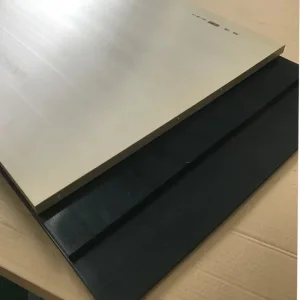
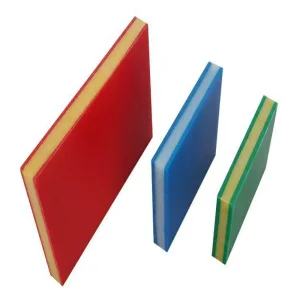
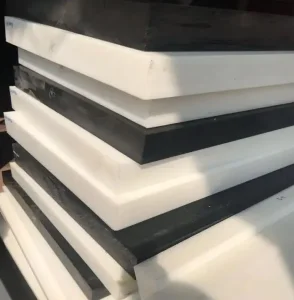
In heavy industrial operations, the stability of mobile cranes, concrete pumps, and aerial work platforms is completely dependent on ground support integrity. For decades, crane operators relied on improvised dunnage, hardwood blocks, and welded steel plates to distribute the enormous point loads exerted by hydraulic stabilizers. However, modern safety standards and risk management assessments have exposed structural flaws in these traditional materials. Under high loads, timber is highly susceptible to grain cracking, rot, internal decay, and dynamic moisture absorption, leading to catastrophic failure without warning. Steel plates, while strong, are exceptionally heavy, difficult to handle, susceptible to permanent deformation, and prone to rapid oxidation when exposed to harsh field conditions.
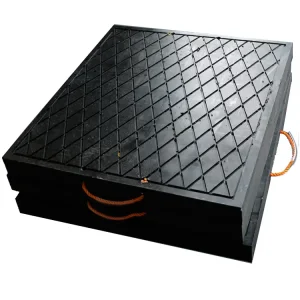
The emergence of Polyethylene (PE) Crane Outrigger Pads, particularly those engineered from Ultra-High-Molecular-Weight Polyethylene (UHMWPE / PE1000) and High-Density Polyethylene (HDPE / PE300), represents a major breakthrough in safety engineering. High-performance polymers offer a uniform, non-porous structure that distributes loads across a predictable area. This eliminates the risk of structural collapse and dramatically increases workplace safety. By replacing traditional wood or metal with engineered PE outrigger pads, operators get a lightweight, chemical-resistant, and virtually indestructible support system capable of withstanding millions of compression cycles.
Did You Know? The molecular weight of UHMWPE (PE1000) is approximately 4 to 6 million g/mol, which is ten times denser than standard high-density polyethylene. This unique molecular design results in a material that is highly resistant to micro-cracking and compressive deformation, even when exposed to temperatures below freezing.
To assist project managers and procurement officers in selecting materials, the table below highlights the performance differences between UHMWPE (PE1000), HDPE, Traditional Hardwood, and Structural Steel in heavy-duty outrigger applications.
| Mechanical & Physical Properties | UHMWPE (PE1000) | HDPE (PE300/500) | Traditional Hardwood | Structural Steel |
|---|---|---|---|---|
| Density (g/cm³) | 0.93 - 0.97 | 0.94 - 0.96 | 0.70 - 0.90 (highly variable) | 7.85 |
| Compressive Load Capacity | Exceptional (Up to 100+ Tons) | High (Up to 60 Tons) | Medium-Low (Prone to shearing) | Extremely High (Risk of bending) |
| Moisture Absorption Rate | < 0.01% (Zero absorption) | < 0.01% | 15% - 50% (Rot and swelling risk) | 0% (Corrosive oxidation risk) |
| Weight / Handling Safety | Very Light (1/8th of Steel weight) | Very Light | Moderate (Increases when wet) | Extremely Heavy (Requires rigging) |
| Lifespan & Reusability | Virtually Unlimited (Non-degradable) | Excellent (10+ years) | Short (1 - 3 seasons) | Moderate (Degrades from rust) |
| Chemical & UV Resistance | Outstanding (No UV breakdown) | High (Requires UV stabilizers) | Poor (Degrades under sun/chemicals) | Poor (Corrosion and rust) |
Regulatory bodies worldwide—such as OSHA in the United States, ASME B30.5 for mobile cranes, and European EN 12999 directives—increasingly mandate the use of verified ground support plates. Insurance underwriters now actively examine outrigger footing procedures during worksite risk evaluations. As a result, commercial fleets must replace unrated and makeshift wood blocking with certified, engineered polyethylene outrigger pads.
Determining the correct size of a crane outrigger pad requires calculating both the maximum outrigger load of the crane and the allowable bearing capacity of the soil. The formula to calculate the required outrigger pad surface area is:
Pad Area (A) = Maximum Outrigger Load (P) / Soil Bearing Capacity (S)
For example, if a mobile crane exerts a maximum load of 40,000 kg on a single outrigger jack, and the construction site has a soft clay soil with a bearing capacity of 1.5 kg/cm², the minimum required area of the outrigger pad is 26,666 cm² (or roughly a 1.6m x 1.6m pad). Engineered UHMWPE pads can be CNC-machined to precise dimensions and thicknesses (typically ranging from 30mm to 150mm) to guarantee that they distribute the load without bending or failing.
Complies with global crane safety standards, providing predictable load paths and structural integrity that wood and steel cannot guarantee.
Engineered with zero water absorption properties. These pads will not rust, rot, or increase in weight due to fluid retention in wet work environments.
Blended with premium additives that protect against degradation from sunlight. This ensures long-term outdoor performance in desert or tropical regions.
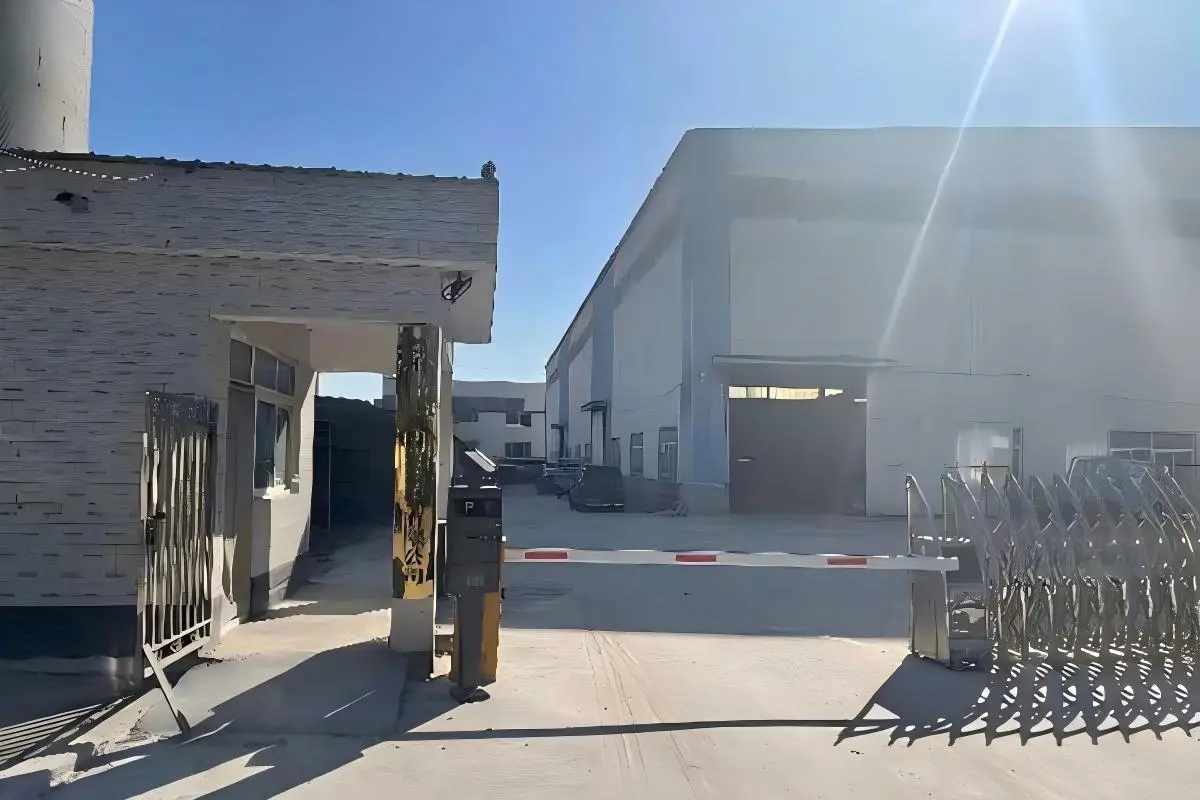
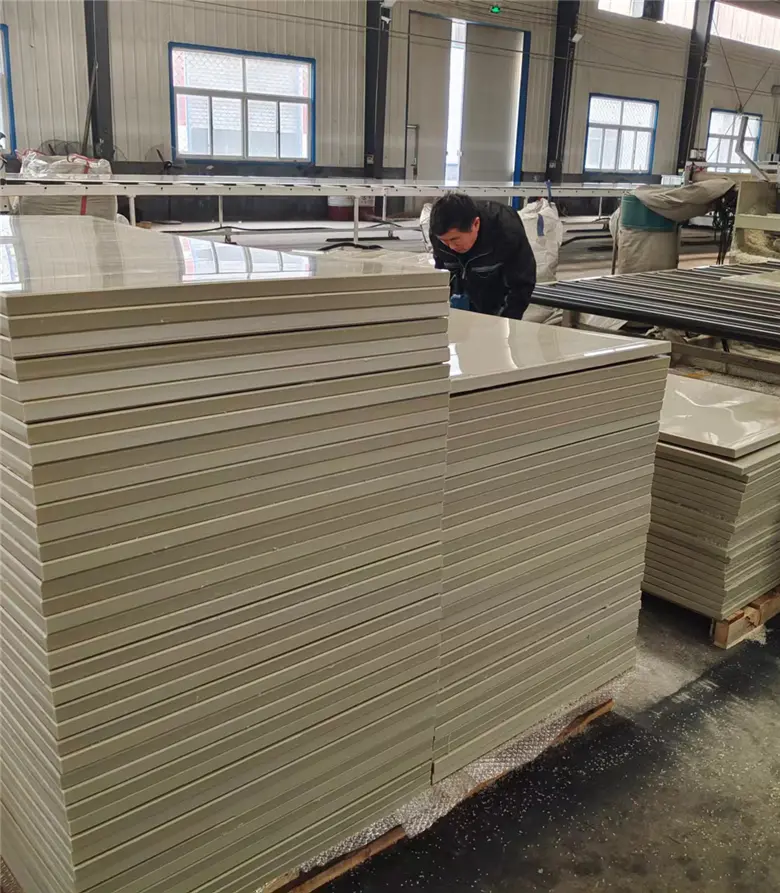
At the heart of the global industrial plastic supply chain is Tianjin Beyond Technology Development Co., Ltd. Established in 2015, we operate a 50,000-square-meter state-of-the-art facility designed for high-capacity industrial production and custom CNC machining. Our integration of compression molding workshops, extrusion workshops, and large-scale gantry CNC milling systems allows us to maintain strict quality control from raw materials to finished products.
By leveraging raw materials from world-class suppliers like TICONA, LG, and Sinopec, we ensure that every batch of UHMWPE and HDPE meets international standards. Our Factory 4.0 processes ensure consistent material density, flat surfaces, and high dimensional stability, allowing us to supply large volumes of custom crane outrigger pads to clients around the globe.
Our production capabilities include advanced gantry CNC lathes, gantry CNC milling machines, and large-scale CNC engraving systems. This technical infrastructure allows us to mill integrated hand-grips, custom safety grooves, anti-slip surface texturing, and recessed slots to securely receive outrigger feet. Whether you need single-piece custom outrigger pads for high-capacity crawlers or thousands of standard pads for commercial rental fleets, Tianjin Beyond delivers high-quality engineering plastics on time.
Different environments and terrain conditions present unique ground challenges. PE Outrigger Pads are designed and customized to perform across a variety of industrial sectors:
Wind energy projects are often located in remote, soft-soiled areas. Large-format UHMWPE pads distribute heavy loads from massive turbine installations, protecting ground stability on unpaved surfaces.
For municipal construction on asphalt, concrete, and brick sidewalks, outrigger pads must prevent pavement crushing. Our PE pads distribute point loads, avoiding costly post-project surface repairs.
In highly corrosive coastal environments, steel and wood degrade rapidly. Our engineering polymers are completely unaffected by saltwater, grease, oil, and aggressive industrial chemicals.
Providing structural reliability through strict quality control and partnerships with global chemical leaders.
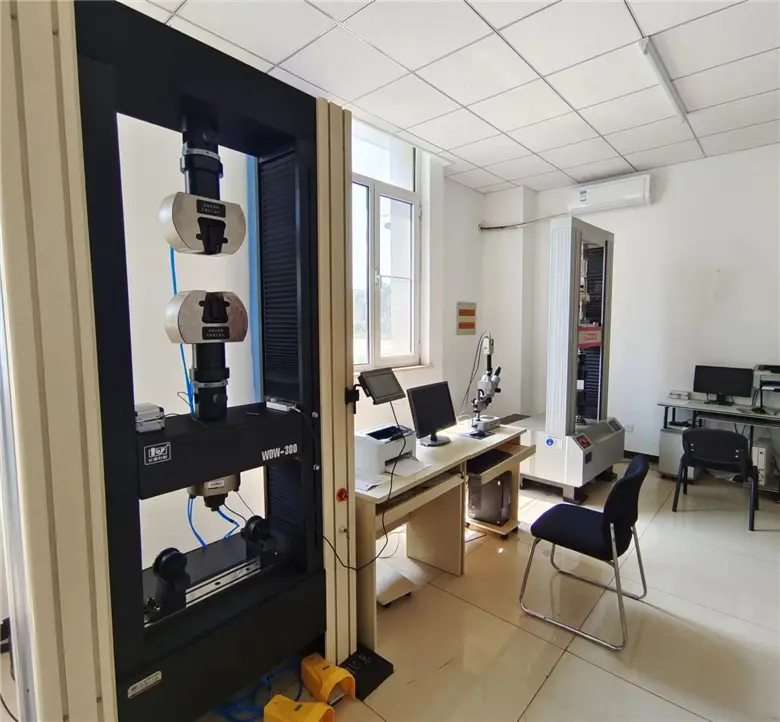
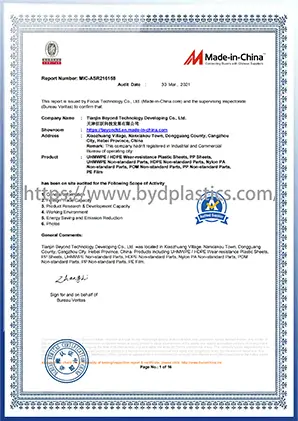
Tianjin Beyond conforms to international quality management guidelines. Our outrigger pads undergo load-distribution testing, deformation trials, and environmental stress cracking evaluations (ESCR) to ensure site-ready performance.
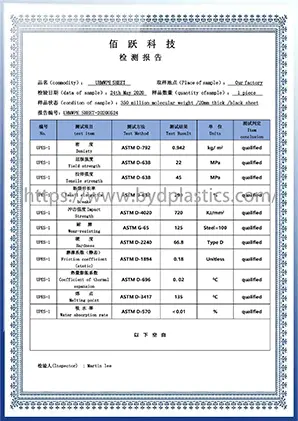
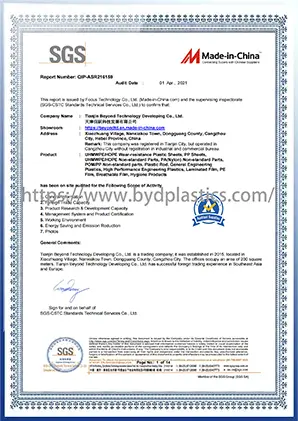
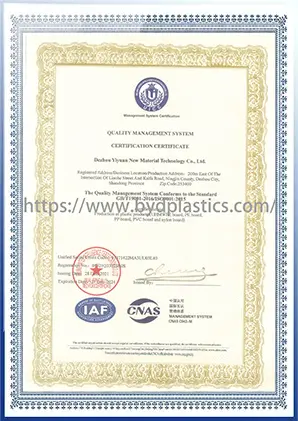
Key information regarding calculation methods, material selection, usage lifespans, and customization options for PE outrigger pads.
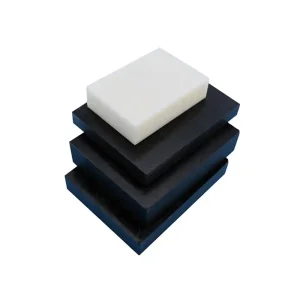
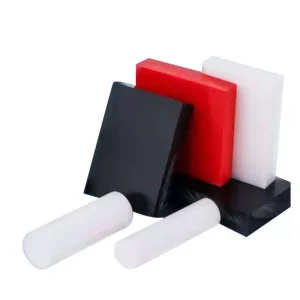
Explore our full range of custom HDPE, UHMWPE, POM, Nylon, and PVC industrial materials.

 Beyond