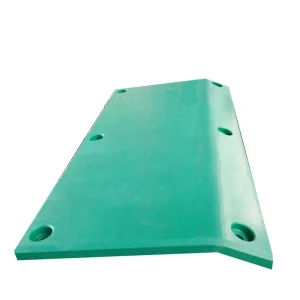
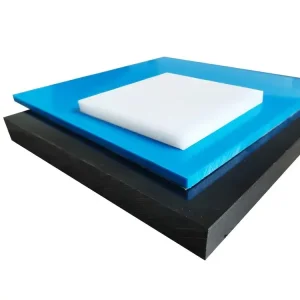
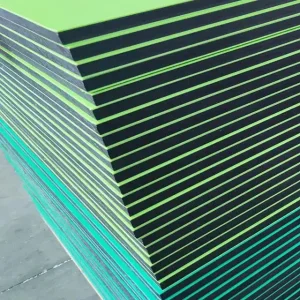
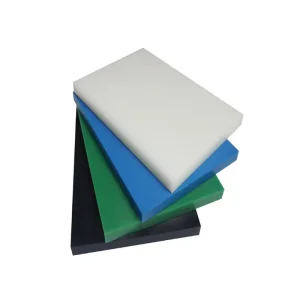
Explore our state-of-the-art PE500, UHMWPE, HDPE, and engineering plastic products designed for high mechanical load, low friction, and exceptional wear resistance.
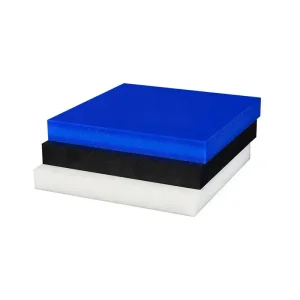
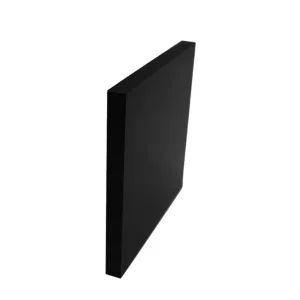
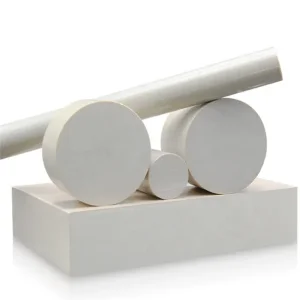
Within the global arena of polymer engineering, High-Molecular-Weight Polyethylene (PE500 / HWMPE) holds a critical strategic position. Offering molecular weights ranging between 500,000 to 1,000,000 g/mol, PE500 occupies the highly coveted performance sweet spot nestled between standard High-Density Polyethylene (HDPE / PE300) and Ultra-High-Molecular-Weight Polyethylene (UHMWPE / PE1000).
Industrial applications around the world face significant friction loss, mechanical abrasion, and aggressive chemical attacks. Traditionally, replacing heavy steel components with engineering plastics came with trade-offs. Standard HDPE lacked the necessary impact resistance and slip properties, while UHMWPE presented difficulties in thermal forming and precision welding. PE500 rods provide an engineering resolution to this dilemma.
By delivering high tensile strength, excellent mechanical rigidity, low coefficients of friction, and superior low-temperature performance, PE500 semi-finished rods function as key building blocks for modern bulk material handling, food-processing processing machinery, chemical piping assemblies, and marine infrastructure applications. This material helps reduce systemic energy consumption in industrial systems by minimizing sliding friction resistance while significantly extending the operational lifespan of component surfaces.
As international supply chains optimize for efficiency and sustainability, the demand for high-performance thermoplastic rods has surged across North America, Europe, and the APAC region. PE500 rods are globally recognized for meeting strict European (EU 10/2011) and American (FDA) food safety standards, driving their widespread adoption in automation lines, conveyor systems, and commercial kitchens.
The global manufacturing footprint is increasingly relying on advanced Chinese production facilities that combine cost-efficiency with raw material integrity. In the past, industrial end-users faced quality consistency challenges in recycled or low-grade PE rods. Today, leading manufacturers like Tianjin Beyond Technology Development Co., Ltd. have bridged this gap by utilizing high-grade virgin polymer resins sourced from global chemical leaders, including TICONA, LG, and Sinopec.
This integration of premium raw materials with high-throughput extrusion lines allows China to supply international markets with PE500 rods that offer isotropic mechanical properties, minimal residual stress, and uniform molecular density. As a result, global engineering distributors can confidently source reliable components designed to perform under demanding industrial conditions.
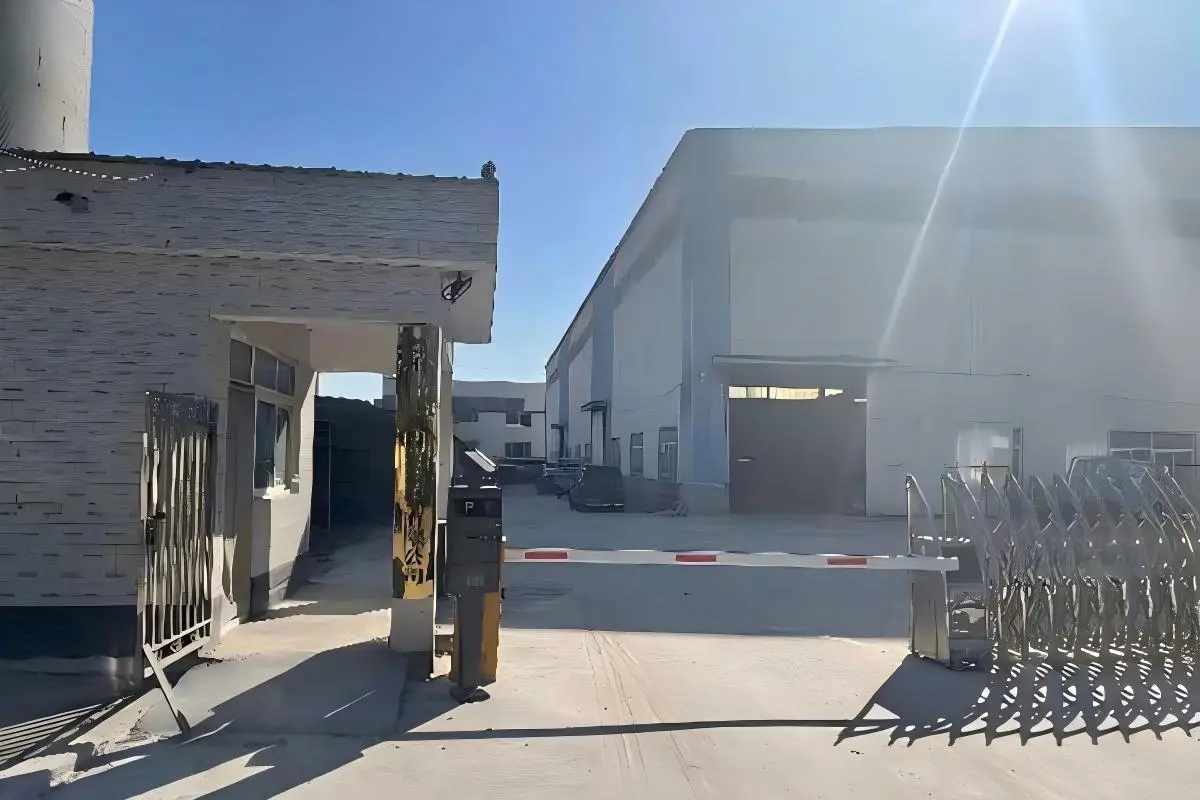
As an industry leader based in China, we leverage a comprehensive 50,000 m² facility integrating material research, polymer extrusion, compression molding, and precision multi-axis CNC machining.
Our production plant features advanced international machinery, including specialized multi-line extrusion networks, heavy compression molding presses, high-precision gantry CNC lathes, and large-scale engraving systems. Since 2015, we have optimized our workflow to serve as a reliable one-stop supplier for custom-engineered plastic semi-finished products and complex finished parts.
Choosing the correct polymer grade is essential for ensuring product durability and minimizing system downtime. The table below outlines the primary mechanical differences between standard HDPE (PE300), High-Molecular-Weight PE500, and Ultra-High-Molecular-Weight PE1000.
| Property / Characteristic | HDPE (PE300) | HWMPE (PE500) | UHMWPE (PE1000) |
|---|---|---|---|
| Molecular Weight (approx. g/mol) | ~200,000 – 300,000 | ~500,000 – 1,000,000 | > 4,000,000 – 9,000,000 |
| Density (g/cm³) | 0.95 - 0.96 | 0.95 - 0.96 | 0.93 - 0.94 |
| Abrasion/Wear Resistance | Moderate (Standard) | High (Improved resistance) | Outstanding (Self-lubricating) |
| Izod Impact Strength (kJ/m²) | 10 – 15 (Will break) | 25 – 45 (High break resistance) | No break (Exceptional toughness) |
| Machinability & CNC Milling | Excellent | Very Good (Clean cut edges) | Challenging (Requires sharp tooling) |
| Thermal Expansion (10⁻⁴ K⁻¹) | ~1.8 - 2.0 | ~1.5 - 1.8 | ~1.3 - 1.5 |
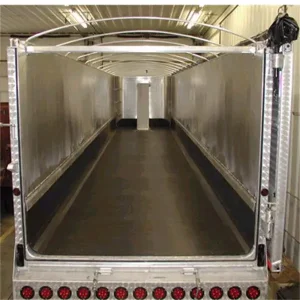
| Common Applications | Tanks, light ducting, tarpaulins | Cutting boards, guide rails, gears | Truck liners, marine fenders, crane pads |
As detailed in this comparative overview, PE500 (HWMPE) offers a valuable middle ground. It provides superior wear resistance and impact strength compared to HDPE (PE300) while maintaining ease of machining and cost advantages over UHMWPE (PE1000).
PE500 rods serve as versatile stock shapes for fabricating custom mechanical components. Key industrial applications include:
Due to its high physiological safety, PE500 is widely used to manufacture cutting blocks, scraper blades, and star wheels in bottling lines. It resists harsh sanitizing chemicals and retains low moisture absorption properties.
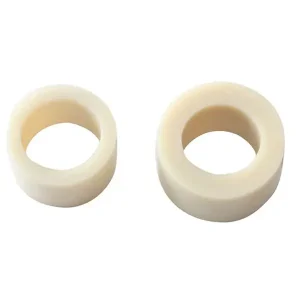
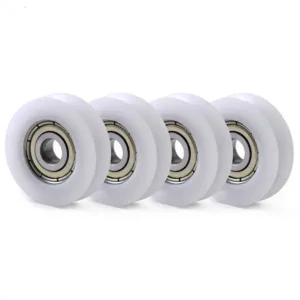
Machined PE500 rods serve as chain guides, wear strips, tensioners, bushings, and rollers. The material's self-lubricating characteristics help decrease mechanical friction and system noise levels.
PE500's chemical resistance makes it suitable for acid bath structural components, chemical distribution lines, valve bodies, and sealing gaskets exposed to alkaline environments.
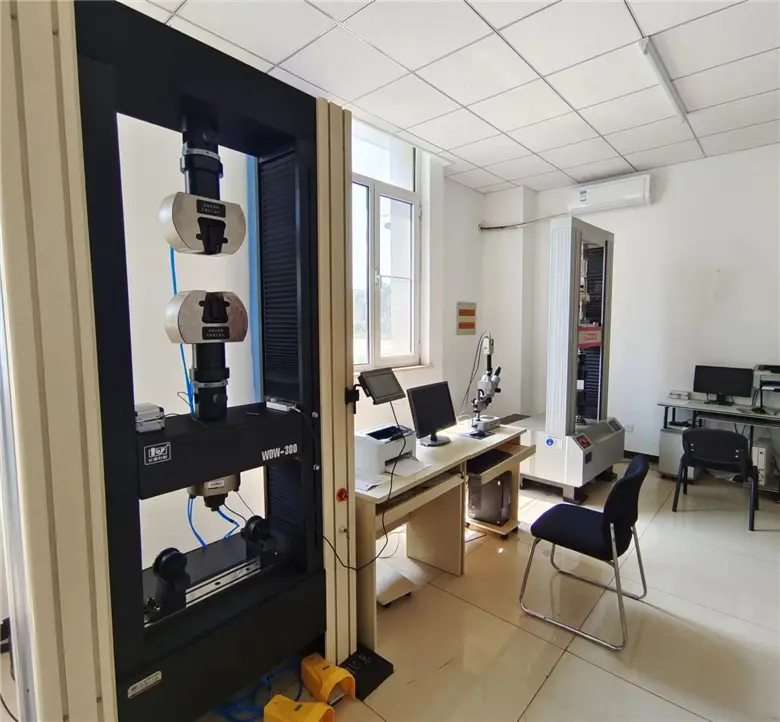
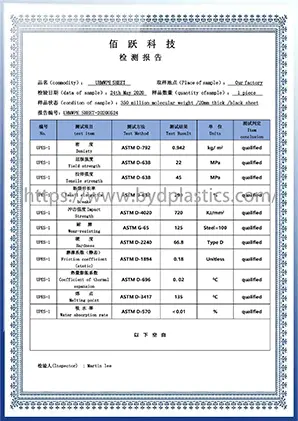
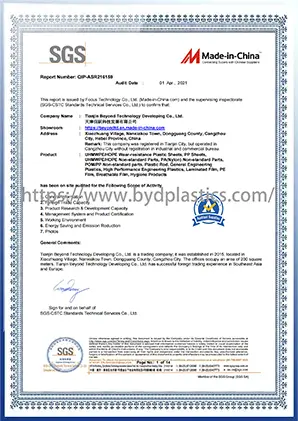
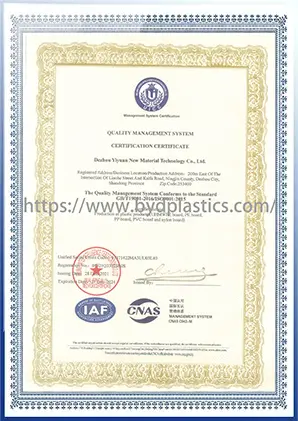
At Tianjin Beyond, we ensure that premium products start with high-quality raw materials. We source our polymers from trusted suppliers, including TICONA, LG, and Sinopec. Operating under an audited ISO 9001 quality system, our facility follows a rigorous, multi-stage testing protocol:
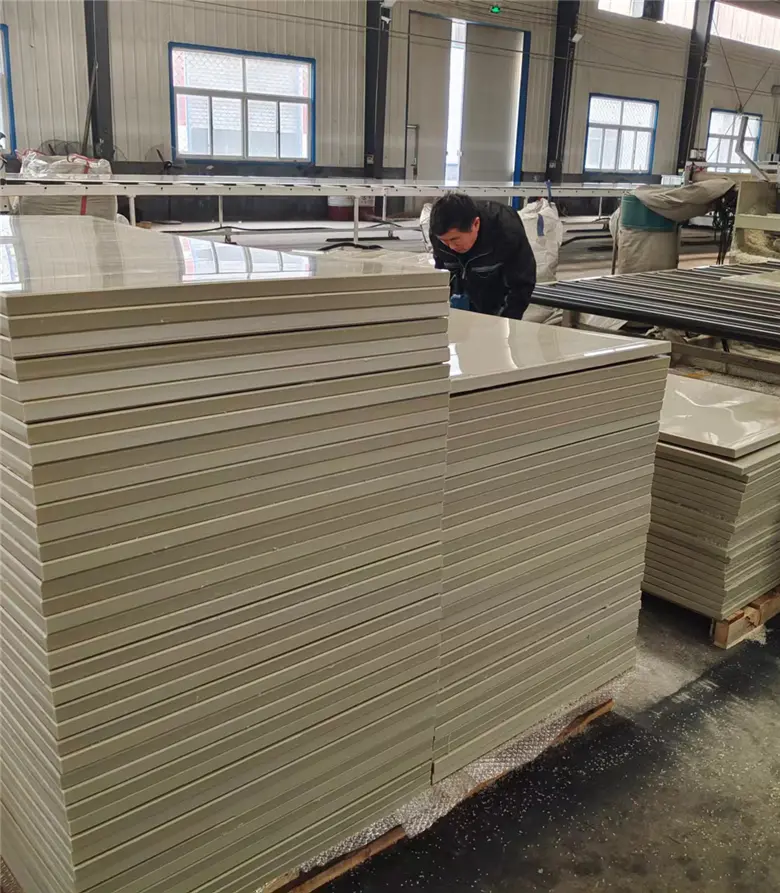
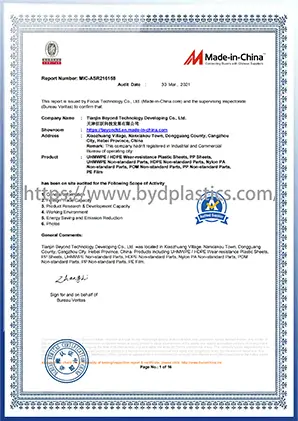
For engineering managers and procurement departments, chemical compliance is a critical requirement. We verify that all PE500 and UHMWPE rods supplied by Tianjin Beyond comply with international regulations, including REACH, RoHS, FDA food contact regulations, and EU Directive 10/2011.
We provide localized technical support to our overseas distribution partners, offering guidance on temperature thresholds, load-bearing capacities, and custom tolerances. Our engineering department works with design teams to select materials that match specific chemical environments and structural loads. This technical collaboration helps minimize trial-and-error costs and accelerates product development cycles.
The engineering plastics industry continues to evolve towards composite structures and sustainability. The technical roadmap for PE500 and UHMWPE rods focuses on two key developments:
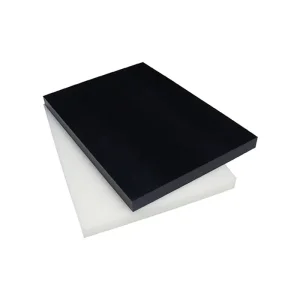
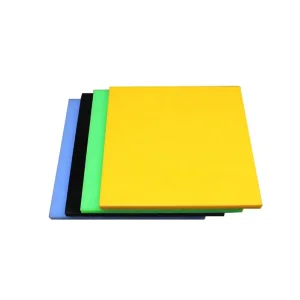
By blending PE500 with functional additives, manufacturers produce UV-resistant, flame-retardant (FR), anti-static (ESD), and self-lubricating grades. These specialty formulations help expand the material's application envelope to include explosion-proof and harsh outdoor environments.
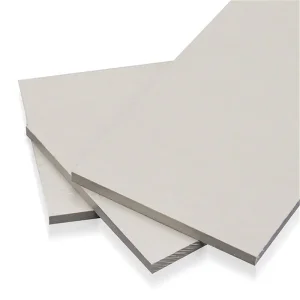
In response to global sustainability initiatives, modern manufacturing processes are incorporating high-grade, post-industrial recycled polymers. High-performance recycled UHMWPE and mixed HDPE/UHMWPE sheets allow businesses to meet carbon reduction goals without compromising core mechanical durability.
For applications requiring structural strength alongside low friction, designers are combining CNC-machined PE500 components with reinforcing metal substrates. This design approach leverages the mechanical rigidity of metals and the wear resistance of polymers.
Expert engineering answers to common technical queries regarding the sourcing, properties, and machining of PE500 rods.
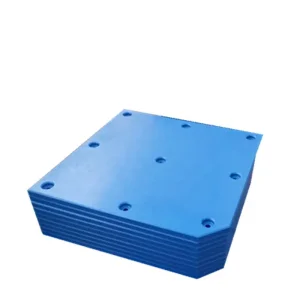
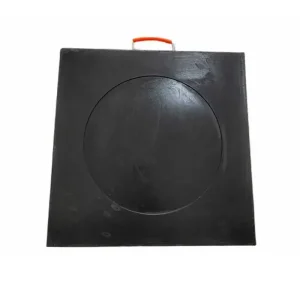
Explore our selection of heavy-duty crane outrigger pads, marine fender pads, UV-resistant HDPE sheets, and precision-machined PA6 and POM components.

 Beyond