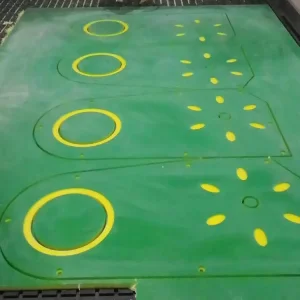
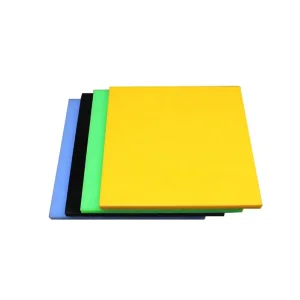
In modern gastronomy, B2B food service, and industrial food processing, the selection of the cutting surface is critical. It directly affects operational efficiency, food safety compliance, knife preservation, and life-cycle costs. Historically, wooden chopping boards have set the premium standard in high-end culinary and consumer retail due to their unique fiber density, aesthetic appeal, and natural antimicrobial properties. Today, the global OEM chopping board sector is undergoing a profound paradigm shift: traditional woodcraft is blending with advanced material science, precision CNC routing, and high-performance composite polymers like Ultra-High-Molecular-Weight Polyethylene (UHMWPE) and High-Density Polyethylene (HDPE).
According to international trade reports, the global market for industrial and commercial cutting surfaces is growing at a compound annual growth rate (CAGR) of over 5.8%. This expansion is driven by strict health department mandates (such as FDA and EU 10/2011 regulations) and a demand for durable, non-absorbent materials. Consequently, factories are transforming into engineering-led hubs. Companies like Tianjin Beyond Technology Development Co., Ltd. are bridging this gap, providing custom-machined engineering plastic surfaces alongside high-performance food prep components for markets worldwide.
Premium OEM wooden cutting boards use structural hardwoods like Maple, Walnut, Cherry, and Acacia. End-grain construction arranges wood fibers vertically, allowing knife blades to slide between them rather than cutting across them. This self-healing action maintains sharpness and preserves the surface.
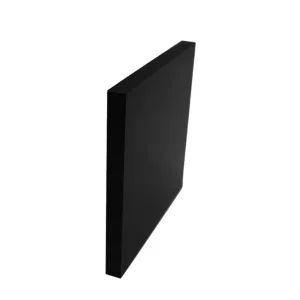
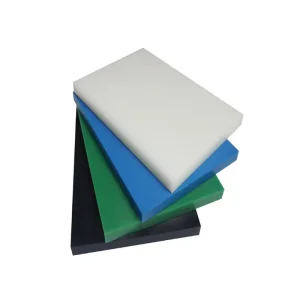
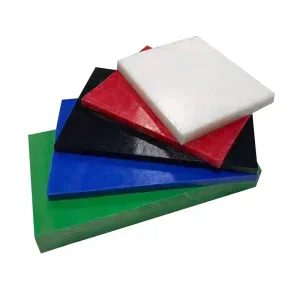
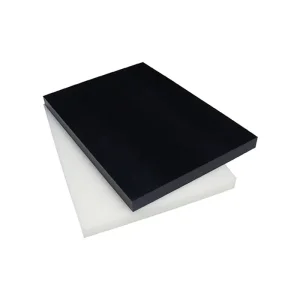
For high-volume industrial kitchens and processing lines, materials like UHMWPE (PE1000) and HDPE (PE300) provide unparalleled durability. Non-porous, highly chemical-resistant, and machine-washable, these materials eliminate the bacterial risk associated with moisture absorption.
Traditional wood uses capillary action and natural acids to trap and neutralize bacteria, while engineering plastics prevent absorption entirely. Together, they form a robust defense, allowing commercial operations to customize material layouts for specific prep zones.
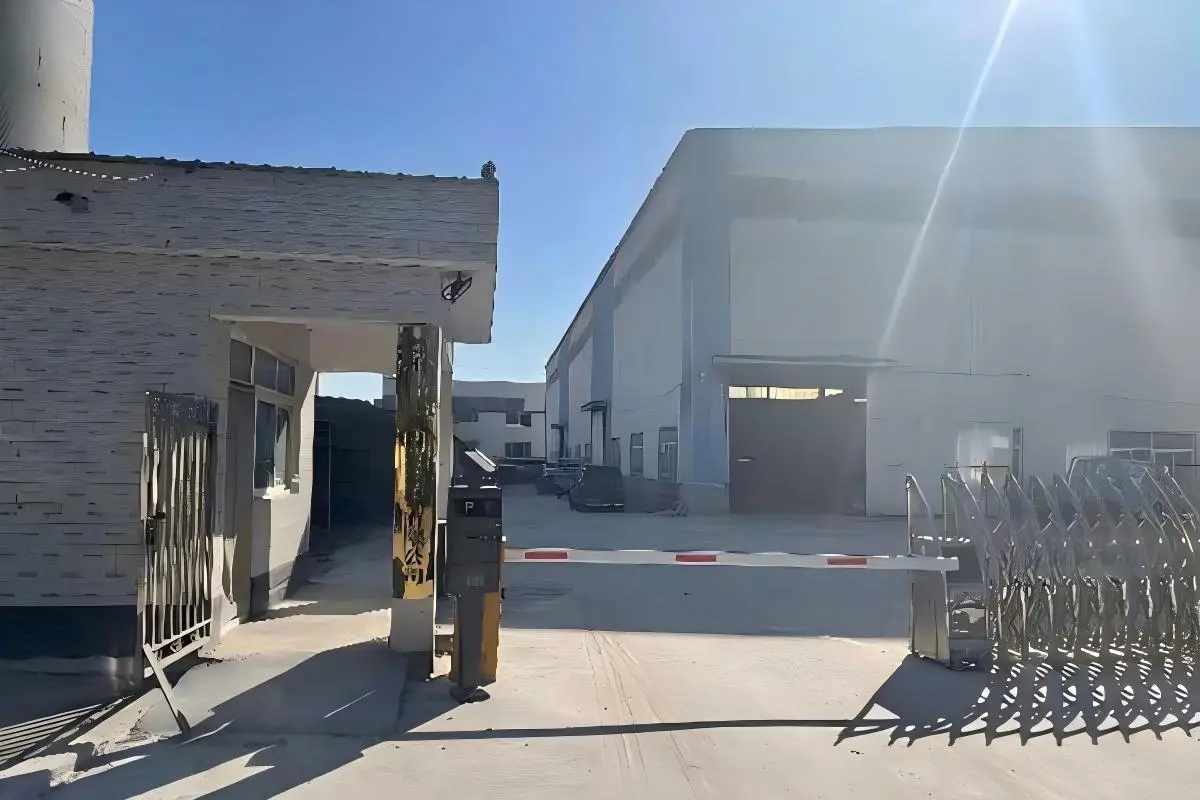
Established in 2015, Tianjin Beyond Technology Development Co., Ltd. is a comprehensive manufacturing leader specializing in engineering plastics and precision CNC machining. With over a decade of practical experience, we have developed deep capabilities in material processing, strict dimensional tolerances, and high-volume industrial production.
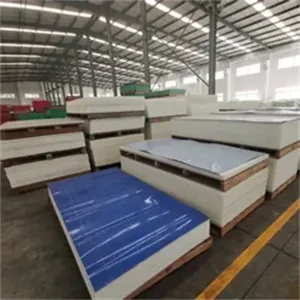
Our manufacturing base spans approximately 50,000 square meters. It integrates compression molding, polymer extrusion workshops, a dedicated CNC machining center, and R&D facilities. Equipped with advanced international machinery—including gantry CNC lathes, gantry CNC milling lines, and large-scale CNC engraving systems—we ensure consistent quality and provide flexible, application-oriented solutions for diverse B2B needs.
The OEM wooden and composite chopping board sector is moving rapidly toward automation, traceability, and environmental accountability. Modern factories are moving away from manually intensive processing and adopting digital manufacturing techniques.
Premium products require exceptional raw materials and finishing components. In partnership with trusted suppliers like Ya’an Times Biotech Co., Ltd. (located in Sichuan's bio-diverse alpine zones), we source high-quality, pure natural botanical oils—such as camellia, eucalyptus, turmeric, and pepper oils. These natural extracts are ideal for conditioning high-end wooden food-contact surfaces. They provide natural moisture resistance and preserve the board without using synthetic chemicals or artificial polymers.
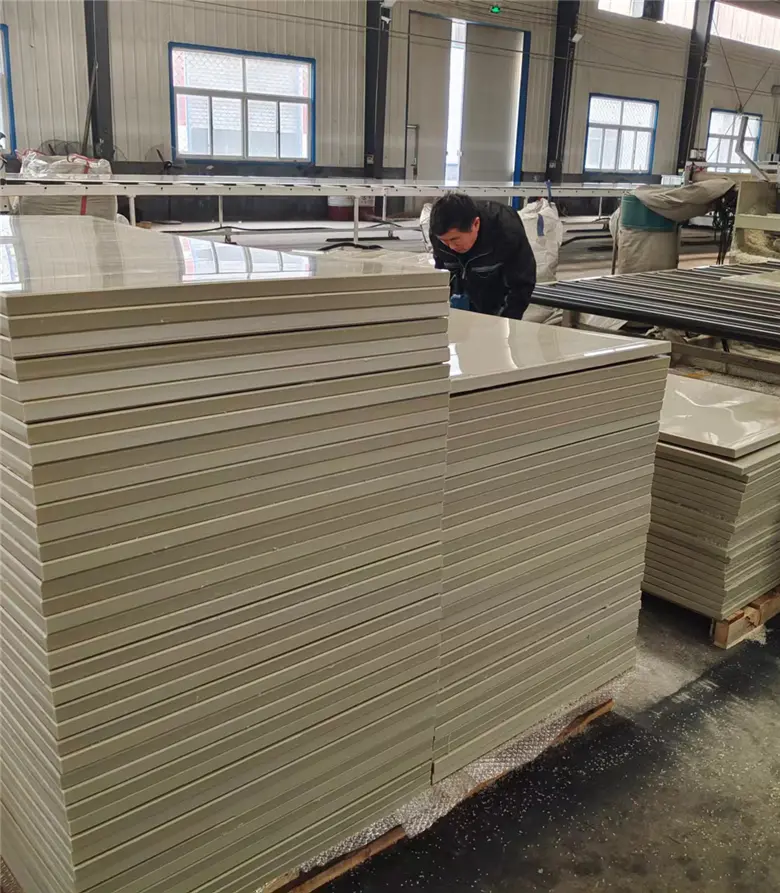
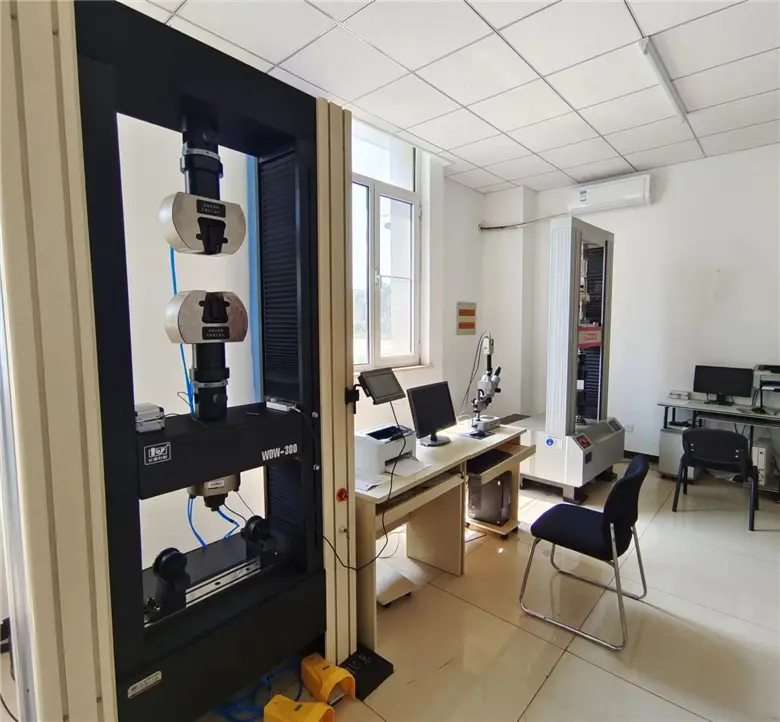
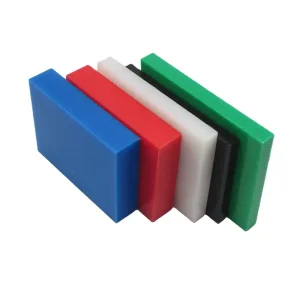
In US and Canadian commercial kitchens, color-coded food preparation systems are highly regulated. Large-scale hotels and restaurant chains require thick, heavy-duty HDPE cutting surfaces and premium end-grain maple blocks for front-of-house carving stations, meeting strict NSF hygiene guidelines.
Western European consumer markets place a high value on sustainability and design. Distributors look for FSC-certified wooden chopping boards that come with retail-ready packaging and are treated with eco-friendly botanical oils. These products are popular both as functional tools and aesthetic serving boards.
In automated poultry and meat packing plants, cutting boards are subjected to continuous impact and harsh chemical washes. Factories rely on large-format, high-wear UHMWPE boards, which resist deep scarring and withstand aggressive sanitation cycles.
We build trust by maintaining rigorous quality standards and obtaining international certifications. Our engineering plastics division and supply partners hold ISO9001, SGS, and BV certifications. These accreditations verify that our raw material selection, manufacturing processes, and final inspections align with strict international industry benchmarks.
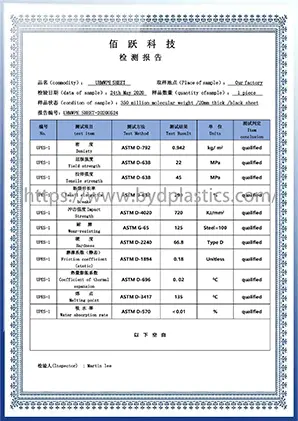
ISO 9001 Compliance Certificate
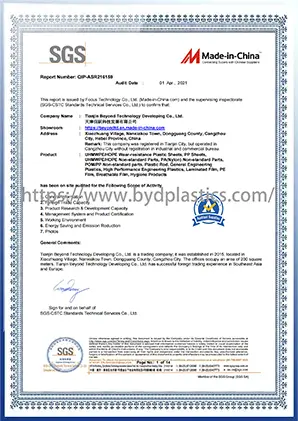
SGS Raw Material Compliance
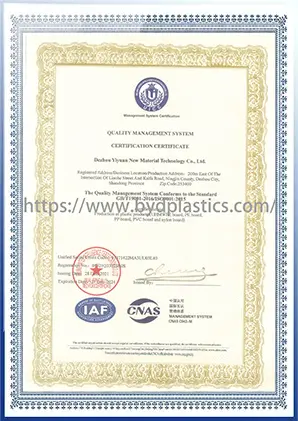
BV Audit Document
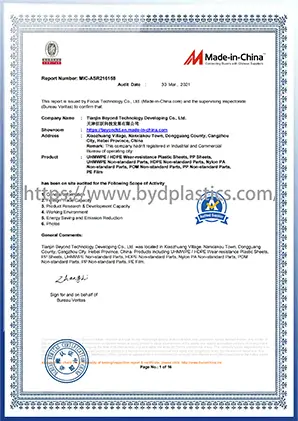
Factory Production Quality Seal
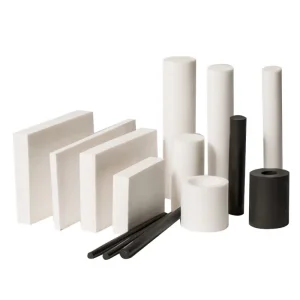
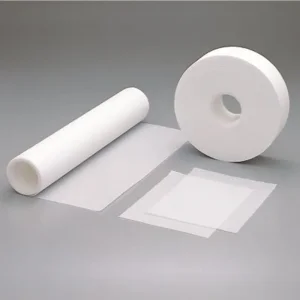
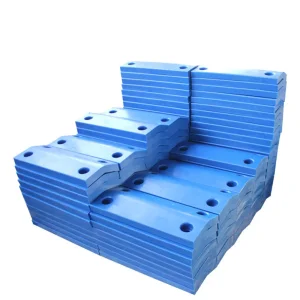
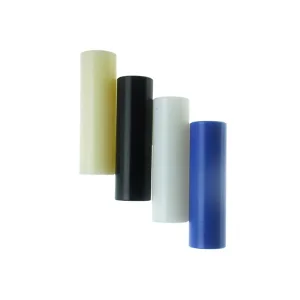
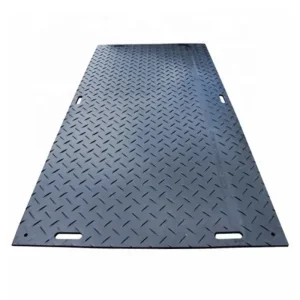
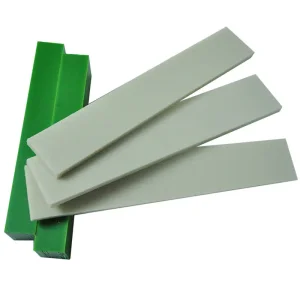
Our advanced engineering plastics line serves as the foundation for durable cutting boards, wear strips, and conveyor components. These materials provide high impact strength, self-lubrication, and zero water absorption.
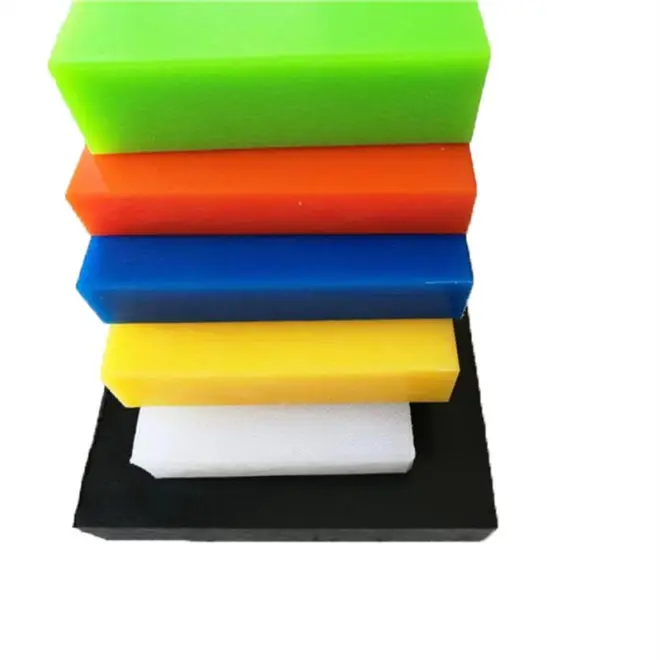
Our polymer sheets, including PE1000 and PE500 grades, offer excellent wear and impact resistance, making them ideal for challenging industrial environments. They are widely used in heavy-duty food production lines, hopper liners, guide rails, and wear pads.
In addition, our recycled UHMWPE options balance sustainability with performance, helping businesses reduce waste and carbon emissions without compromising on durability.
 Beyond