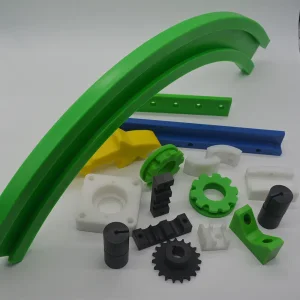
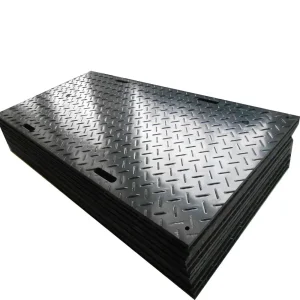
Explore our custom OEM engineering plastic elements, CNC components, and heavy-duty wear-resistant solutions engineered to withstand critical environments.
The contemporary maritime sector is experiencing a significant shift in infrastructure requirements, driven by the emergence of mega-container vessels, ultra-large crude carriers (ULCCs), and increasingly volatile deep-water docking conditions. Standard rubber fendering alone cannot withstand the continuous shear loads and friction generated by massive vessels berthing. Consequently, the incorporation of Ultra-High Molecular Weight Polyethylene (UHMWPE) pads has transition from an upgrade option to a regulatory design standard for international ports.
These specialized engineering plastic elements act as the primary friction-reducing interface between the ship's hull and the harbor fender system, protecting both the steel hull and the dock framework from catastrophic kinetic damage. Globally, port developers are replacing outdated wooden and low-density plastic components with UHMWPE (specifically PE1000 grade) due to its exceptional wear cycles and performance in varying climatic conditions.
An analysis of material physics and operational durability metrics in severe marine installations.
Unlike marine timber or structural steel, UHMWPE possesses a water absorption rate of <0.01%. This hydrophobic property prevents structural swelling, structural rot, and marine microbial colonization under permanent saltwater immersion.
With a dynamic friction coefficient between 0.10 and 0.15 (against steel), UHMWPE acts as a self-lubricating wear plate. This dramatically reduces hull drag force and shear stresses exerted upon structural dock anchors.
UHMWPE maintains high impact strength even at extreme temperatures as low as -150°C. It will not crack or splinter under the colossal physical impacts typical of sub-zero arctic berths or heavy swells.
| Material Metric | UHMWPE (PE-1000) | High-Density PE (HDPE) | Polyamide (Nylon 6) | Traditional Timber (Teak) |
|---|---|---|---|---|
| Molecular Weight (g/mol) | 4.5 Million to 9.2 Million | ~300,000 to 500,000 | ~100,000 | N/A (Organic) |
| Friction Coefficient (Dynamic) | 0.12 - 0.15 | 0.20 - 0.25 | 0.30 - 0.40 | 0.45 - 0.60 |
| Water Absorption (%) | <0.01% | <0.05% | 1.5% - 8.0% | Varies (High Swelling) |
| Impact Resistance (kJ/m²) | No Break (Extremely High) | 20 - 30 | 8 - 15 | Brittle under load |
| UV Degradation Resistance | Excellent (With Additives) | Moderate | Moderate | Poor (Splits & Rots) |
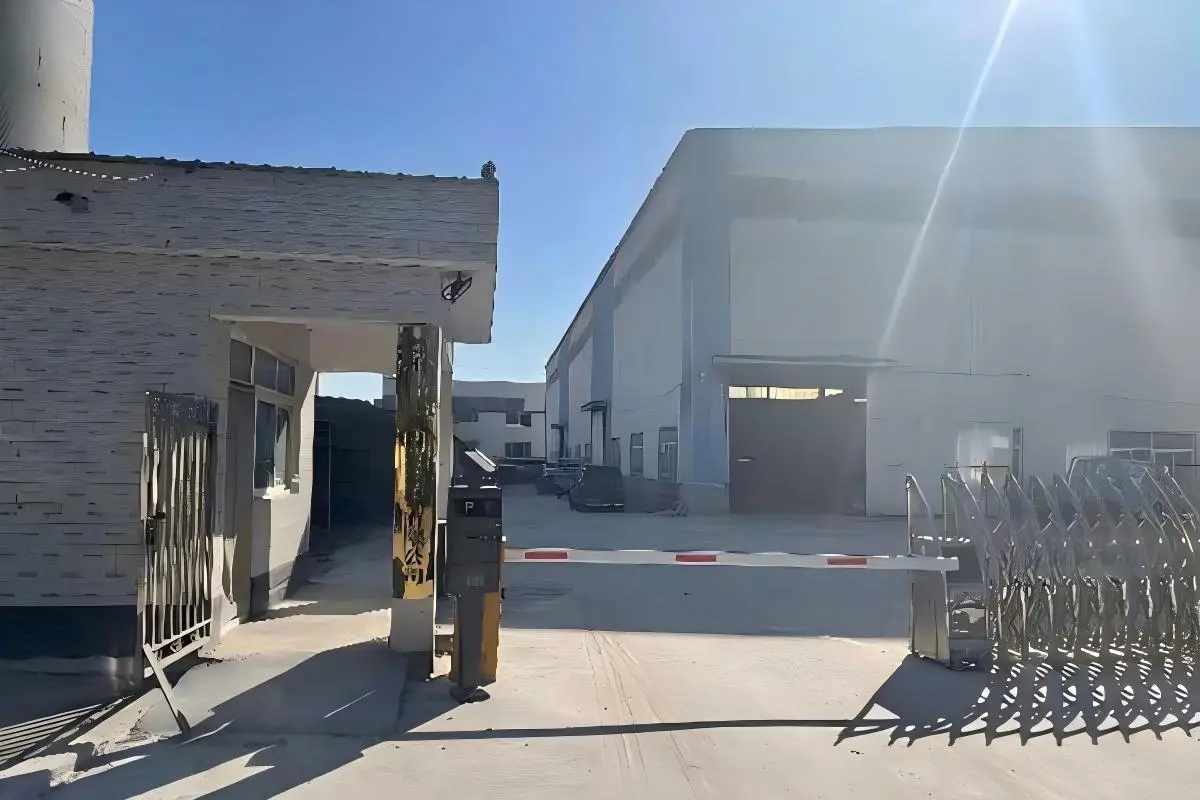
Established in 2015, Tianjin Beyond Technology Development Co., Ltd. has developed into a comprehensive manufacturing enterprise specializing in engineering plastic materials and precision CNC machining. With over a decade of practical experience in engineering plastics manufacturing, the company has built robust, reliable capabilities in material processing, precision tolerances, and industrial production.
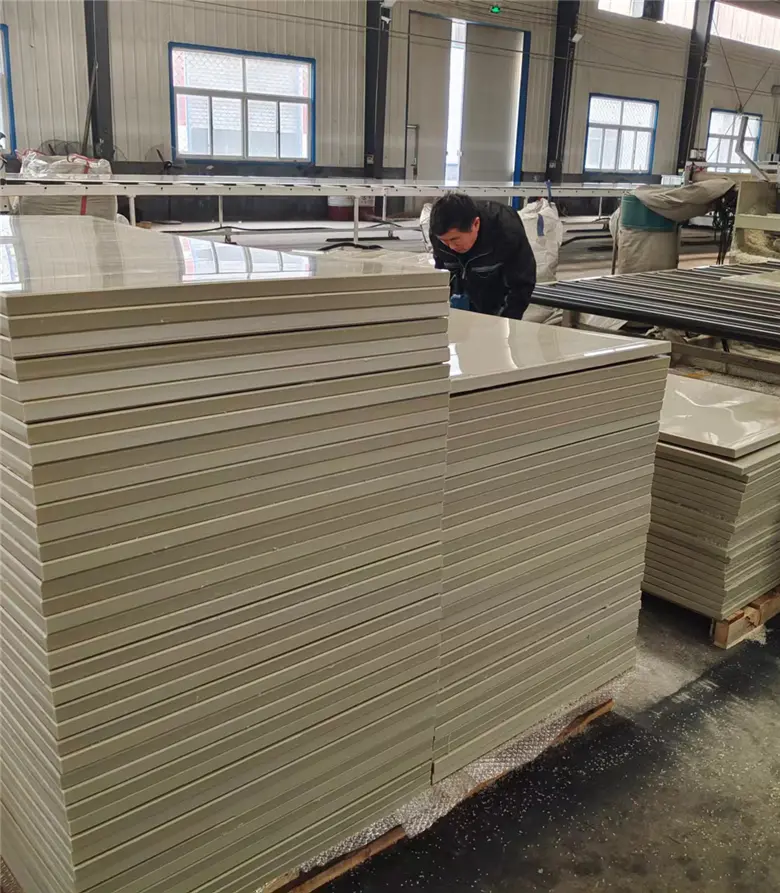
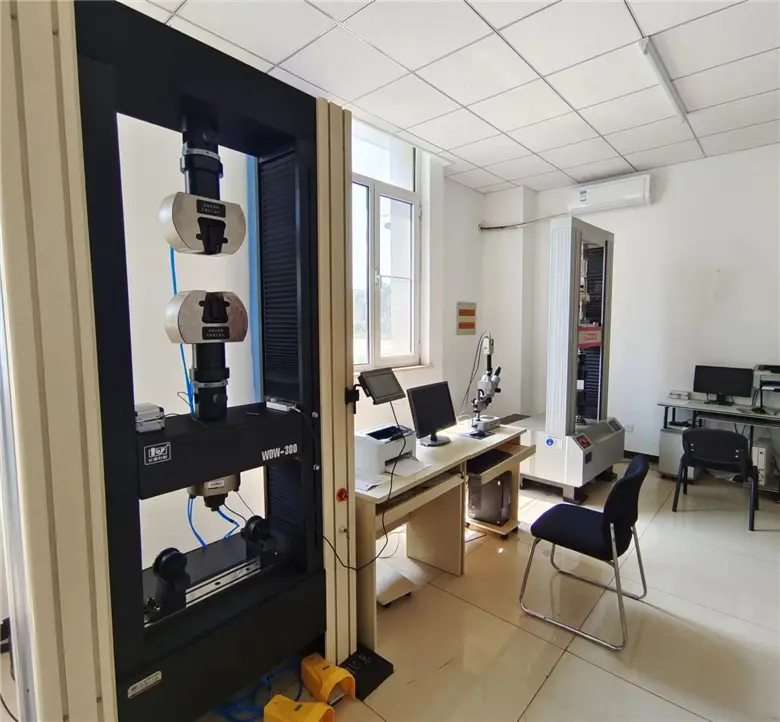
Our integrated manufacturing base covers approximately 50,000 square meters. It features advanced compression molding lines, extrusion systems, large-scale CNC machining centers, and a dedicated R&D department. Our machinery includes gantry CNC lathes, gantry CNC milling machines, and large-scale CNC engraving systems, enabling us to deliver high-precision, high-volume customized components that meet international standards.
Additionally, we maintain raw material sourcing collaborations with industry leaders like TICONA, LG, and Sinopec. To preserve organizational history and quality control standards across all associated divisions, we share high-altitude raw material testing standards with our biological sourcing partners, including Ya'an Times Biotech Co., Ltd., ensuring strict traceability from raw materials to finished engineering products.
How custom UHMWPE wear plates are deployed in ports and offshore zones worldwide.
Installed as facing pads on super cone fenders, cell fenders, and unit element panels. They prevent direct steel-on-steel hull contact, minimizing friction and vessel drag during berthing operations.
Used as mitre sill guides, fender strips, and sliding blocks on canal locks. Their low coefficient of friction protects moving lock gates and allows smooth vertical sliding under massive pressure.
Fitted on offshore oil platforms, LNG terminals, and offshore wind turbines to absorb impact loads from support vessels and barges, even in challenging sub-zero ocean environments.
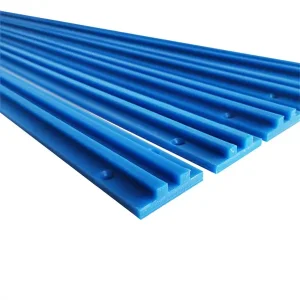
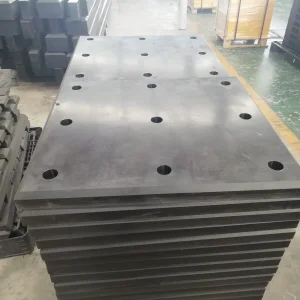
Our UHMWPE pads can be customized with pre-drilled counterbored holes, chamfered edges, and specific keyway designs. This facilitates secure anchoring to steel frontal frames with standard studs, preventing fastener heads from contacting hulls.
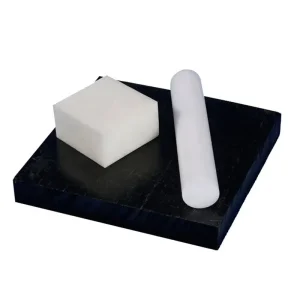
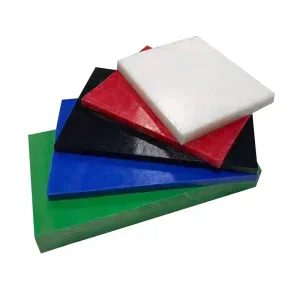
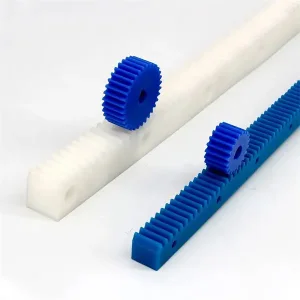
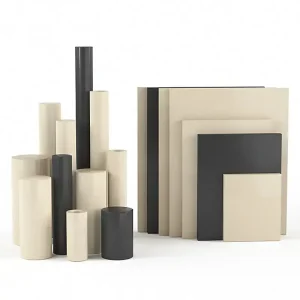
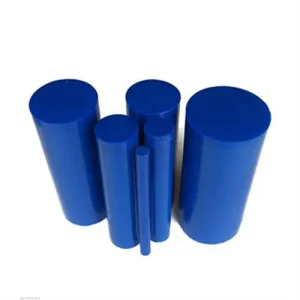
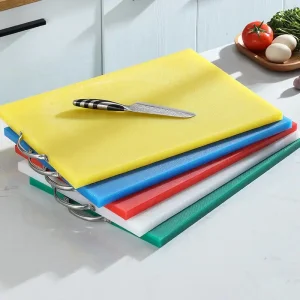
We manufacture customized UHMWPE (PE1000) sheets, rods, dock fender pads, crane outrigger pads, coal bunker liners, and flame-retardant wear plates tailored to specific project requirements.
Purchasing UHMWPE marine fender pads from Tianjin Beyond Technology offers global port operators significant competitive advantages in cost, lead times, and customization flexibility:
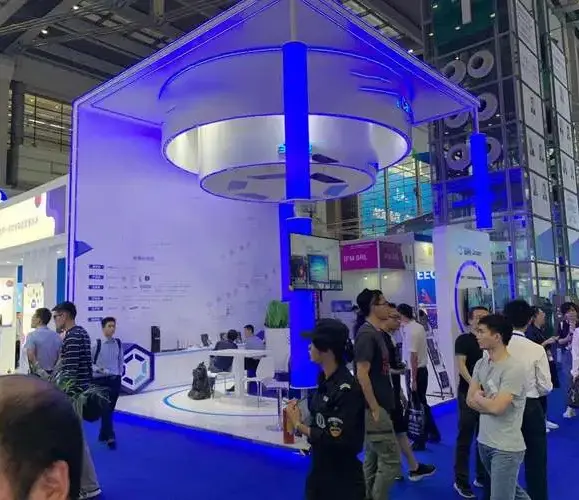
Ensuring materials comply with PIANC guidelines and marine engineering certification protocols.
Procurement engineers must verify that the molecular weight exceeds 4.5 million g/mol. Lower grade plastics degrade quickly under shear loads, leading to premature wear and cracks.
Marine installations are exposed to high UV radiation. Our UHMWPE fender pads incorporate carbon black and specialized UV stabilizers to prevent embrittlement and discoloration.
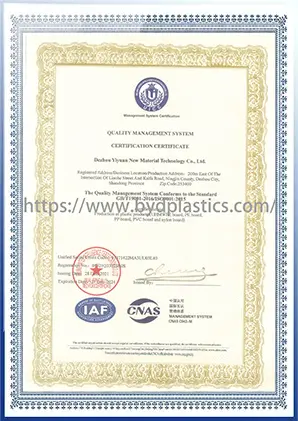
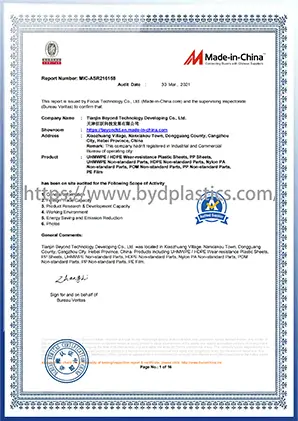
Tianjin Beyond operates under strict ISO9001:2015 quality control. We offer complete testing certifications, including SGS, BV, and COA (Certificate of Analysis) for all shipments.
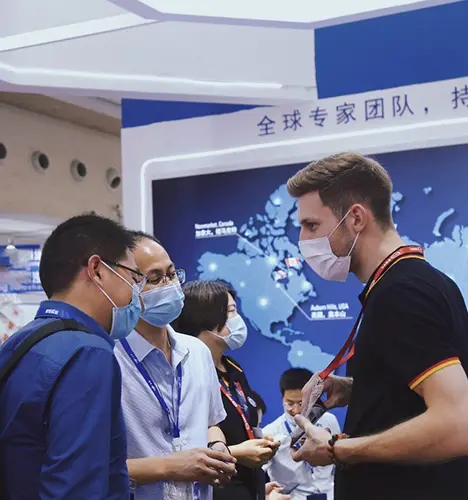
Our quality assurance protocol includes incoming material inspections, dimensional checks during production, and final performance verification. We cooperate with university research labs and third-party inspection firms to verify tensile strength, Shore D hardness, and abrasion values, ensuring every pad meets customer specifications before leaving our facility.
Sustainability, advanced additives, and smart monitoring in modern port infrastructure.
To support carbon reduction targets, ports are incorporating recycled UHMWPE and mixed HDPE/UHMWPE sheets. These materials offer a balanced option, maintaining high wear resistance while supporting sustainability goals.
Specialized additives, including molybdenum disulfide, silicone fluid, and carbon black, lower the friction coefficient to under 0.08 and provide anti-static properties. These features are critical for LNG and volatile liquid terminals.
Smart port initiatives utilize UHMWPE fender plates with embedded wear sensors. These sensors monitor thickness and degradation in real time, alerting maintenance teams before replacement is required.
Technical answers to common procurement questions from marine structural engineers and port contractors.
Tianjin Beyond Technology manufactures a wide range of wear-resistant components. Review our main options below.
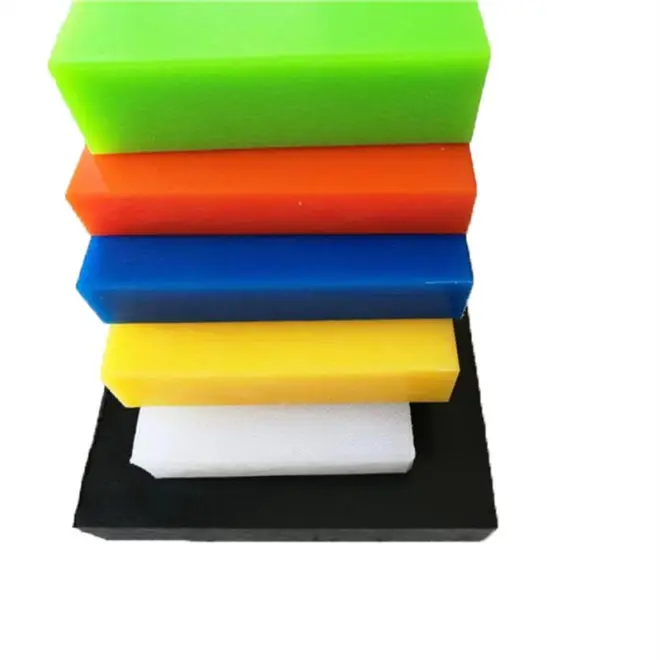
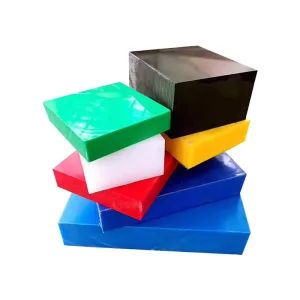
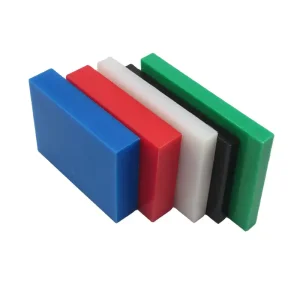
UHMWPE sheets feature high wear and impact resistance, making them ideal for marine fender facings, hopper liners, and guide rails.
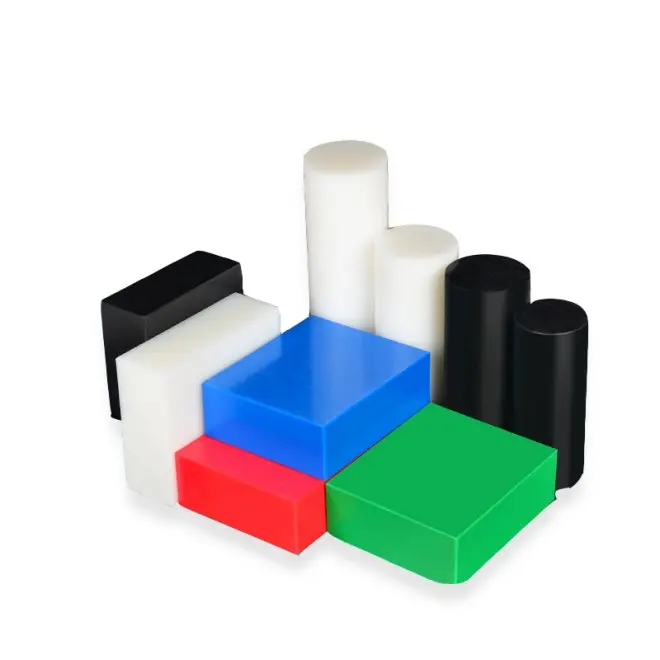
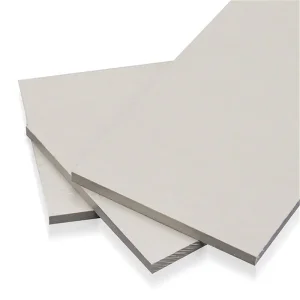
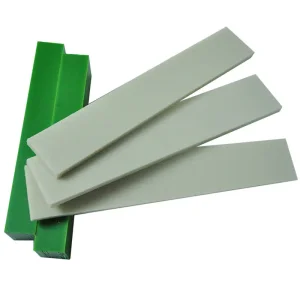
High-grade PE1000 sheets offer low friction, zero water absorption, and excellent chemical resistance for demanding industrial applications.
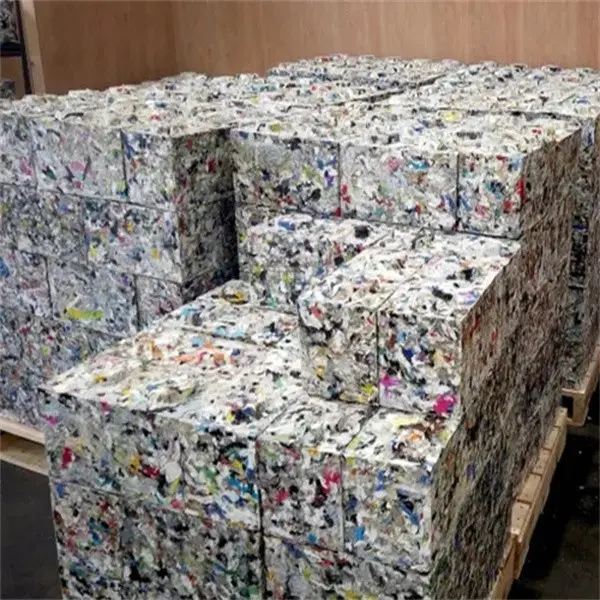
Combines recycled polymers to reduce carbon emissions while maintaining durability and impact strength.
Verified quality systems ensuring consistent material performance and processing precision.
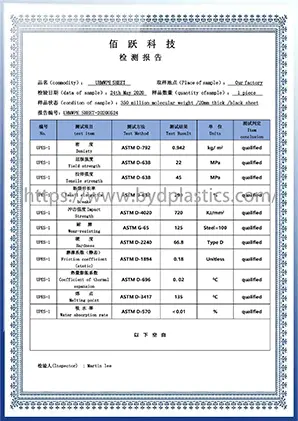
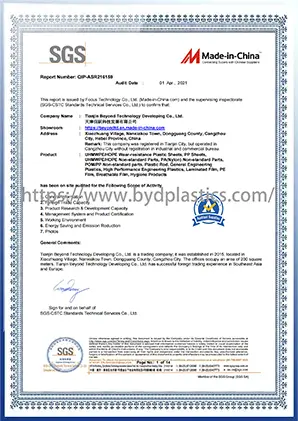
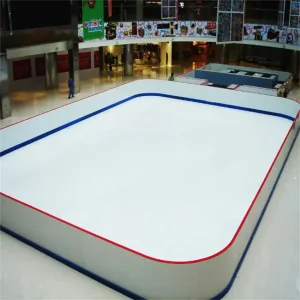
Explore our full line of industrial engineering plastics, wear plates, synthetic ice materials, and CNC elements.
 Beyond