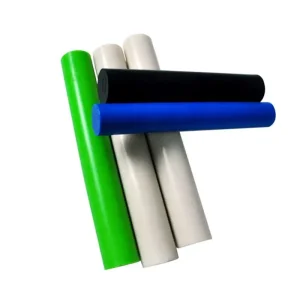
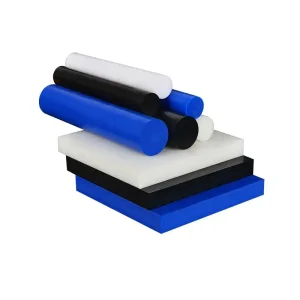
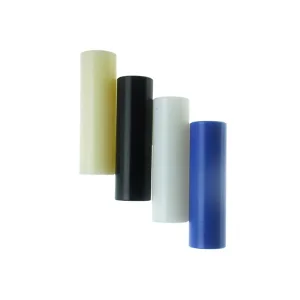
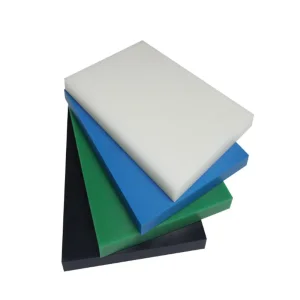
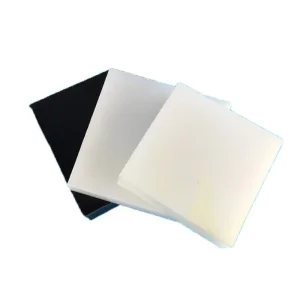
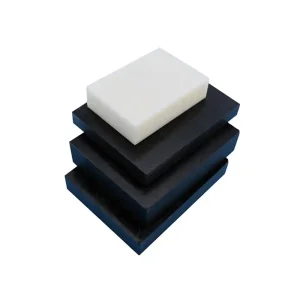
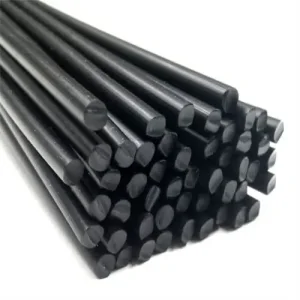
Direct from Factory: High Performance Extruded & Cast Nylon, HDPE, UHMWPE, and Specialized Thermoplastics
An Industry Whitepaper on Nylon (PA6/PA66/MC) Wear Parts Optimization and Supply Chain Strategies
In modern mechanical engineering and heavy-duty manufacturing, management of friction, wear, and structural degradation is crucial to maintaining operational efficiency and reducing downtime. Historically, brass, bronze, cast iron, and hardened steel alloys were the default materials selected for wear liners, slide blocks, gears, and bushings. However, the introduction of advanced cast and extruded Polyamides (commonly referred to as Nylon or PA) has initiated a paradigm shift in industrial Tribology.
Nylon wear parts possess a unique combination of mechanical, thermal, and chemical characteristics. Their key performance driver is their self-lubricating property, which significantly reduces the coefficient of dynamic friction under high load profiles. This molecular behavior not only preserves the longevity of the nylon component itself but also prevents wear on mating metal surfaces (like steel tracks, pulleys, and shafts). Additionally, Nylon's high vibration-damping capability and shock resistance shield heavy rotating and sliding equipment from structural stress, making it a critical asset in industries such as mining, material handling, port machinery, and automated assembly systems.
Understanding the structural differences between Cast Monomer Nylon (MC Nylon) and extruded PA6 or PA66 is critical for engineering procurement. MC Nylon is manufactured through a pressureless anionic polymerization process, allowing the polymer chains to crystallize to a much higher degree (typically 50-60%) compared to extruded variants. This results in superior tensile strength, modulus of elasticity, wear resistance, and dimensional stability.
Conversely, extruded PA6 and PA66 are processed via high-heat extrusion, which yields a more flexible polymer chain. This is ideal for high-volume, thin-walled profiles, smaller diameter rods, and precise injection-molded components.
| Property Matrix | Cast MC Nylon (PA6C) | Extruded Nylon 6 (PA6) | Nylon 66 (PA66) | UHMWPE (Reference) |
|---|---|---|---|---|
| Density (g/cm³) | 1.15 | 1.13 | 1.14 | 0.94 - 0.96 |
| Tensile Strength at Yield (MPa) | 80 - 90 | 65 - 75 | 75 - 85 | 22 - 28 |
| Flexural Modulus (MPa) | 3,200 - 3,500 | 2,800 - 3,000 | 3,000 - 3,300 | 800 - 1,000 |
| Max Operating Temp (Long Term, °C) | 105 | 90 | 100 | 80 |
| Coefficient of Friction (Dry sliding) | 0.15 - 0.35 | 0.30 - 0.40 | 0.25 - 0.38 | 0.10 - 0.20 |
| Moisture Absorption (Sat. 23°C, %) | 6.0 - 7.0 | 8.5 - 9.5 | 8.0 - 8.5 | < 0.01 |
Delivering high-precision CNC machined engineering plastics to global distributors and OEMs since 2015
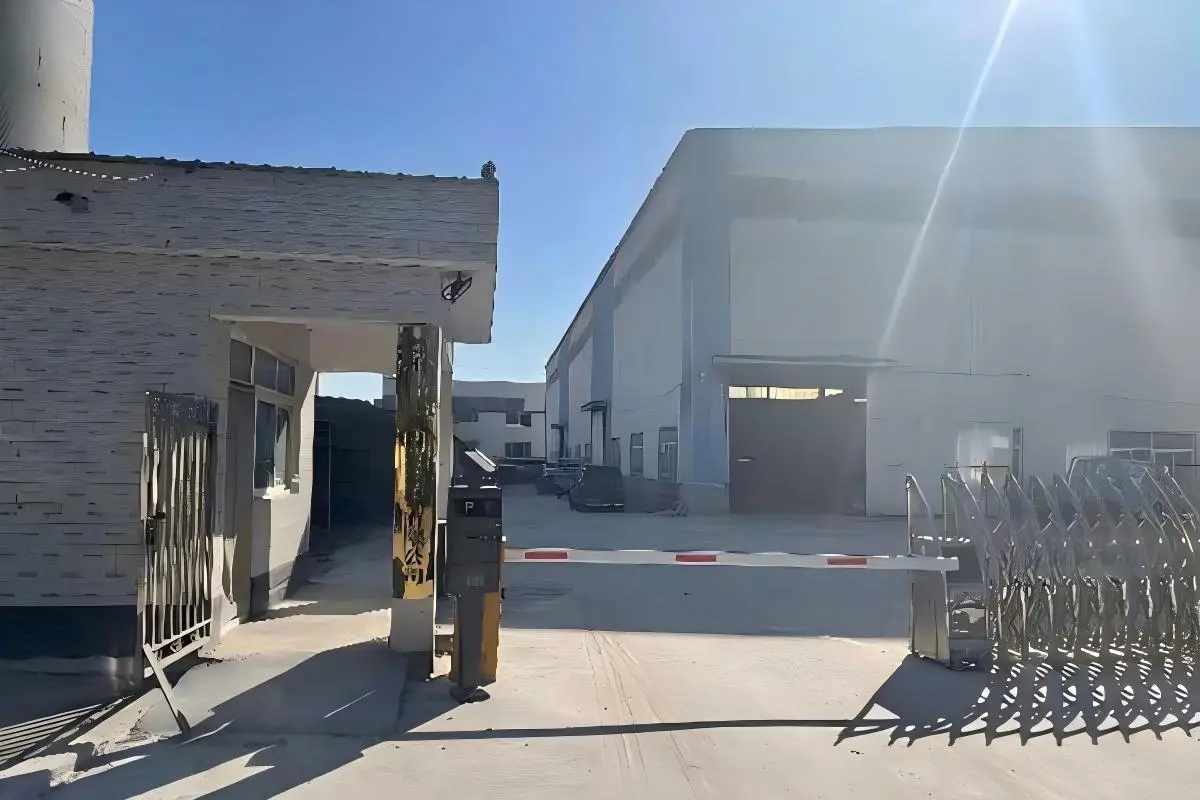
In today's highly volatile macroeconomic landscape, global procurement managers must look beyond unit price to assess supply chain resilience, engineering capacity, and lead-time stability. As a leading high-precision CNC machining and engineering plastics manufacturing base in China, Tianjin Beyond Technology Development Co., Ltd. exemplifies the integration of Factory 4.0 principles with lean manufacturing.
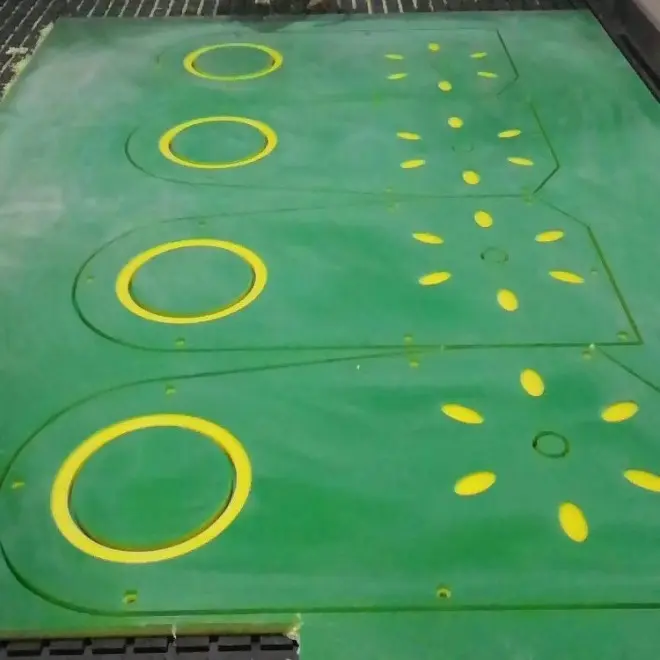
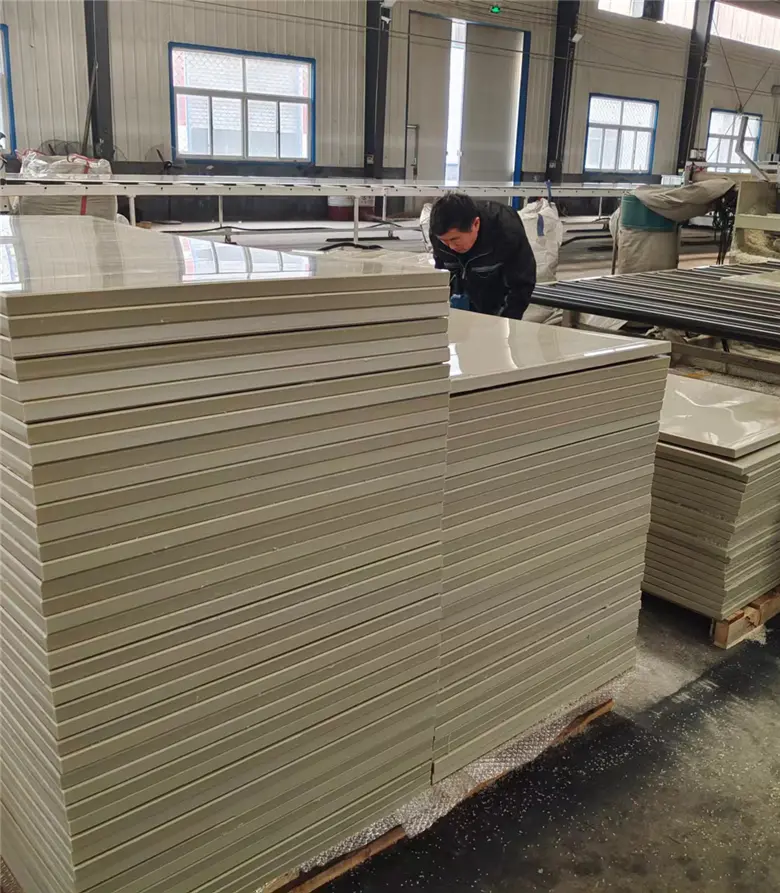
Operating across an expansive 50,000 square meter state-of-the-art facility, our production line seamlessly covers the entire lifecycle of industrial plastics—from monomer extrusion and heavy-duty compression molding to multi-axis CNC gantry milling, engraving, and quality testing. Our manufacturing core features high-capacity compression molding and extrusion lines alongside advanced CNC lathes and engraving systems. This configuration ensures consistent material structure, prevents internal stress voids in the plastic, and achieves tight machining tolerances (down to ±0.02 mm) across high-volume production runs.
Furthermore, Tianjin Beyond has established deep material-level partnerships with global chemical leaders, including TICONA, LG, and Sinopec. This integration provides a consistent supply of premium, non-recycled polymer resins, enabling us to deliver certified properties and traceability for critical industrial projects.
To meet specialized performance requirements in challenging operational environments, standard unfilled Nylon 6 can be enhanced at the molecular level using composite fillers and oil-impregnation techniques:
Ideal for high-speed sliding applications where external lubrication is impossible. The embedded lubricant reduces the friction coefficient to 0.12, dramatically lowering heat generation and extending bearing life.
This formulation increases load-bearing capacity and surface hardness while maintaining impact strength. The MoS2 crystals act as microscopic lubricating particles, improving crystallization and wear resistance.
Engineered for high mechanical loads and high-temperature environments. Glass-fiber modification boosts tensile strength up to 170 MPa and significantly reduces the coefficient of thermal expansion, preventing dimensional drift.
How customized Nylon and engineering plastics optimize operations across global sectors
In heavy excavators, dump bodies, and crane booms, high structural loads lead to steel-on-steel wear. Replacing metal wear strips with oil-filled cast nylon blocks eliminates dynamic scoring, reduces weight, and eliminates the need for manual greasing cycles.
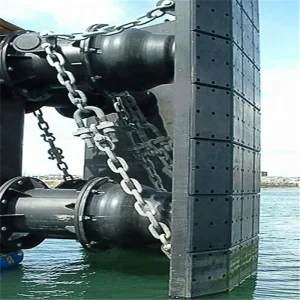
Marine fender facing pads and dock bumpers require materials that withstand saltwater exposure, severe impacts, and UV degradation. Tianjin Beyond manufactures UHMWPE (PE1000) and MC Nylon wear plates that protect ship hulls and dock structures, ensuring safe docking operations globally.
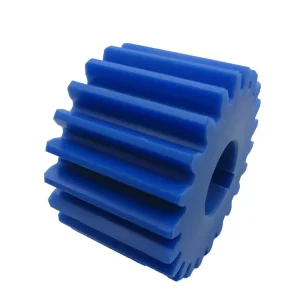
Quiet, high-speed automated packaging systems rely on star wheels, timing screws, wear guides, and gear racks. The low-noise signature, self-lubricating properties, and chemical resistance of nylon prevent line jams and food/cosmetic contamination.
Explore our complete manufacturing portfolio. All dimensions can be custom machined to order.
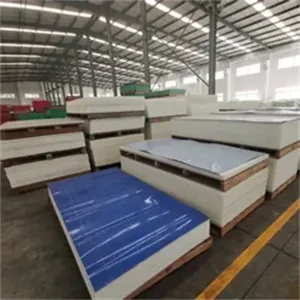
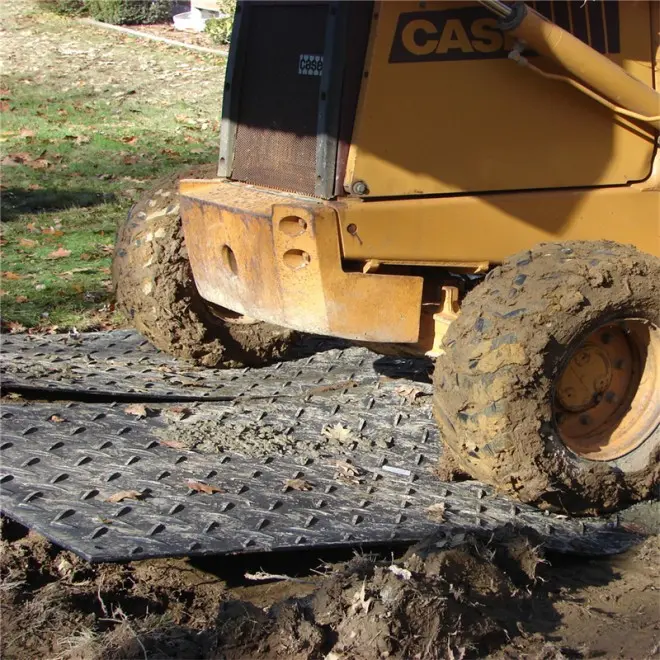
China HDPE synthetic ice rink panel/sheet Manufacturer, Suppliers
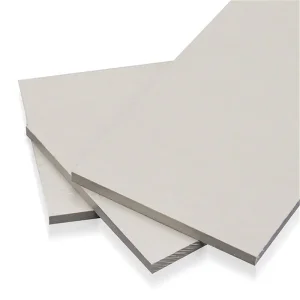
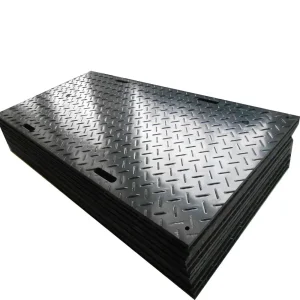
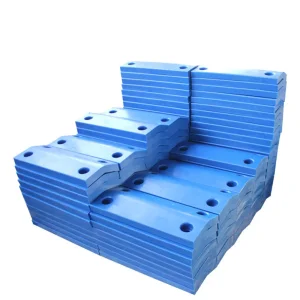
China High wear resistance Marine Fender Pads self-lubrication
Our commitment: Quality + Speed + Service = Value for Global Procurement
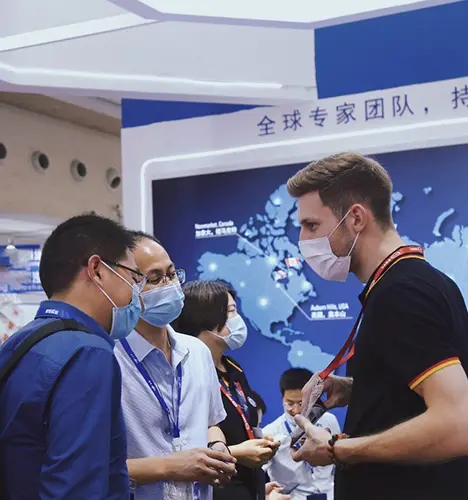
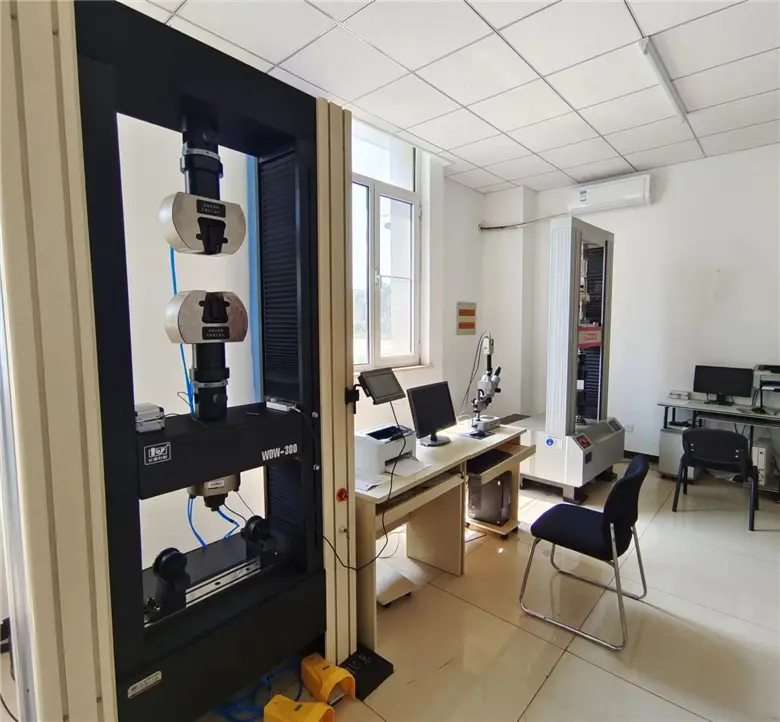
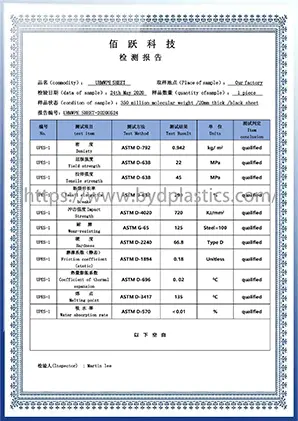
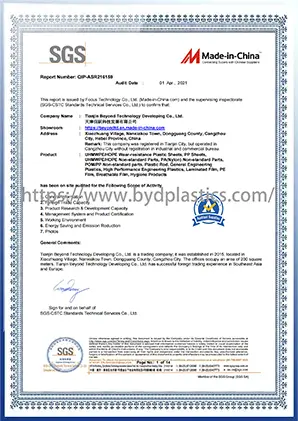
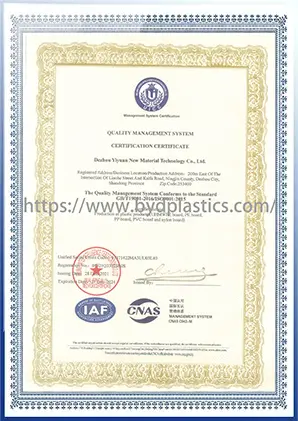
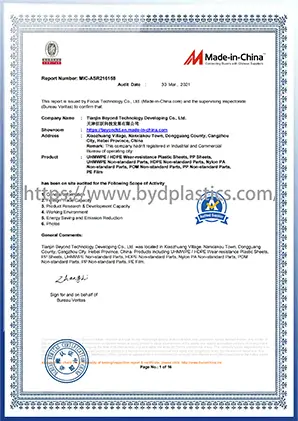
At Tianjin Beyond, we implement strict quality controls at every stage of the manufacturing process, from raw material procurement to final dimensional inspection. Our QC labs are equipped to verify mechanical properties, density, hardness, dynamic friction coefficients, and dimensional tolerances under controlled thermal conditions.
Get answers to technical and procurement questions from our application engineers
Complete your supply chain with our high-durability polymer series
 Beyond