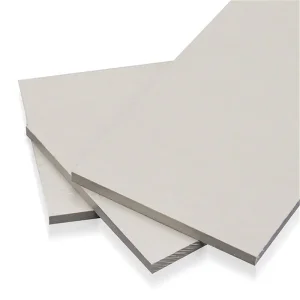
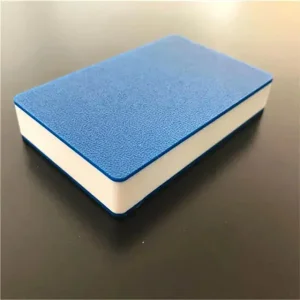
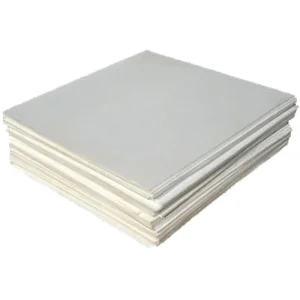
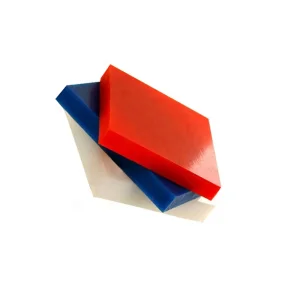
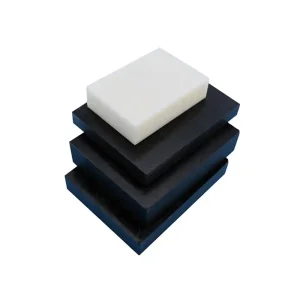
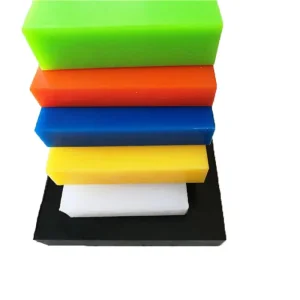
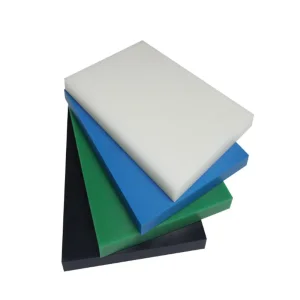
High-performance polymer sheets engineered to withstand tropical climates, coastal corrosion, and extreme load dynamics.
Operating cold-climate infrastructure in Central America presents unique thermodynamic challenges. In the Panama market, average ambient temperatures exceed 30°C (86°F) year-round, accompanied by relative humidity levels that frequently cross 80%. Under these environmental conditions, traditional refrigerated real ice rinks consume astronomical amounts of energy to maintain structural integrity. This leads to massive operational expenditures (OpEx) and high carbon emissions.
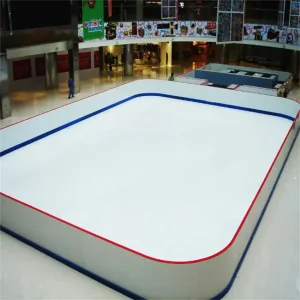
To address this issue, commercial developers, amusement parks, urban sports centers, and municipal hubs across Panama City, Balboa, and the Colon Free Zone are increasingly turning to synthetic ice systems. Synthesized from high-density polymers like UHMWPE and HDPE, synthetic ice provides a zero-power, waterless alternative that functions reliably in hot, humid, and salt-heavy coastal environments.
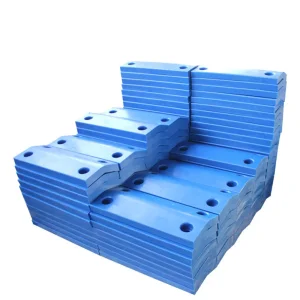
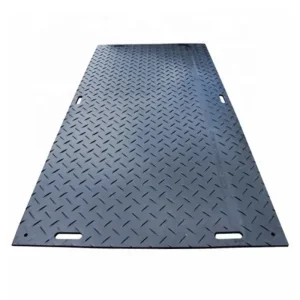
Beyond recreation, Panama's position as a global maritime transit hub driving major logistics, port expansion, and canal shipping operations has accelerated the regional demand for high-strength engineering plastics. The same self-lubricating, wear-resistant polymer technology utilized in synthetic ice is deployed for canal lock fender plates, dock bumpers, and heavy-duty ground stabilization pads.
An engineering breakdown of material properties, friction coefficients, and wear life to ensure procurement accuracy.
Molecular Weight: 4.5 Million to 9.2 Million g/mol.
Coefficient of Friction: ~0.08 to 0.12 (Dry sliding, closely matching real ice).
Primary Benefit: Self-lubricating properties via embedded paraffin or silicone-oil additives during pressure sintering. UHMWPE delivers the highest wear resistance, lowest blade friction, and longest functional lifespan (10-15 years under high-traffic commercial use).
Best For: Professional hockey training installations, public skating arenas, high-end resort installations, and long-term commercial deployments in hot coastal climates.
Molecular Weight: 300,000 to 500,000 g/mol.
Coefficient of Friction: ~0.15 to 0.20.
Primary Benefit: Highly cost-effective, easily extruded, lightweight, and versatile. Excellent tensile strength and UV stabilization properties when properly formulated with antioxidants.
Best For: Home training rinks, seasonal events, youth entertainment parks, indoor playzones, and price-sensitive municipal projects.
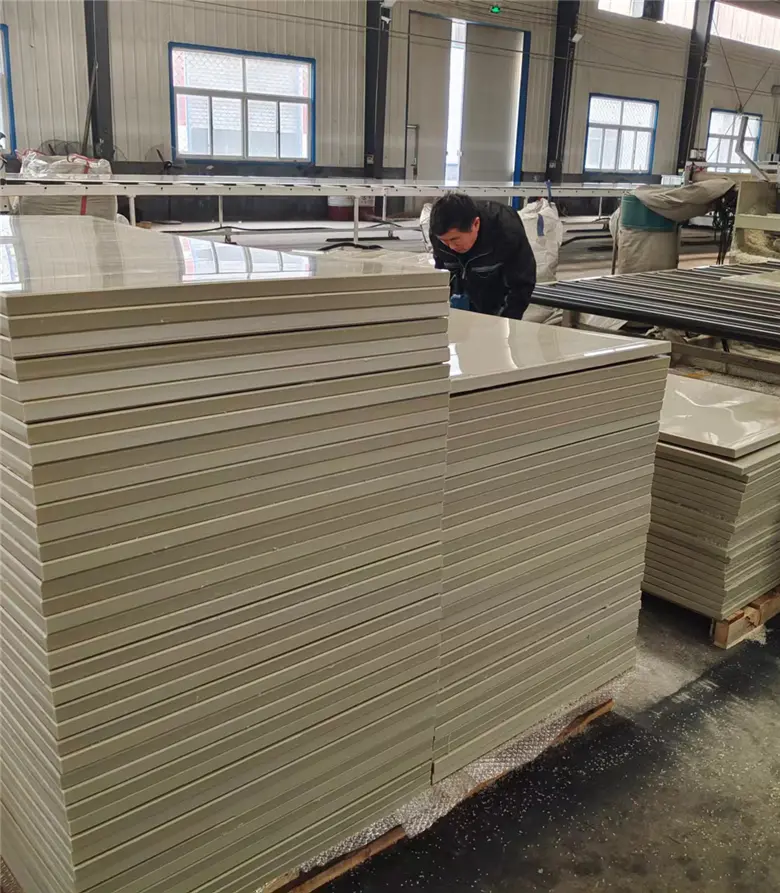
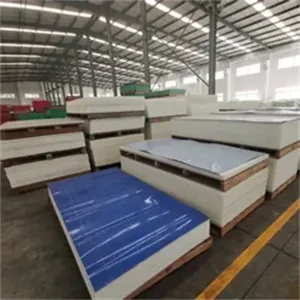
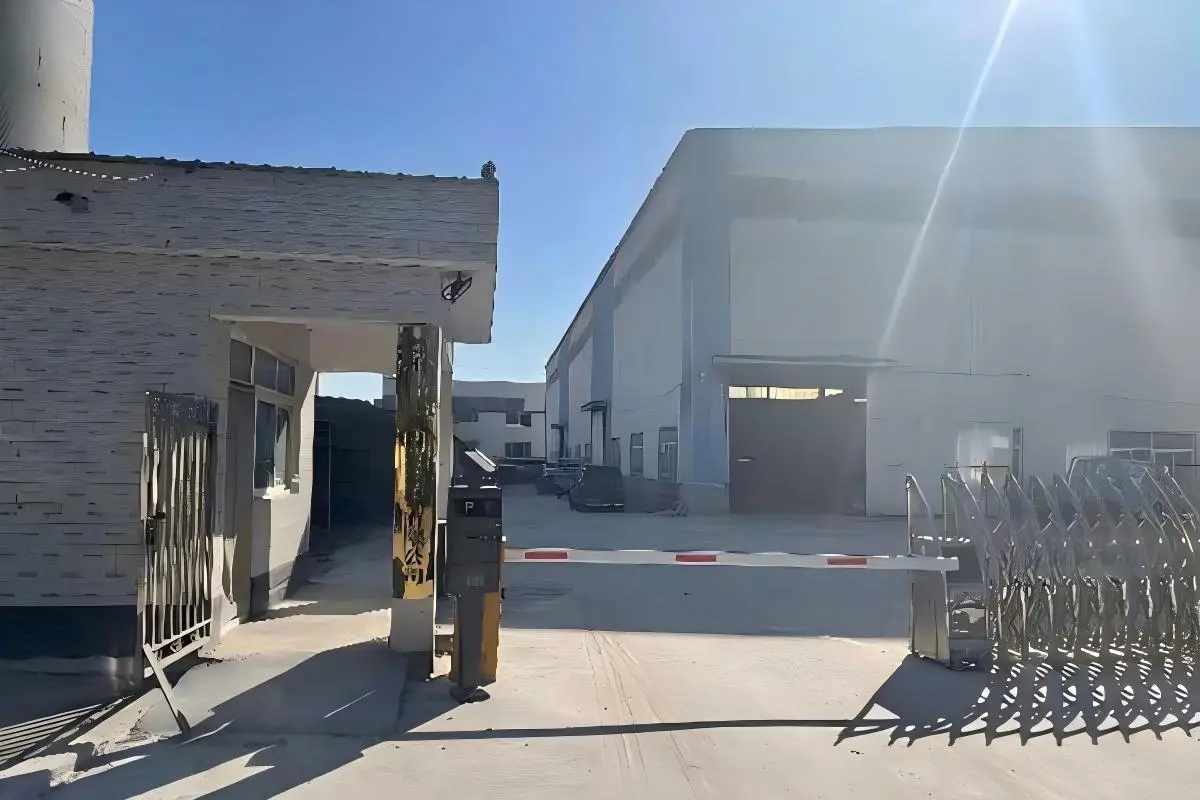
As a leading engineering plastics manufacturer based in Tianjin, China, Tianjin Beyond Technology Development Co., Ltd. integrates state-of-the-art compression molding, polymer extrusion lines, and heavy-duty gantry CNC machining centers. This allows us to offer Panamanian buyers end-to-end custom component engineering.
Our factory relies on relationships with international premium raw material providers including TICONA, LG, and Sinopec. This ensures that every sheet of UHMWPE and HDPE contains consistent molecular weight distribution, eliminating structural weaknesses and premature micro-fracturing under UV exposure.
By leveraging advanced CNC routing and milling systems, we cut precision interlocking joints (dovetail and tongue-and-groove profiles) with tolerances within ±0.1mm. This level of precision is critical for synthetic ice installations in Panama. Tropical temperature fluctuations trigger thermal expansion and contraction; poorly machined joints will buckle or separate. Our computerized precision ensures joints remain flush and stable under all thermal environments.
From a logistics standpoint, our location near Tianjin Port provides convenient shipping routes directly to the Colon Free Zone and Panama City ports (Balboa, Cristobal). This guarantees reliable supply lines, rapid customs clearing, and minimized transit costs for large-scale municipal or port infrastructure projects.
How our advanced engineering plastics solve specific operational challenges across Panamanian industries.
Developing outdoor skating rinks in beachfront resorts, Casco Viejo tourist hubs, and modern malls in Costa del Este. Our UV-stabilized synthetic ice panels handle high-exposure sunlight without yellowing or degradation.
Utilizing high-performance UHMWPE fender pads and sliding strips on harbor walls, lock gates, and tugboat bumpers. Extreme impact resistance and zero water absorption prevent damage from heavy cargo vessels.
Deploying heavy-duty ground mats to stabilize soft soil, coastal mud, and marshy terrain in Tocumen and Colon logistics parks. Protects expensive heavy-duty machinery from bogging down during the intense rainy season.
At Tianjin Beyond Technology, our commitment to E-E-A-T principles is demonstrated through our strict quality control systems. From the moment raw materials enter our facility, we conduct molecular weight analysis, density verification, and tensile strength testing.
During production, our CNC systems are constantly calibrated to maintain uniform tolerances. We provide comprehensive quality certification files for every batch, including COA (Certificate of Analysis), SGS reports, and BV (Bureau Veritas) inspections, guaranteeing that our engineering plastics meet global standards.
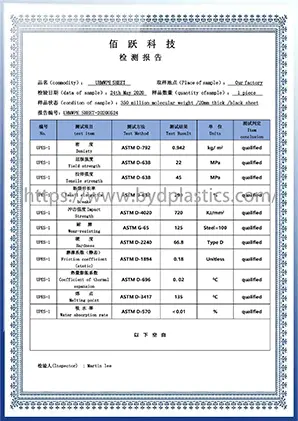
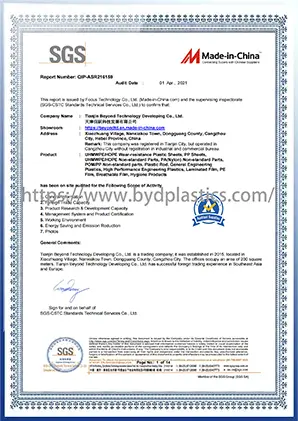
Explore our complete catalog of precision-machined engineering plastics, structural sheets, and custom accessories.
When sourcing engineering plastics, marine fender panels, or synthetic ice sheets for projects in Panama, purchasing departments must look beyond unit price to calculate Total Cost of Ownership (TCO). Use the following checklist to evaluate potential manufacturing partners:
Request raw material molecular weight documentation. Synthetic ice requires at least 4.0 Million g/mol (PE1000) to ensure long-term durability and resistance to deep grooving.
Ensure the polymer formula includes specialized additives designed for tropical UV index levels. Unstabilized polyethylene will quickly degrade, discolor, and become brittle.
Confirm joint patterns are precision-milled using multi-axis CNC machines. Dovetail locking systems must allow minor thermal expansion margins to prevent buckling under direct sun.
Technical answers to key inquiries regarding synthetic ice logistics, performance, and maintenance in tropical climates.
 Beyond