 Beyond
1 / 2
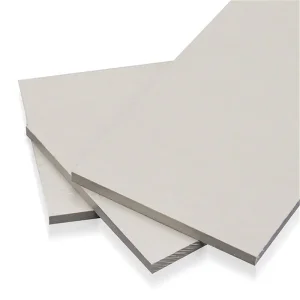
PPH is lightweight, has improved chemical resistance, stiffness, and an improved higher working temperature compared to PPC (0°C to +100°C). PPH retains its low water absorption, is easily weldable, and is food compliant.
The main advantage of PPH sheet is its outstanding acid resistance. Polypropylene Sheet exhibits excellent acid and chemical resistance, including resistance to Sulphuric Acid.
Another significant advantage is its cost-effectiveness; Polypropylene is one of the lowest-priced engineering plastics available. Additionally, Polypropylene Sheet offers high impact resistance, making it an ideal choice for backing boards when punching gaskets or cardboard shapes.
PPH stands for Polypropylene Homopolymer. Compared to PPC (Polypropylene Copolymer), PPH offers higher stiffness, improved chemical resistance, and a higher working temperature range.
PPH sheets perform reliably under a working temperature range from 0°C up to +100°C, making them highly suitable for thermal-retentive environments.
Yes, PPH is food compliant, meaning it meets the necessary standards for safety and hygiene to be used in food processing and storage applications.
PPH exhibits exceptional chemical and corrosion resistance, including robust performance when in contact with harsh substances such as Sulphuric Acid.
Yes, PPH features excellent weldability, making it highly versatile for custom engineering projects, chemical tank fabrication, and equipment construction.
PPH is one of the most budget-friendly engineering plastics available. Combined with its durability, low water absorption, and high impact resistance, it offers high value for long-term industrial use.