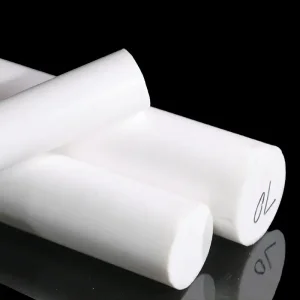
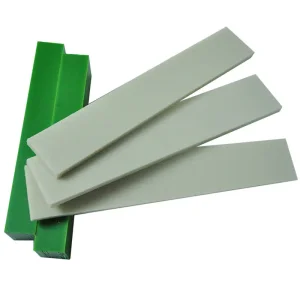
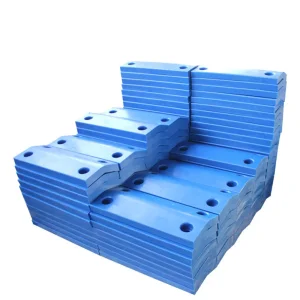
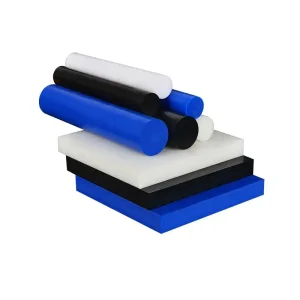
Premium ultra-high molecular weight polyethylene products manufactured to strict global standards for high wear and static management.
An in-depth analysis of high-performance electrostatic discharge protection in industrial material handling, processing environments, and automated systems.
In modern manufacturing, bulk material handling, and electronics assembly, the control of electrostatic discharge (ESD) is critical. Uncontrolled electrical static build-up leads to equipment malfunction, fire hazards in flammable dust environments, and component degradation. Standard Ultra-High Molecular Weight Polyethylene (UHMWPE) is an excellent electrical insulator with a high surface resistivity (typically >1014 Ω). While this is ideal for dielectric barriers, it allows static charges generated by friction (triboelectric charging) to accumulate on the surface.
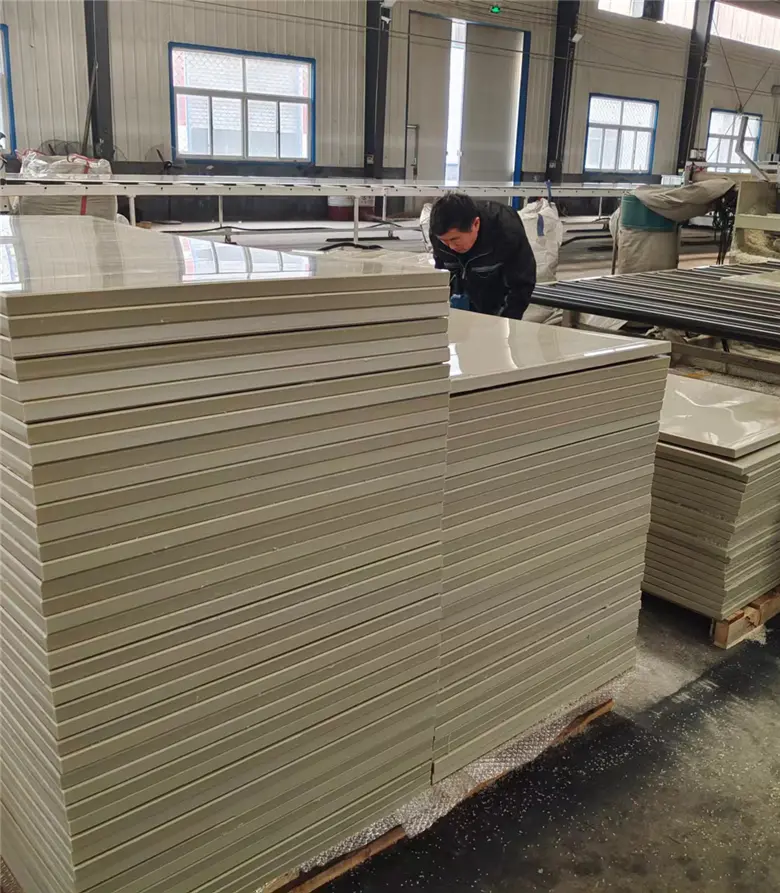
To solve this, Antistatic UHMWPE Sheets are engineered by uniformly compounding molecular-weight polymers with conductive carbon additives (such as conductive carbon black, graphite, or carbon nanotubes) during compression molding. This process establishes an isotropic, three-dimensional percolation network of conductive paths within the semi-crystalline UHMWPE matrix. The resulting material maintains a reduced surface resistivity of 105 to 109 Ω/sq, transitioning the polymer from an insulator to a static dissipative/conductive material.
Did you know? Grounding antistatic UHMWPE sheets prevents charge retention even under high-velocity friction operations, protecting sensitive microelectronics and minimizing combustible dust explosion risks in coal silos, grain elevators, and chemical processes.
Tianjin Beyond Technology Development Co., Ltd. produces ESD-safe, wear-resistant sheets designed to withstand severe mechanical forces. By utilizing premium raw materials supplied by industry-leading polymer producers like TICONA, LG, and Sinopec, our antistatic solutions retain the key physical benefits of standard UHMWPE:
| Property Parameter | Standard ASTM/ISO Test | Standard UHMWPE Values | Antistatic (ESD) UHMWPE |
|---|---|---|---|
| Surface Resistivity (Ω/sq) | ASTM D257 / IEC 60093 | > 1014 | 105 to 109 (Dissipative) |
| Molecular Weight (g/mol) | Viscometry Method | 3.0 to 9.2 × 10⁶ | 5.0 to 9.2 × 10⁶ |
| Density (g/cm³) | ASTM D792 | 0.93 - 0.94 | 0.95 - 0.98 (Carbon Loaded) |
| Coefficient of Friction (Dynamic) | ASTM D1894 | 0.12 - 0.20 | 0.10 - 0.18 (Self-lubricating) |
| Izod Impact Strength (kJ/m²) | ISO 179 Double Notch | > 100 (No Break) | > 80 (High Impact Resistance) |
| Continuous Service Temp (°C) | UL746B | -260 to +80 | -200 to +80 |
The demand for ESD-safe structural components is expanding rapidly across several key industrial sectors:
Used as ESD-safe workbench tops, component trays, vacuum suction plates, and automated sorting slide guides where even minor static discharges can destroy delicate integrated circuits.
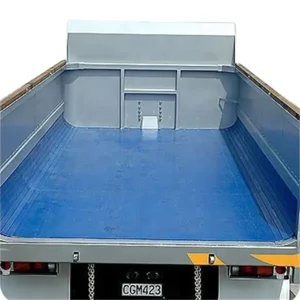
Crucial for lining coal bunkers, chutes, truck beds, and silos. Standard linings can accumulate static charges which can trigger combustible dust explosions. Dissipative UHMWPE eliminates this explosion risk.
Enables safe sliding surfaces, guide rails, chain guides, and wear strips. Reducing static charge build-up prevents materials from sticking to the conveyor surfaces, decreasing downtime.
Why Tier-1 industrial buyers partner with Tianjin Beyond Technology Development Co., Ltd. for engineering plastics.
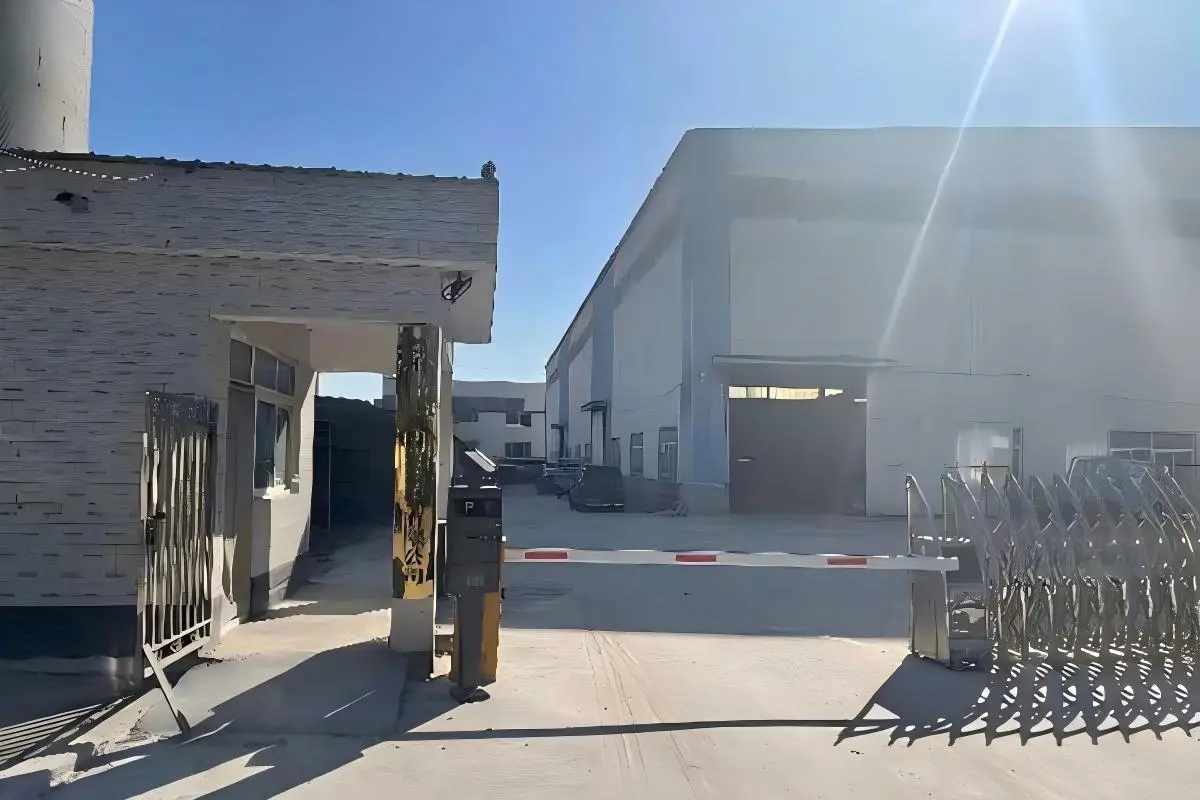
Established in 2015, we operate a 50,000 square meter manufacturing base combining raw material synthesis, large-scale sheet compression molding, polymer extrusion, and precision multi-axis CNC machining. With over a decade of industry expertise, we specialize in high-precision, high-volume production of specialty polymers.
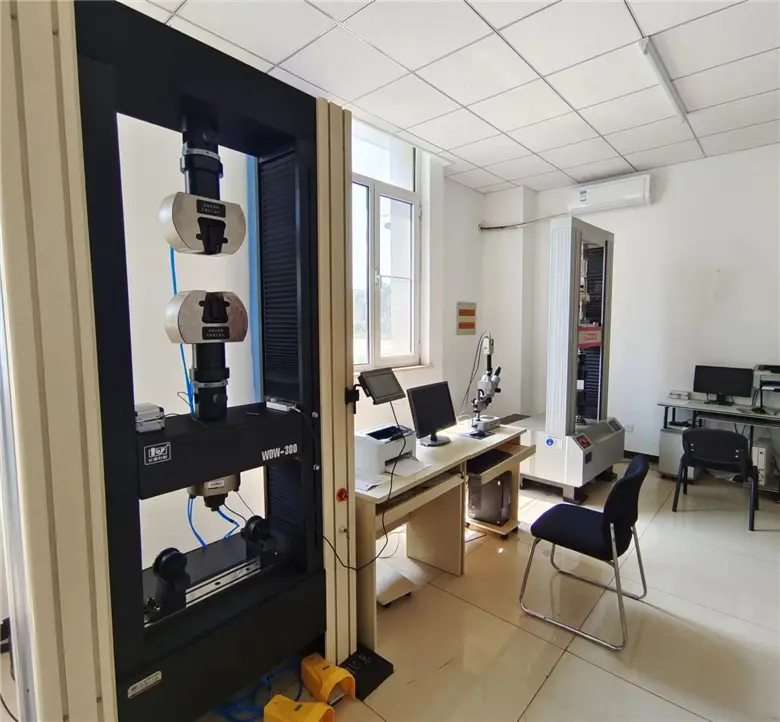
Our plant is equipped with state-of-the-art hydraulic compression molding presses, single and twin-screw extrusion lines, and high-speed CNC gantry routers. We process high-performance materials including UHMWPE (PE1000), HDPE, PP, PVC, POM, and Cast Nylon. We utilize advanced testing methods to guarantee that every batch meets the mechanical and electrical specifications requested by our global partners.
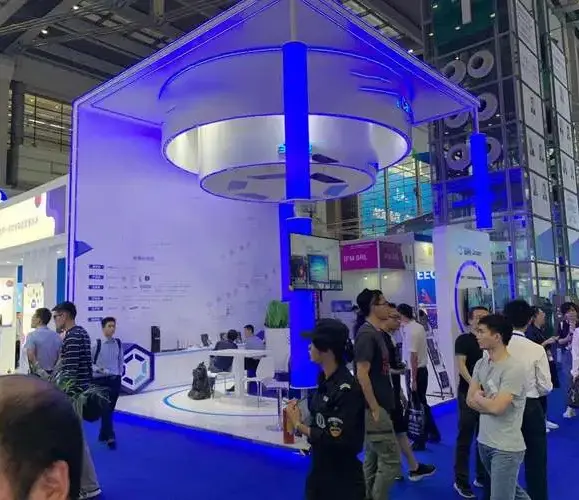
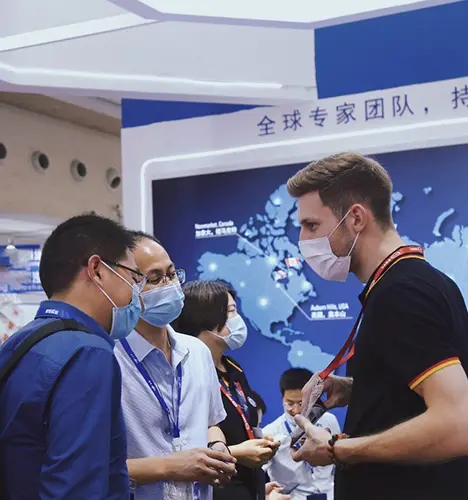
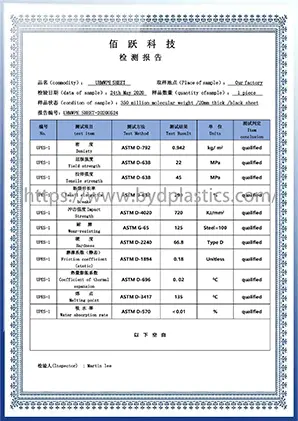
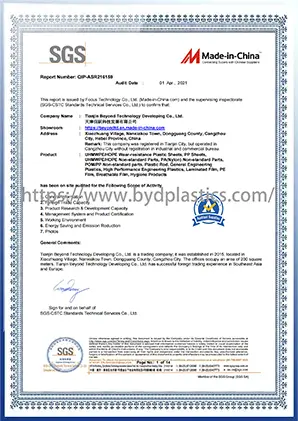
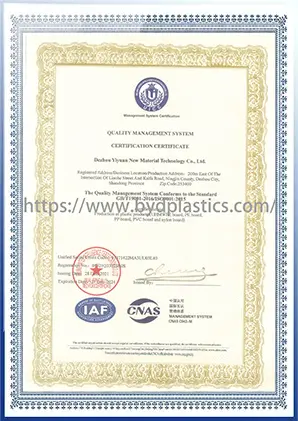
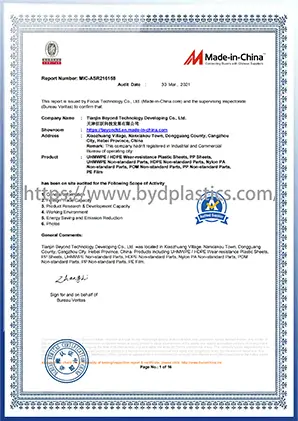
Photographic documentation of our production facilities, quality management workflows, and material certifications.
Analyzing advancements in polymer composite technology and modern engineering requirements for high-speed machinery.
As industrial throughput rates rise, machines operate at higher speeds, creating faster friction interfaces and generating electrostatic charges more rapidly. Standard carbon black filled plates are being replaced by high-performance variants to meet these demands. The latest engineering trends focus on:
Technical guidance and material sourcing advice directly from our senior polymer engineering team.
Browse our selection of specialized engineering plastics, custom cast rods, and precision CNC profile components.
 Beyond