 Beyond
1 / 3
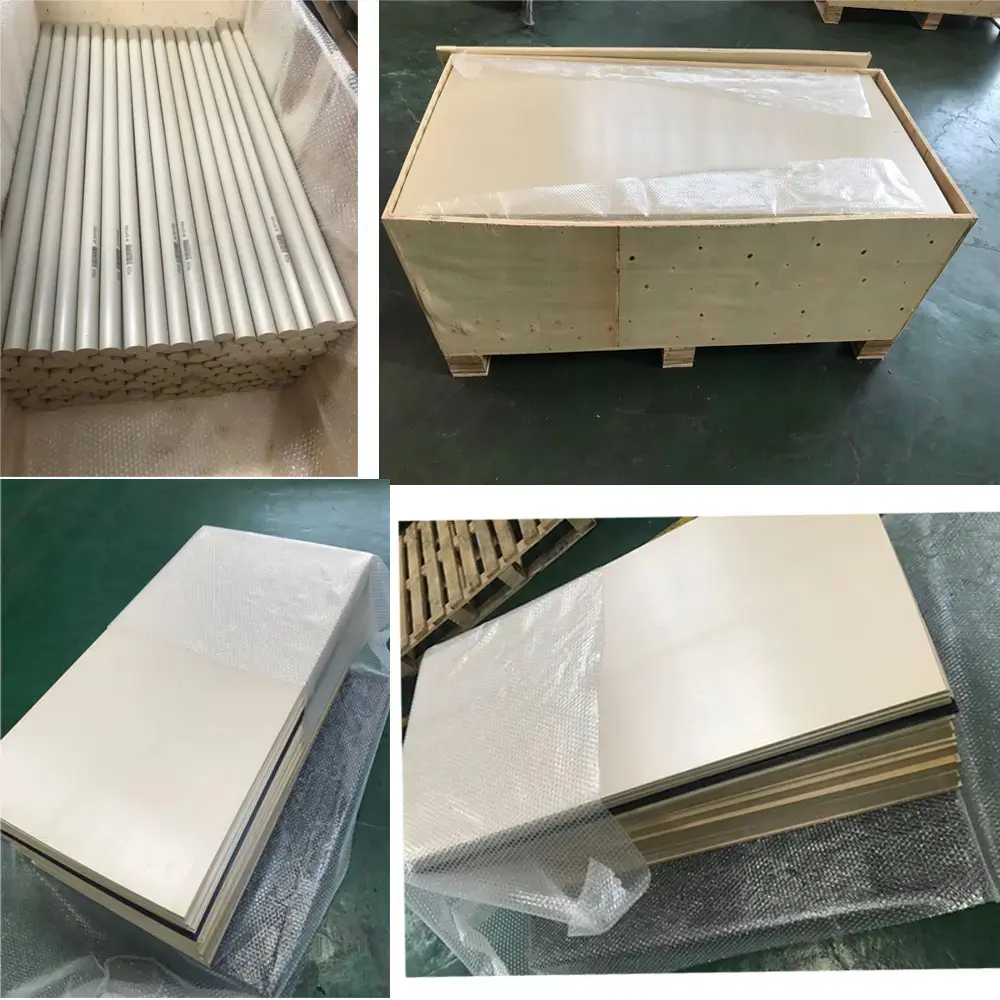
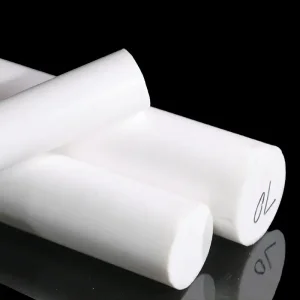
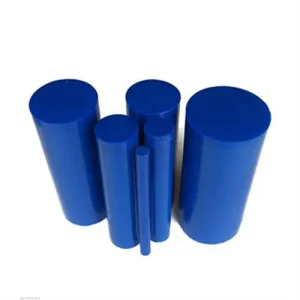
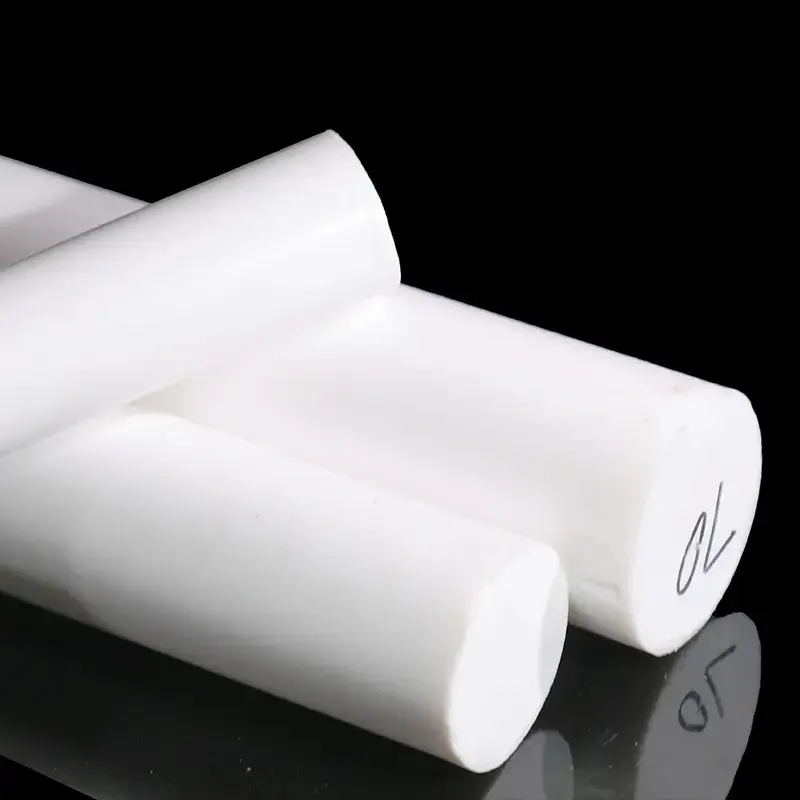
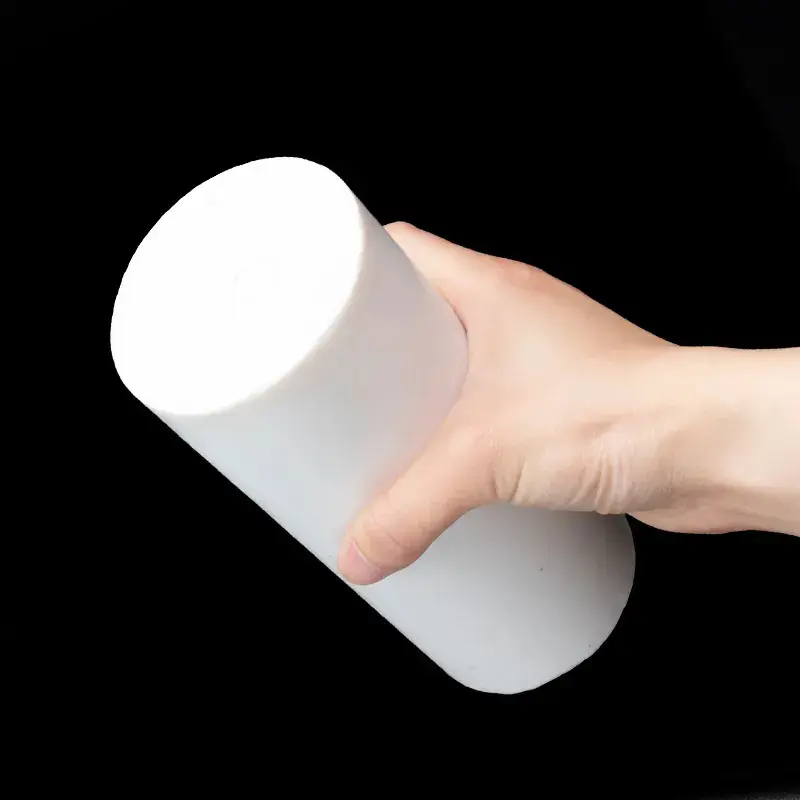
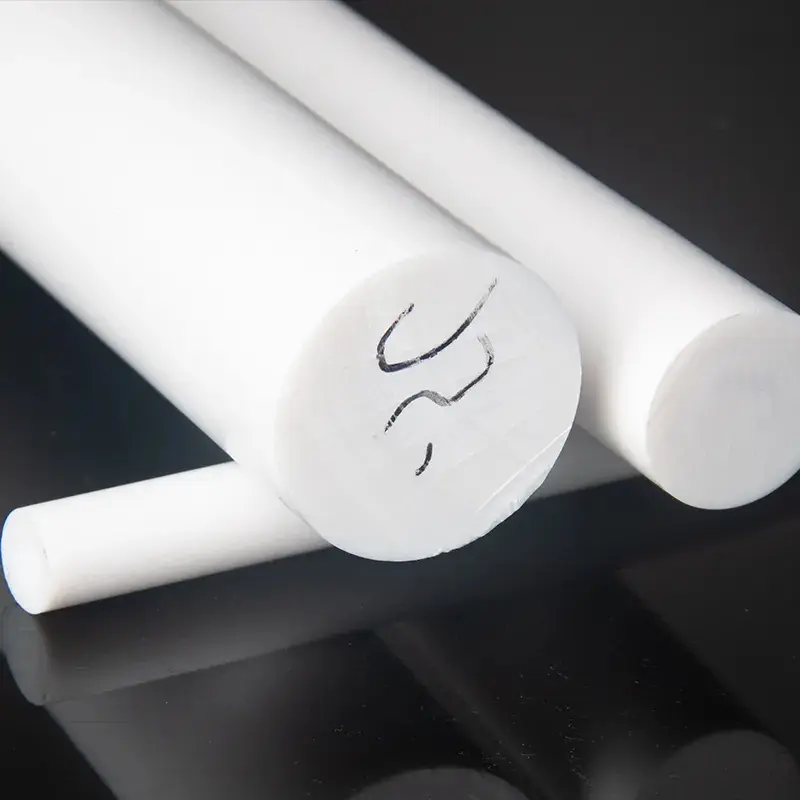
PTFE rod has excellent resistance to most chemicals and solvents and is capable of operating at high and low temperatures - up to 260°C. The PTFE rods also have a very low coefficient of friction and are commonly used in food contact applications. Rods of PTFE provides good thermal stability and has good electrical properties, but are not suitable for wear application and is difficult to bond.
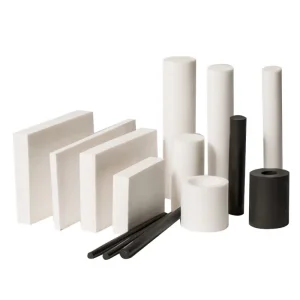
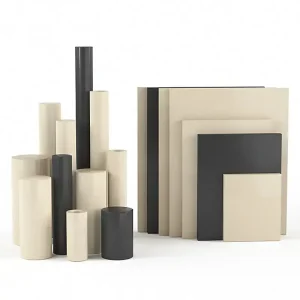
We offer a wide dimension range of high quality extruded & molded PTFE rods, the high quality PTFE rods are usually used for machining components.
Utilizing our specialized compression molding technique, our molded tubes are available in virgin PTFE, modified PTFE and PTFE compound material.
| PTFE tube Type | OD Range | Length Range | Material Option |
|---|---|---|---|
| PTFE Molded Rod | Up to 600mm | 100 mm to 300 mm | PTFE Modified PTFE PTFE Compounds |
| PTFE Extruded Rod | Up to 160mm | 1000, 2000 mm | PTFE |
| PROPERTIES | STANDARD | UNIT | RESULT |
|---|---|---|---|
| Mechanical Property | |||
| Density | - | g/cm3 | 2.10-2.30 |
| Tensile strength | - | Mpa | 15 |
| Ultimate elongation | - | % | 150 |
| Tensile strength | D638 | PSI | 1500-3500 |
| Produce Max.Temp | - | ºC | 385 |
| Hardness | D1700 | D | 50-60 |
| Impact strength | D256 | Ft./Lb./In. | 3 |
| Thermal & Other Properties | |||
| Melting point | - | ºC | 327 |
| Working Temp. | ASTM D648 | ºC | -180 ~ 260 |
| Elongation | D638 | % | 250-350 |
| Deformation % 73 ºF, 1500 psi 24 hours | D621 | N/A | 4-8 |
| Deformation % 100 ºF, 1500 psi 24 hours | D621 | N/A | 10-18 |
| Deformation % 200 ºF, 1500 psi 24 hours | D621 | N/A | 20-52 |
| Electrical & Physical Properties | |||
| Izod | - | - | 6 |
| Water absorption | D570 | % | 0.001 |
| Coefficient of Friction | - | N/A | 0.04 |
| Dielectric constant | D150 | Ω | 1016 |
| Dielectric strength | D257 | Volts | 1000 |
| Thermal & Color Properties | |||
| Coefficient of thermal expansion 73 ºF | D696 | In./In./Ft. | 5.5*10.3 |
| Coefficient of thermal conductivity | *5 | Btu/hr/ftz | 1.7 |
| PV at 900 ft./min | N/A | 2500 | - |
| Colour | *6 | N/A | white |
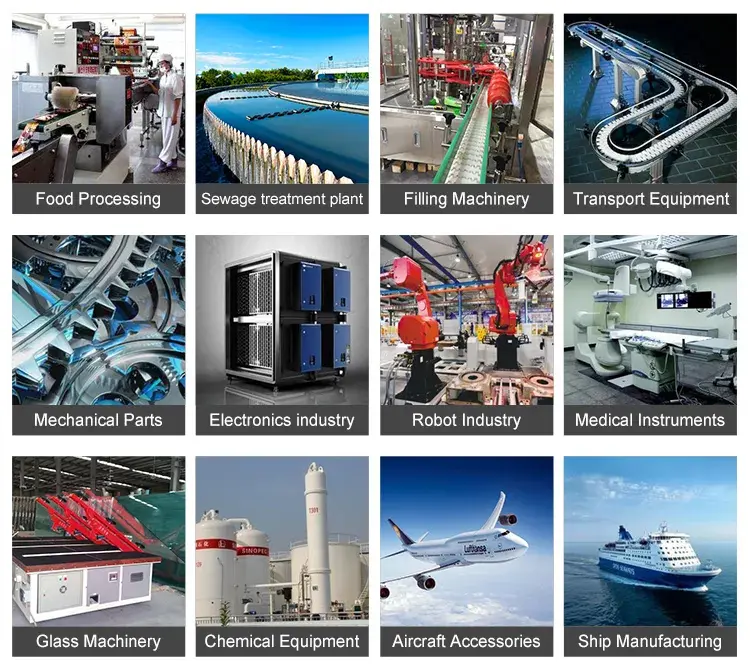
| PTFE is widely used as a high & low temperature resistant, corrosion-resistant, and insulation material in atomic energy, defense, aerospace, electronics, electrical, chemical industries, machinery, instruments, meters, construction, textiles, metal surface treatment, pharmaceutical, medical, food, and metallurgical smelting, becoming an irreplaceable product. | |||