In modern industrial manufacturing, high-density engineering polymers have transitioned from simple metal replacements to critical components of structural engineering. High-Density Polyethylene (HDPE) sheets, represented under codes like PE300, PE500, and PE1000 (UHMWPE), form the backbone of high-stress industrial infrastructure. From marine buffer systems in global shipping ports to heavy equipment road mats traversing soft terrain, modern enterprises demand materials that offer extreme tensile strength, low coefficients of friction, high impact resistance, and long-term chemical inertness. This whitepaper analyzes the manufacturing methodologies, technological advancements, procurement considerations, and application ecosystems driving the global distribution of Chinese-manufactured HDPE sheets.
Global procurement teams prioritize vendors who demonstrate a balance between material purity and pricing efficiency. As top-tier China HDPE Sheet Manufacturers & Suppliers, organizations like Tianjin Beyond Technology Development Co., Ltd. satisfy this requirement through deep supply chain integration and raw material partnerships with global polymer pioneers including TICONA, LG, and Sinopec.
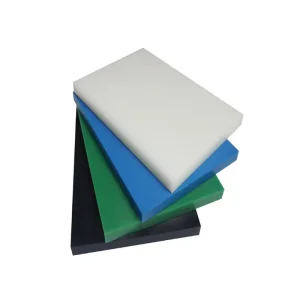
By leveraging advanced compression molding and continuous extrusion processes, Chinese factories produce HDPE sheets that comply with FDA (Food and Drug Administration) requirements, EU regulations, and international standards. Industrial purchasers can now secure sheets customized with UV stabilizers, carbon black additives (for anti-static applications), and halogen-free flame retardants to meet stringent architectural and maritime specifications.
Selecting the correct polymer grade requires a comparison of mechanical properties. High-density polyethylene exhibits varying characteristics based on its molecular weight distribution. Understanding these metrics prevents premature mechanical failure and optimizes material expenditure.
| Property Designation | PE300 (HDPE) | PE500 (HWMPE) | PE1000 (UHMWPE) | Test Standard Reference |
|---|---|---|---|---|
| Molecular Weight (approx.) | ~0.3 Million g/mol | ~0.5 Million g/mol | >4.5 Million g/mol | Viscometry Method |
| Density | 0.95 - 0.96 g/cm³ | 0.95 - 0.96 g/cm³ | 0.93 - 0.94 g/cm³ | ISO 1183 / ASTM D792 |
| Yield Tensile Strength | >22 MPa | >20 MPa | >17 MPa | ISO 527-2 / ASTM D638 |
| Co-efficient of Friction (Dynamic) | 0.25 - 0.30 | 0.20 - 0.25 | 0.10 - 0.15 | Against Steel (Dry) |
| Sand-Slurry Wear Resistance | 350 - 400% (Loss relative to reference) | 200 - 250% | 80 - 100% (Exemplary wear durability) | ASTM G75 Slurry Abrasion Test |
| Charpy Impact Strength (Notched) | 8 - 12 kJ/m² | 20 - 30 kJ/m² | No Break | ISO 179 / ASTM D256 |
While PE300 features excellent weldability and chemical resistance for chemical tank fabrication and lining, PE1000 (UHMWPE) features extreme abrasion resistance and zero water absorption, making it the preferred choice for marine fender facing pads, hopper liners, and heavy equipment wear plates. PE500 operates as a versatile intermediate grade, frequently selected for heavy-duty food preparation interfaces and light mechanical wear strips.
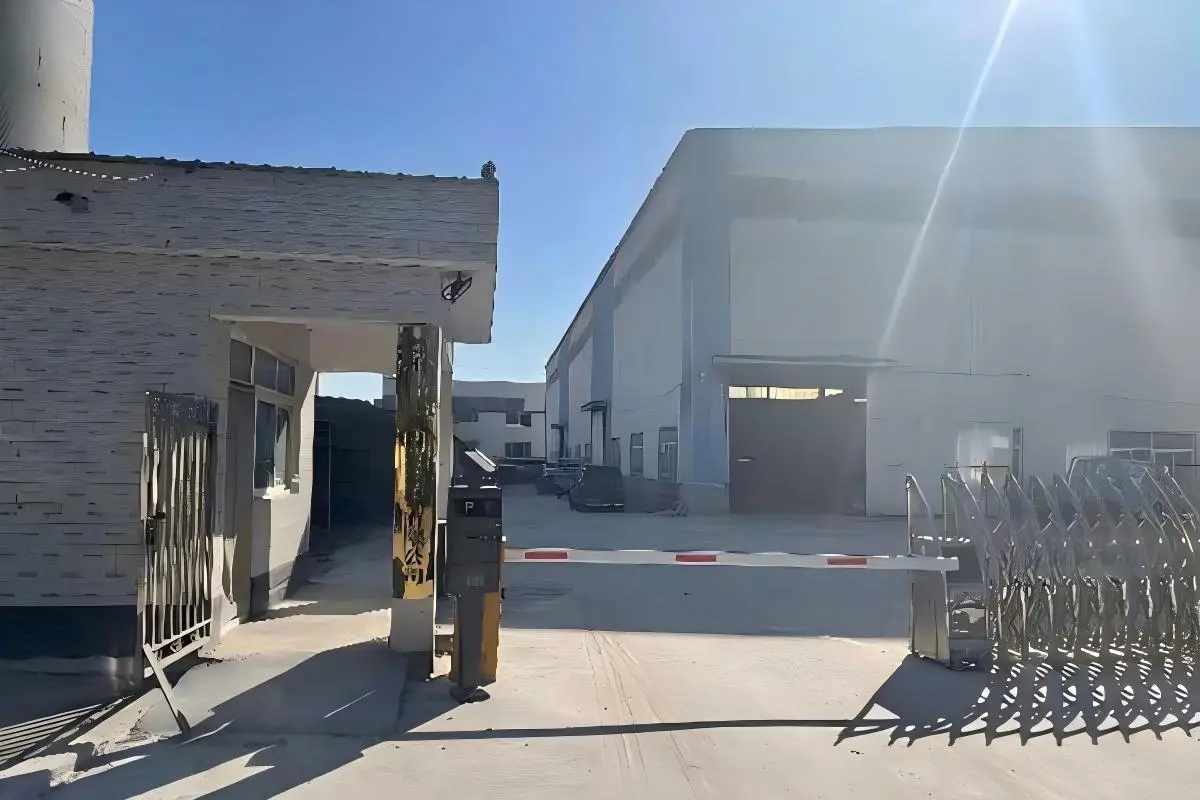
Since 2015, Tianjin Beyond has built manufacturing capabilities in engineering plastics processing. Utilizing a 50,000 square meter production facility, our company handles heavy-duty polymer fabrication and high-volume custom CNC machining.
Tianjin Beyond operates an integrated facility combining raw compression molding, extrusion workshops, and precision CNC processing centers. Outfitted with international gantry lathes, CNC milling machines, and large-scale CNC engraving systems, we achieve tolerances of +/-0.05mm on custom components.
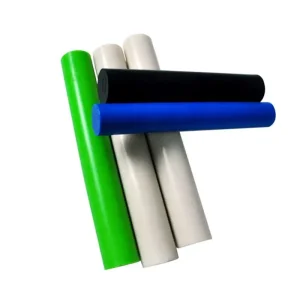
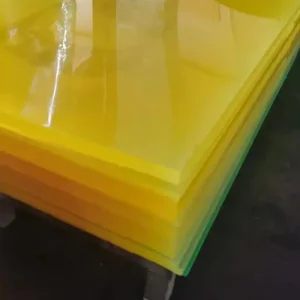
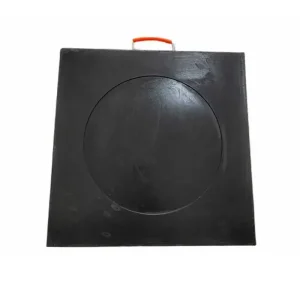
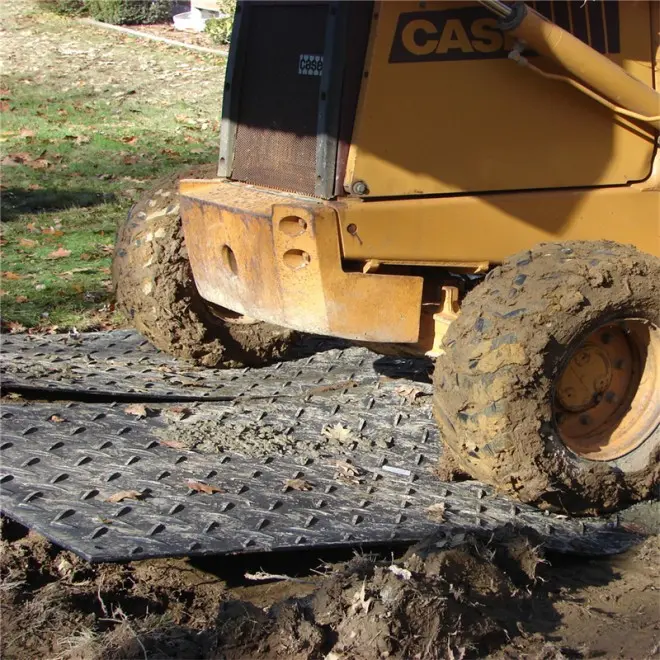
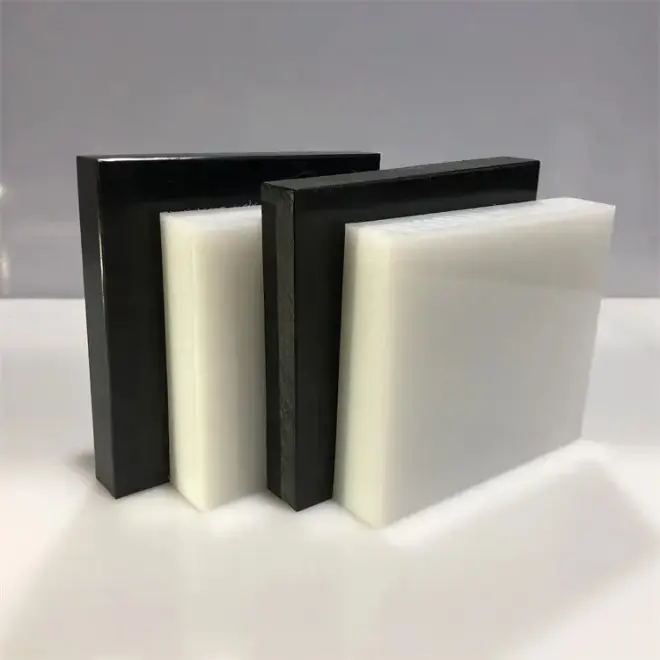
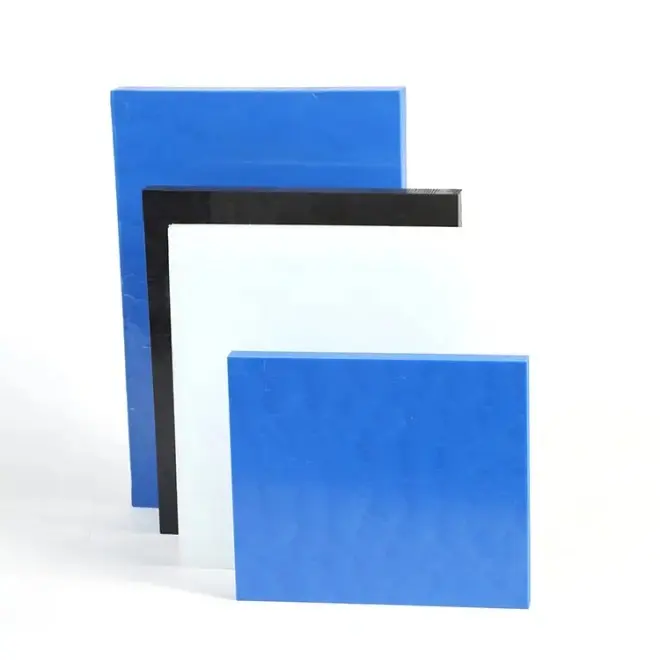
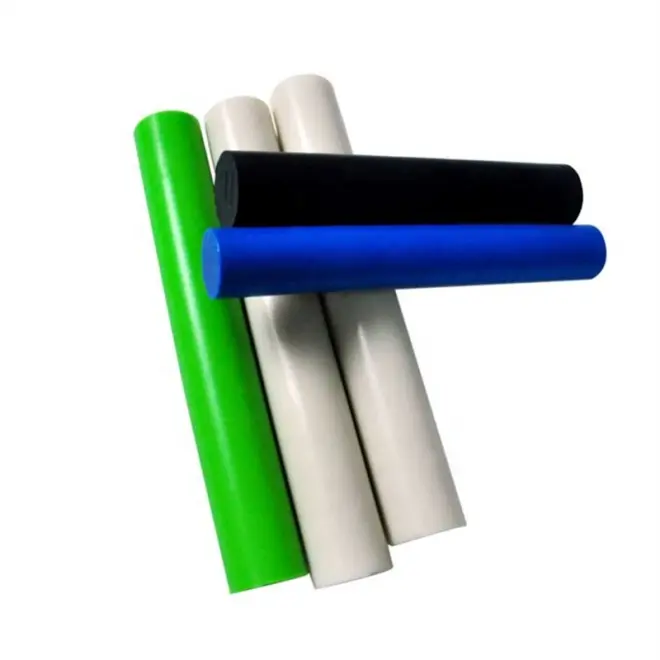
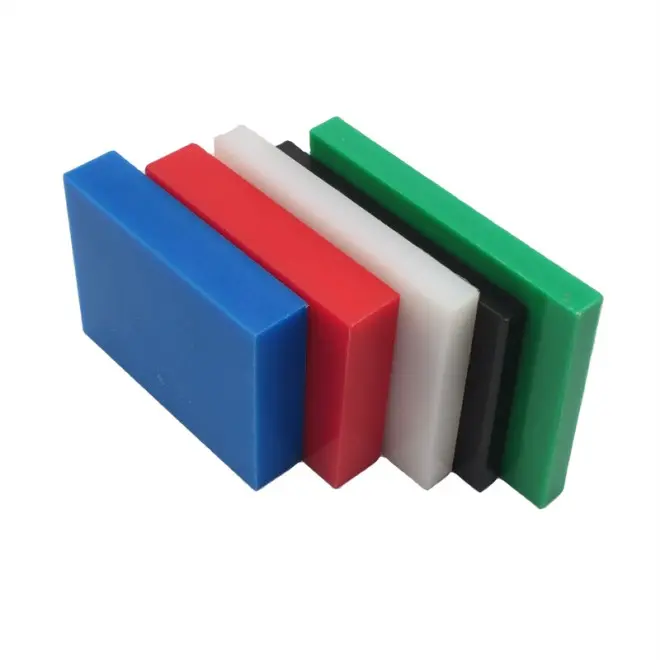
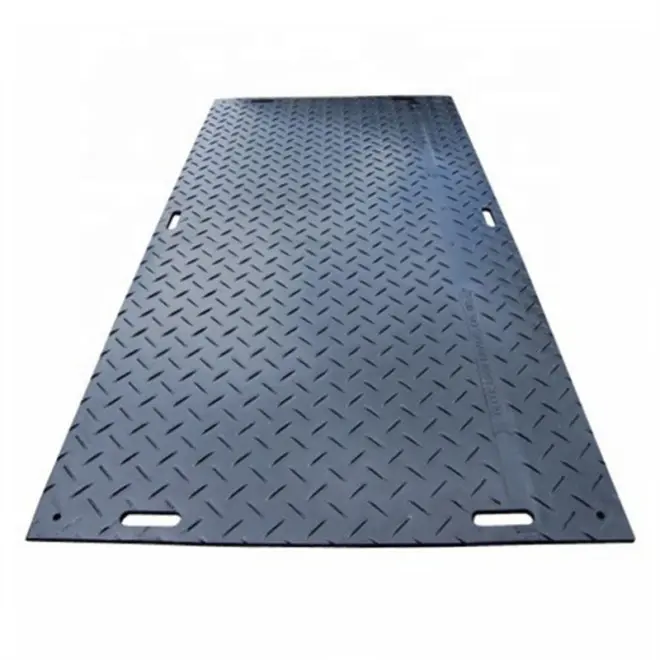
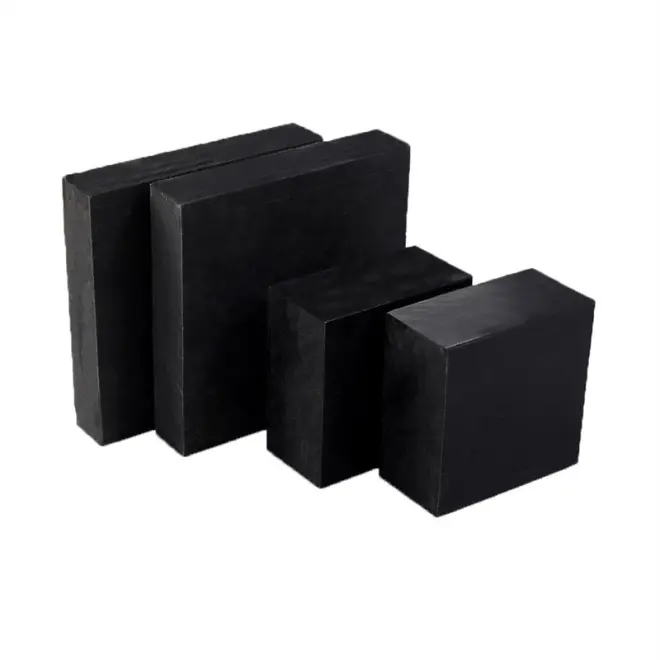
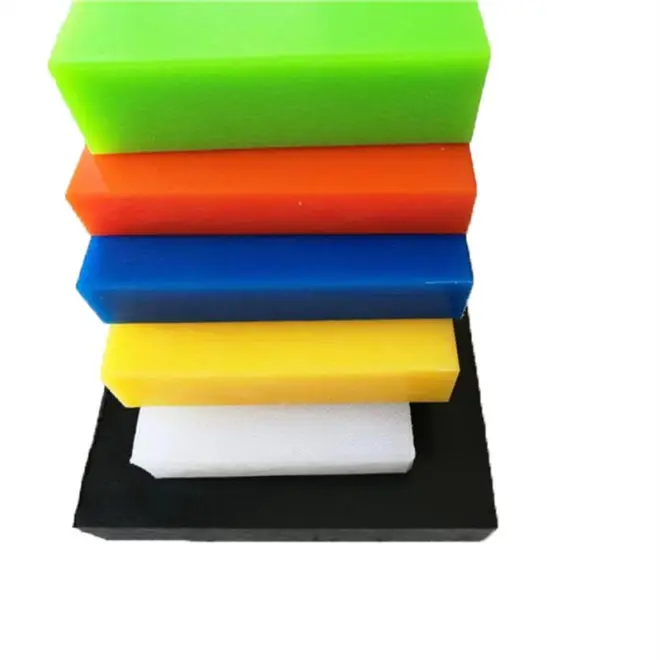
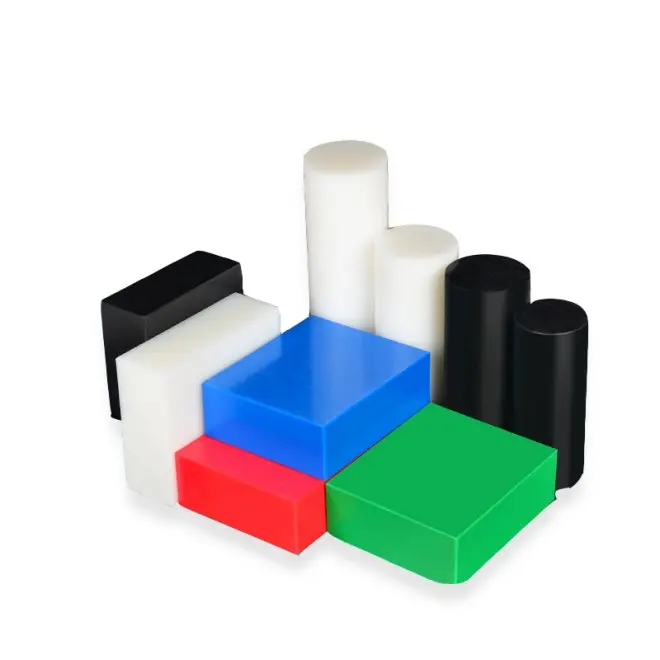
Our product lineup features custom UHMWPE (PE1000) sheets, UHMWPE rods, custom mechanical parts, dock fender facing pads, heavy equipment outrigger pads, anti-static / flame retardant sheets, ground protection mats, HDPE (PE300) panels, PP, PVC, MC Nylon, and POM Delrin shapes.

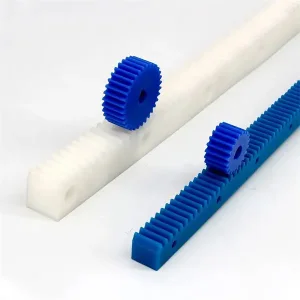
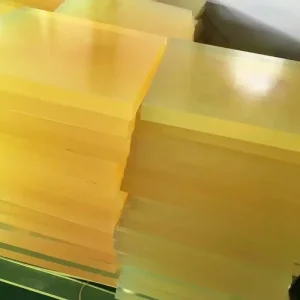
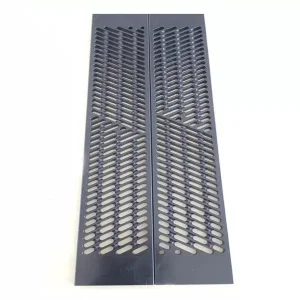
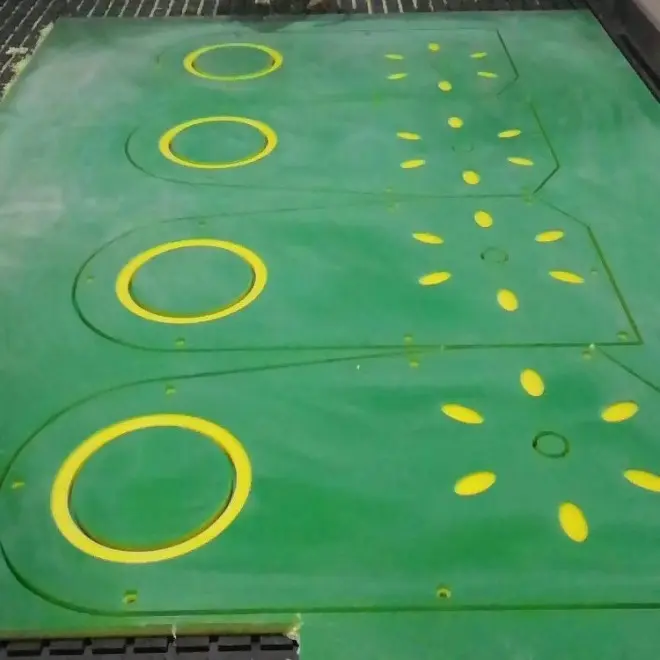
Standard geometric shapes rarely fit the requirements of complex industrial systems. Industrial components such as nylon gear racks, polyurethane seals, UHMWPE chain guides, and complex marine buffers require custom dimensional milling. Tianjin Beyond's CNC workshop addresses these needs by processing thick plastic plates into ready-to-assemble mechanical components.
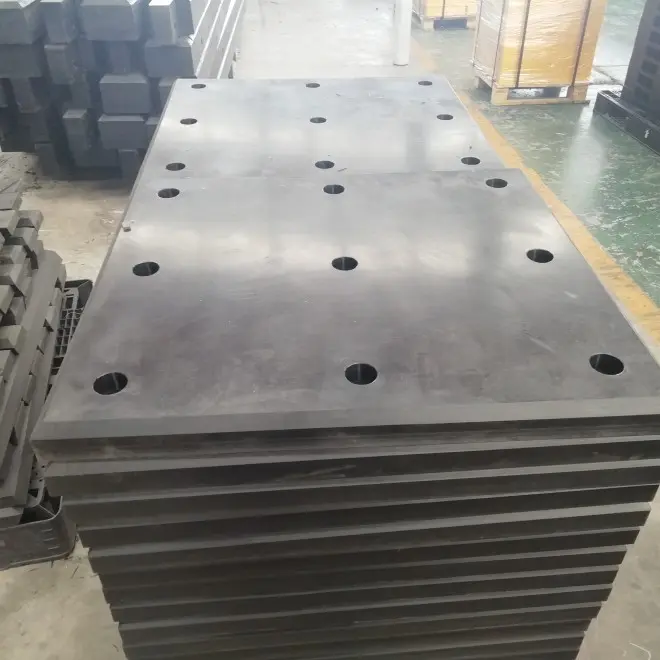
Our technicians program large-scale gantry routers to process sheets measuring up to 2500mm x 8000mm. Operations include drilling, beveling, countersunk screw formatting, pocket milling, and profiling. This precise control minimizes chip accumulation and eliminates micro-cracks along cut edges, maintaining structural integrity under impact conditions.
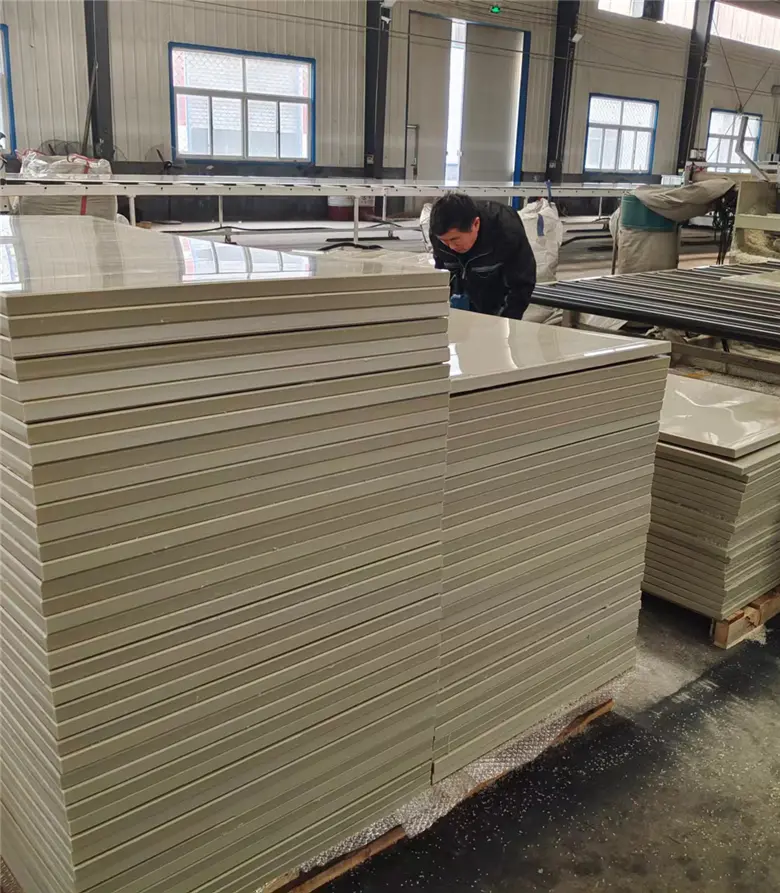
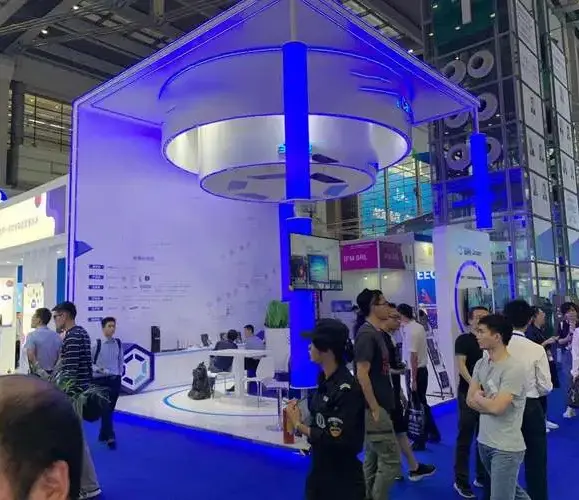
HDPE and UHMWPE materials are used in many core industrial sectors, each requiring specific material formulations.
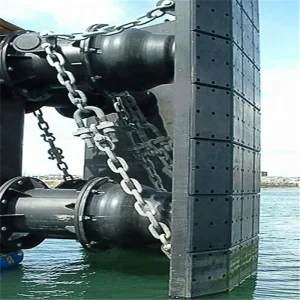
Marine environments require materials with zero moisture absorption and resistance to salt corrosion. UHMWPE fender facing pads protect dock walls and hulls from impact wear during berthing operations.
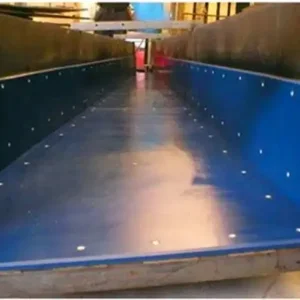
Haul truck liners and coal bunker lining plates require low friction and high impact resistance to prevent sticky materials from sticking to the surface, maintaining material flow.
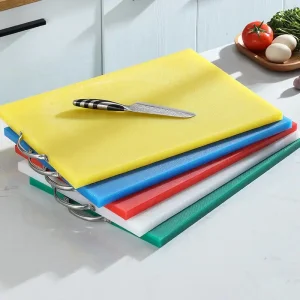
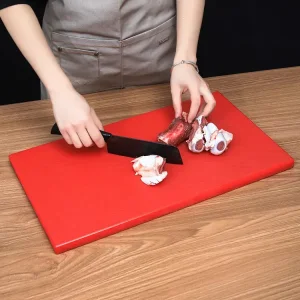
FDA-compliant HDPE sheets are designed for industrial cutting surfaces and chemical storage structures due to their resistance to harsh detergents and acids.
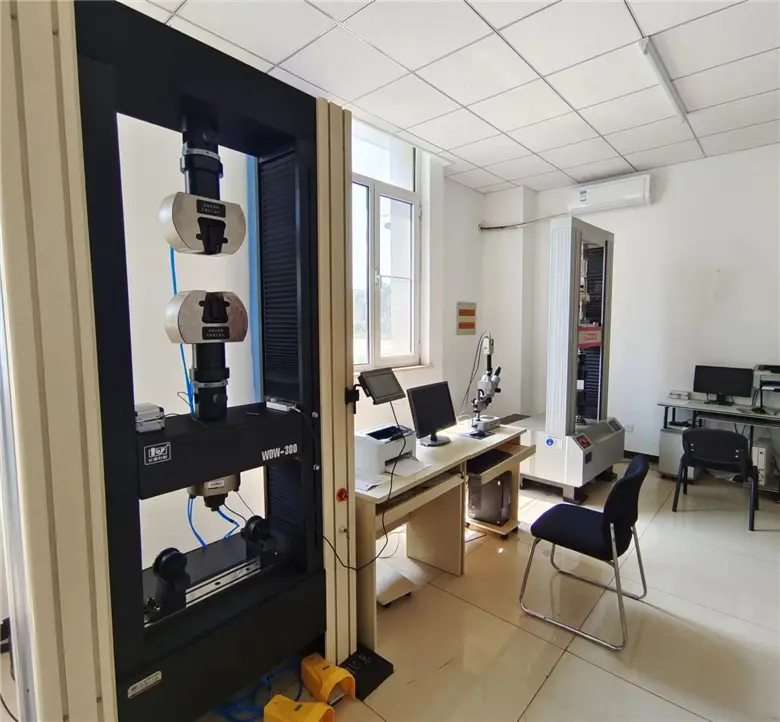
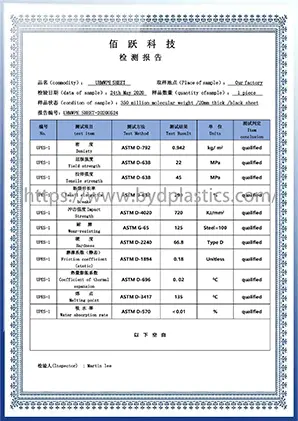
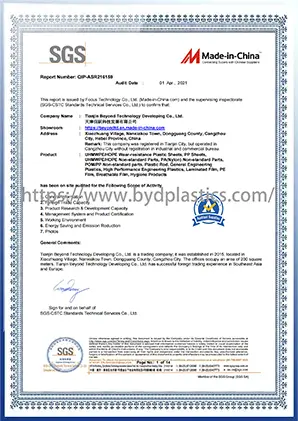
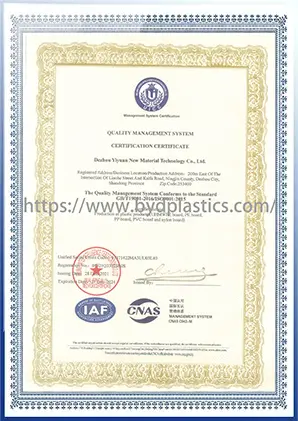
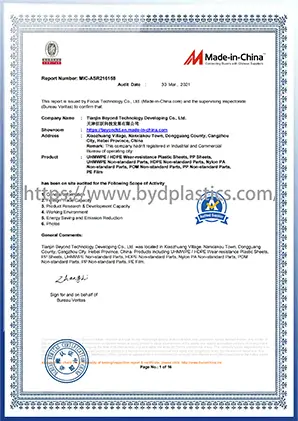
Tianjin Beyond operates under the ISO9001:2015 quality system, with certification and inspection support from SGS and BV. Every step of our process—from incoming material verification to CNC dimensional checks and final product testing—is documented with a Certificate of Analysis (COA).
Our research and development team collaborates with polymer engineering universities to improve molecular formulation properties. Testing equipment monitors wear characteristics, impact thresholds, and temperature limits for critical industrial components.
The main differences are molecular weight and wear resistance. PE300 (standard HDPE) is ideal for chemical tanks and thermoforming due to its weldability. PE500 provides intermediate mechanical properties for food prep and guide strips. PE1000 (UHMWPE) features high abrasion resistance and impact strength, making it suitable for heavy-duty components like marine fenders, chute liners, and chain guides.
We partner with global resin producers such as TICONA, LG, and Sinopec. Every incoming polymer batch undergoes melting index verification, density tests, and contamination checks. A Certificate of Analysis (COA) is generated for each production run to ensure compliance.
Yes. We incorporate carbon black and conductive additives to achieve anti-static surface resistivity of 10^5 to 10^9 ohms/sq. For outdoor use, UV stabilizers are added during compounding to prevent cracking under long-term solar exposure.
Our gantry CNC mills and routers achieve tolerances of +/-0.05mm on custom components. For thick compression-molded plates, we perform planar calibration milling to ensure flat mounting surfaces.
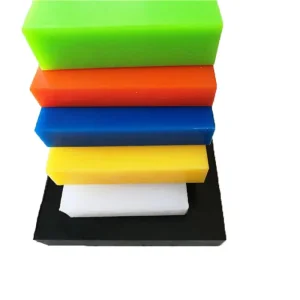
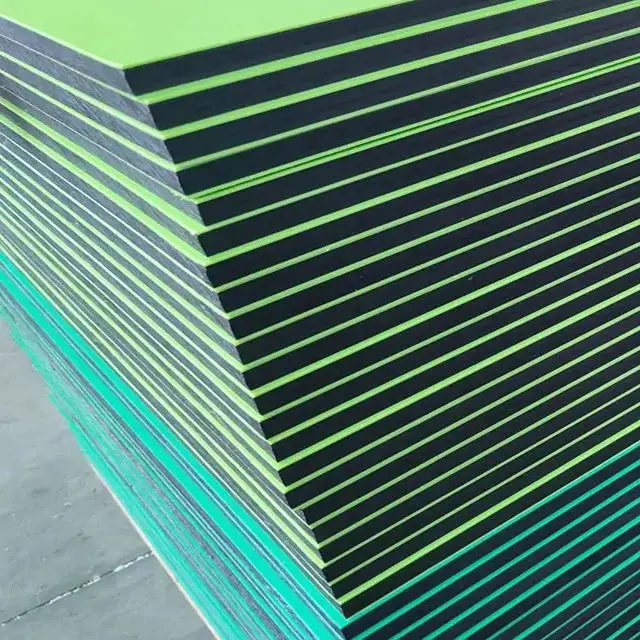
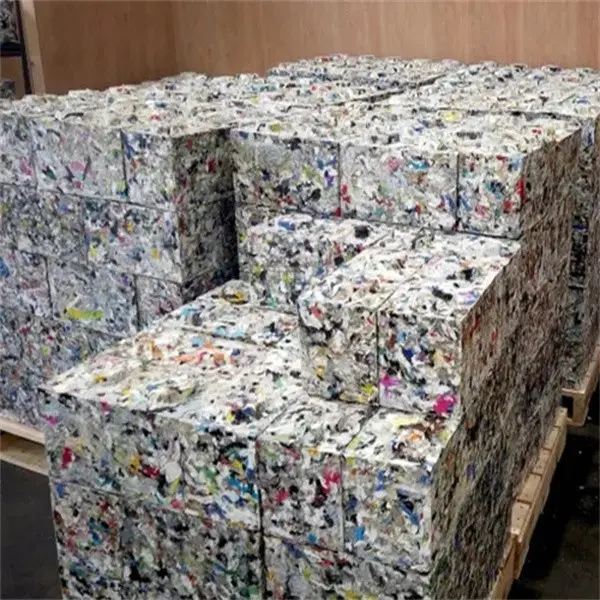
Yes, we manufacture eco-friendly, mixed-color recycled HDPE and UHMWPE sheets. These panels maintain good mechanical durability and chemical resistance at a lower price point, helping organizations meet their green building and carbon reduction goals.
Procurement teams can submit technical drawings (CAD, DWG, DXF, or PDF formats). Our engineering department reviews the geometries and generates a processing simulation to calculate materials and cycle times, providing an accurate quotation.

 Beyond