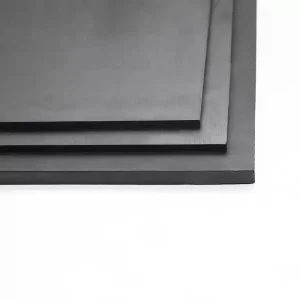
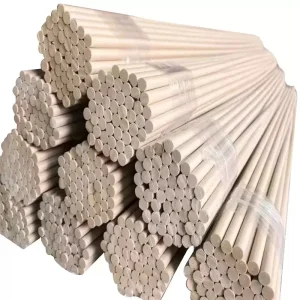
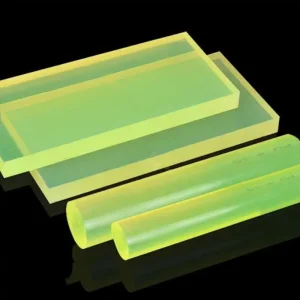
Polyurethane, commonly a new composite material between plastic and rubber, is formed after chemical reaction of polymer polyalcohol and isocyanate through chain extension and cross linkage. It is divided into polyether and polyester according to its backbone chain.
Polyurethane is a unique composite material positioned between plastic and rubber. It is produced through the chemical reaction of polymer polyalcohol and isocyanate, involving chain extension and cross-linkage processes.
What are the primary types of Polyurethane?
Depending on the structure of its backbone chain, polyurethane is generally categorized into two main types: polyether-based and polyester-based.
What is the typical hardness and density of PU Sheets?
Our PU sheets feature a hardness range of 87-90A and a density between 1.15 to 1.2 g/cm3. The physical datasheet specifies a hardness of 90A and a density of 1.18 g/cm3 for PU Sheets/Rods.
What standard sizes and thicknesses are available for PU sheets?
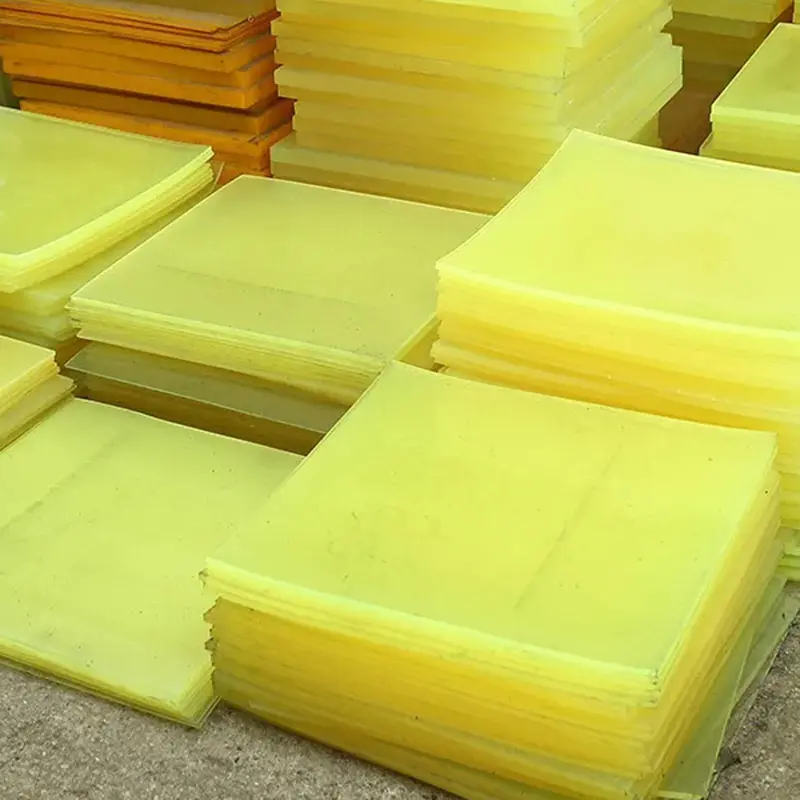
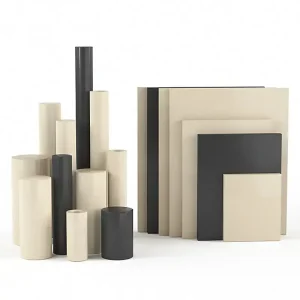
We offer thickness options ranging from 1mm to 100mm. Standard sizes include 300*300mm, 500*500mm, 1000*1000mm, 1000*2000mm, 1000*3000mm, and 1220*4000mm.
What are the key applications for PU Sheets and Rods?
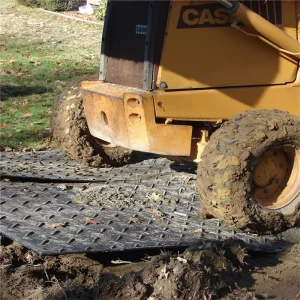
Thanks to its high tensile strength and resilience, polyurethane is widely utilized across industries such as mining operations, building materials, and automobile manufacturing.
What color options do you provide for polyurethane products?
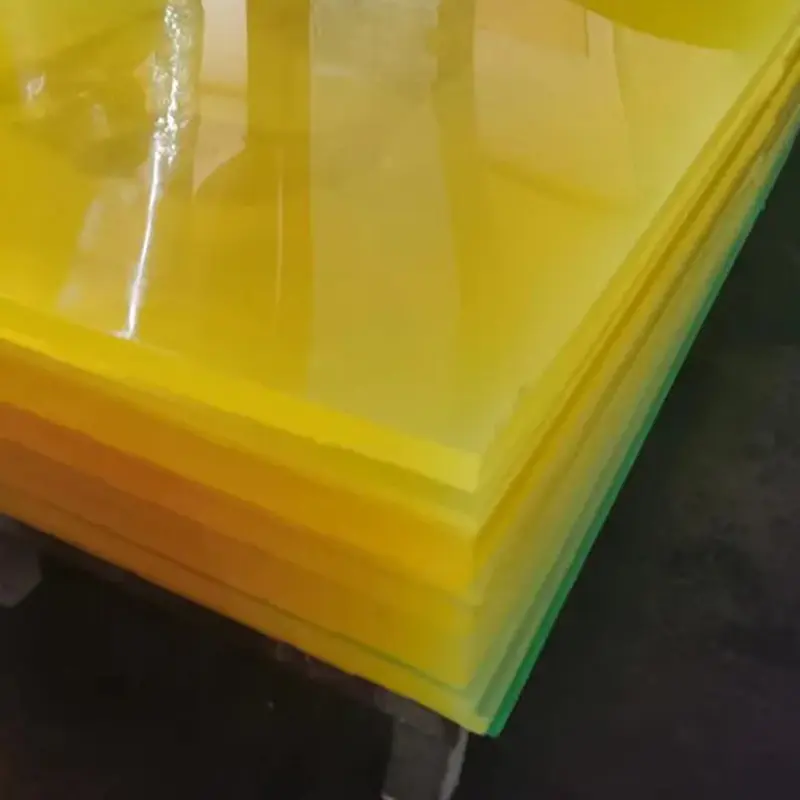
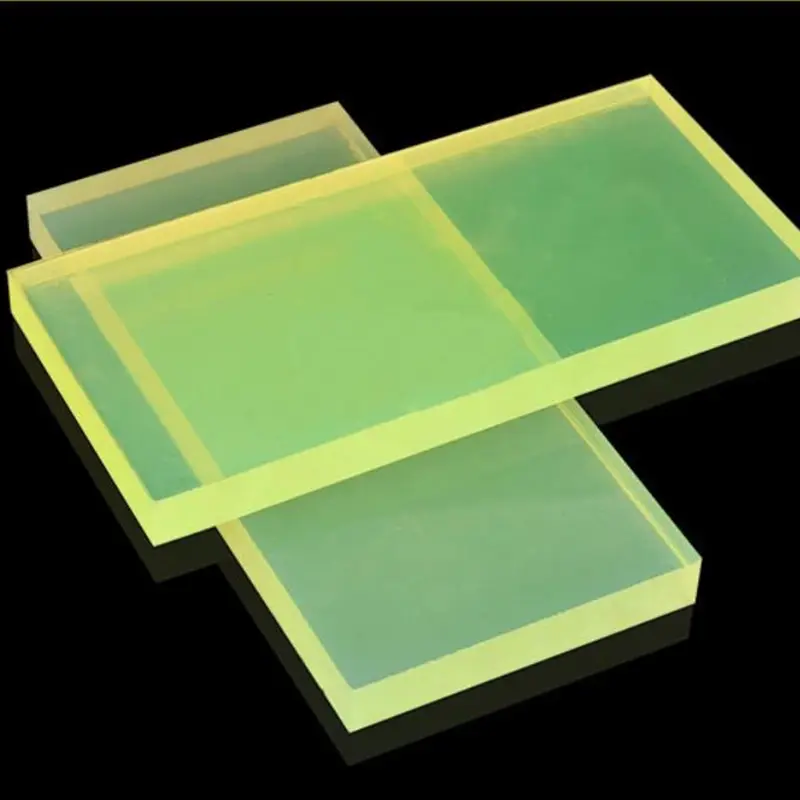
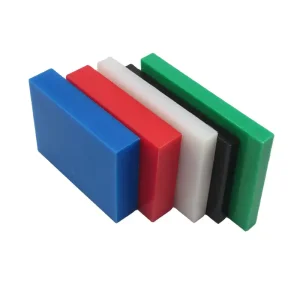
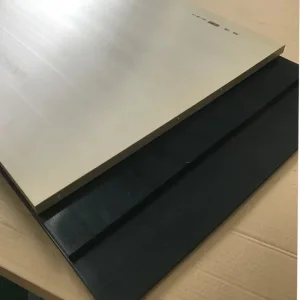
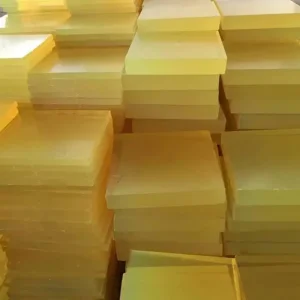
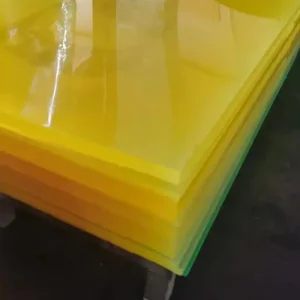
Standard PU sheets are available in natural, golden yellow, red, and yellow colors, while our physical datasheet specifications highlight White, Tea, and Red options.
 Beyond