Explore our high-performance manufacturing lineup, featuring custom fabrication, advanced extrusion, and precision engineering materials.
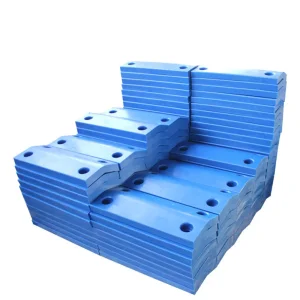
High-impact resistance and zero moisture absorption, serving global marine ports with reliable impact protections.
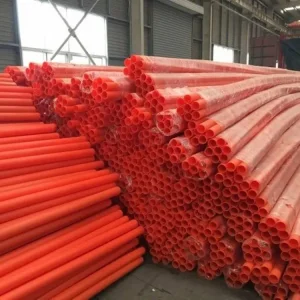
Durable slurry transport pipeline configurations designed to withstand constant abrasive media conveying.
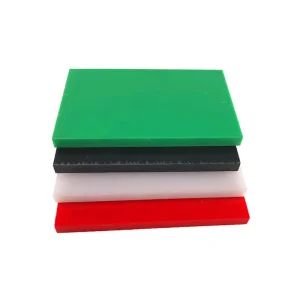
Optimized compression-molded sheets providing low-friction and wear-resistant characteristics.
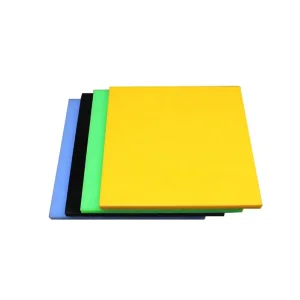
High-density polyethylene materials optimized for chemical reservoirs and light-duty industrial applications.
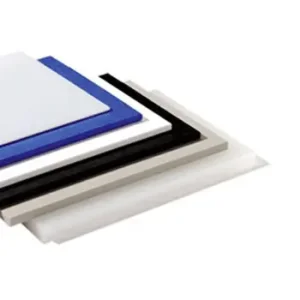
Exceptional thermal integrity and chemical resistance, suited for hot corrosion process environments.
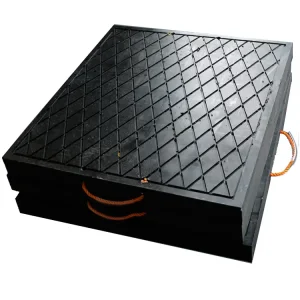
Engineered to distribute high mechanical loads safely, avoiding unstable rigging footing under heavy cranes.
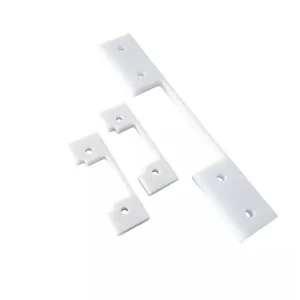
Wear-resistant scraper blades optimized for mining, aggregate, and agricultural conveyor systems.
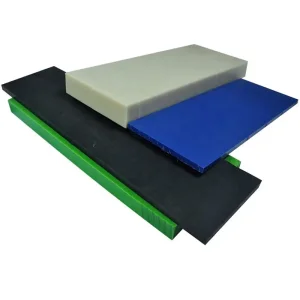
Premium unrefined monomer nylon stock offering solid mechanical properties and easy machining profiles.
Monomer Cast (MC) Nylon Black, chemically designated as Cast Polyamide 6 (PA6G) reinforced with Molybdenum Disulfide (MoS2) or Carbon Black fillers, represents the pinnacle of heavy-duty, self-lubricating engineering thermoplastics. Unlike extruded nylons which undergo high mechanical stress during their extrusion drawing, MC Nylon is produced via a chemical reaction called anionic polymerization. This pressure-free casting process results in high crystallinity, minimal internal residual stresses, and a significantly higher molecular weight.
By incorporating Molybdenum Disulfide (MoS2) into the casting matrix, we improve the tribological properties of the material. The finely dispersed MoS2 crystals alter the crystalline structure of the polyamide, enhancing the load-bearing capacity, reducing the coefficient of friction, and significantly increasing wear resistance in high-temperature or continuous load-bearing scenarios. It serves as a vital replacement for brass, bronze, aluminum, and steel alloys in industrial rotating and sliding assemblies.
"By transitioning from traditional bronze bearings to cast MC Nylon Black containing MoS2, industrial systems can achieve up to a 40% reduction in mechanical friction and realize up to 5x improvement in components' lifecycle operating under severe dry run environments."
How MC Nylon Black is utilized globally across high-stress environments to replace metallic alloys and improve performance parameters.
Used to manufacture high-load gears, worm drives, sheaves, pulleys, and friction plates where dry operations are required to keep the system clean and avoid dust accumulation.
Serves as a robust sliding guide, wear strip, and heavy chute liner to combat raw mineral friction, preventing continuous wear and extending conveyor framework durability.
Outperforms typical metals in seawater environments. Custom components like stern tube bearings, lock gates, and sliding blocks do not corrode, resisting marine growth and salinity.

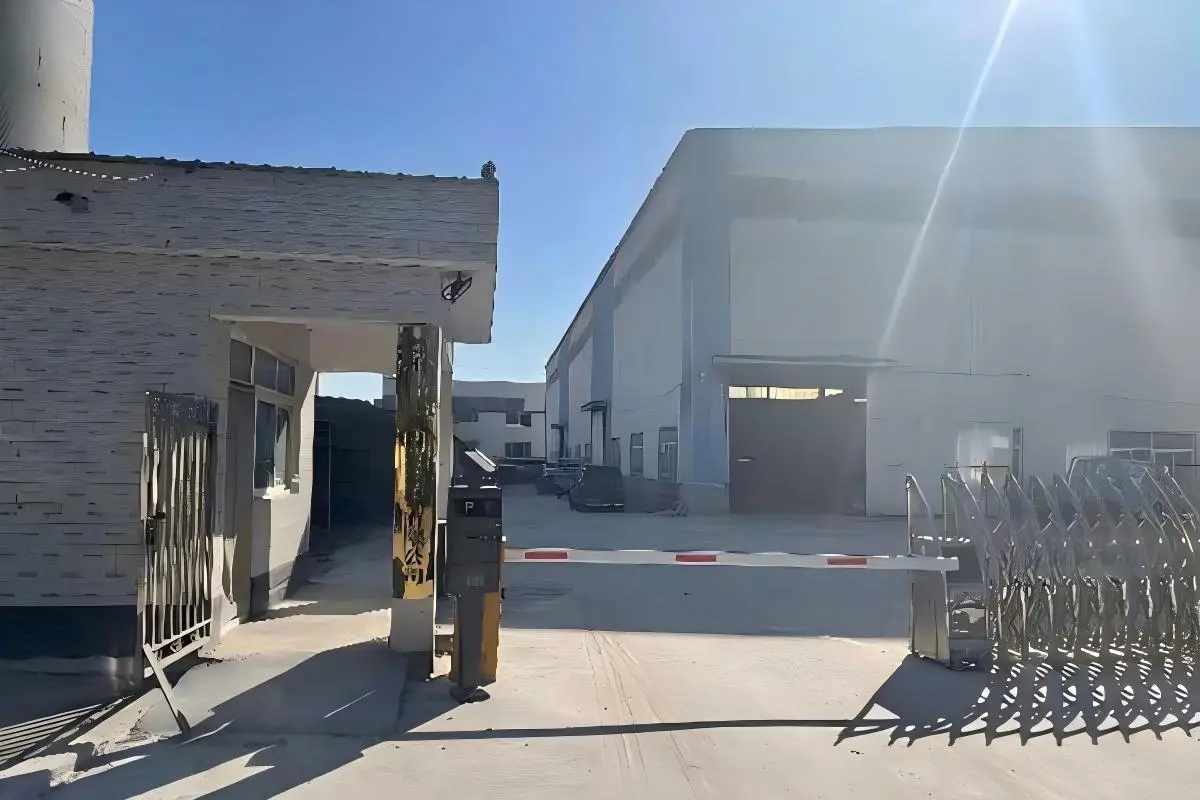
At Tianjin Beyond Technology Development Co., Ltd., we run an integrated operation model designed to balance cost efficiency, scale, and high-precision accuracy. Spanning a 50,000 square meter industrial complex, we operate state-of-the-art compression molding, cast polyamide production blocks, and precision CNC routing and machining centers. We manage raw materials via verified supply agreements with premier global polymer chemical corporations like TICONA (Celanese), LG Chem, and Sinopec, ensuring our base material retains uniform purity across every production run.
Our localized supply chain structures allow us to absorb logistical shifts, guarantee stable production schedules, and deliver large-volume custom engineering plastic parts on time. By deploying advanced gantry CNC milling machines, vertical milling centers, and specialized CNC lathes, we can mill, turn, and profile MC Nylon Black to the tightest industrial tolerances. We supply custom components that fit into assemblies without needing secondary on-site processing.
A double-blind system checking quality from incoming raw material to outbound precision parts.
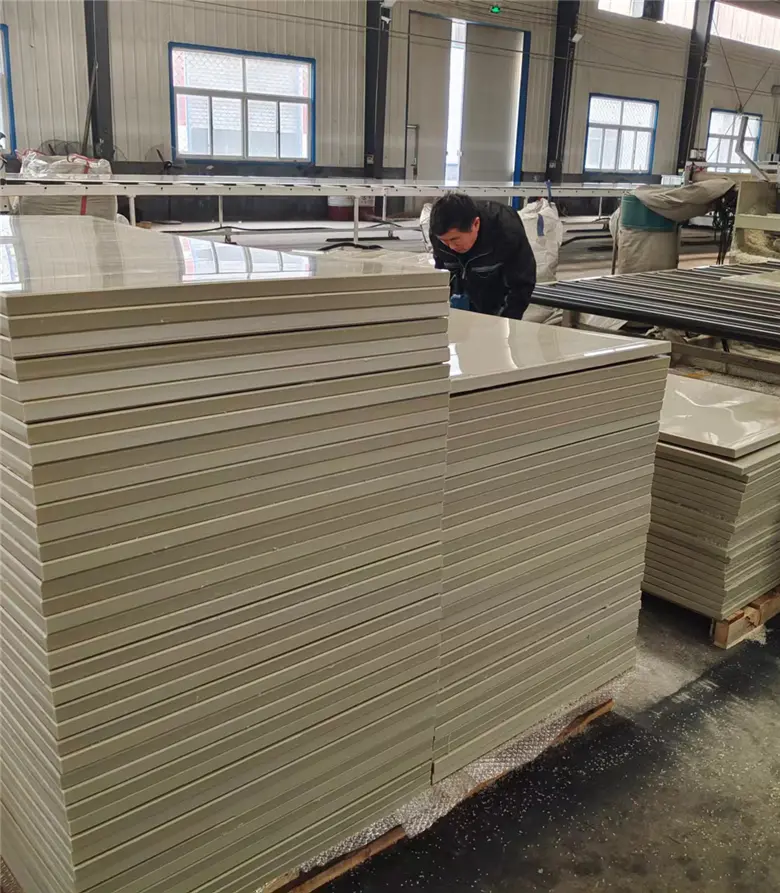
Premium products come from high-quality raw materials. We source virgin polymer compounds and raw feedstocks through highly structured channels. Our partners include global standard providers such as TICONA, LG, and Sinopec, guaranteeing high-purity inputs for manufacturing high-wear products.
Ya'an Times Biotech Co., Ltd. is located in Ya'an, Sichuan, where the altitude varies greatly from 525 meters to 7555 meters. The diverse landforms and ambient temperatures provide a proper growth environment for a large number of plants which are main sources of high-quality pure natural raw materials of our products. The raw material oils used in the production of essential oils, food and cosmetics are the second largest category of our products, such as camellia oil, eucalyptus oil, turmeric oil and pepper oil, etc. Times Biotech selects high-quality raw materials with high standards, strictly controls and supervises the whole production and extraction process, and adopts strict inspection standards to guarantee our oils to be the premium raw material oils which can be your best choice for your products.
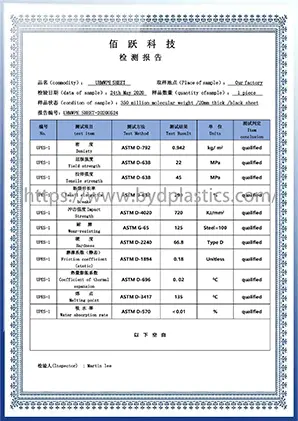
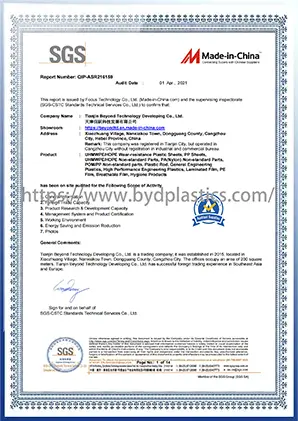
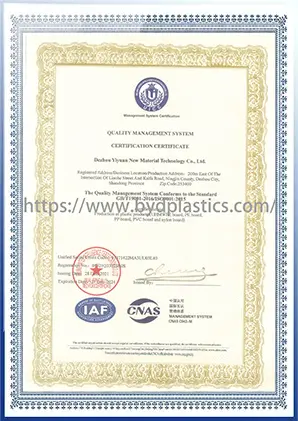
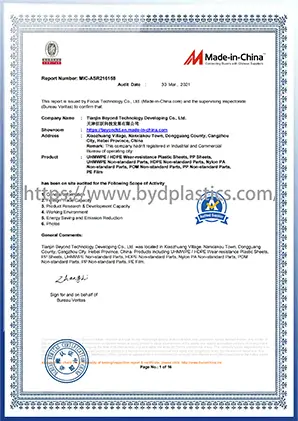
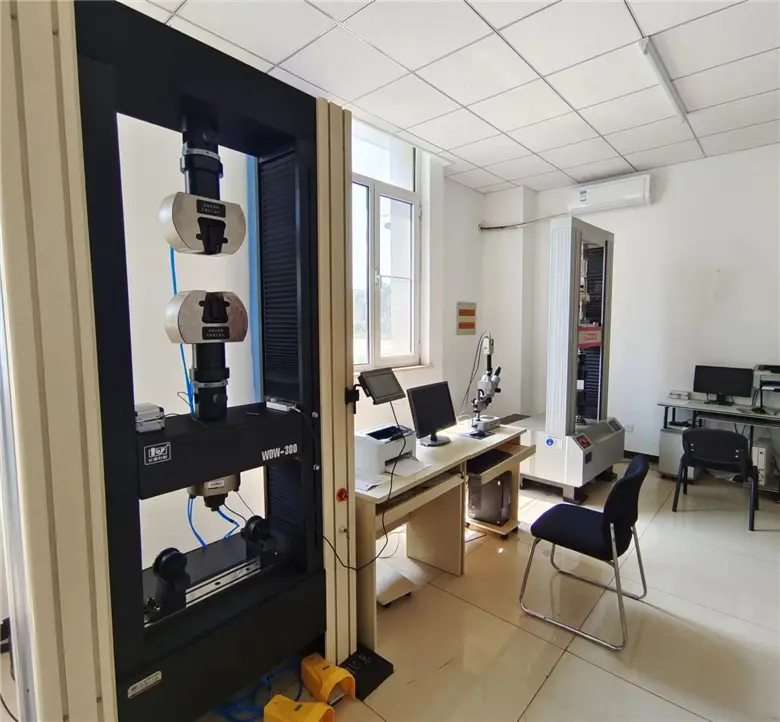
We maintain an independent laboratory and R&D team composed of experienced materials experts and engineering plastics technicians. Our operations align with ISO9001, SGS, and BV frameworks, validating that our casting materials, tolerances, and physical integrity correspond to global engineering directives.
A structural comparison between cast polymer structures and common metallic bearing alloys.
The operational value of MC Nylon Black (PA6G+MoS2) stems from its structural chemistry. The anionic polymerization reaction happens at around 140°C to 160°C, well below the melting point of Polyamide 6 (approx. 220°C). This allows the polymer chains to form highly ordered, dense crystalline matrices. The resulting crystallinity can exceed 45%, compared to 30%-35% for traditional extruded PA6. When MoS2 is added to the melt during casting, it acts as a nucleating agent, promoting smaller spherulite crystal sizes. This improves the hardness, stiffness, and compressive strength of the final material, while also lowering the thermal expansion coefficient.
| Property / Metric | MC Nylon Black (PA6G + MoS2) | Natural Cast Nylon 6 | Phosphor Bronze (C54400) |
|---|---|---|---|
| Density (g/cm³) | 1.15 - 1.17 | 1.13 - 1.15 | 8.89 |
| Dynamic Friction Coeff. (Dry) | 0.15 - 0.25 | 0.30 - 0.40 | 0.35 - 0.50 |
| Tensile Strength at Yield (MPa) | 75 - 85 | 70 - 80 | 350 - 450 |
| Max. Continuous Temp (°C) | 105 - 120 | 100 - 110 | 250+ |
| Compressive Strength (MPa) | 100 - 110 | 90 - 100 | 300+ |
In addition to these mechanical characteristics, our future technical roadmap includes development of nanocomposite-reinforced cast polyamides and heat-stabilized MC Nylon formulations capable of withstanding continuous working temperatures exceeding 140°C. By refining our casting chemistry, we are introducing next-generation polymers designed to meet demanding industrial specifications.
Operating a global supply chain requires strict adherence to international material testing standards and compliance directives. All MC Nylon Black shapes, plates, and rod stocks from our facility undergo testing verified against ISO, ASTM, and DIN standards. We provide full material traceability, batch certificates, and technical test reports (including wear rate, load capacity, and Shore D density measurements).
To serve our clients internationally, we coordinate with port hubs in Tianjin and Qingdao, allowing for container logistics and consolidated ocean freight solutions. We provide customization support to engineering and design departments, including assisting with material selection based on operating environments (load parameters, chemical exposure, operating temperatures, and sliding speed values) and optimizing CNC files to reduce scrap rates.
Every shipment is verified through our laboratory using mechanical property tests, checking density and dimensional stability parameters.
We work from customer CAD/DXF data to mill custom shapes, including gears, bushings, and guides, using specialized tool paths to prevent deformation.
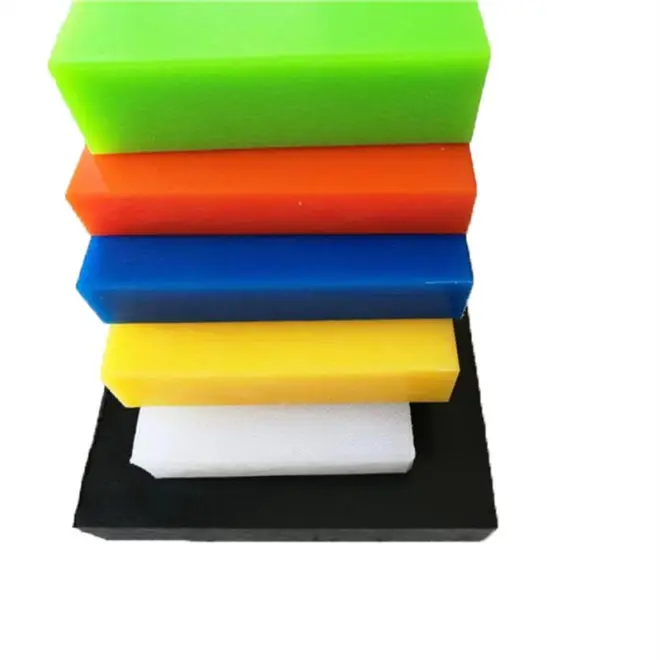
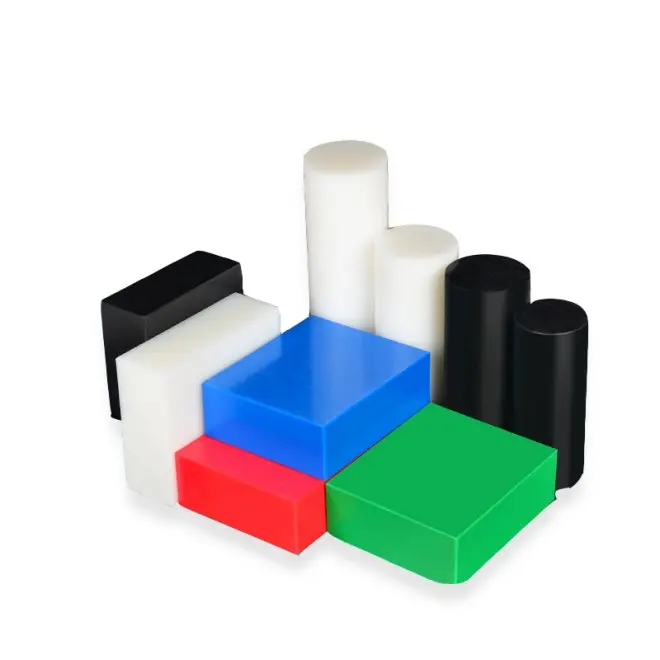
Technical answers to common engineering questions regarding the application and machining of MC Nylon Black.
MC Nylon Black is produced through monomer casting (pressure-less anionic polymerization), yielding higher molecular weight, increased crystallization, and superior structural rigidity compared to extruded natural PA6. The inclusion of Molybdenum Disulfide (MoS2) in the black variant improves self-lubrication, lowers the friction coefficient, and enhances wear resistance in abrasive conditions.
The carbon black and MoS2 additives act as natural UV stabilizers. While natural nylon tends to degrade and become brittle under constant sunlight exposure, MC Nylon Black retains its mechanical properties, making it suitable for outdoor crane outrigger pads, sheaves, and marine dock linings.
Yes, all polyamides contain amide groups that absorb atmospheric moisture (up to 5-6% at saturation). This absorption leads to slight dimensional changes and a minor reduction in tensile strength, though it increases impact toughness. For high-precision components operating in wet conditions, we recommend reviewing operational tolerances or substituting with UHMWPE or PEEK if dimensional stability is critical.
Using our precision CNC routing and milling centers, we routinely achieve tolerances within ±0.05mm for small to medium components. For large-scale components (over 1000mm in size), we maintain tolerances of ±0.15mm to ±0.25mm depending on the component's geometry and operating temperature requirements.
Review our catalog of high-performance polymer options, including polyurethane, POM, and specialty sheets.
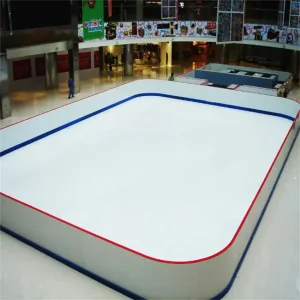
Self-lubricating, wear-resistant synthetic ice sheets providing high-quality skating surfaces year-round.
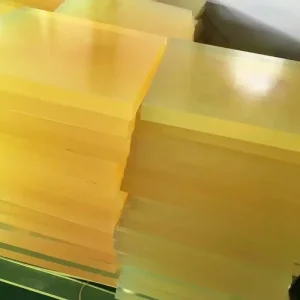
High-rebound polyurethane rods offering impact dampening and wear resistance for industrial rollers.
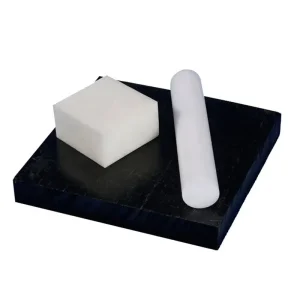
Acetal polymer materials featuring dimensional stability, low moisture absorption, and precise machinability.
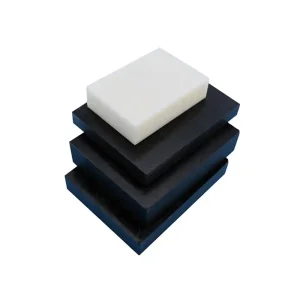
Heavy-duty, low-coefficient-of-friction PE1000 panels designed to prevent bulk material sticking and wear.
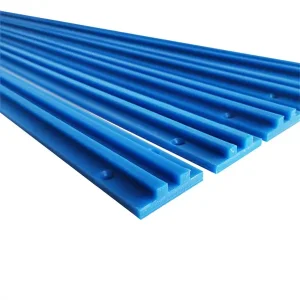
Custom-machined guide profiles designed to align and support transmission chains, reducing overall wear.
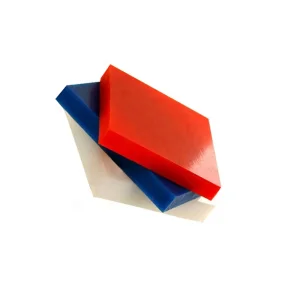
High-tensile composite structures manufactured for defense applications and ballistic armor components.
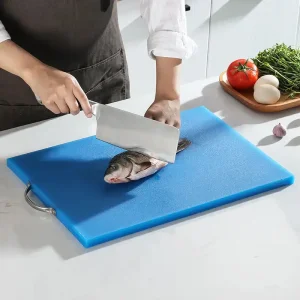
FDA-compliant, non-toxic polyethylene cutting surfaces optimized for food preparation facilities.
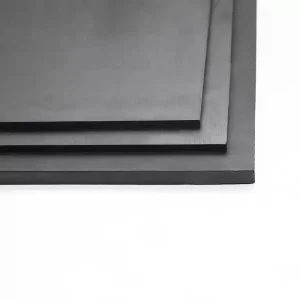
High-performance polyetheretherketone sheets, offering chemical and thermal stability for demanding industries.
 Beyond