High-durability outrigger support structures, track mats, wear sheets, and precision industrial engineering plastics.
Modern mobile crane systems, crawler cranes, and heavy lifting apparatus deploy massive payloads over highly variable soil conditions. In this critical operating interface, the choice of outrigger foundation materials determines both operational safety and structural success. Traditional timber dunnage blocks and heavy steel plate supports are rapidly becoming obsolete due to high weight profiles, structural decay, moisture absorption, and unpredictable failure mechanics.
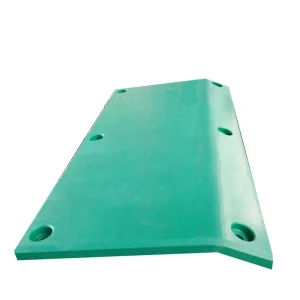
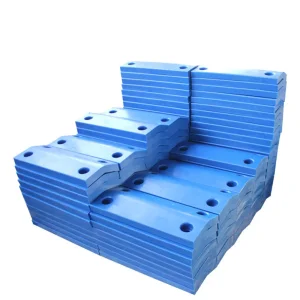
As a leading OEM PE Crane Pad Manufacturer, Tianjin Beyond Technology Development Co., Ltd. addresses this paradigm shift by producing ultra-high-density and ultra-high-molecular-weight engineered polymer solutions. Operating on the principles of high energy absorption and extreme load redistribution, our PE (Polyethylene) outrigger pads offer unmatched structural reliability, weight reduction, and weather resistance.
The global infrastructure sector relies on engineering plastics to meet stringent modern health, safety, and environmental (HSE) directives. By transitioning to engineered PE materials, operators secure a predictably high performance envelope under extreme loads up to 300 metric tons, depending on soil compaction levels, contact surface areas, and specific polymer formulations.
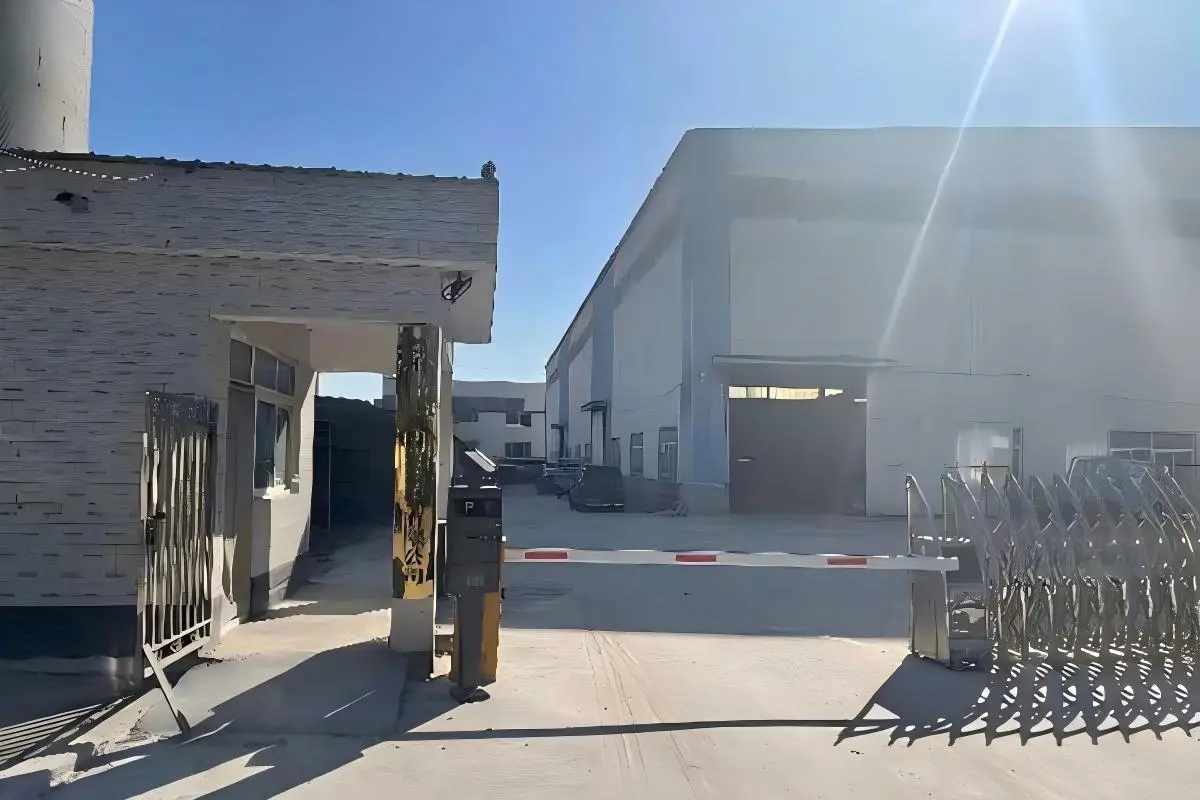
Mapping the macro-economic and logistical factors driving the replacement of traditional ground stabilization solutions.
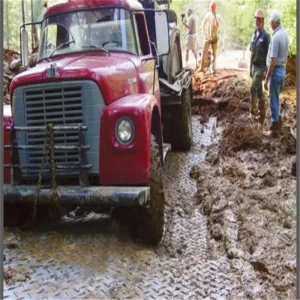
National regulatory authorities (e.g., OSHA in the US, EN 13000 in Europe) place direct responsibility on operators for stable crane setup. PE crane pads mitigate catastrophic punch-through failures by distributing concentrated point loads from metal outrigger shoes over a significantly wider ground surface area, preventing structural tip-overs.
While structural timber exhibits a low initial purchase cost, it suffers from fiber compression, internal rot, splintering, and moisture accumulation, requiring frequent replacements. In contrast, engineered PE crane pads do not rot, absorb zero water, withstand chemical attack, and feature an indefinite operational service life.
Weight reduction is critical in field logistics. High-performance PE (such as UHMWPE / PE1000) possesses a density of approximately 0.94-0.98 g/cm³, allowing it to float in water and weighing a fraction of its structural steel counterparts. Fleet operators reduce transport fuel costs and permit manual handling using integrated rope or steel wire loops.
Tianjin Beyond Technology Development Co., Ltd. — Delivering engineering excellence since 2015.
Tianjin Beyond Technology Development Co., Ltd. is a comprehensive manufacturing enterprise specializing in engineering plastic materials and precision CNC machining. Since 2015, the company has gained more than ten years of practical experience in engineering plastics manufacturing and precision CNC machining, building strong and reliable capabilities in material processing, precision control, and industrial production.
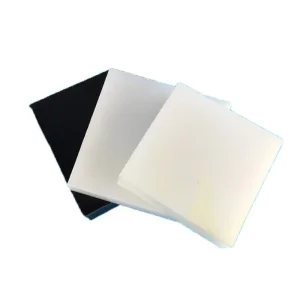
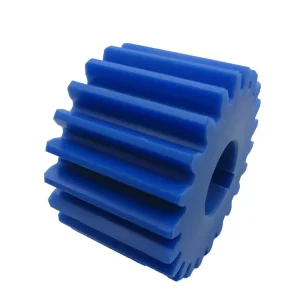
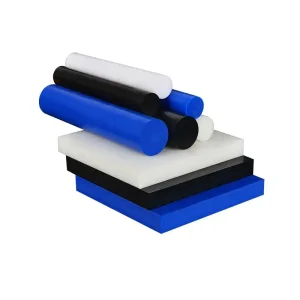
The company focuses on the manufacturing of UHMWPE, HDPE, PP, and PVC sheets and rods, as well as a wide range of custom non-standard engineering plastic components and precision metal CNC machined parts, providing flexible and application-oriented solutions for diverse industrial requirements.
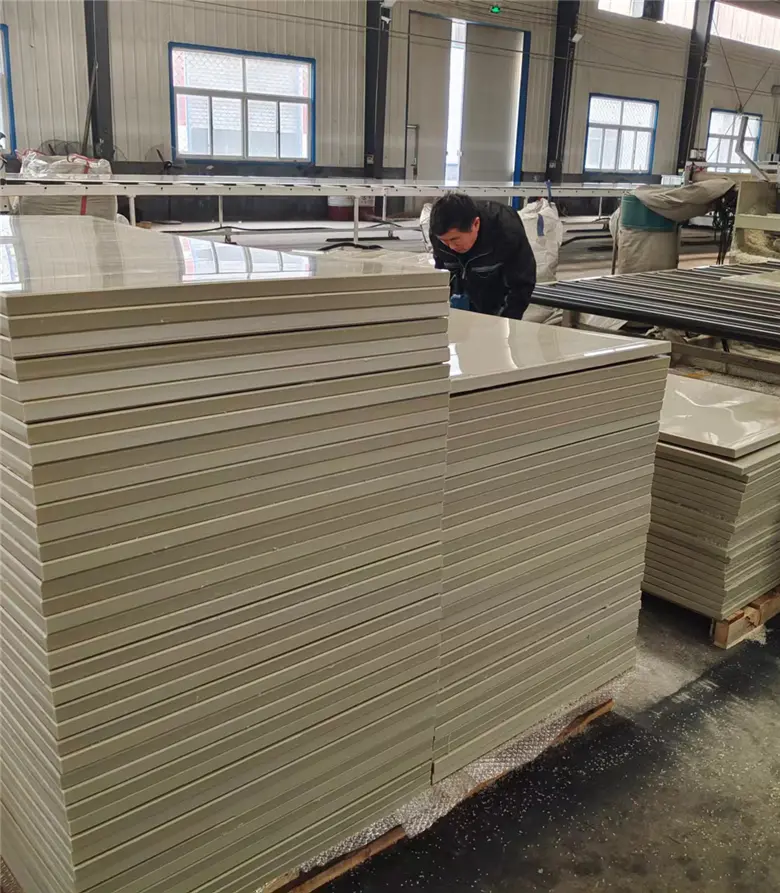
Our expansive manufacturing base integrates advanced compression molding and extrusion workshops, a precision CNC machining center, and a dedicated R&D facility. Outfitted with international equipment—including high-pressure compression molding lines, gantry CNC lathes, gantry CNC milling machines, and large-scale CNC engraving systems—we ensure consistent quality, maintain efficient production, and deliver high-precision, large-volume, and customized products that meet the highest industrial standards.
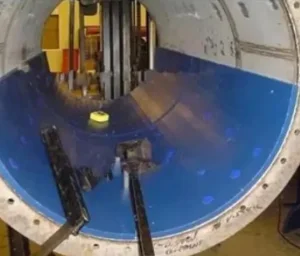
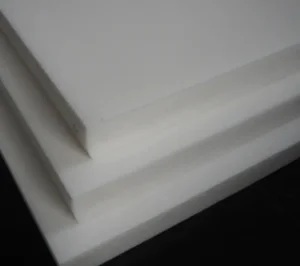
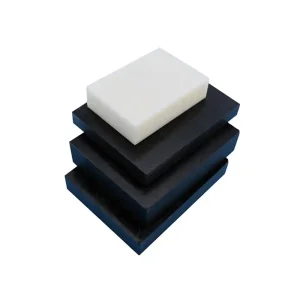
We specialize in the production of customized UHMWPE (PE1000) sheets, UHMWPE rods and processed parts, dock fender pads, crane outrigger pads, antistatic UHMWPE sheets, flame retardant UHMWPE sheets, radiation protection polyethylene sheets, coal bunker liner sheets, HWMPE (PE500) wear-resistant sheets, and various processing accessories.
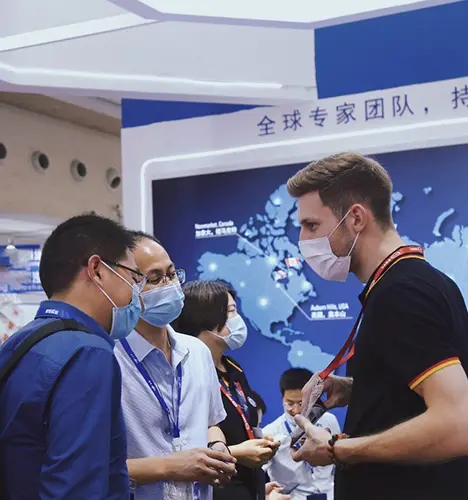
Furthermore, we maintain strong quality partnerships, operating as a high-quality raw material purchaser of TICONA, LG, Sinopec, and other major petrochemical companies. Cooperating closely with universities, colleges, and engineering plastic institutes, Beyond has established itself as an authoritative research and manufacturing center in China, serving regular industrial buyers across North America, Europe, Australia, and the Middle East.
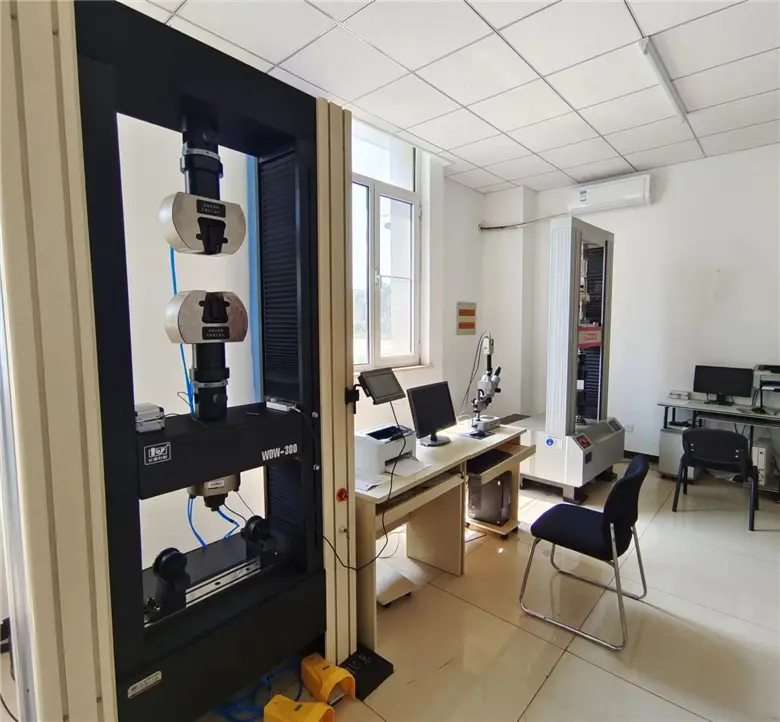
Quality + Speed + Service = Value. By focusing on the entire pipeline from raw resin checking to 3D coordinate measurement testing, we guarantee that no non-conforming outrigger pads exit our factory gates.
From custom CNC-routed non-slip surface textures (recessed centers, circular grooves, high-friction cross-hatch profiles) to custom dimensions, handle types, and integrated logos, we tailor solutions to match your fleet specs.
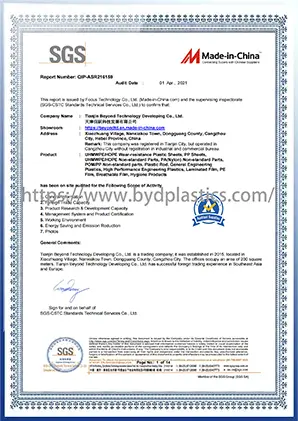
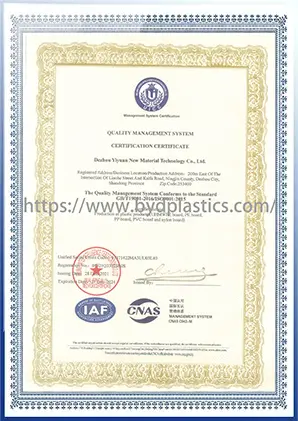
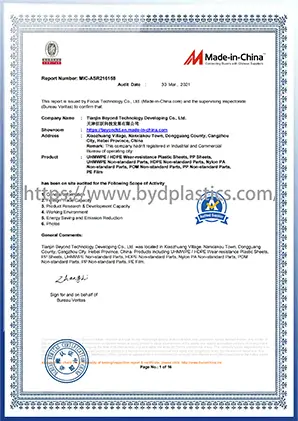
Our factory processes are certified to ISO 9001, SGS, and BV standards. Complete material traceability data sheets, compressive strength certificates, and COA reports are provided with every industrial order.
How our group level partnerships guarantee pure raw materials across all manufacturing verticals.
By applying the same rigorous chemical composition, molecular weight trace testing, and strict batch monitoring systems required by our biotechnology and oil extraction divisions, Tianjin Beyond Technology ensures that its polymer raw materials—including pure UHMWPE resin from Ticona, LG, and Sinopec—are 100% free of contaminants, fillers, or uncertified scrap plastics.
This cross-industry quality baseline is the core secret behind why BEYOND's crane pads achieve significantly higher compressive fatigue life compared to budget manufacturers using unsorted municipal plastic scrap.
We undergo comprehensive third-party audits to guarantee material compliance for defense, aviation, and infrastructure operations.
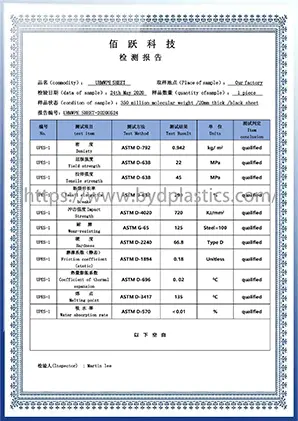
An analytical breakdown of the physical characteristics that define heavy lifting stability.
| Technical Property | UHMWPE (PE1000 / PE100) | HDPE (PE300) | Traditional Structural Timber |
|---|---|---|---|
| Molecular Weight (g/mol) | 3.0 to 9.2 Million | 200,000 to 500,000 | N/A (Heterogeneous) |
| Compressive Yield Strength | > 25 MPa | > 20 MPa | 3 - 10 MPa (Varies by moisture) |
| Water Absorption (%) | < 0.01% (Zero swelling) | < 0.02% | 15% - 40% (Rot & crack risk) |
| Deformation Elastic Limit | High (returns to shape) | Moderate | Brittle Fracture / Permanent compression |
| Chemical Resistance | Excellent (Acids, hydraulic fluid, oils) | Very Good | Degrades under chemicals |
Recommended for maximum load ratings and ultra-heavy duty lifting operations. Its extremely long polymer chains absorb shock loads, resist stress cracking, and survive abrasive terrain (rock, gravel, concrete) without peeling or structural splintering.
Highly effective, cost-optimal solution for light to medium duty mobile crane outriggers, aerial work platforms, concrete pumps, and utility vehicles. It features excellent rigidity, chemical proofing, and low temperature impact resistance.
Through our dedicated R&D facility, BEYOND manufactures modified sheets containing anti-static agents (for oil/gas environments), flame retardants (for mining/utility operations), and UV stabilizers to extend the product lifecycle to over 25 years under high-exposure desert operations.
Real-world deployments where BEYOND’s engineering polymers keep sites operating safely.
Wind turbine installations require cranes to lift multi-ton nacelles and blades at extreme heights. The cranes operate on soft agricultural fields. BEYOND's customized, large-format UHMWPE pads distribute these massive vertical dynamic loads, protecting the machinery from ground subsidence.
Working in hazardous chemical processing zones requires static-controlled equipment. BEYOND supplies custom anti-static UHMWPE outrigger pads. These specialized pads prevent spark generation from static charge buildup during crane boom movements near chemical storage tanks.
Utility service vehicles (bucket trucks, line maintenance equipment) must operate on expensive concrete, asphalt, and landscaped pathways. Standard steel outriggers tear into the ground. Our lightweight, non-marking PE outrigger pads protect public property while maintaining platform safety.
The frontier of safety-critical ground support engineering: smart sensors and circular economies.
As the construction and lifting sectors move toward real-time telemetry, BEYOND’s R&D lab is testing prototype "smart outrigger pads" embedded with thin-film piezoelectric sensors. These sensors detect shear stress and strain changes, warning operators via Bluetooth when ground shifting occurs before a crane tip-over happens.
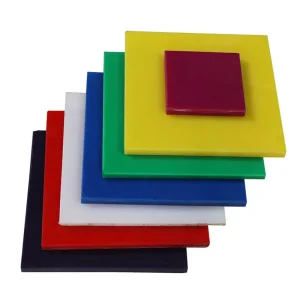
Furthermore, sustainability has become an operational requirement. Our Recycled Color Eco-friendly Mixed HDPE UHMWPE Plastic Sheets utilize clean industrial polymer off-cuts to create extremely tough, circular-economy crane pads. This reduces carbon footprints by up to 45% while maintaining critical performance thresholds, allowing contractors to win green public infrastructure tenders.
In addition, advanced laser etching systems are utilized to cut high-contrast grid layouts directly onto the top surface of the pads, allowing crane operators to verify centered outrigger alignments instantly.
Technical answers compiled by BEYOND's senior material engineers to aid in fleet planning and procurement.
The required area is calculated using the formula: Required Pad Area = Maximum Outrigger Load / Ground Bearing Capacity (GBC). Once you identify the GBC of the operating soil (e.g., 150 kPa for mixed clay) and the maximum outrigger reaction force, you determine the minimum surface area. BEYOND engineers assist in selecting the thickness based on whether the pad needs to be rigid or flexible to distribute that force.
UHMWPE has a molecular weight exceeding 3 million g/mol, which gives it extreme impact resistance, fatigue resistance, and structural memory. It will flex under maximum load and return to its original shape. HDPE, while strong, has shorter polymer chains and is more susceptible to permanent bending deformation or stress-cracking under repeated heavy point loads.
Our PE pads operate reliably in temperatures ranging from -100°C to +80°C. Unlike timber, which freezes, becomes brittle, and cracks in winter, or steel, which conducts extreme heat, PE maintains its impact resilience. Its low coefficient of thermal expansion ensures stability even on direct desert sand.
Yes. Because polyethylene is chemically inert, our crane pads are highly resistant to fuels, hydraulic oils, greases, solvents, and corrosive chemicals common to construction sites and industrial refineries. They can be pressure-washed or chemically decontaminated after use.
Depending on the size and weight of the pad, BEYOND offers custom handles: ultra-durable braided nylon ropes, heavy-duty metal chains, or integrated handle slots machined directly into the body. This enables either manual carry or forklift lifting slots for large 1000mm+ pads.
Outrigger pads should always be placed on cleared, compacted ground. However, if minor ground irregularities exist, the elastomeric properties of UHMWPE allow the pad to conform slightly without cracking, bridging the micro-gaps and securing a stable base, whereas wood would splinter and break.
Yes. We utilize advanced CNC routing systems to engrave logos, corporate names, safety warnings, load ratings, or unique asset identification serial numbers directly into the face of the crane pads. This acts as a theft deterrent and assists fleet management systems.
Our material feeds are sourced directly from trusted chemical giants, including TICONA, LG, and Sinopec. Every batch of raw resin powder undergoes density testing, viscosity testing (to verify molecular weight), and stress testing to ensure the finished material holds up to the rigorous demands of lifting infrastructure.
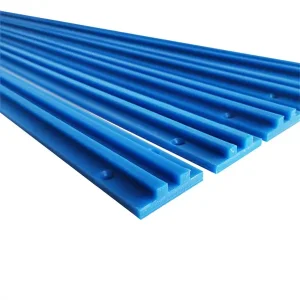
Expanded list of engineered profiles, liners, and precision machinery components.
 Beyond