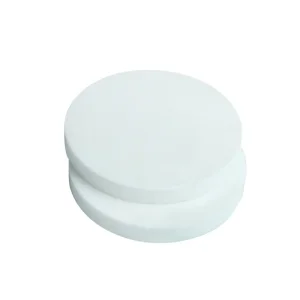
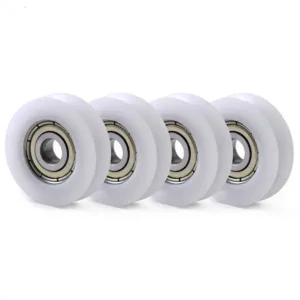
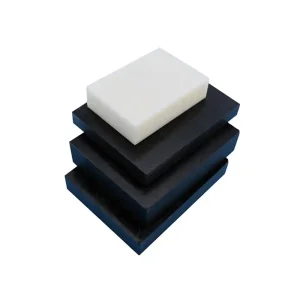
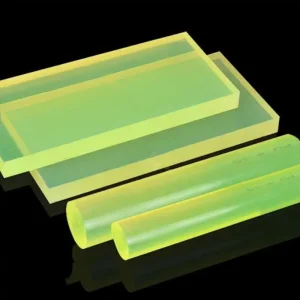
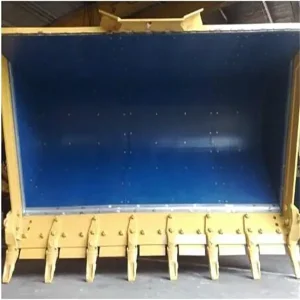
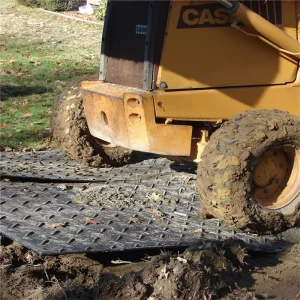
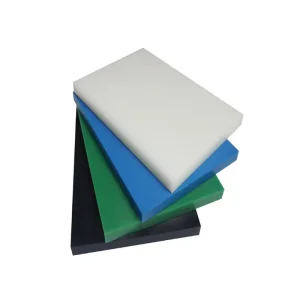
Explore our key heavy-duty industrial plastic products, custom molded and processed to meet global structural and engineering demands.
In heavy industry, filtration processing, and structural engineering, selecting the right material is paramount to operational longevity. Перфорированный Лист Пластик (perforated plastic sheet) is increasingly replacing traditional stainless steel and aluminum panels. The reasons are clear: outstanding chemical inertness, high strength-to-weight ratio, structural elasticity, and virtual immunity to electrochemical corrosion.
By utilizing specialized engineering polymers—such as Ultra-High Molecular Weight Polyethylene (UHMW-PE), High-Density Polyethylene (HDPE), Polypropylene (PP), Polyvinyl Chloride (PVC), Polytetrafluoroethylene (PTFE), and Polyoxymethylene (POM)—designers can specify exact hole patterns, open-area ratios, and thickness margins. Whether processing aggressive acids in chemical scrubbers, designing acoustic dampening panels in marine applications, or optimizing cleanroom airflows, the mechanical properties of modern perforated plastics ensure uninterrupted production cycles.
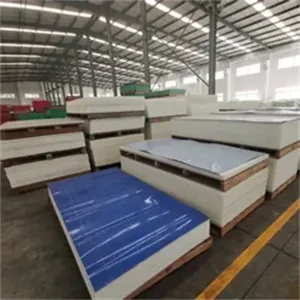
Established in 2015, Tianjin Beyond Technology Development Co., Ltd. has evolved into a global powerhouse in engineering plastics processing and high-precision CNC machining. With over a decade of practical experience, the company operates an expansive production facility covering 50,000 square meters. Our integrated workshops specialize in compression molding, heavy-duty sheet extrusion, precision machining, and custom-tailored polymer modification.
Equipped with state-of-the-art international machineries, including high-speed gantry CNC lathes, custom gantry milling installations, and heavy-duty mechanical engraving systems, Tianjin Beyond is capable of maintaining sub-millimeter tolerances (±0.05 mm) on sheets up to several meters in dimension.
As a verified purchaser of high-grade raw polymer materials from world-renowned producers including TICONA, LG, and Sinopec, we ensure that every batch of raw material exhibits optimal density, mechanical integrity, and batch-to-batch consistency. Our materials comply fully with ASTM and ISO industrial standards.
From raw industrial slabs to custom-machined wear elements and perforated filtration sheets, we service machinery builders, mineral processing facilities, chemical plants, and construction conglomerates in over 40 countries across Europe, North America, and Central Asia.
Procurement directors in chemical logistics, agriculture, mining, and food-grade packaging face unique operational environments. When looking for high-quality OEM perforated plastic suppliers, they rely on data-backed chemical properties. Standard sheet dimensions range from thickness coefficients of 1mm up to 200mm, with perforation diameters ranging from ultra-fine 0.5mm micro-apertures to large 50mm sorting pockets.
| Polymer Type | Common Trade Names | Max Temp (°C) | Primary Industrial Advantage | Best Perforation Style |
|---|---|---|---|---|
| UHMWPE (PE1000) | Tivar, Polystone | 80°C | Ultra-high abrasion resistance, zero water absorption, low friction. | CNC drilled, circular staggered pattern. |
| HDPE (PE300/PE500) | High-Density Polyethylene | 90°C | High impact strength, superior structural rigidity, FDA approved. | Rotary punched or CNC milled. |
| Polypropylene (PP) | Homopolymer PP | 110°C | Unmatched chemical stress cracking resistance, lightweight. | Hot needle or high-speed CNC router. |
| PTFE | Teflon | 260°C | Extreme temperature limit, universal chemical resistance. | CNC precision punch / custom profile. |
| Nylon (PA6 / PA66) | Polyamide | 120°C | Excellent mechanical load capacity, structural stability. | Machined, dry-cut drills. |
| POM | Delrin, Acetal | 100°C | Dimensional stability, high mechanical stiffness, low moisture. | High precision mill / thread perforation. |
Determining the ideal open-area percentage is critical. Formulaic validation:
Open Area % (Staggered 60°) = (d² * 90.69) / p²
Where d equals the hole diameter, and p equals the center-to-center pitch. Ensuring this math matches mechanical requirements prevents mechanical failure under high-pressure filtration flow.
Perforated plastics play dynamic roles in solving engineering challenges. Below are the primary industrial sectors leveraging our specialized production capabilities:
In hazardous environments processing acid vapours (such as sulfuric or hydrochloric acids), metal panels degrade within months. By utilizing perforated PP or PVC sheets as packing support plates within scrubbing towers, plants benefit from continuous operational lifetimes. The plastics withstand continuous direct spray contact without loss of structural integrity.
Municipal waste facilities utilize UHMW-PE and HDPE perforated sheets in heavy drum rotary filters. The polymer's ultra-low surface friction prevents biological matter and slurry from sticking, eliminating clogging issues common to stainless steel screens.
Industrial grain sorters, wash tanks, and drying trays require materials that comply with FDA and EU food safety standards. Perforated HDPE and PP sheets provide non-toxic, easily sanitized, washdown-compatible platforms that do not contaminate products.
The industrial plastic landscape is transitioning toward smarter, more sustainable materials. Tianjin Beyond's research and development division is pioneering advanced technologies to meet future market demands:
Operating in highly regulated global markets requires strict compliance. Tianjin Beyond is ISO 9001, SGS, and BV certified. Every raw material shipment is verified through independent laboratory testing before processing.
All plastic sheets comply with international chemical regulations, including European REACH and RoHS directives. For heavy-duty operations, certifications for flame retardancy, UV stabilization, and high impact performance are available upon request.
Find authoritative answers to common industrial engineering and sourcing inquiries about perforated plastic sheets.
Browse our additional engineering plastic sheets, rods, and CNC-machined components designed for demanding industrial operations.
 Beyond