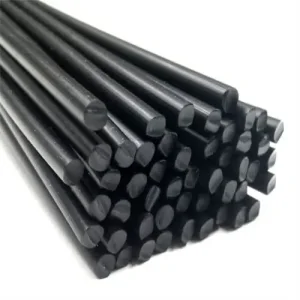
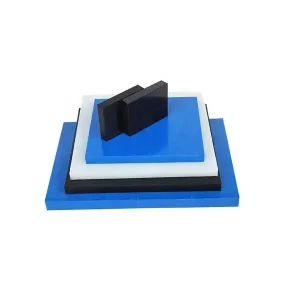
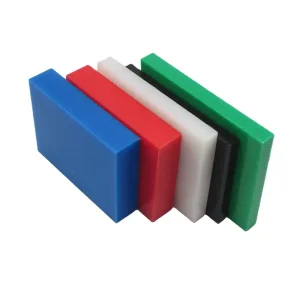
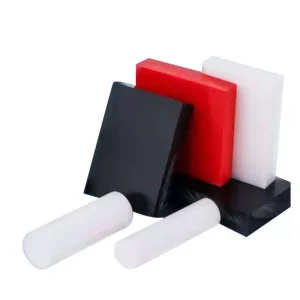
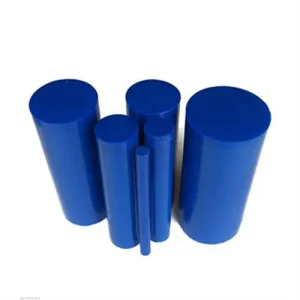
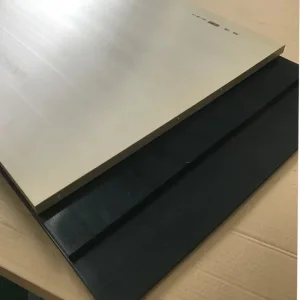
Polyethylene (PE) rods represent a foundational element in industrial engineering, bridging the gap between raw chemical stability and high-durability physical components. Among the array of thermoplastics, Polyethylene stands out due to its flexible molecular structure, allowing for classifications ranging from High-Density Polyethylene (HDPE/PE300) to Ultra-High Molecular Weight Polyethylene (UHMWPE/PE1000).
For procurement professionals, specifying the correct molecular grade is vital. HDPE offers excellent chemical resistance and high weldability, making it ideal for structural chemical containment. On the other end of the spectrum, UHMWPE (with a molecular weight exceeding 5 million g/mol) possesses unmatched impact strength and a self-lubricating surface that outperforms steel in sliding wear applications.
Tianjin Beyond Technology Development Co., Ltd. custom formulates these polymer profiles, refining crystallinity and aligning extrusion axes to deliver engineering plastic rods that withstand harsh operations without structural failure.
Selecting the right material requires comparing key mechanical indicators. This data guide details the variances in density, wear rate, and thermal boundaries between standard and ultra-high-grade polyethylene rods.
| Property Parameter | HDPE (PE300) | HMWPE (PE500) | UHMWPE (PE1000) | Standard Reference |
|---|---|---|---|---|
| Molecular Weight (Average) | ~0.3 Million g/mol | ~0.5 Million g/mol | 5.0 - 9.0 Million g/mol | Gel Permeation Chromatography |
| Density | 0.95 - 0.96 g/cm³ | 0.94 - 0.95 g/cm³ | 0.93 - 0.94 g/cm³ | ISO 1183 / ASTM D792 |
| Relative Abrasion Wear Rate | 100 (Baseline) | 80 (Improved) | 15 (Superior Resistance) | Sand-Slurry Test (Steel = 100) |
| Yield Tensile Strength | 22 - 30 MPa | 20 - 25 MPa | 18 - 22 MPa | ISO 527 / ASTM D638 |
| Coefficient of Sliding Friction | 0.25 - 0.30 | 0.20 - 0.22 | 0.10 - 0.15 | Dry on Steel (ASTM D1894) |
| Continuous Operating Temp | -50°C to +80°C | -100°C to +80°C | -269°C to +80°C | Thermal Stability Limit |
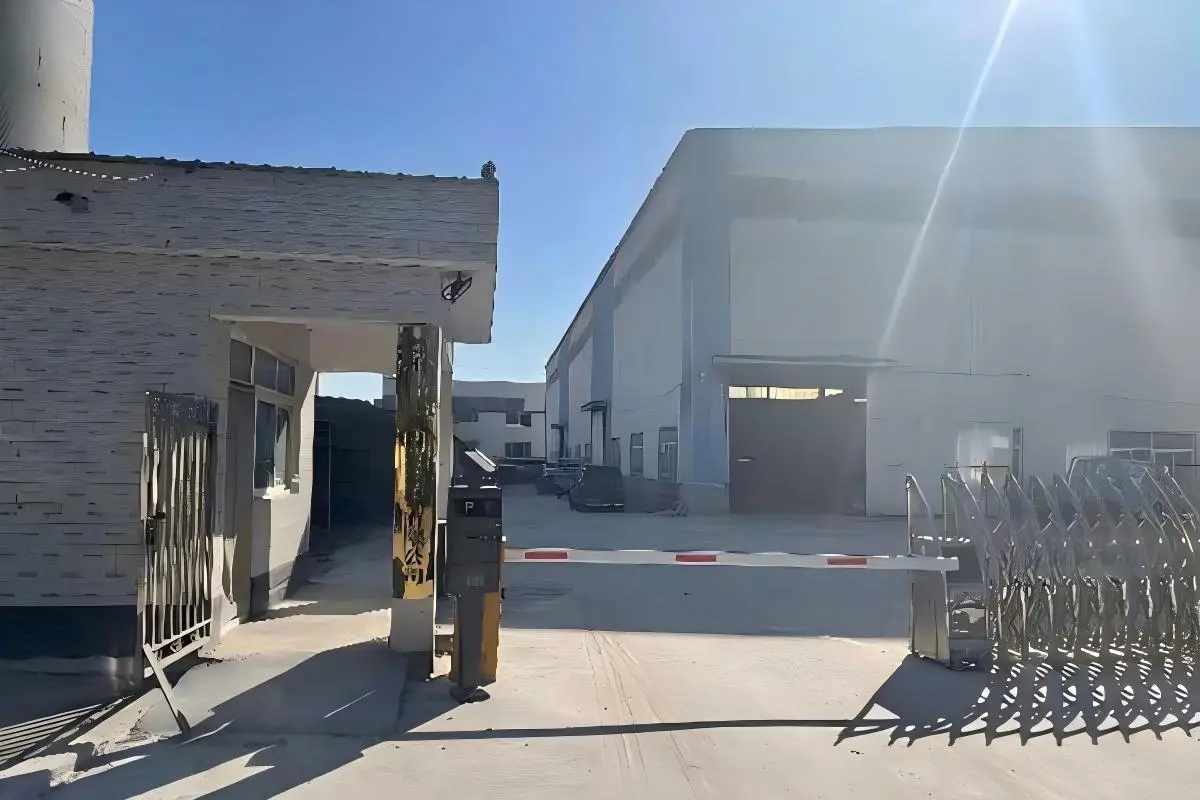
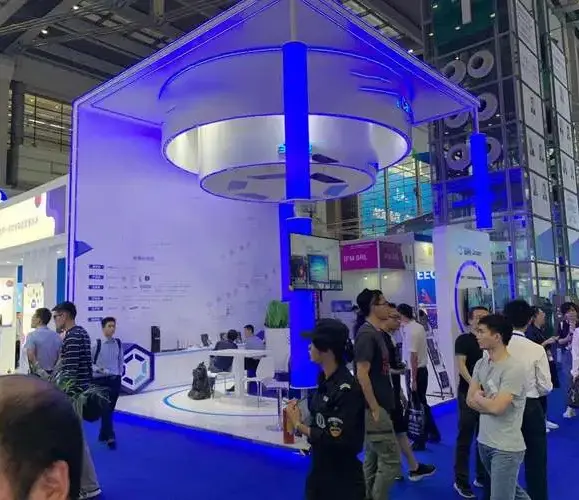
Tianjin Beyond Technology Development Co., Ltd. stands as a leading manufacturing enterprise specializing in engineering plastic materials and precision CNC machining. Established in 2015, we draw upon over a decade of practical experience, delivering consistent quality and scale to global industrial buyers.
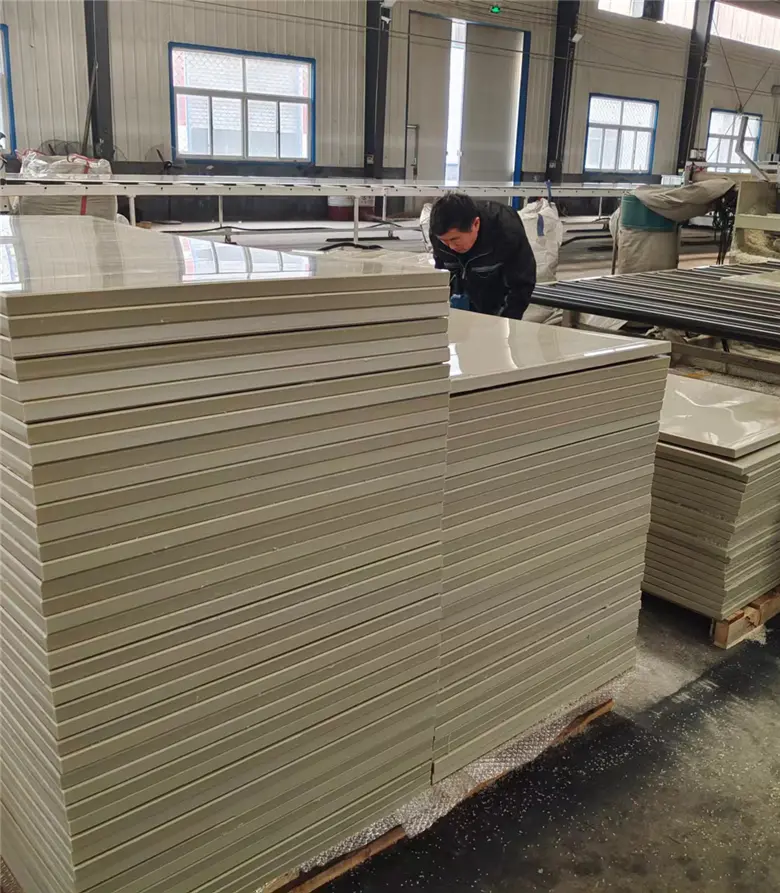
Our manufacturing base integrates compression molding and extrusion workshops with a modern CNC machining center. Outfitted with heavy machinery, including gantry CNC lathes, gantry CNC milling machines, and large-scale engraving systems, we process raw sheets and rods into finished precision products.
This vertical integration ensures consistency and quality. From compounding the raw resin to the final tolerance checks on high-speed CNC centers, every step remains under strict quality control. As a reliable manufacturing partner, we serve buyers in heavy machinery, marine engineering, food processing, and chemical sectors.
Our commitment to quality starts with certified raw materials. Tianjin Beyond maintains strategic purchasing partnerships with leading global chemical producers, including TICONA (Celanese), LG Chem, and Sinopec. By utilizing high-purity virgin resins, we ensure our UHMWPE and HDPE sheets meet exact mechanical standards.
Additionally, our corporate group includes Ya'an Times Biotech Co., Ltd., located in Sichuan. This division leverages the region's diverse altitudes (ranging from 525 to 7,555 meters) to extract high-quality raw oils, including camellia oil, eucalyptus oil, turmeric oil, and pepper oil, for essential oil, food, and cosmetic applications.
This ecological focus benefits our engineering plastics division as well, guiding our R&D team in exploring bio-compatible additives and eco-friendly lubricants for high-wear sliding applications. Our manufacturing processes adhere to the principle: "Quality + Speed + Service = Value".
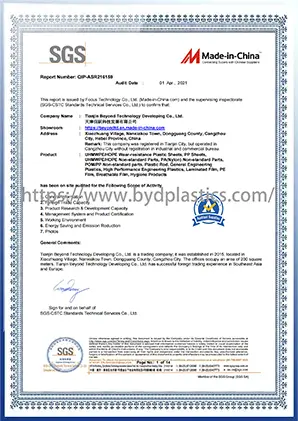
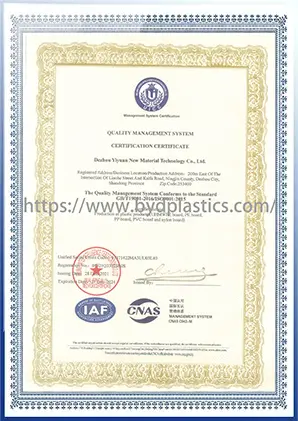
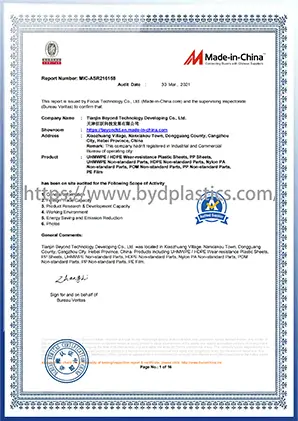
Tianjin Beyond operates under the ISO9001 quality management framework. Our materials are certified by SGS and BV, ensuring full compliance with international standards for durability, environmental safety, and structural integrity.
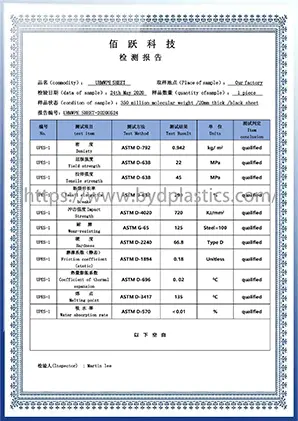
In mechanical engineering, sliding friction generates localized thermal spikes that quickly degrade standard plastics (like Nylon or Delrin) without external lubrication. UHMWPE sheets and rods address this issue through their molecular structure. The polymer chains, consisting of millions of repeating monomer units, align under friction to form a self-lubricating boundary layer. This layer prevents adhesion, minimizes friction, and protects against wear in dry sliding environments.
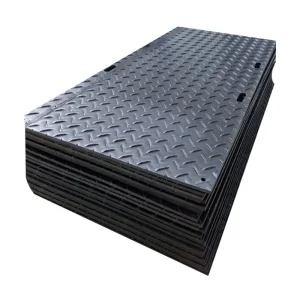
Additionally, UHMWPE possesses high impact energy absorption. In standard Izod impact testing, UHMWPE does not break, even when notched. This makes it an ideal material for protective liners, impact bars, and heavy-duty ground mats exposed to dynamic loads and abrasive slurries.
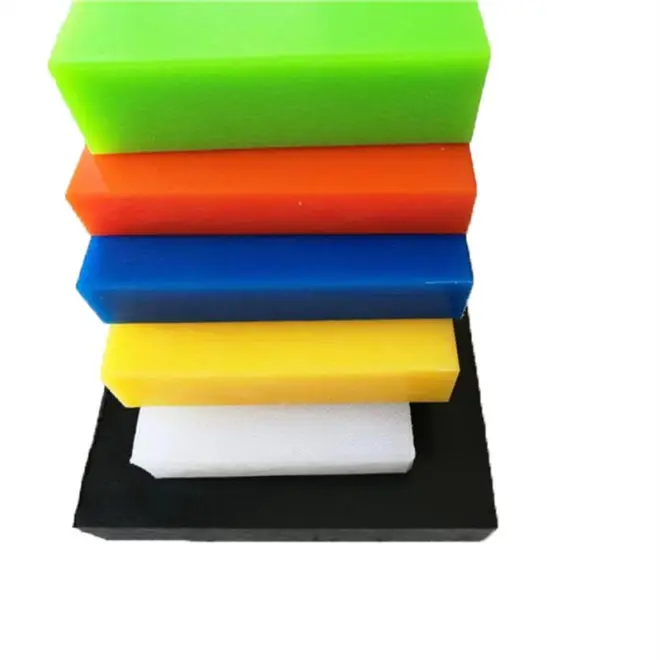
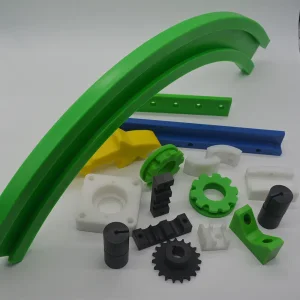
Excellent wear and impact resistance, making it suitable for conveyors, hopper liners, and guide rails.
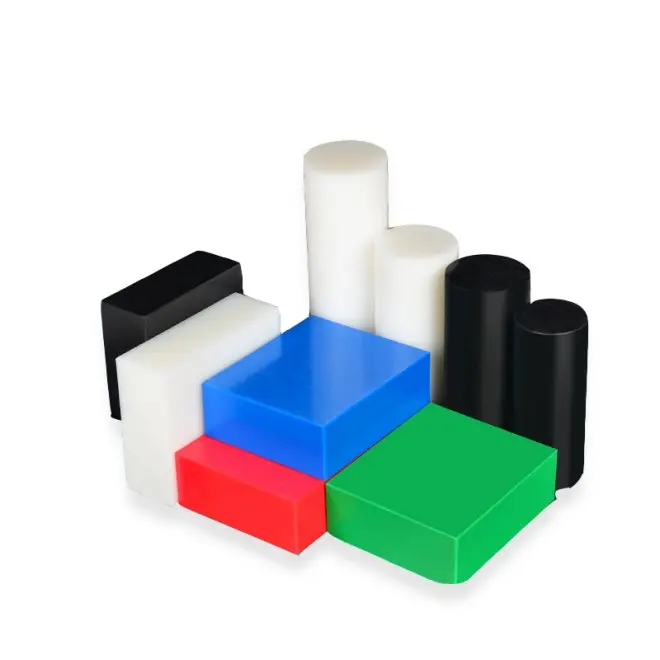
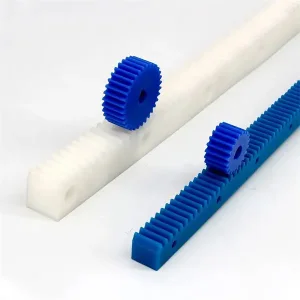
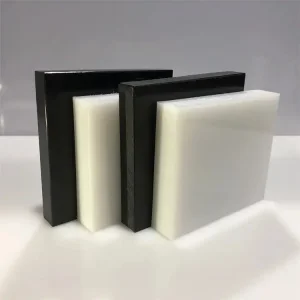
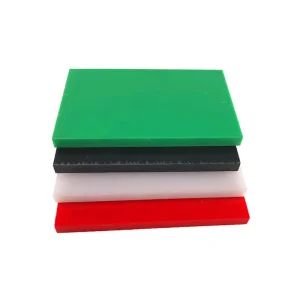
Self-lubricating, non-water-absorbent engineering plastic plate for critical low-friction industrial machinery.
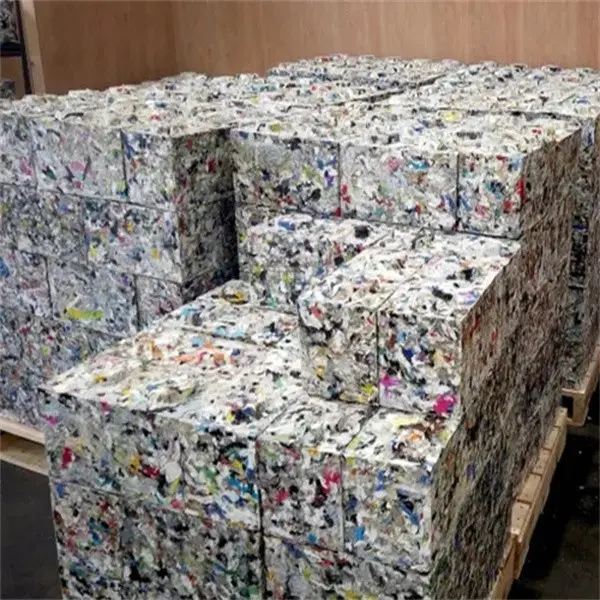
Combines sustainability with high wear resistance, reducing carbon emissions for eco-conscious projects.
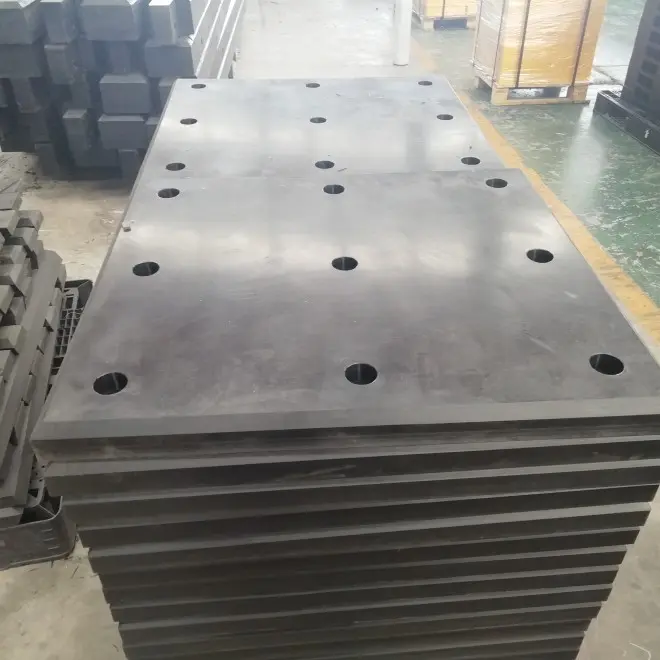
High-performance polymer formulated to replace steel or aluminum, reducing weight and cost.
Thanks to their mechanical and chemical stability, UHMWPE and HDPE products serve vital roles across several demanding industries:
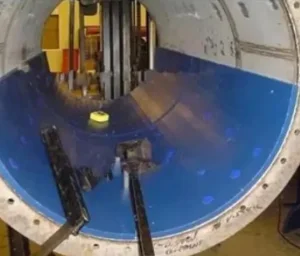
Moisture and friction often cause bulk materials to adhere to metal hoppers. Our UHMWPE coal bunker liners and chute plates feature a low friction coefficient that prevents blockage, ensuring smooth material flow.
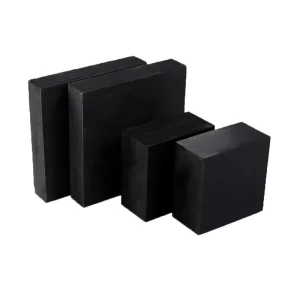
Marine dock fenders require high impact energy absorption and resistance to saltwater degradation. Our UHMWPE fender pads protect both vessel hulls and concrete dock structures from impact wear.
Crane outrigger pads and temporary ground protection mats distribute heavy machinery loads on unstable soil, protecting turf and preventing equipment from sinking.
HDPE (PE300) and PP sheets offer excellent resistance to acids, alkalis, and organic solvents, making them preferred materials for chemical storage tanks and scrubbers.
 Beyond