Explore our top-tier selection of industrial-grade sheets, rods, and custom CNC processed parts, engineered for extreme reliability.
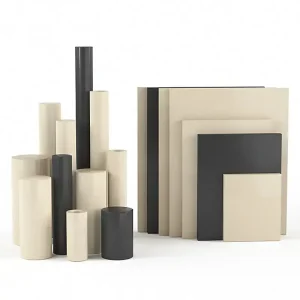
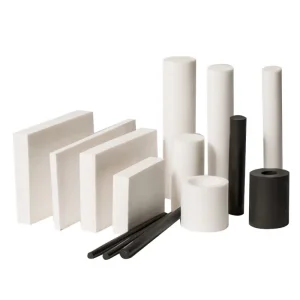
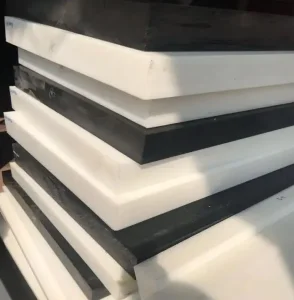
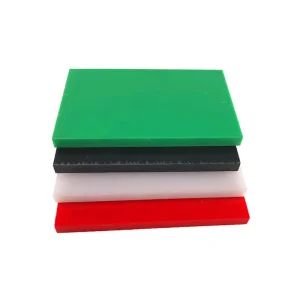
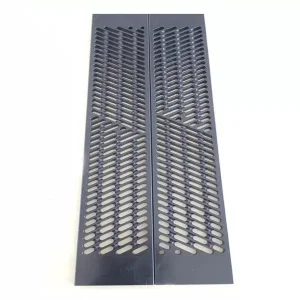
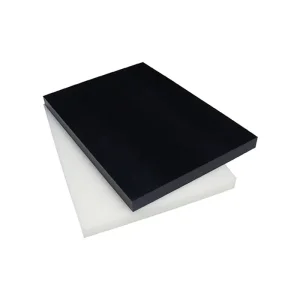
In modern industrial manufacturing and high-throughput commercial hospitality, the selection of raw materials for contact surfaces is subject to intense regulatory scrutiny and strict mechanical demands. White plastic cutting board materials, primarily composed of High-Density Polyethylene (HDPE) and Ultra-High Molecular Weight Polyethylene (UHMWPE), have transitioned from simple kitchen tools to critical engineering components. Their global market is experiencing significant growth, fueled by international food safety compliance mandates (such as the FDA Title 21 CFR 177.1520, EU Regulation No. 10/2011, and NSF/ANSI Certification standards).
Historically, commercial food preparation relied on wood or low-grade polymers, which were prone to deep scoring, micro-fissures, and moisture absorption—creating ideal environments for bacterial proliferation. Modern industrial processing demands materials that offer structural integrity, chemical resistance, and non-porous surfaces. White polymer sheets are engineered to resist knife scoring while remaining soft enough to preserve the cutting edge of industrial blades. The commercial footprint of these materials extends beyond gastronomy, playing vital roles in logistics, sorting lines, automated packaging machinery, and marine environments.
"The shift toward food safety compliance and cost-effective maintenance has made food-grade white HDPE and UHMWPE sheets the global standard for mechanical prep tables, industrial conveyor wear strips, and high-volume commercial kitchens."
Europe and North America currently dominate high-end specification requirements, insisting on virgin-grade polymers with traceable supply chains. Simultaneously, the Asia-Pacific region, led by China's advanced manufacturing capabilities, has emerged as the primary production engine. The integration of antimicrobial additives, customized surface textures, and recycled-content backings represents the cutting edge of current polymer material science, satisfying both hygiene requirements and corporate environmental, social, and governance (ESG) goals.
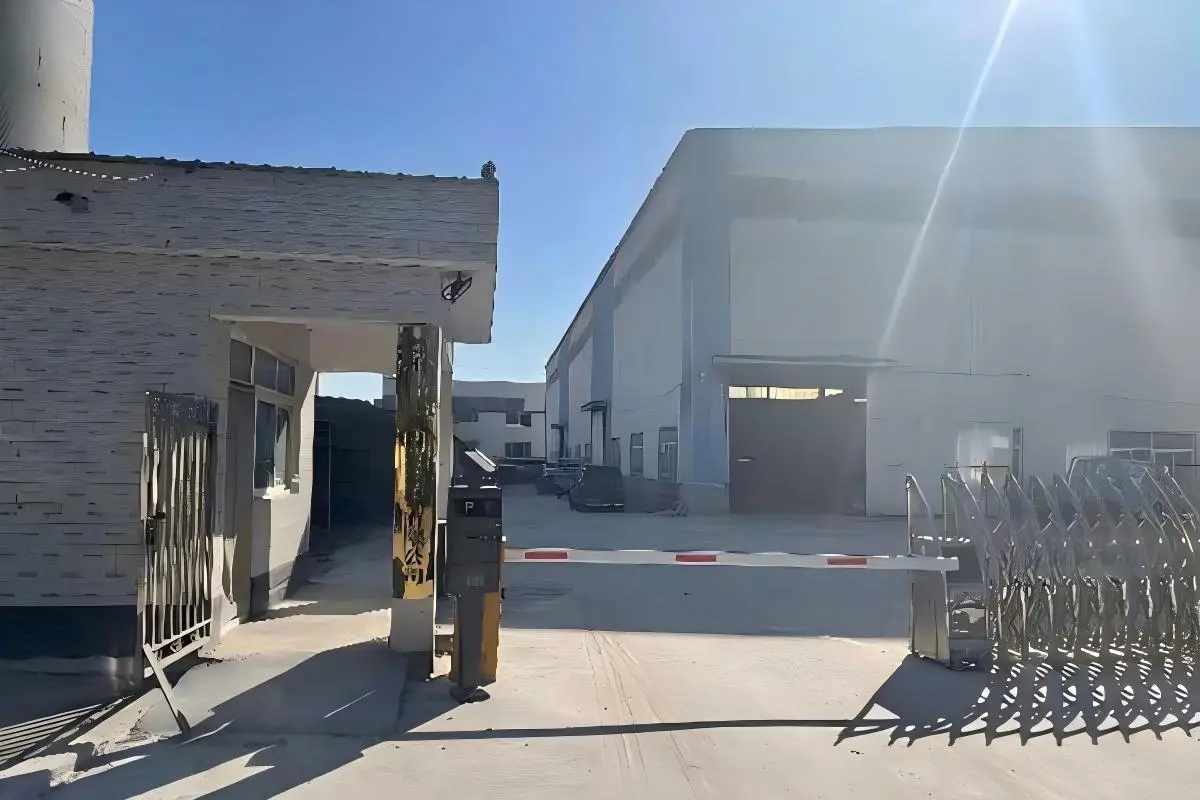
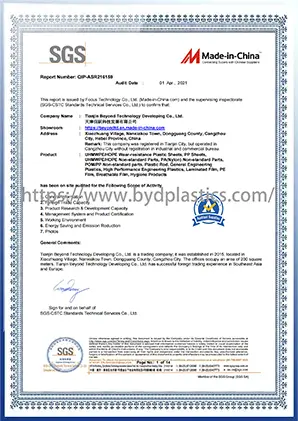
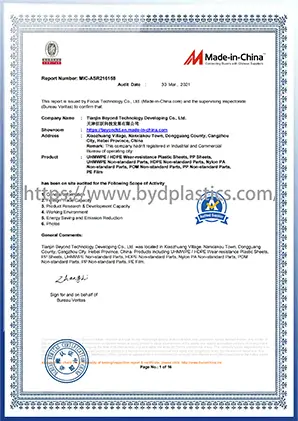
Established in 2015, Tianjin Beyond Technology Development Co., Ltd. is a comprehensive manufacturing enterprise specializing in engineering plastic materials and precision CNC machining. With over a decade of practical experience, we have built strong capabilities in material processing, precision control, and industrial-scale production.
Our manufacturing base spans approximately 50,000 square meters and integrates compression molding and extrusion workshops, a precision CNC machining center, and a dedicated R&D facility. Equipped with advanced international machinery—including heavy-duty compression molding presses, extrusion lines, gantry CNC lathes, gantry CNC milling machines, and large-scale CNC engraving systems—BEYOND ensures consistent quality, efficient production, and high-precision outputs for both standard and highly customized orders.
We are a high-quality partner sourcing raw materials from world-class chemical giants such as TICONA, LG, and Sinopec. We cooperate with leading academic institutions on engineering plastics research, positioning us at the forefront of polymer science innovation.
Selecting the appropriate polymer is critical for optimizing operational lifespan and ensuring compliance. Below is an engineering comparison of the primary materials used in industrial cutting surfaces.
| Material Type | Density (g/cm³) | Tensile Strength (MPa) | Max Operating Temp (°C) | Water Absorption (%) | FDA/EU Food-Contact Status | Best Application Scenarios |
|---|---|---|---|---|---|---|
| HDPE (PE300) | 0.95 - 0.97 | 22 - 32 | 80 | < 0.01 | Compliant (Virgin Grade) | Commercial kitchen boards, light food processing tables, marine cutting surfaces. |
| HWMPE (PE500) | 0.95 - 0.96 | 25 - 35 | 80 | < 0.01 | Compliant (Virgin Grade) | Heavy-duty professional prep boards, commercial chopping blocks, wear plates. |
| UHMWPE (PE1000) | 0.93 - 0.95 | 20 - 30 | 85 | < 0.01 | Compliant (Virgin Grade) | Chute liners, sliding rails, marine fender panels, heavy industrial wear components. |
| PP (Polypropylene) | 0.90 - 0.92 | 30 - 40 | 100 | < 0.03 | Compliant (Virgin Grade) | High-temperature sanitization environments, chemical tanks, welded structures. |
| POM (Polyacetal/Delrin) | 1.41 - 1.42 | 60 - 70 | 100 | 0.20 | Grade Dependent | High-precision gears, guides, machined mechanical components with low tolerances. |
Purchasing white plastic cutting board materials from a Chinese factory like Tianjin Beyond Technology offers significant cost-performance advantages, supply chain resilience, and technological customization capabilities. Our integration of vertical raw material sourcing and scale-oriented production helps mitigate market fluctuations and ensures consistent quality.
Operating across 50,000 square meters allows us to continuously run high-capacity compression molding and extrusion lines. This reduces per-unit setup costs, providing competitive wholesale pricing to global OEMs and distributors.
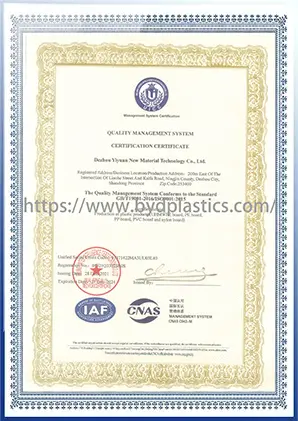
From raw material inspection to final product packaging, every step is governed by our ISO 9001 quality management system. Raw materials are sourced from industry leaders, and each batch undergoes strict inspection and mechanical testing before dispatch.
We do more than supply standard flat sheets. Our advanced gantry CNC milling systems and engraving units handle complex profiles, handle cutouts, drainage grooves, interlocking corners, and precise thicknesses tailored to your specific application requirements.
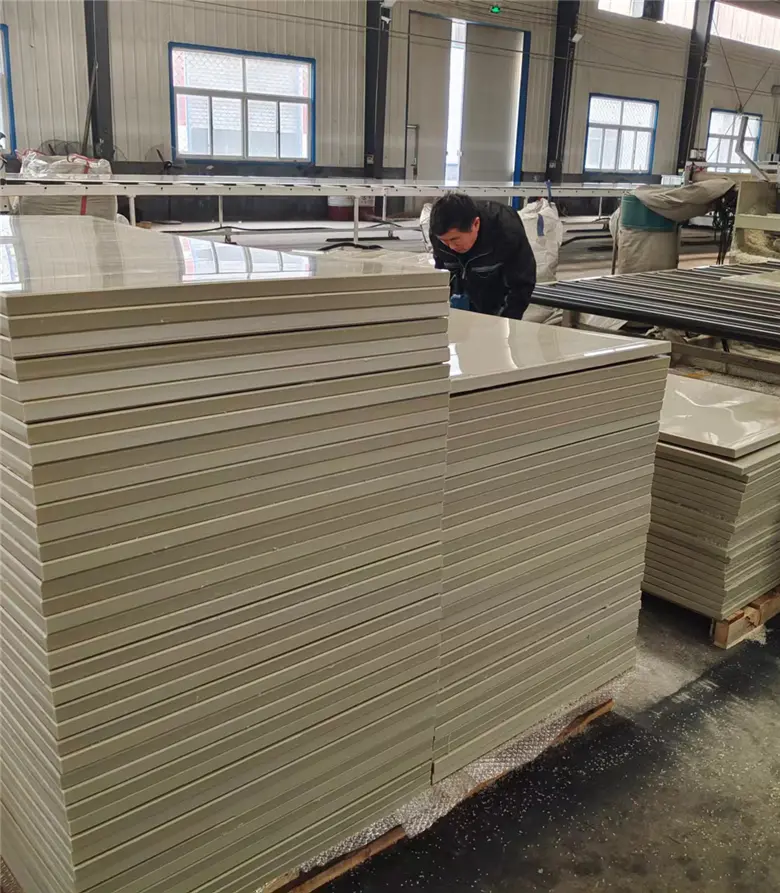
Our commitment to quality begins with our raw materials. High-performance products require premium-grade polymers. We maintain strategic sourcing partnerships with major global chemical manufacturers, ensuring our raw PE resins are of the highest purity and free from unreacted monomers, contaminants, or heavy metals.
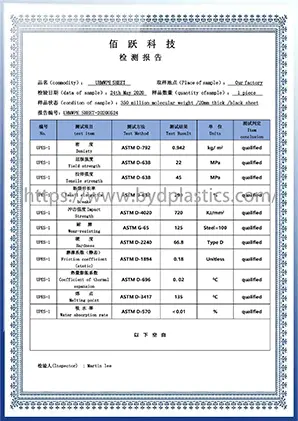
Every product is delivered with a Certificate of Analysis (COA). Our testing lab regularly evaluates key mechanical properties, including wear index, Shore D hardness, impact strength, and dimensional stability. This meticulous approach guarantees that our white plastic cutting sheets perform reliably in demanding environments, from high-temperature industrial dishwashers to heavy-duty mechanical cutting presses.
Our white plastic cutting board materials and engineered sheets are used in a variety of industrial and commercial applications worldwide.
In high-volume slaughterhouses, fish processing facilities, and poultry packaging plants, cutting surfaces are subject to continuous knife strikes and high-pressure washdowns with harsh cleaning chemicals. Our thick, food-grade HDPE sheets provide a durable, non-absorbent surface that resists deep cuts, prevents bacterial growth, and is easy to sanitize.
Marine environments subject materials to salt water, UV radiation, and heavy impacts. Our specialized UHMWPE marine fender face pads and PE fender panels protect boat hulls and dock structures, offering low friction, high impact absorption, and excellent UV resistance.
For operations handling coal, minerals, or agricultural grains, friction and material sticking can slow down operations. Our UHMWPE lining sheets are installed in bunkers, chutes, and hoppers to ensure smooth, continuous material flow, reduce wear on steel structures, and prevent material hang-ups.
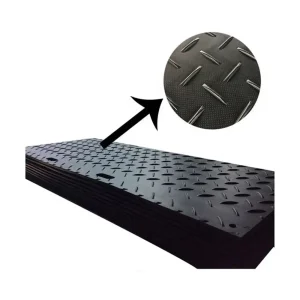
Heavy machinery, such as cranes and concrete pumps, requires stable support on soft ground. Our HDPE temporary road mats and outrigger pads distribute heavy loads, protect underlying surfaces, and prevent equipment instability in demanding field conditions.
We manufacture custom-machined plastic components for automated assembly lines, packaging machinery, and chemical processing equipment. Using POM, PA6, and PTFE, we supply precision gears, wear strips, guides, and custom-profiled parts that meet exact engineering drawing specifications.
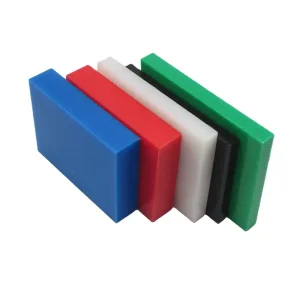
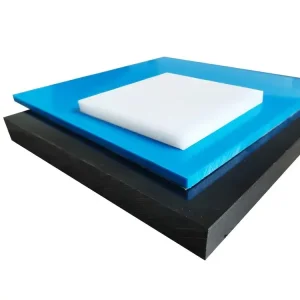
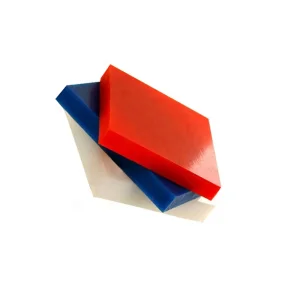
Our double-color HDPE sheets are popular for outdoor play equipment, signage, and institutional furniture. These sheets resist moisture, fading, and scratching, providing a low-maintenance, colorful solution for demanding outdoor applications.
The global sourcing landscape for engineering plastics is evolving, driven by changes in regulations, environmental policies, and manufacturing technology. Sourcing managers look for several key factors when choosing cutting board materials and engineered sheets:
Get detailed answers to technical and commercial questions about sourcing white plastic cutting board materials and industrial engineering sheets.
HDPE (High-Density Polyethylene) is the standard material for commercial kitchen boards, offering good impact resistance, excellent chemical resistance, and a cost-effective price point. UHMWPE (Ultra-High Molecular Weight Polyethylene) features much longer polymer chains, providing superior abrasion resistance, lower friction, and higher impact strength. While UHMWPE is excellent for industrial wear strips and machinery parts, HDPE is typically preferred for food cutting boards due to its optimal balance of blade protection, wear life, and cost.
Yes. Our virgin-grade HDPE, UHMWPE, and PP sheets are manufactured using FDA-compliant raw resins that meet Title 21 CFR 177.1520 and EU 10/2011 standards for food contact. We provide material certifications and Certificates of Analysis (COA) with each shipment to verify material purity and regulatory compliance.
Extruded sheets are produced in a continuous, high-volume process that is cost-efficient and ideal for thinner gauges (up to 30mm). Compression molding uses heat and high pressure to shape polymer powder inside a mold, which reduces internal stress and results in superior dimensional stability, flatter sheets, and the ability to produce very thick profiles (up to 200mm or more). We operate both manufacturing lines to meet a wide range of application requirements.
Yes. Utilizing our gantry CNC routers and engraving machines, we can customize sheets to include finger holes, perimeter juice grooves, routed handles, interlocking corners, and textured surfaces. Simply provide your engineering drawings or CAD files (.DXF, .DWG, .STP) for a customized quote.
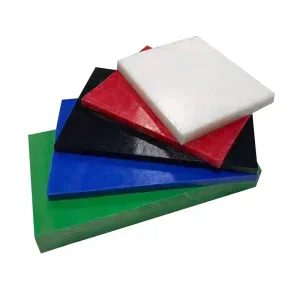
For standard white and black sheets in common sizes, we maintain large stock levels with minimal MOQ requirements. For custom colors, specific sheet sizes, or custom compound additives (such as UV stabilizers or anti-static agents), the MOQ typically ranges from 500kg to 1,000kg per specification, depending on the material and production setup.
Warping in semi-crystalline plastics is often caused by internal stress during cooling. We address this by using controlled cooling cycles in our compression molding presses and annealing chambers. For extruded sheets, our post-extrusion cooling and calibration lines are carefully monitored to ensure flat sheets that meet international tolerances.
Our quality control program includes density testing, tensile strength and elongation testing, Shore D hardness measurements, and dimensional tolerance checks. We also perform visual inspections to ensure surfaces are free of contamination, pinholes, or surface defects.
Standard orders for stocked dimensions can ship within 7 to 10 days from order confirmation. For custom OEM runs or high-volume custom CNC orders, production lead times generally range between 15 and 25 days. Shipping times vary depending on the destination port, and we work closely with global freight forwarders to optimize delivery logistics.
Review our comprehensive selection of specialized polymer sheets and machined parts, designed for heavy industrial use.
 Beyond