Advantage of Ground protection mats / event mats / construction mats:
Versatile Double-Sided Traction
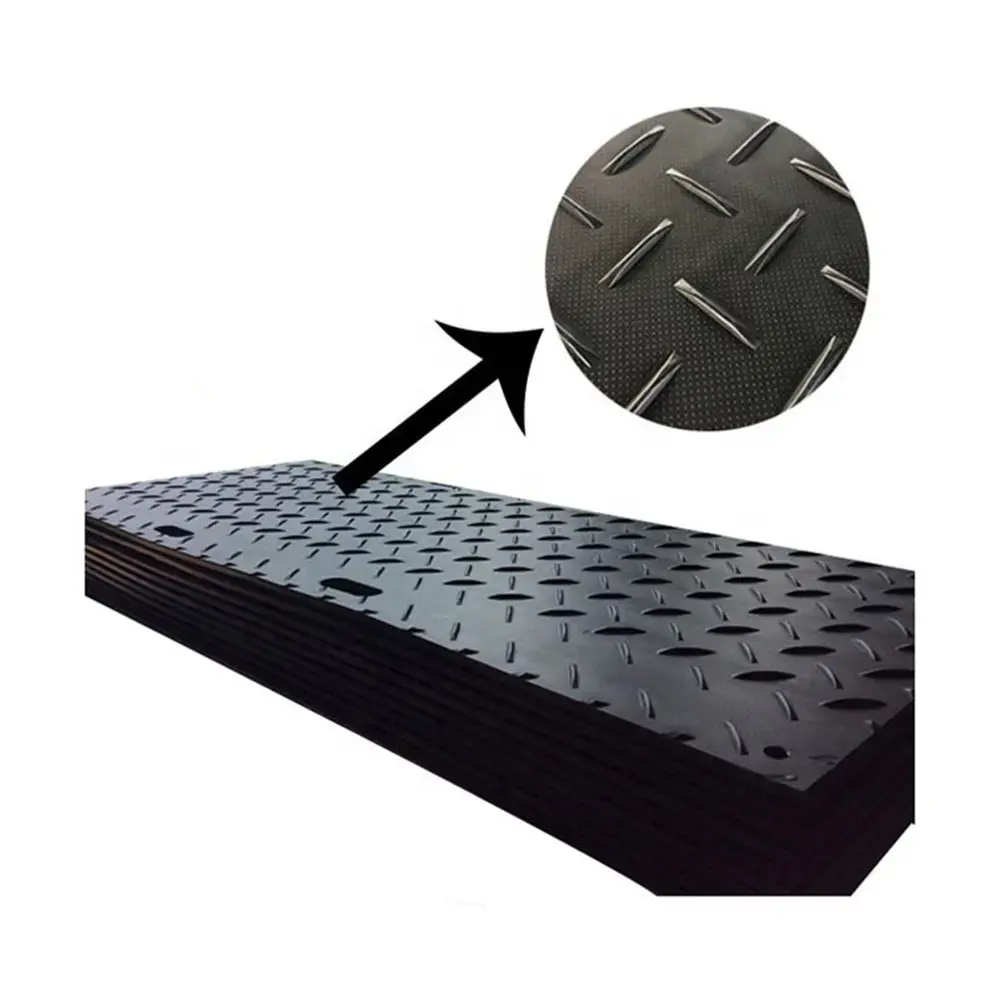
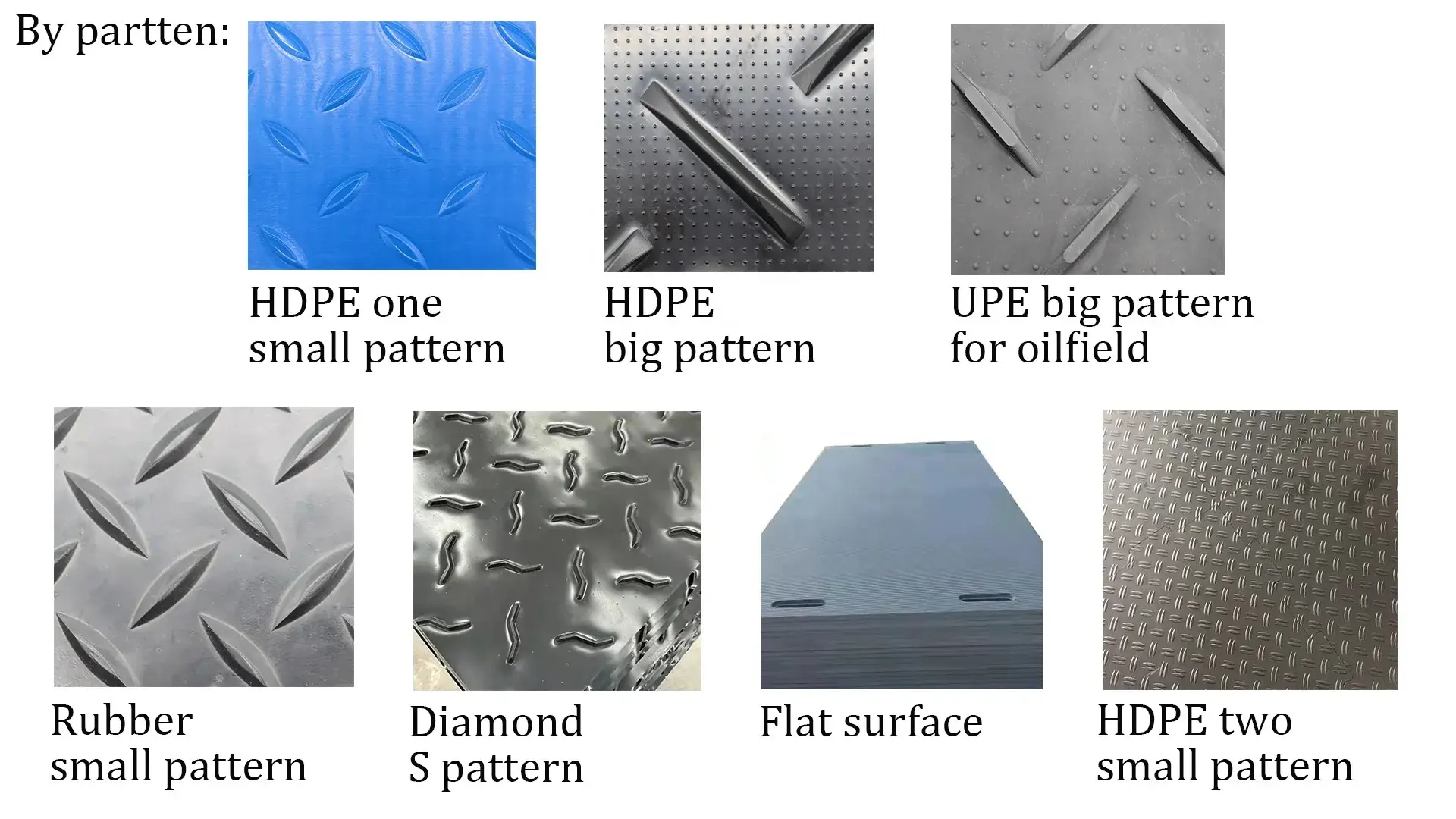
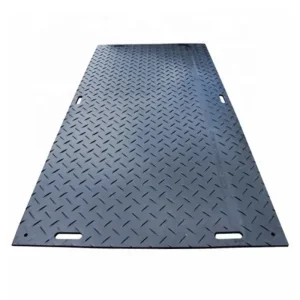
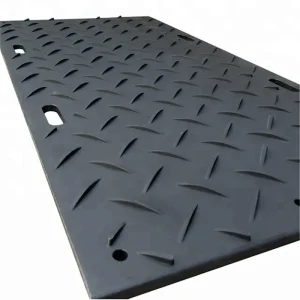
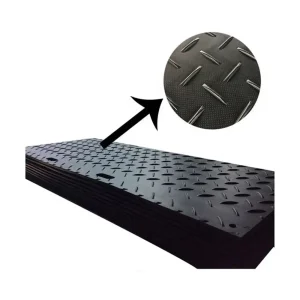
These premium ground protection mats come standard with a rugged traction pattern for heavy equipment on one side and a pedestrian-friendly, non-slip tread design on the other side. The rugged traction design includes two parallel treads positioned 90-degrees from adjacent treads to prevent equipment spin-outs in wet or slippery conditions.
Strong Connection System
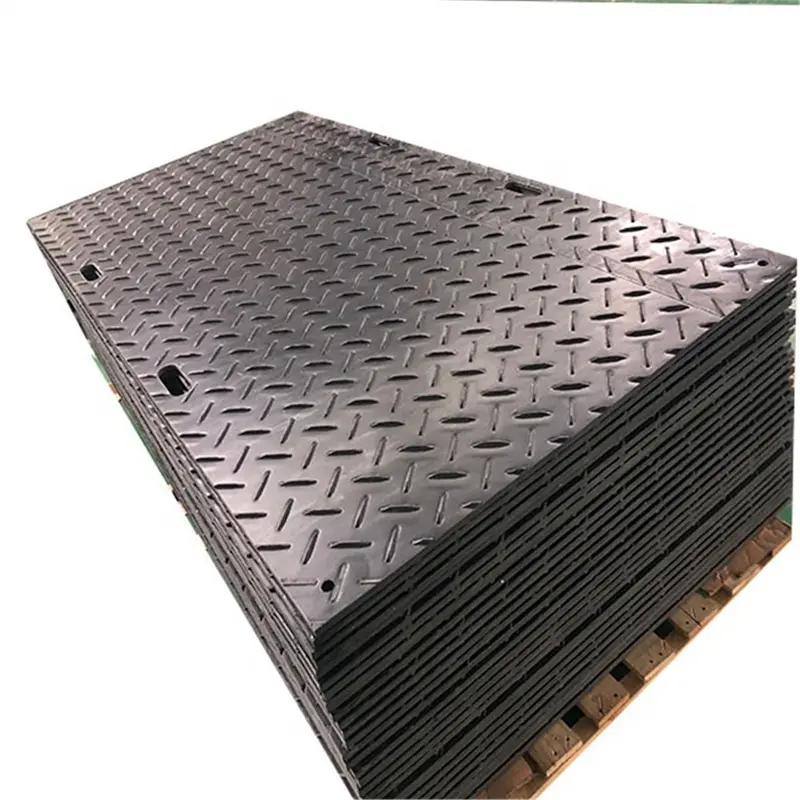
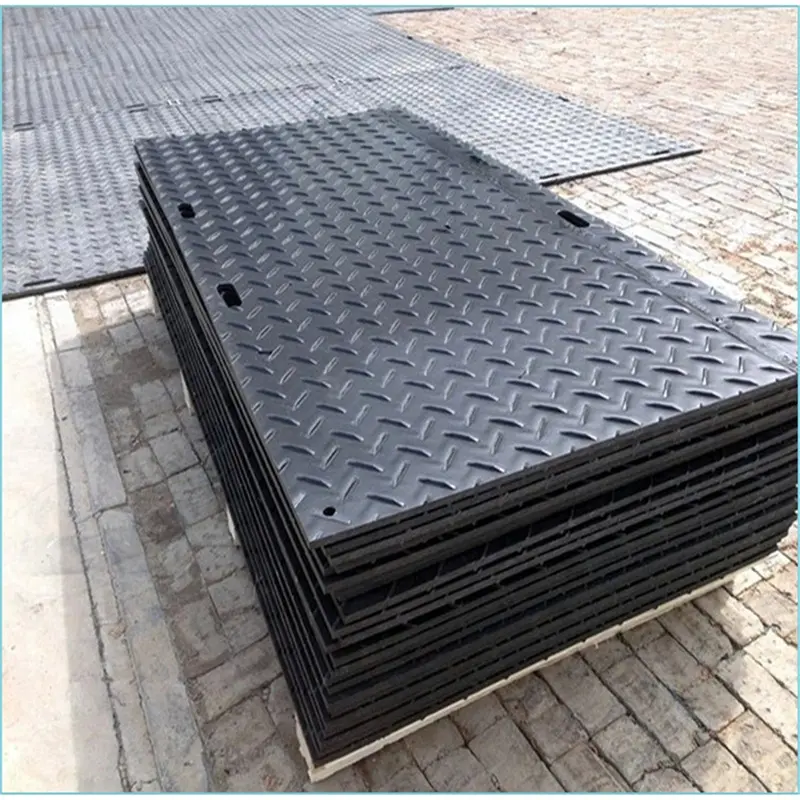
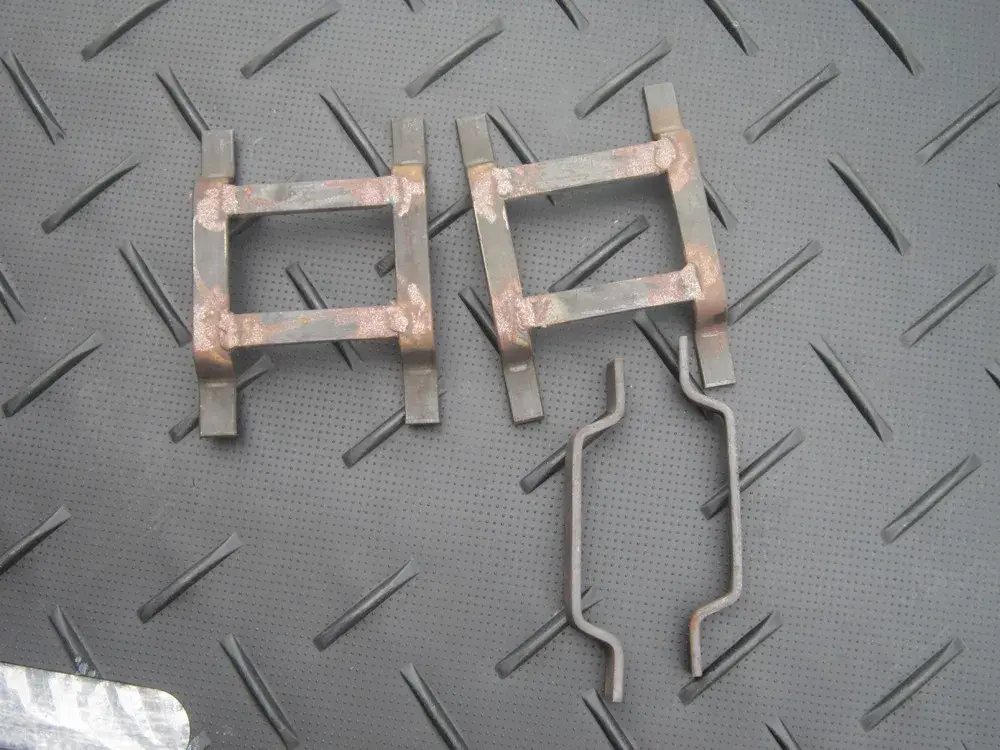
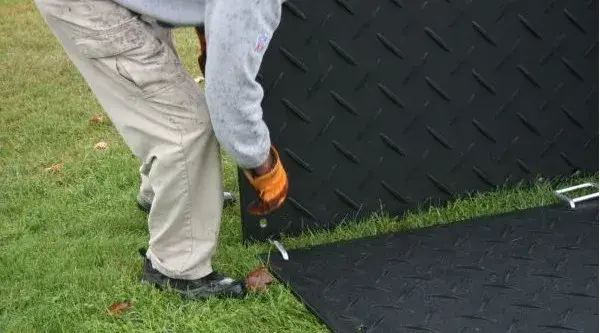
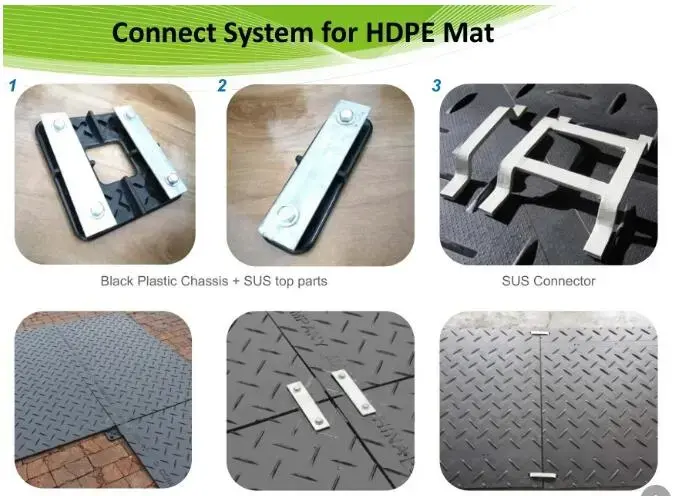
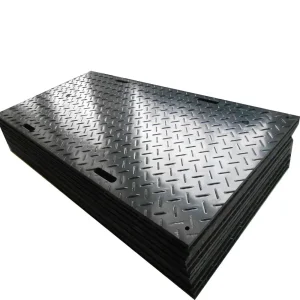
These construction mats feature connection holes at each corner and in the middle of the longer side, allowing mats to be configured side by side, staggered, or at 90-degree angles to each other. The mats can be connected using 2-way or 4-way metal connectors, capable of handling heavy vehicle traffic.
Construction mats can also be used without any connectors on most temporary projects.
These mats provide a much better return on investment than traditional plywood. They are more economical, support much more weight, will not warp, rot, crack, delaminate, or absorb water and contaminants. These mats can be reused for many years.
Two kinds of connectors are available for light weight ground protection mats to ensure secure, stable positioning.
Applications of HDPE event mats / construction road access mats
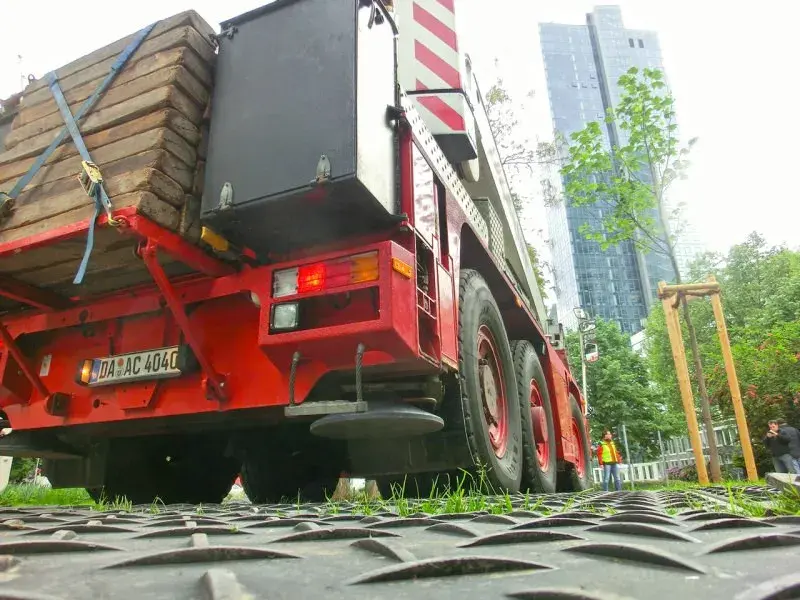
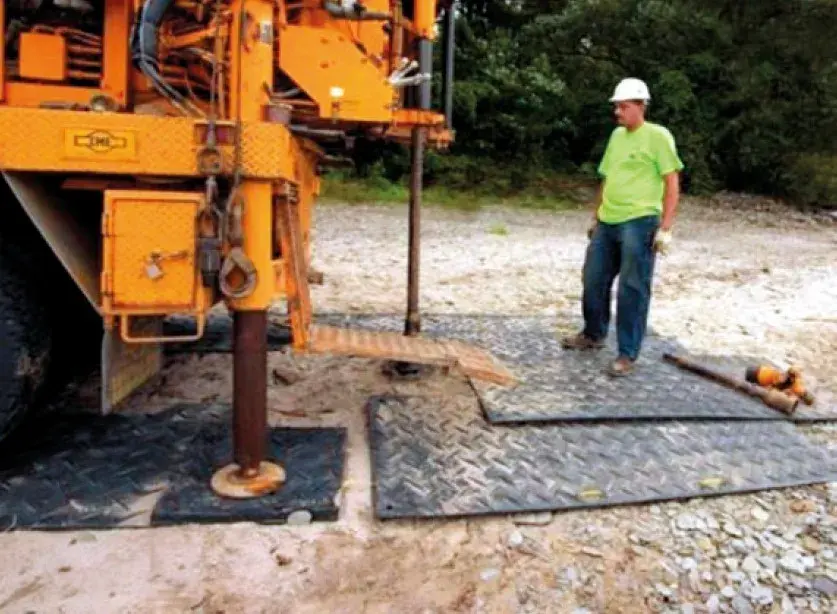
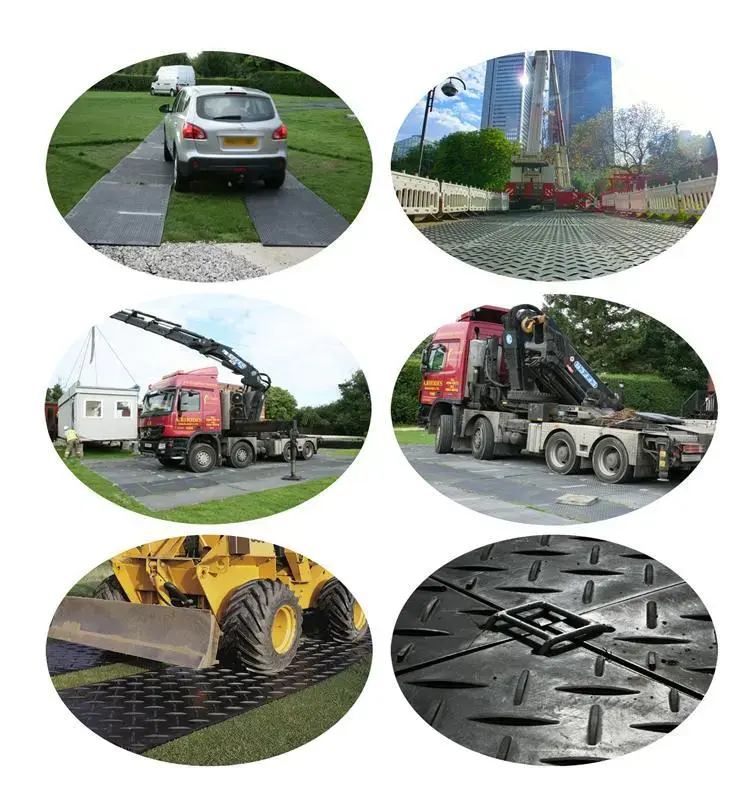
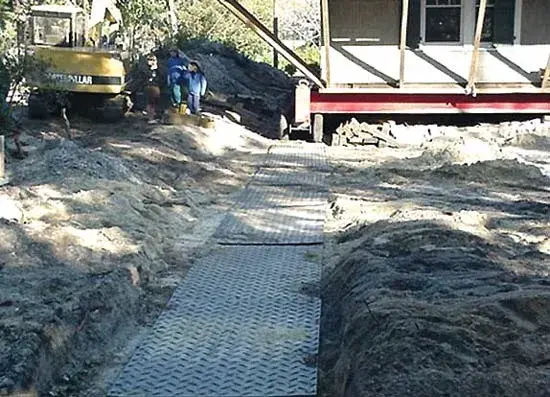
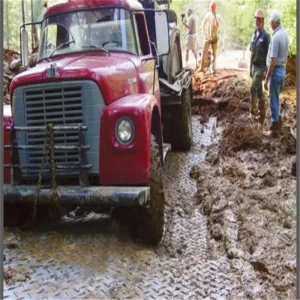
HDPE temporary roadway is the most versatile ground cover mat in the industry. It is designed to move large vehicles over lawns, sidewalks, driveways and more without causing damage. Our ground mat also prevents vehicles from getting stuck in muddy, wet, unstable ground conditions. Made from the highest quality polymers, this ground protection mat will not rot or break. These mats are used as temporary roadway solutions for lawn protection, turf protection, and as flooring systems across many industries.
Protect turf & provide access anywhere
Temporary flooring systems
Portable access roadways
Protective matting systems
Stadium ground covering
General contracting operations
Outdoor events, shows & festivals
Building site access works
Construction & civil engineering
Emergency access routes
Golf course & sports maintenance
Sports and leisure facilities
National parks & landscaping
Utilities & infrastructure maintenance
Cemeteries
Temporary roadways & carparks
Military & heritage sites
Eco-friendly & caravan parks
Frequently Asked Questions (FAQ)
What are the primary sizes and thicknesses available for these ground protection mats?
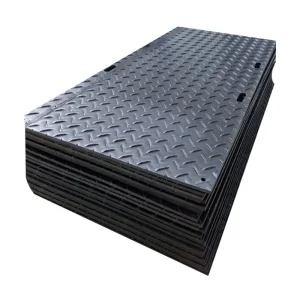
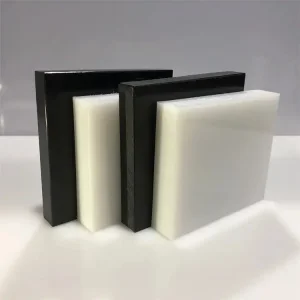
The standard mat size is 2440mm x 1220mm x 12.7mm (4'x8'). Additionally, they are available in a variety of other dimensions ranging from 610*1220mm (2'*4') to 1100*2900mm, with thickness options of 12.7mm, 15mm, 18mm, 20mm, and 27mm. Custom sizes can also be configured.
What is the weight-bearing capacity of these HDPE road access mats?
The load capacity matches the mat thickness: a 12mm mat supports up to 80 tons, a 15mm mat supports up to 100 tons, and a 20mm mat can comfortably support loads up to 120 tons under typical conditions.
How does the traction design prevent vehicle slippage?
The mats feature double-sided traction. One side utilizes a rugged pattern with two parallel treads oriented 90 degrees from adjacent treads to secure heavy machinery and prevent tire spinouts in mud or wet conditions. The opposite side provides a pedestrian-safe, non-slip tread layout.
Can these ground protection mats be interlocked or connected?
Yes. The mats are designed with built-in connection holes at the corners and along the centers of the longer edges. They can be laid side by side, in staggered configurations, or at right angles using 2-way or 4-way heavy-duty metal connectors. They can also be used without connectors for basic setups.
Why are polymer HDPE mats better than traditional plywood?
HDPE mats are a much more economical and durable investment long-term. Unlike plywood, they do not rot, warp, crack, delaminate, or absorb fluids and hazardous contaminants. They support significantly higher weights and are engineered for reuse over many years.
What are the primary applications of these roadway access mats?
They are heavily utilized across various sectors, including building construction, civil engineering, landscaping, outdoor sports facilities, stadiums, national parks, heritage sites, temporary parking areas, emergency access routing, and utility network maintenance.
 Beyond