Explore our elite, high-performance thermoplastic selections manufactured using international quality control protocols.
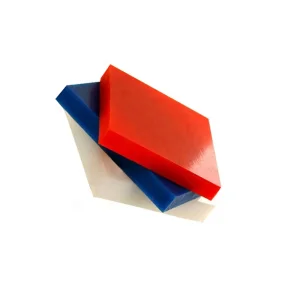
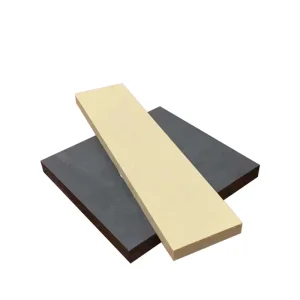
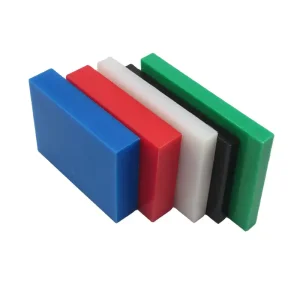
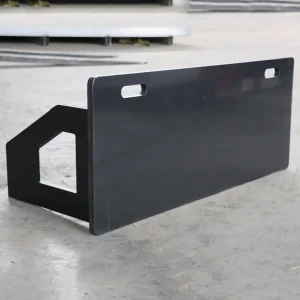
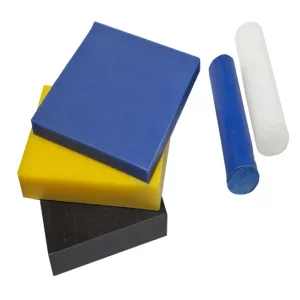
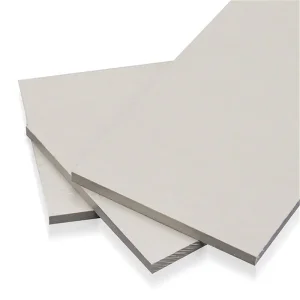
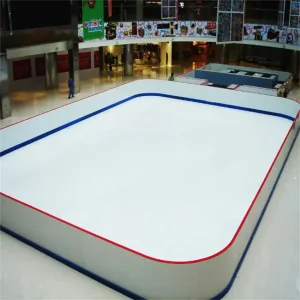
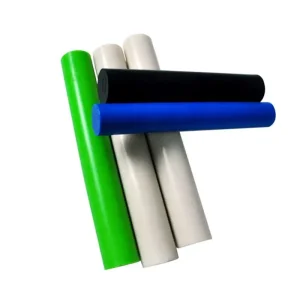
Within modern industrial physics, diagnostic radiology, aerospace protection, and nuclear power generation, the mitigation of fast and thermal neutrons poses a critical engineering challenge. Traditional structural shields (such as massive lead configurations and high-density concrete walls) often fail to balance weight, dimensional stability, and high chemical inertness. Tianjin Beyond Technology Development Co., Ltd. answers this complex industrial demand by manufacturing high-performance, precision-engineered polymer substrates, with a specialization in Boron-Doped Polyethylene (Borated PE) alongside classic UHMWPE, HDPE, and engineering thermoplastics.
By blending the neutron-moderating capacity of high-hydrogen polymers with the thermal neutron capture capabilities of natural Boron element, our manufacturing lines produce sheets and machined shapes that are the benchmark for radiation containment. With over ten years of practical experience in CNC machining and compression molding, BEYOND delivers customized, ISO-compliant materials tailored for precision defense installations and high-tech civilian infrastructures alike.
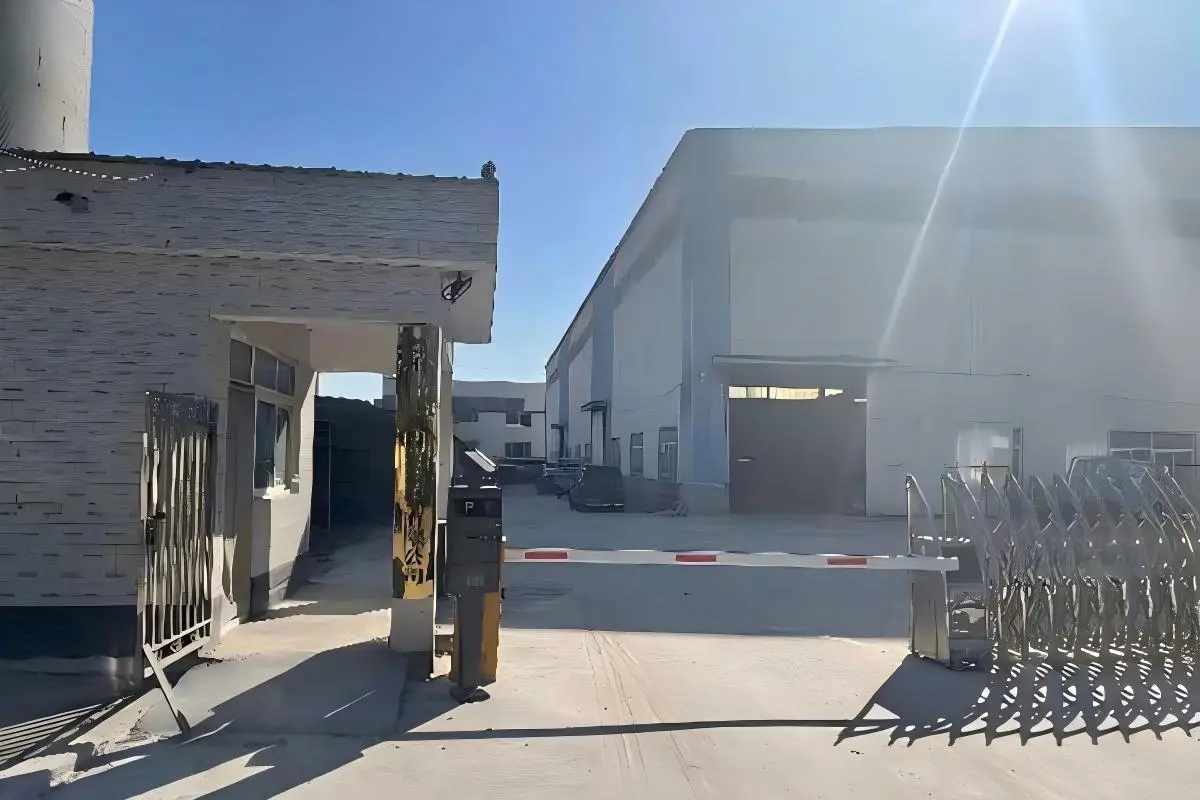
Why the integration of advanced raw materials and high-capacity processing centers positions China at the head of the global supply chain.
Tianjin Beyond maintains direct strategic sourcing alliances with leading global polymer producers including TICONA, LG Chemical, and Sinopec. By managing raw material inputs directly, we optimize resin density and particle consistency, securing uniform distribution of Boron Carbide (B4C) particulate within the polyethylene matrix.
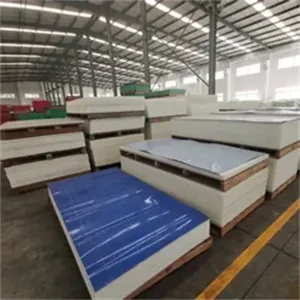
Our 50,000 m² factory houses massive gantry compression molding lines. Standard extrusion can compromise the physical alignment of high-molecular-weight polymers, but our compression sintering ensures zero void formation, high internal cohesion, and optimal isotope homogeneity for thermal neutron shielding.
Equipped with state-of-the-art gantry CNC lathes, high-speed routing centers, and multi-axis engraving networks, we handle customized geometric routing, interlocking step-joints, tongue-and-groove panels, and high-tolerance cylindrical borings matching strict nuclear reactor design codes.
The technical mechanism of neutron moderation and isotope absorption through molecular coordination.
The primary mechanism of neutron shielding relies on two discrete steps: Moderation (slowing down fast neutrons) and Capture (absorbing thermal neutrons). Because fast neutrons possess high kinetic energy, they must encounter low-atomic-number nuclei (ideally hydrogen) to shed velocity. Polyethylene (CH2-CH2)n has a higher hydrogen concentration per unit volume than almost any other commercial polymer, making it an exceptional moderator.
Once moderated to "thermal" speeds, the neutron's capture cross-section by other elements increases exponentially. Natural Boron incorporates approximately 20% of the Boron-10 isotope, which has a massive cross-section for thermal neutron capture (3840 barns). The absorption reaction yields lithium and alpha particles with negligible secondary gamma radiation, which is much safer to manage in medical oncology environments compared to heavy metals.
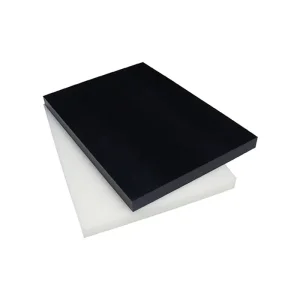
BEYOND Borated Polyethylene Sheets typically consist of a matrix containing 5% Boron by weight (custom concentrations ranging from 1% to 10% are manufactured per project parameters). This formulation ensures structural integrity, chemical inertness, and stable radiation shielding margins over decades of exposure.
| Property Parameter | UHMWPE (Pure PE-1000) | Borated PE (5% Boron) | Lead Sheet (Standard) | High-Density Concrete |
|---|---|---|---|---|
| Density (g/cm³) | 0.93 - 0.97 | 1.08 - 1.12 | 11.34 | 2.4 - 3.5 |
| Hydrogen Content (%) | 14.3 | ~13.2 | 0.00 | ~1.0 - 2.0 |
| Boron Content (wt%) | 0.0% | 5.0% (Natural B) | 0.0% | 0.0% (unless trace additives) |
| Fast Neutron Moderation | Excellent | Excellent | Poor | Moderate |
| Thermal Neutron Capture | Minimal | Outstanding (3840 barns) | Extremely Low | Low |
| Weight Class | Ultra-Light | Lightweight | Extremely Heavy | Heavy / Structural |
| Machinability | Easy CNC Routing | Precision Machinable | Soft / High Creep | Drilling Required / Dust Hazard |
How BEYOND materials serve precision requirements in fields around the world.
In medical linear accelerators (LINAC) rooms and proton therapy suites, 5% Boron PE serves as a secondary shielding layer in door linings and ductways, blocking harmful thermal neutrons generated by high-energy medical beams without bulk wall structures.
Used to line inspection ports, nuclear reactor containment domes, and spent fuel storage vaults. Its high mechanical stability and resilience against radiation-induced embrittlement safeguard personnel and digital instrumentation.
Cargo scanners and customs portal monitors utilize high-energy radiation to scan trailers. BEYOND custom-machined borated sheets are built directly into the detection panels to reduce ambient neutron scatter, improving detector sensitivity.
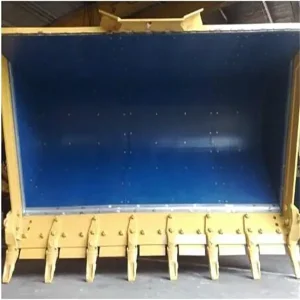
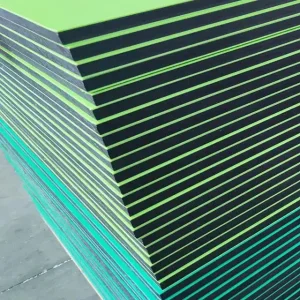
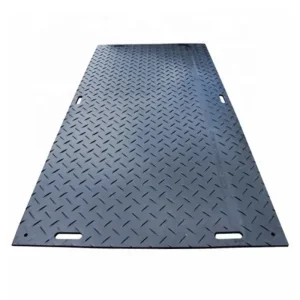
For operations requiring heavy materials handling—including crane outrigger pads, coal bunkers, and marine docks—we combine wear performance and radiation defense. The extreme impact strength of UHMWPE combined with boron prevents structural cracking under cyclical stress.
High-vacuum lithography and ion implantation equipment generate trace thermal neutrons. Boron-doped shielding plates protect sub-nanometer wafers from silicon lattice displacement damage caused by stray cosmic or tool-generated neutrons.
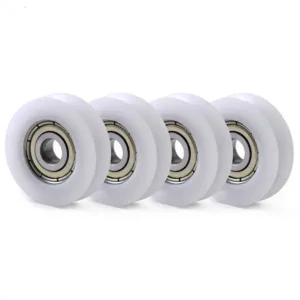
Through our comprehensive CNC machining centers, we route and mill customized parts, including gears, guides, and complex shielding configurations, matching standard designs and specialized blueprints.
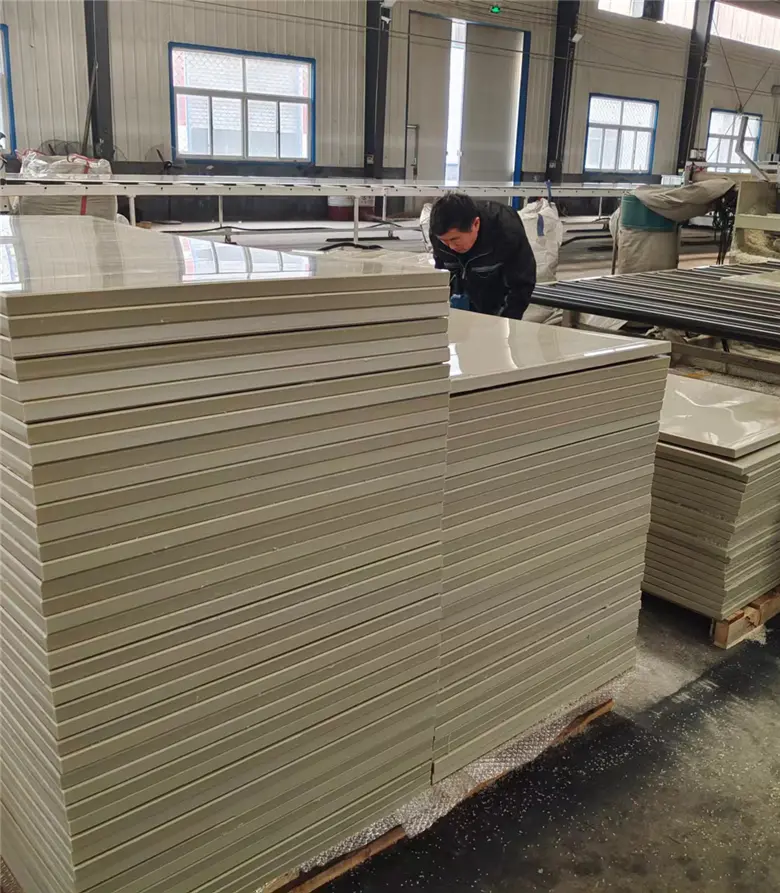
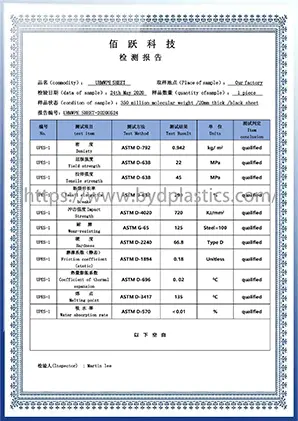
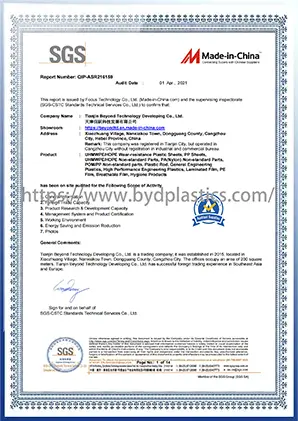
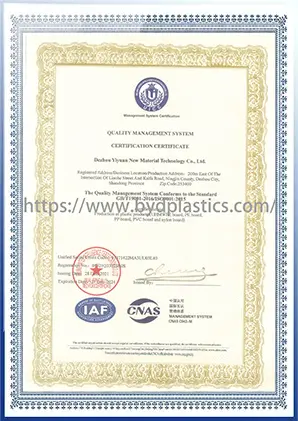
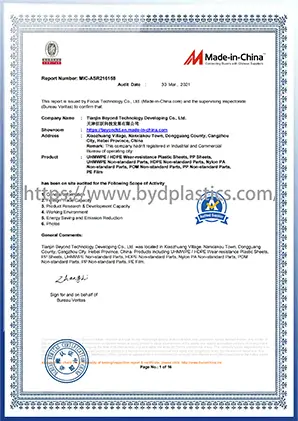
Industrial applications demand strict quality control. From raw materials to final machining, Tianjin Beyond operates under strict ISO 9001 quality management guidelines. We carry out inspections at every stage, providing Certificates of Analysis (COA) and material traceability certificates for all orders.
We analyze the distribution of Boron Carbide within the polymer matrix using ultrasonic detection and density verification. This ensures that every sheet has uniform shielding density, with no soft spots or localized variations. Our laboratory routinely checks raw material properties, mechanical tensile strength, Shore D hardness, and dimensional tolerances, preventing out-of-spec products from leaving the factory.
Technical answers directly from our materials engineering and sales departments.
Heavy-duty structural elements machined for extreme wear, impact resistance, and material handling systems.
 Beyond