Explore our premium selection of wear-resistant engineering plastic components, manufactured using state-of-the-art compression molding and extrusion lines.
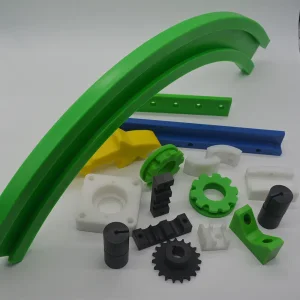
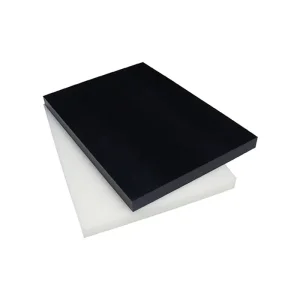
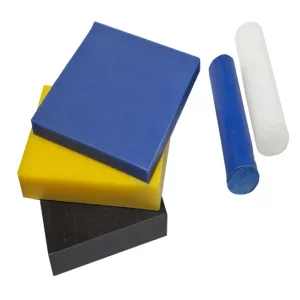
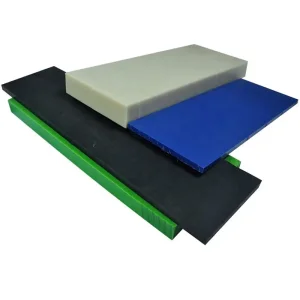
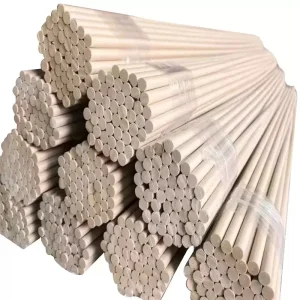
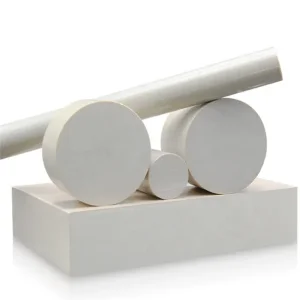
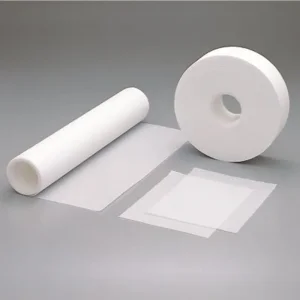
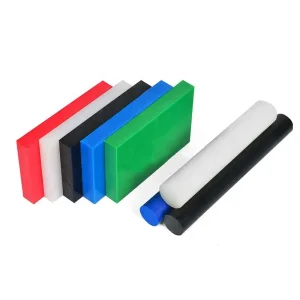
Ultra-High Molecular Weight Polyethylene (UHMWPE / PE1000) represents a specialized frontier in polymer engineering. With a molecular mass ranging between 5 to 9 million g/mol, the polymer chains of UHMWPE are far longer than standard high-density polyethylene (HDPE). This ultra-long molecular profile provides the material with a combination of high wear resistance and low coefficient of friction. When deployed as chain guides and chain rails, UHMWPE limits system drag and mechanical wear on conveyor components.
Unlike steel or POM guides that experience progressive micro-abrasion, PE1000 forms a dynamic transfer film on the mating surface of conveyor chains. The dry sliding coefficient of friction against steel is exceptionally low (~0.12 to 0.20), minimizing frictional heat, reducing power consumption on conveyor drives, and damping operational noise levels.
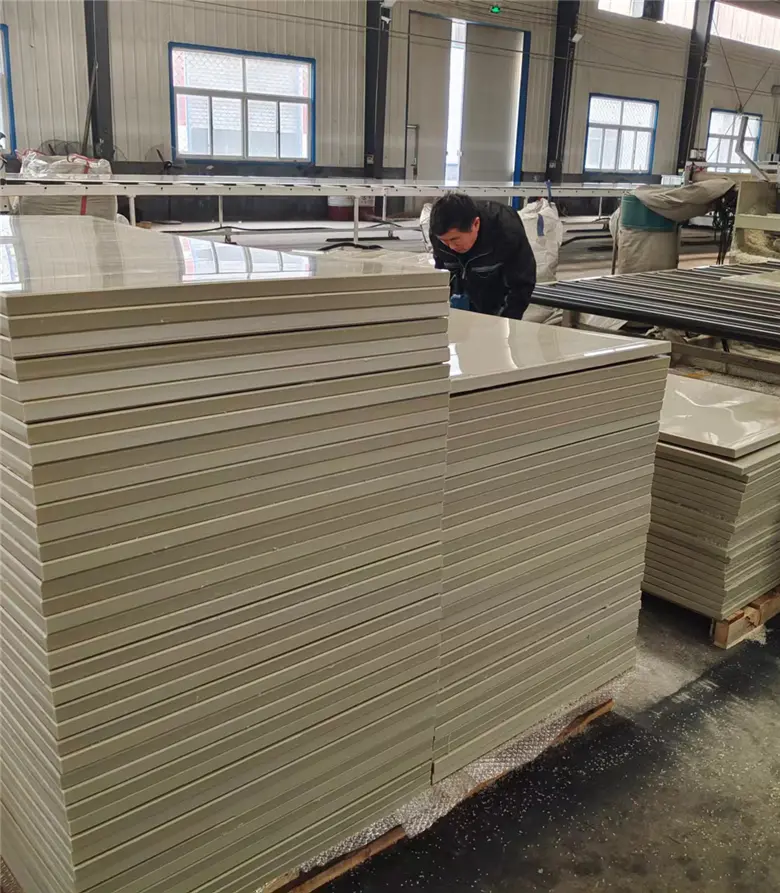
Our Tianjin manufacturing plant utilizes proprietary formulation and sintering techniques, sourcing raw resins from global tier-1 suppliers such as TICONA (Celanese), LG, and Sinopec. This ensures uniform density throughout the extruded profile, preventing structural voiding and premature cracking under high load stresses.
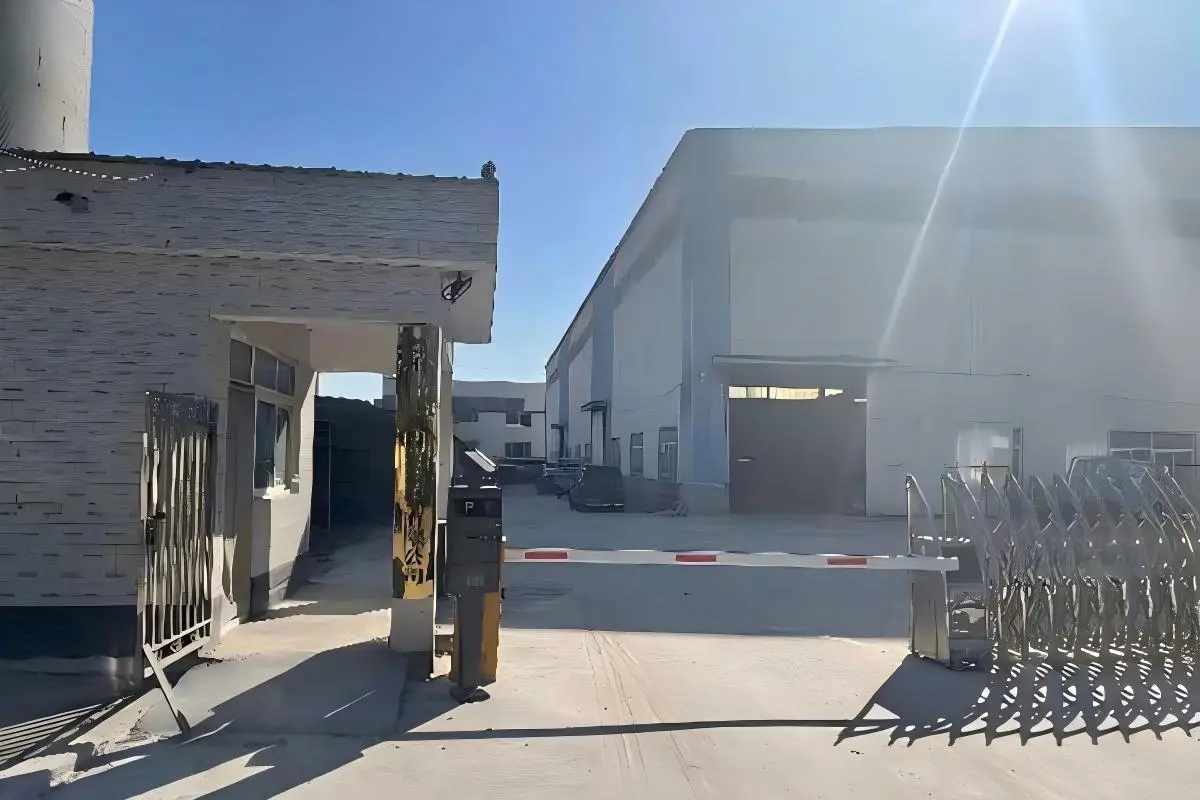
Operating as a leading engineering plastics manufacturer in China since 2015, we bridge the gap between material synthesis and precision CNC custom machining.
In high-speed sorting systems, unit sorters, and spiral conveyor systems, UHMWPE chain guides eliminate physical friction between the chain links and the framework. This extends the service life of expensive drive chains and prevents metal shavings from contaminating the storage facility.
Using FDA-compliant virgin PE1000 polymers, our food-grade UHMWPE guides tolerate strict CIP (Clean-in-Place) chemicals and high pressure washdowns. Zero moisture absorption ensures dimensional stability, preventing guide distortion and chain misalignment in wet environments.
In coal, aggregate, and automotive manufacturing, components face high shock loads and abrasive dust. Combining UHMWPE chain rails with wear plate liners minimizes drag and cushions heavy impacts, preventing structural failure of steel structural frames.
Why leading industrial markets are migrating from legacy steel track systems to engineered UHMWPE chain guides and custom CNC profiles.
Historically, heavy industrial setups utilized bronze or lubricated carbon steel guides. However, these systems present major pain points: constant maintenance requirements, oil contamination risks, noise generation, and rapid chain pin degradation. Global factories are progressively substituting these metallic setups with lightweight polymer solutions. By doing so, companies reduce energy consumption by up to 25% due to decreased motor loads.
Our engineering team designs custom profiles tailored for specific chain configurations (e.g., DIN 8187 / ANSI roller chains, plastic modular belts, plate top chains). The precise machining of tolerances (+/-0.05mm) ensures that the chain slides within the guide without dynamic lateral play, avoiding tracking errors.
As a global supplier, Tianjin Beyond exports highly complex machined guides to manufacturing hubs across North America, the European Union, and Southeast Asia. We supply both standard extruded profiles and bespoke CNC-milled designs designed directly from CAD models.
Strict process governance aligns with globally recognized quality standards, assuring reliability across demanding operating environments.
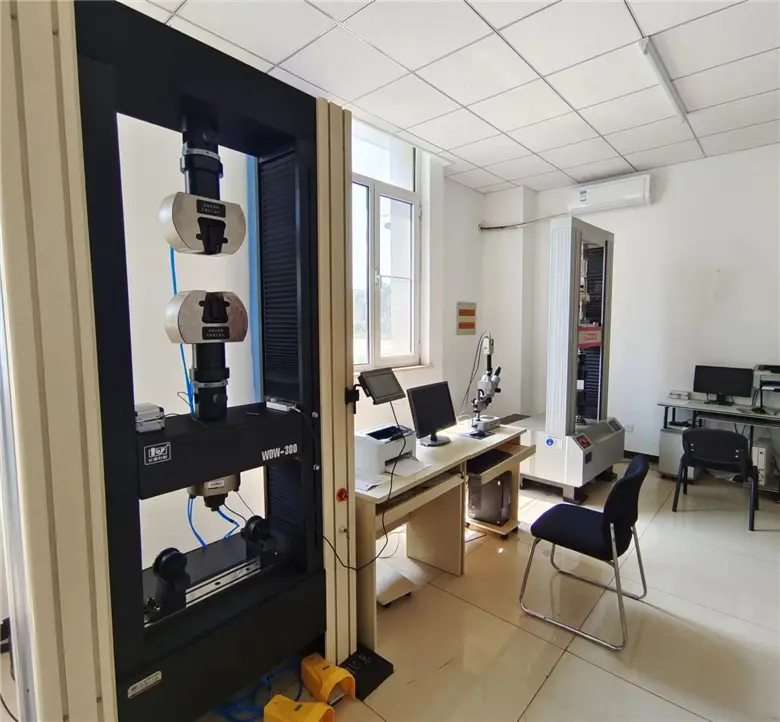
Our manufacturing workflow operates under strict compliance with ISO9001 protocols. From raw material inspection to final coordinate measurement (CMM) testing, we maintain complete traceability records for every production batch.
For processing lines handling food, dairy, and pharmaceuticals, our specialized PE1000 guides conform to FDA CFR 21 177.1520 and EU Regulation 10/2011 standards, guaranteeing chemical inertness and zero toxic transfer.
We provide comprehensive design support, including thermal expansion coefficient calculations, chain selection advice, and custom tooling development. This enables localized compatibility with existing hardware structures.
Standard UHMWPE is highly versatile, but extreme settings require specialized chemical properties. We engineer customized variants to match these environmental demands.
Standard plastics grow brittle in freezing conditions, leading to cracking under impact forces. Our HMWPE (PE500) and PE1000 compounds retain high impact resilience down to -200°C, making them suitable for sub-zero food storage conveyors and automated storage/retrieval systems (ASRS).
Dry friction on plastic components can build up high-voltage static charges, causing product cling or dangerous dust explosions. Our Antistatic UHMWPE sheets and rails maintain surface resistivity values from 105 to 109 ohms, safely grounding static charges in cleanrooms, grain elevators, and explosive chemical lines.
In municipal waste plants, fertilizer factories, and battery assembly facilities, equipment is exposed to corrosive washdowns and aggressive chemicals. Utilizing UHMWPE combined with chemical-resistant PP and rigid PVC components ensures long-term operational life without rot, swelling, or stress cracking.
We are currently researching the integration of carbon-nanotubes and molybdenum disulfide (MoS2) fillers into the UHMWPE molecular matrix. This integration targets dry running applications, aiming to lower friction and wear rates by an additional 35%.
By investing in state-of-the-art gantry CNC mills and high-speed multi-axis machining centers, we support the manufacturing of highly intricate geometries, custom track curves, and complex overlapping guides with minimal setup times.
In response to global corporate ESG mandates, our plant is increasing the development of recycled mixed HDPE/UHMWPE sheets and wear tracks. These products deliver reliable performance characteristics while reducing raw oil usage and footprint impact.
Expert answers to common engineering questions concerning material properties, design allowances, and installation.
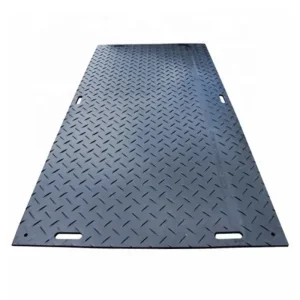
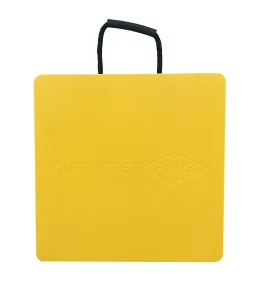
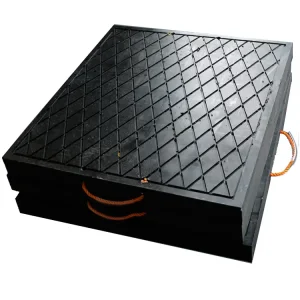
Engineered solutions for heavy equipment ground support, crane stability pads, and specialized machining applications.
 Beyond