 Beyond
Executive Summary: The Role of Bunker Liners (Футеровка Бункера) in Modern Bulk Handling
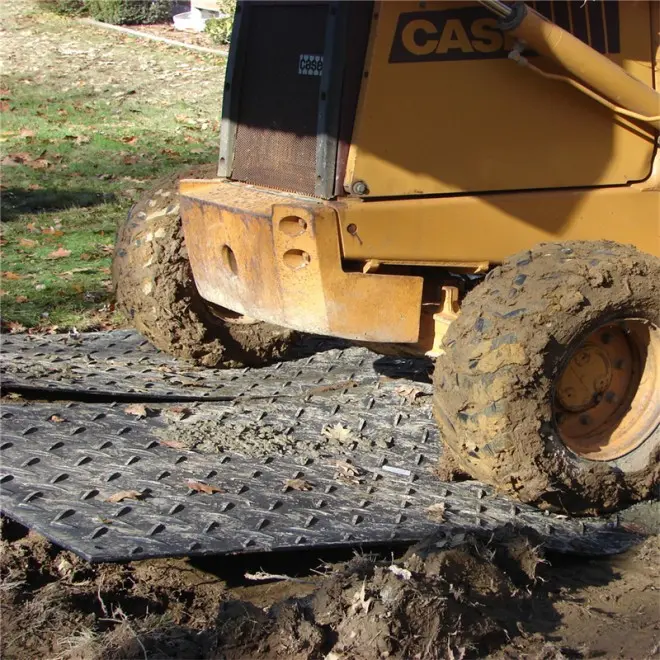
In heavy industries such as mining, power generation, steel production, and bulk terminal transport, the efficiency of material flow is directly tied to operational profitability. Clogging, bridging, ratholing, and rapid abrasive wear of steel containment structures are recurring engineering pain points. Traditional steel bunkers and concrete silos run into extreme friction challenges, particularly when handling wet, cohesive, or highly abrasive materials.
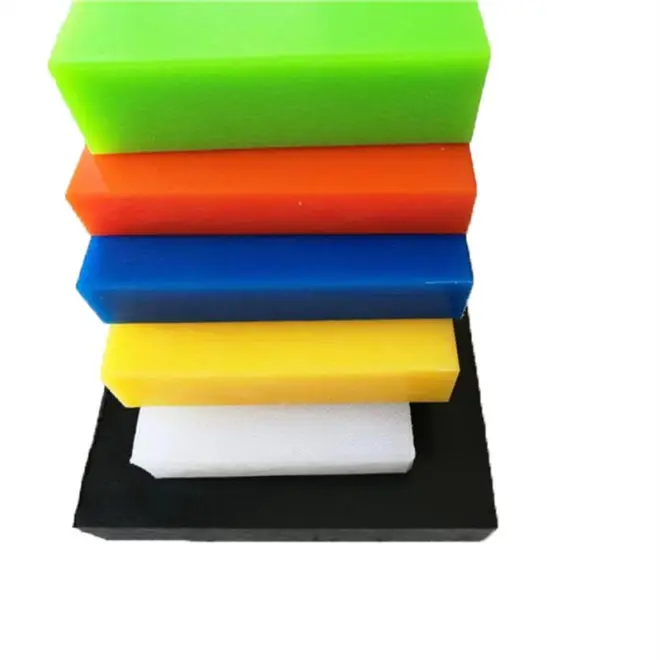
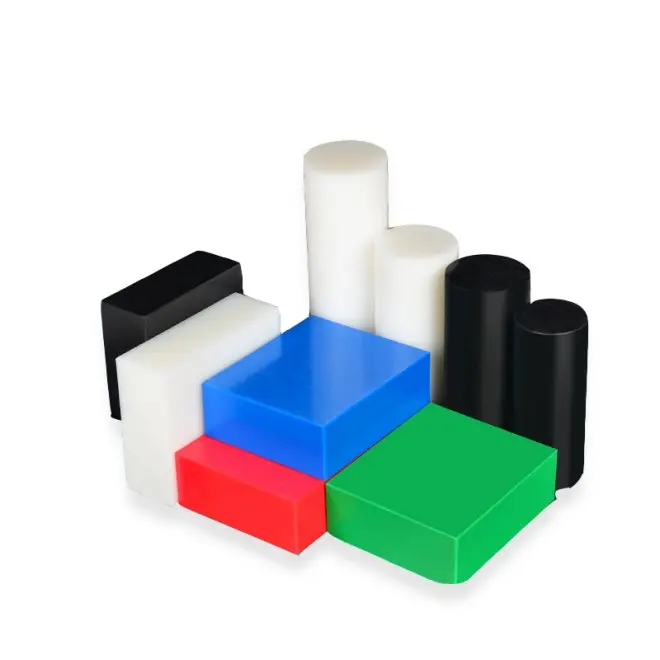
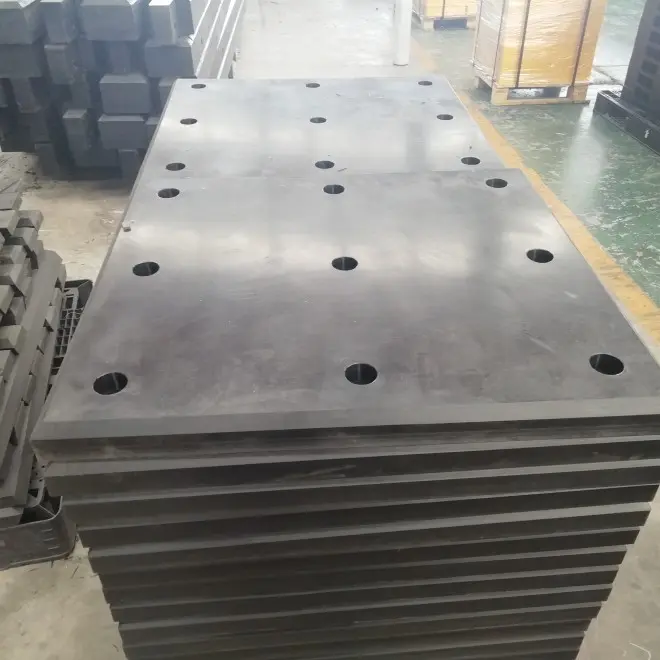
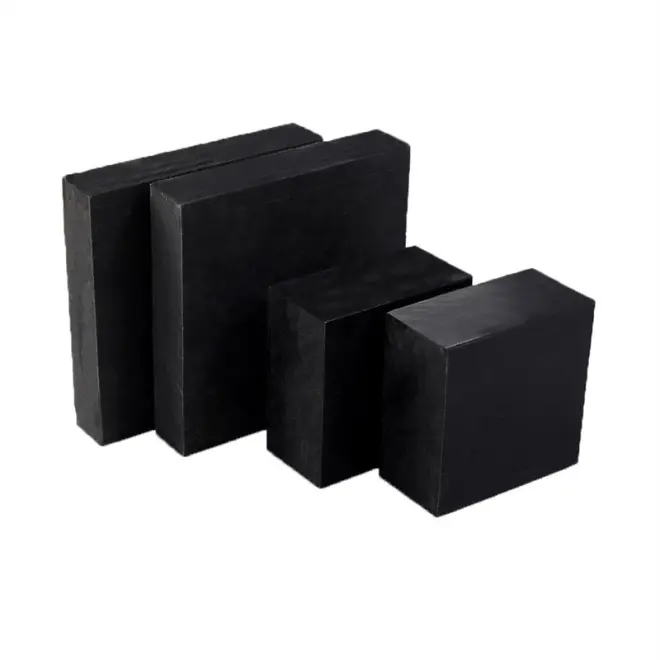
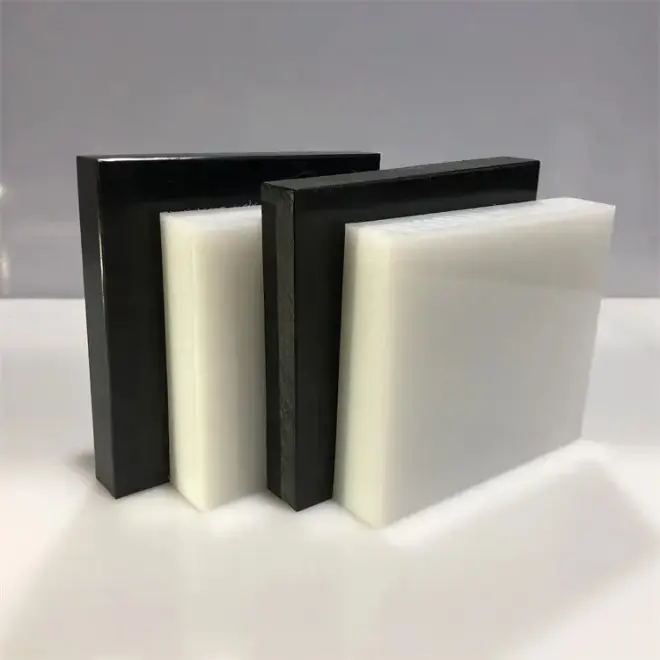
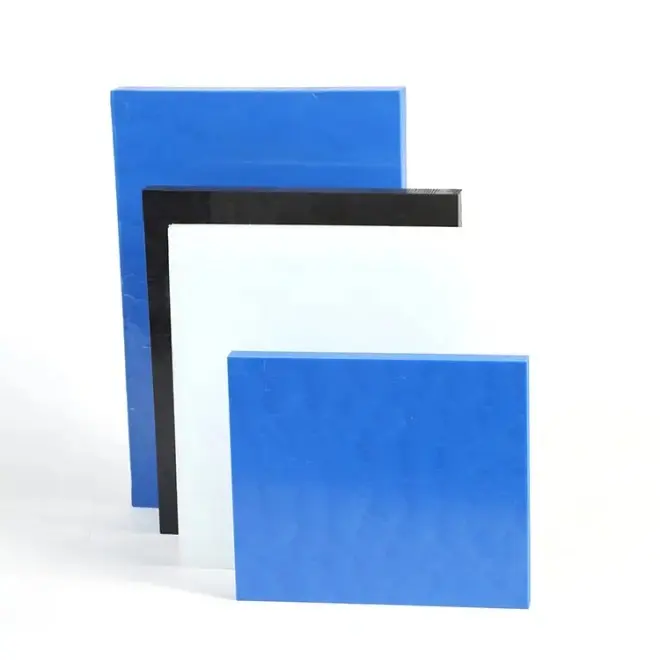
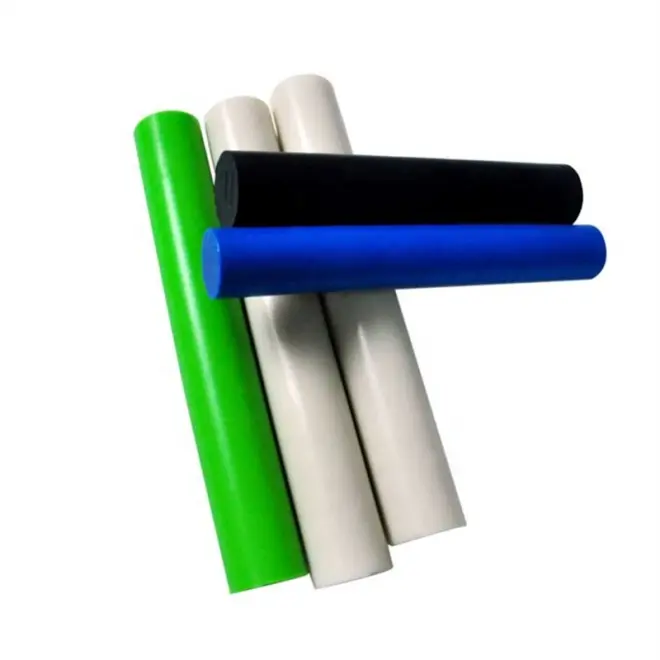
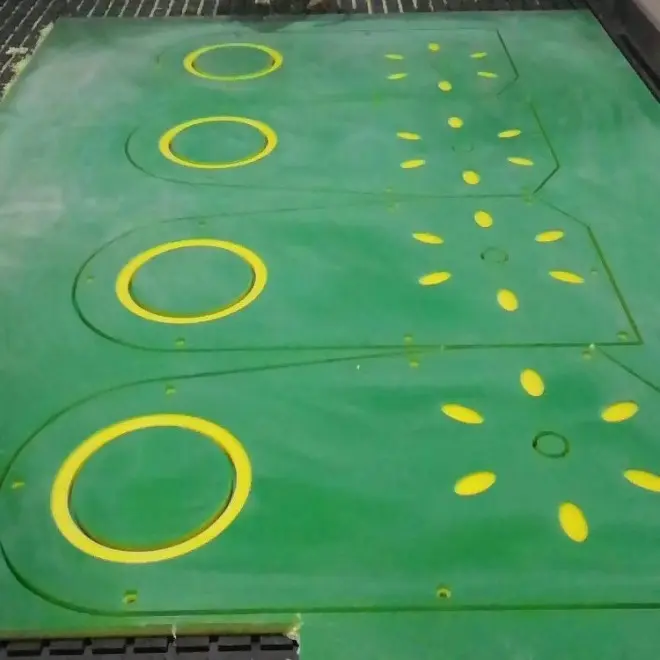
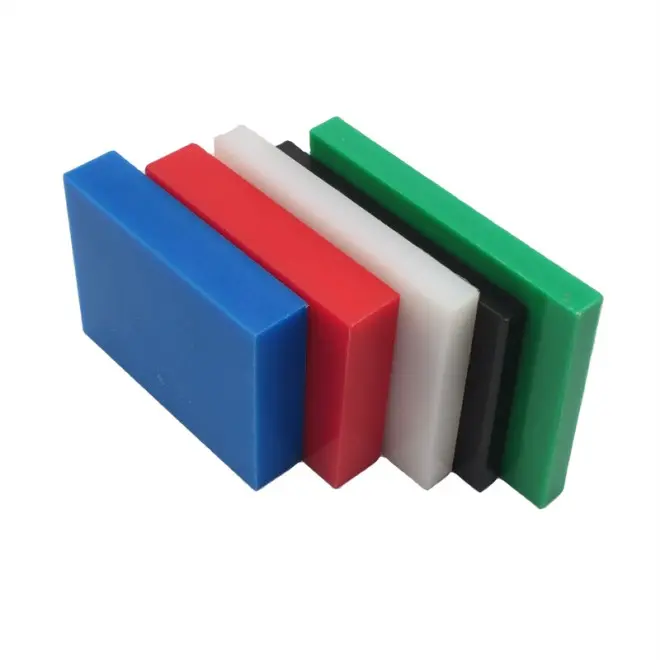
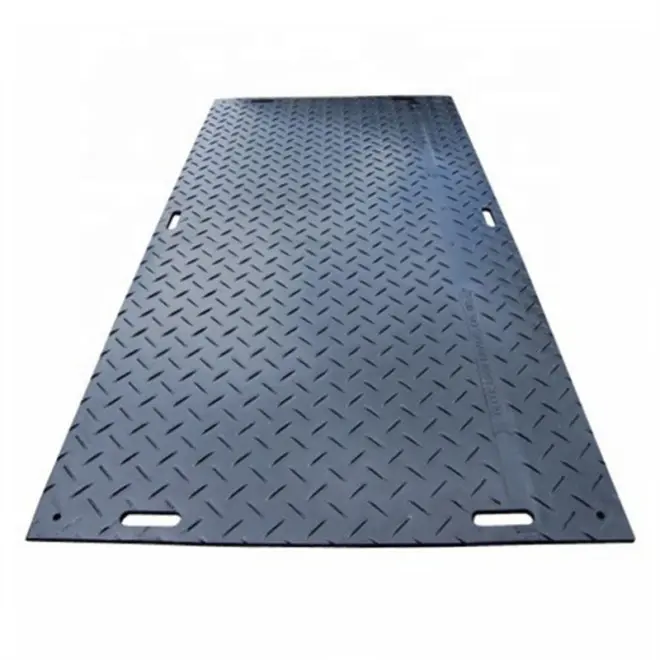
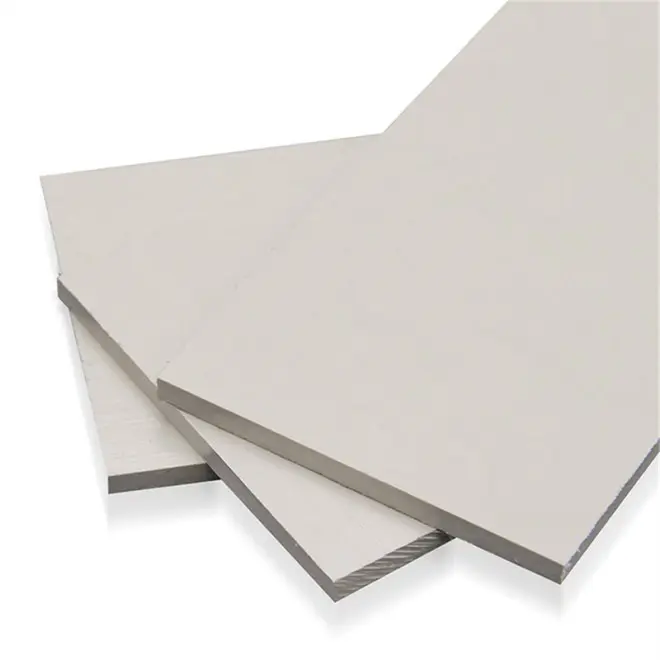
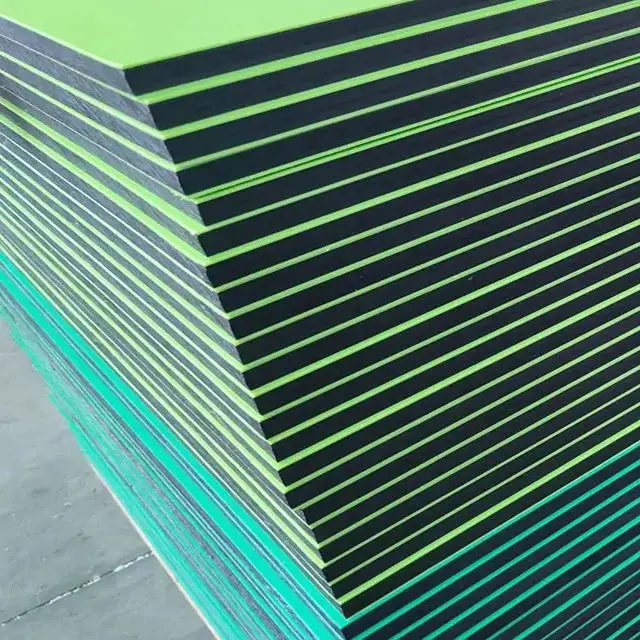
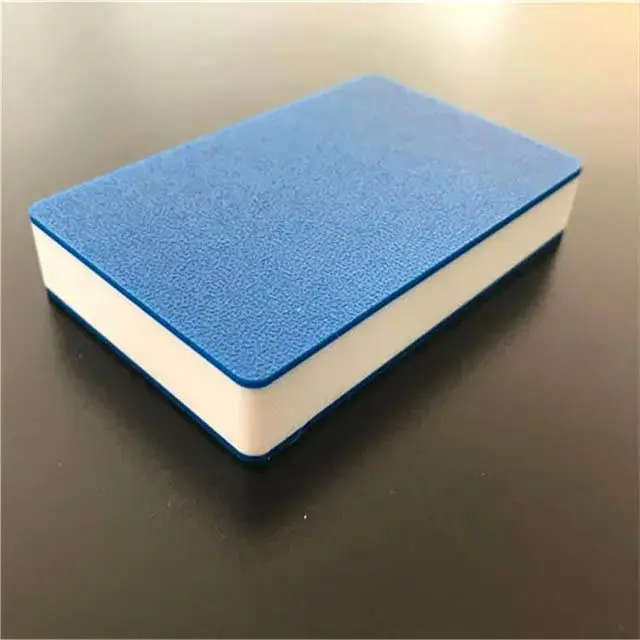
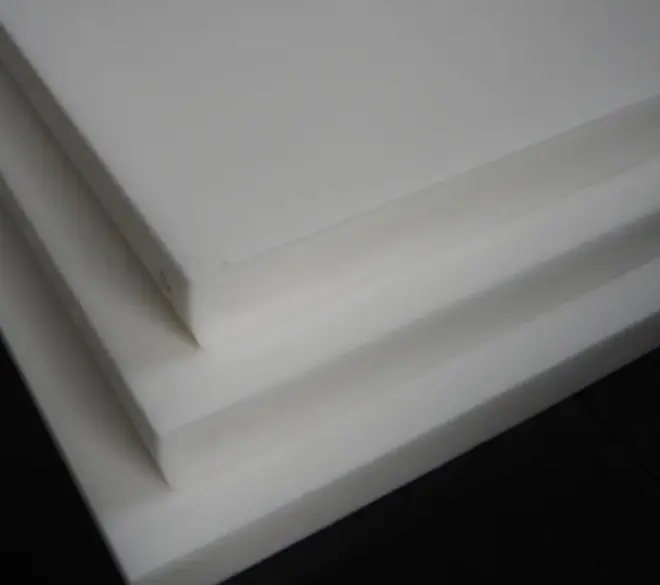
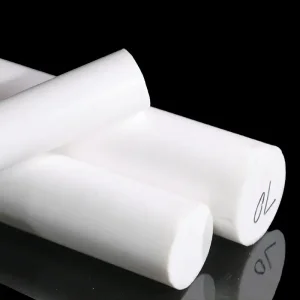
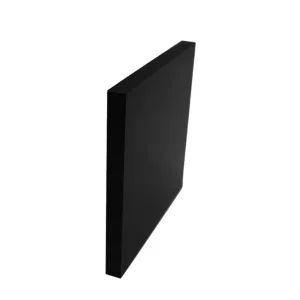
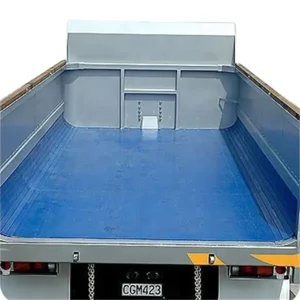
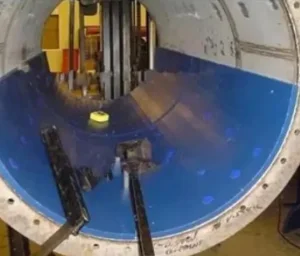
This whitepaper analyzes the mechanical characteristics, polymer science, and logistical advantages of sourcing high-performance Футеровка Для Бункера (Bunker Liners) from leading manufacturers in China. By deploying Ultra-High Molecular Weight Polyethylene (UHMWPE/PE1000) and related advanced engineering plastics, industrial operations can dramatically reduce friction, mitigate wear, and virtually eliminate bulk cargo adhesion. Sourcing directly from Chinese factories equipped with ultra-large compression molding presses and precision CNC equipment offers an optimal path to scaling structural durability while maintaining cost efficiency.
1. The Polymer Science: Why UHMWPE (PE1000) Outperforms Traditional Materials
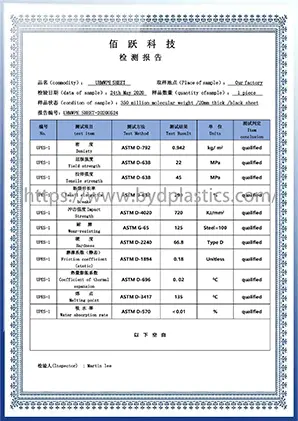
Ultra-High Molecular Weight Polyethylene (UHMWPE) is characterized by polymer chains containing millions of monomer units (typically with a molecular weight ranging from 4.5 to 9.2 million g/mol). This extremely long molecular chain structure provides unique mechanical properties that are crucial for protective lining systems:
| Mechanical Property | UHMWPE (PE1000) | Mild Steel (A36) | HDPE (PE300) | Polyurethane (PU) |
|---|---|---|---|---|
| Density (g/cm³) | 0.93 - 0.96 | 7.85 | 0.95 - 0.96 | 1.15 - 1.25 |
| Coefficient of Friction (Dynamic) | 0.12 - 0.15 | 0.50 - 0.80 | 0.20 - 0.25 | 0.30 - 0.45 |
| Relative Abrasion Wear (Slurry Test) | 100 (Baseline) | 160 - 200 | 300 - 400 | 130 - 150 |
| Impact Strength (kJ/m²) | No Break (Double Notch) | Deforms/Cracks | 15 - 25 | High Resilience |
| Water Absorption (%) | < 0.01% (Hydrophobic) | Corrosion Vulnerable | < 0.01% | 0.5 - 1.5% |
Mitigating Bridging and Ratholing
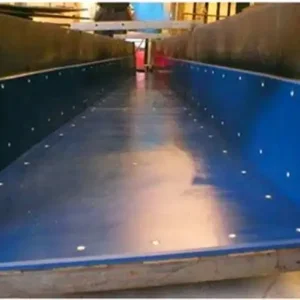
When cohesive materials like moist coal, gypsum, clay, or copper concentrate are gravity-fed into a hopper, two main flow obstructions occur: bridging (the formation of an arch over the outlet) and ratholing (only the material directly above the outlet flows, leaving stagnant material on the sides). The extremely low surface energy and high self-lubrication of UHMWPE sheets prevent static friction buildup, facilitating mass flow where all material in the hopper moves simultaneously.