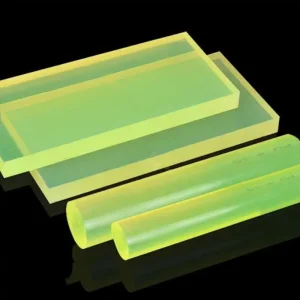
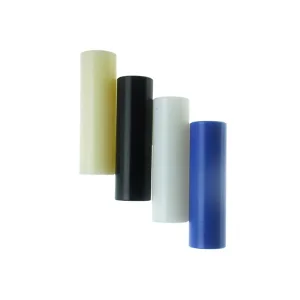
Explore our line of wear-resistant, high-strength PE crane pads and structural engineered plastics direct from our compression molding factories.
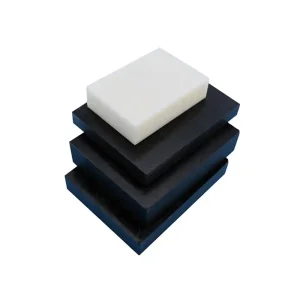
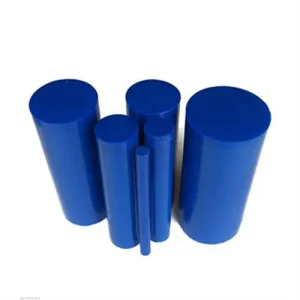
Modern industrial rigging and construction site environments require zero-failure operating safety margins. When high-capacity mobile cranes, concrete boom pumps, and utility vehicles extend their outriggers, they exert massive concentrated point loads on the ground. Unprotected soils or uneven terrain can yield under the pressure, leading to catastrophic equipment failure or tip-overs.
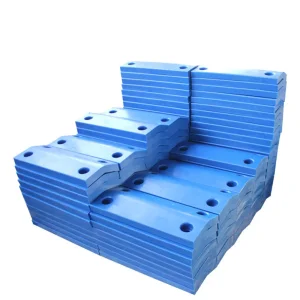
This is where UHMWPE (Ultra-High Molecular Weight Polyethylene) and HDPE (High-Density Polyethylene) outrigger pads become critical safety assets. By distributing point loads over a significantly larger surface area, these engineered plastic plates reduce ground pressure and prevent sinkage. Compared to traditional wood or steel alternatives, PE outrigger pads deliver superior deflection recovery, water and chemical resistance, and non-conductivity, making them the standard choice for safety-conscious operations globally.
Understanding the material differences is crucial for selecting the appropriate outrigger pad thickness and dimension for safe field operations.
| Material Property | UHMWPE (PE1000) | HDPE (PE300/500) | Structural Hardwood | Mild Carbon Steel |
|---|---|---|---|---|
| Molecular Weight | 3.0 to 9.2 Million g/mol | 200,000 to 500,000 g/mol | Organic Fibrous Complex | N/A |
| Compressive Yield Strength | > 25 MPa | > 20 MPa | 12 - 18 MPa (grain-dependent) | > 250 MPa |
| Impact Resistance | Excellent (No Break under ASTM D256) | High (Good toughness) | Poor (Splits under sudden load) | Excellent (Subject to permanent bending) |
| Water Absorption | < 0.01% (Hydrophobic) | < 0.01% (Hydrophobic) | 15% - 50% (Swells and rots) | 0% (Corrodes and rusts) |
| Weight / Density | 0.93 - 0.97 g/cm³ (Lightweight) | 0.94 - 0.96 g/cm³ (Lightweight) | 0.7 - 0.9 g/cm³ (Varies with moisture) | 7.8 g/cm³ (Extremely heavy) |
| Electrical Conductivity | Non-Conductive (Excellent insulator) | Non-Conductive | Conductive when wet | Highly Conductive |
UHMWPE (Ultra-High Molecular Weight Polyethylene) represents the peak performance standard for outrigger pads. With molecular chains extending up to several million units, it provides unmatched wear resistance and self-lubricating properties. Under high pressure, it flexes slightly to absorb and distribute loads but recovers its original shape completely without cracking.
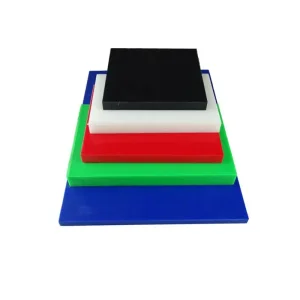
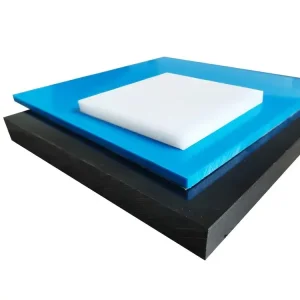
HDPE (High-Density Polyethylene) provides a highly cost-effective and rigid alternative. While it possesses lower impact toughness than UHMWPE, it maintains exceptional chemical, moisture, and UV resistance, making it suitable for light to medium outrigger applications, ground protection mats, and heavy-duty double-colored structural plastics.
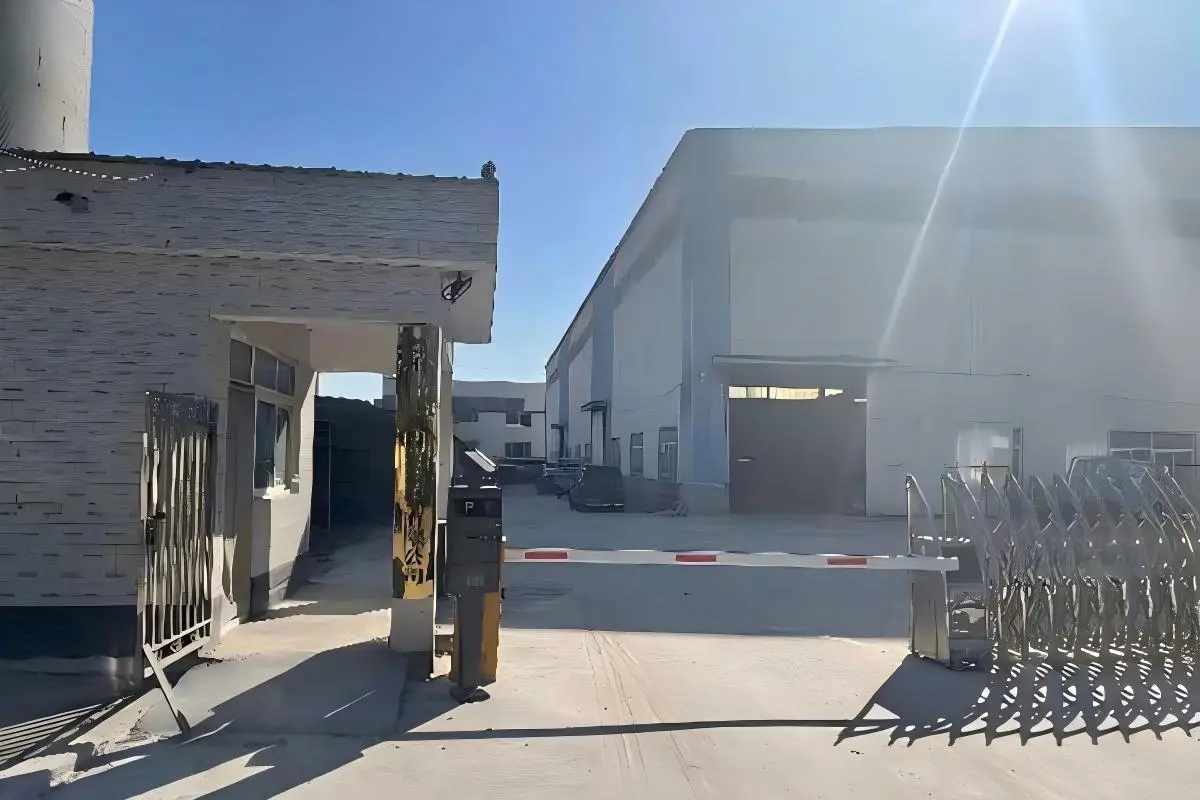
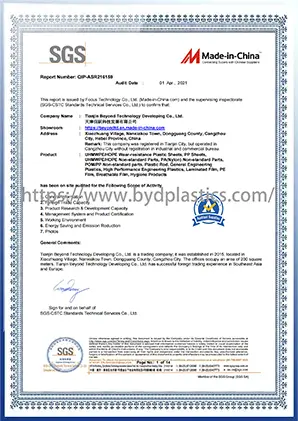
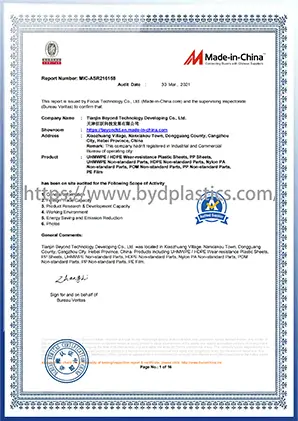
Tianjin Beyond Technology Development Co., Ltd. is a comprehensive manufacturing enterprise specializing in engineering plastic materials and precision CNC machining.
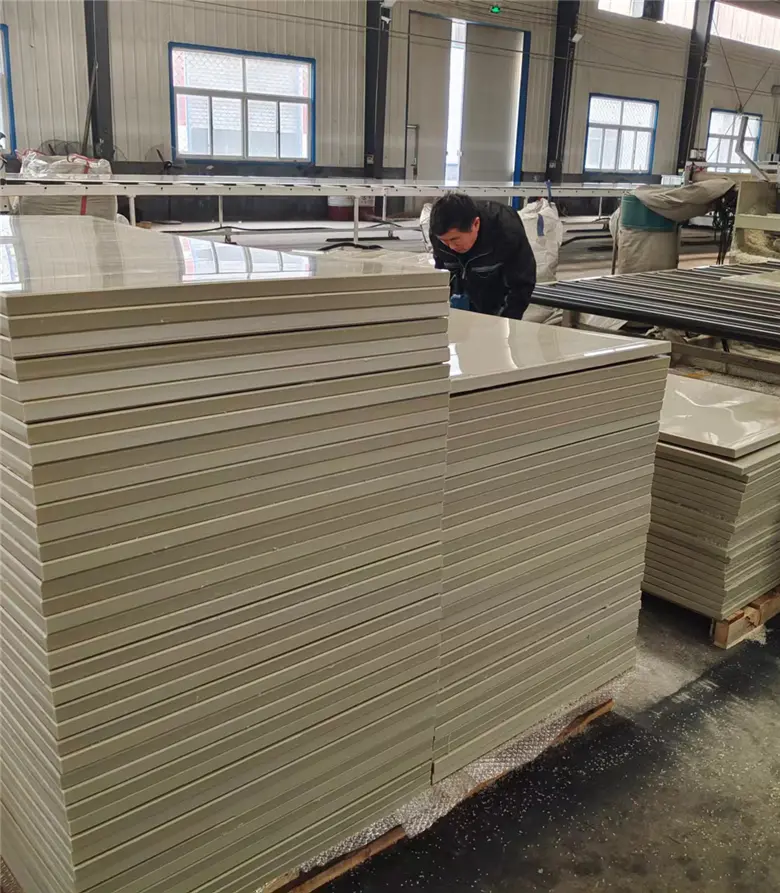
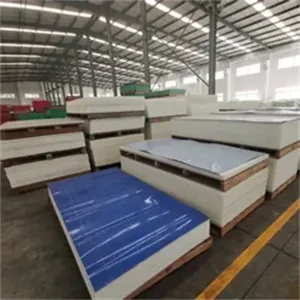
Operating from our modern 50,000 square meter factory, our facility integrates high-capacity compression molding, extrusion workshops, a precision CNC machining center, and a dedicated R&D laboratory. Equipped with advanced production machinery, including large-scale compression molding presses, gantry CNC lathes, gantry milling machines, and high-speed CNC engraving systems, we ensure consistent thickness tolerances, precise handle cutouts, and uniform load distribution across all our outrigger pads.
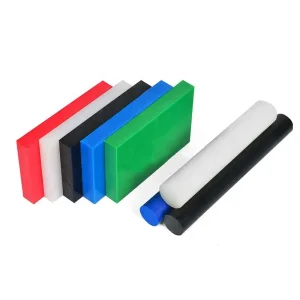
Explore our specialized lines of industrial thermoplastic sheets, ground protection mats, and structural custom CNC machined parts.
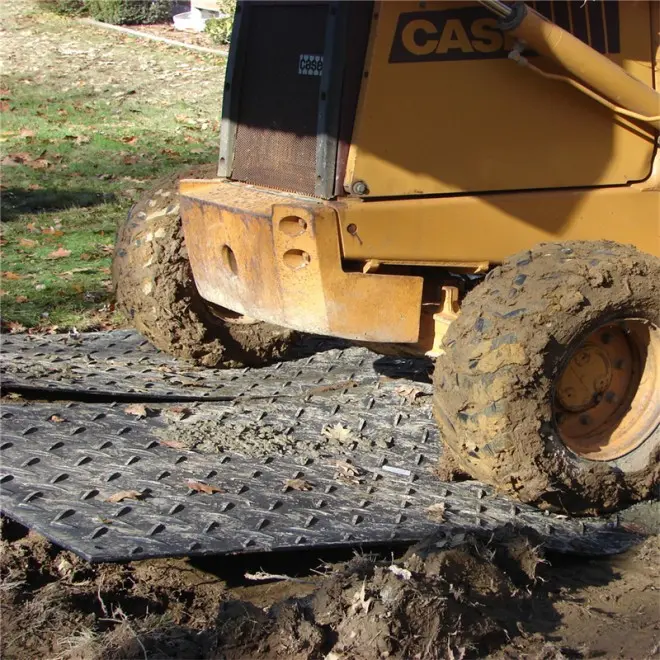
High-density temporary roadways designed to withstand heavy machinery traffic on soft or sensitive terrain.
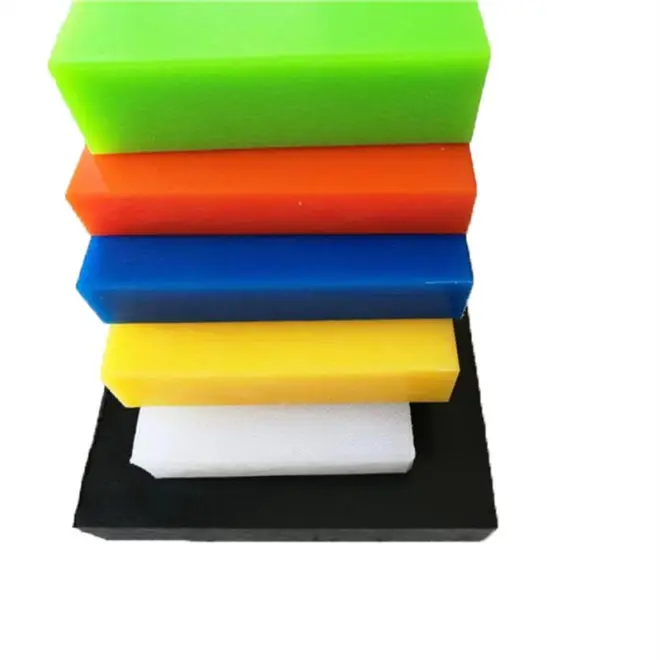
Extremely low coefficient of friction and superior wear resistance, suitable for chute liners, guides, and slide plates.
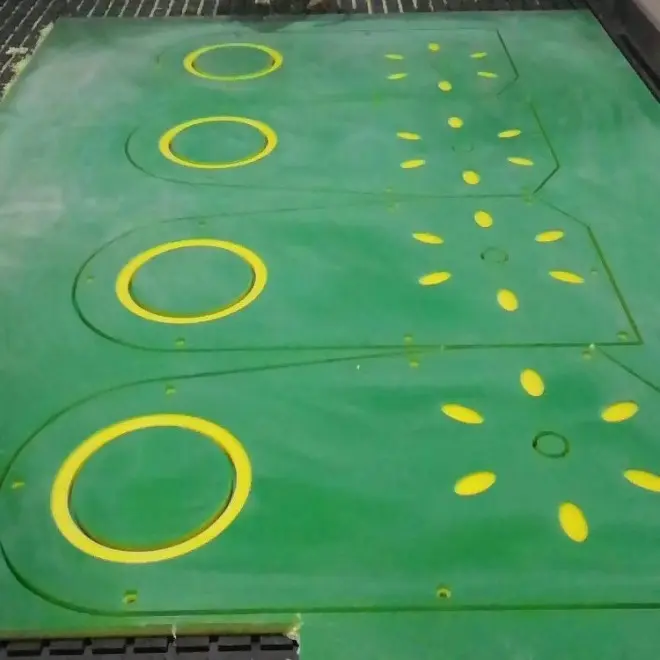
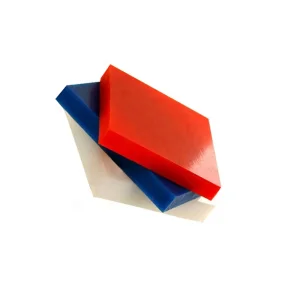
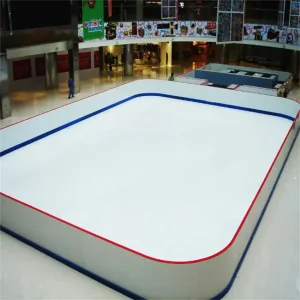
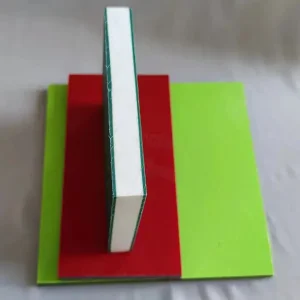
Multi-layer colored core sheets designed for recreational facilities, marine components, and durable signage boards.
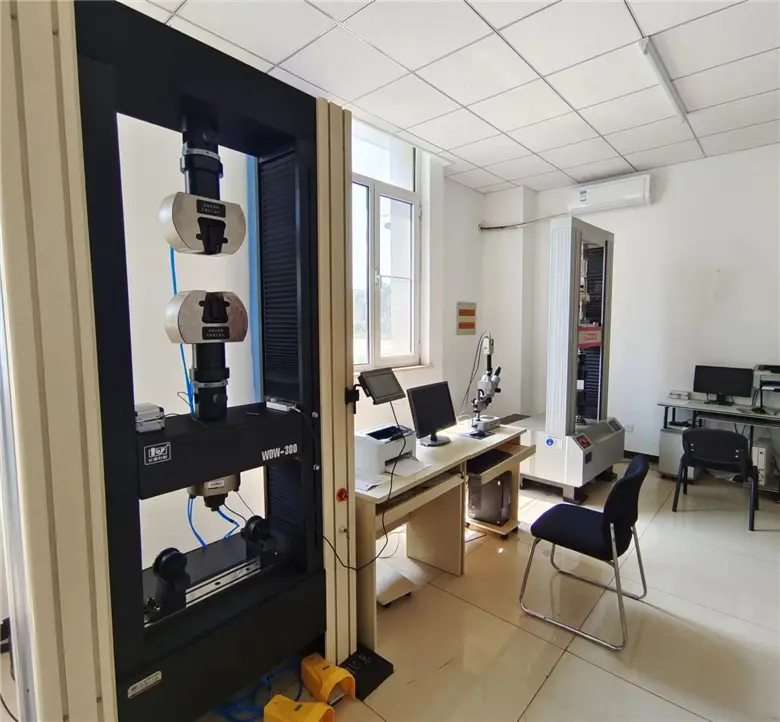
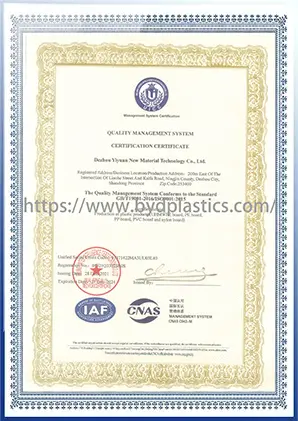
From raw materials entering our facility to the final loading of finished products, our quality control inspectors execute strict protocols under our ISO 9001 certified quality management system.
Every production batch is tested for:
Compressive strength limits to ensure support integrity.
Dimensional precision using high-precision digital calipers.
Internal structural density via ultrasonic testing, ensuring no air voids or pockets that could lead to crack propagation under stress.
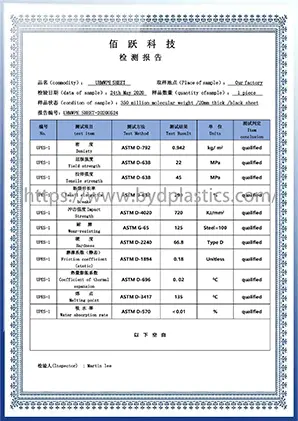
We provide comprehensive Certificate of Analysis (COA) sheets, raw material test data, and compression analysis certificates for all bulk outrigger pad shipments.
Our operational ecosystem focuses on raw material purity. In addition to synthetic polymers, our strategic network extends to high-altitude plant extracts and premium organic raw materials via partner entities like Ya'an Times Biotech Co., Ltd. Located in Ya'an, Sichuan, where altitudes vary from 525 to 7,555 meters, the diverse landscape yields high-purity natural extracts.
These bio-based raw oils, including camellia oil, eucalyptus oil, turmeric oil, and pepper oil, serve as premium ingredients for the cosmetics, food, and industrial lubricants industries. By applying strict inspection and extraction monitoring, we guarantee that all synthetic polymers and organic raw material solutions comply with international environmental and quality regulations.
A technical deep-dive into how structural polymer engineering keeps heavy operations safe and compliant.
In mobile crane setup operations, the primary goal of using outrigger pads is to distribute the force exerted by the crane's stabilizer foot so that it does not exceed the Soil Bearing Capacity (SBC). Soils differ dramatically in load-bearing capabilities. For example, wet clay may only support 100 kPa (14.5 psi) before shifting, whereas compacted gravel can handle up to 400 kPa (58 psi).
If a crane stabilizer foot plate measures 300 mm x 300 mm (0.09 m²), it concentrates a massive load in a small area. If the crane exerts a force of 180 kN (approximately 18 metric tons) on that single leg, the ground pressure is 2,000 kPa. If this exceeds the local SBC, the outrigger will sink, causing instability.
Using a 1,000 mm x 1,000 mm (1.0 m²) UHMWPE outrigger pad increases the load-bearing area by a factor of 11. The pressure drops from 2,000 kPa to 180 kPa. This falls safely within the load limits of most compacted soils, keeping the crane level and stable.
Historically, heavy equipment operators used wood blocks, timber mats, or steel sheets. While wood is initially cheap, it degrades rapidly when exposed to humidity, wet soil, and rain. The internal structure decays, leading to hidden failures under high stress. Wood also splinters, creating safety hazards for operators during handling. Steel plates, while strong, are heavy, require crane assistance to position, and are prone to rust and permanent deformation.
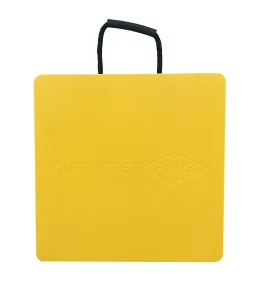
OEM PE Outrigger Pads solve these issues. Made from high-density polymers, they do not absorb moisture, resist rot, and are impervious to oil, fuel, and corrosive chemicals. Their built-in ergonomic rope or wire handles allow simple manual positioning, helping reduce crew strain and setup times.
Answers to technical questions from global procurement officers and safety managers.
Direct factory sourcing of engineered plates, POM sheets, PTFE sheets, and custom dual-colored playground panels.

 Beyond