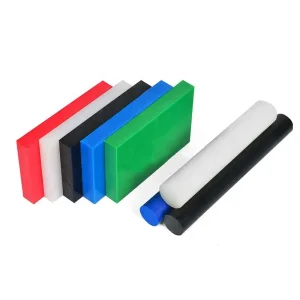
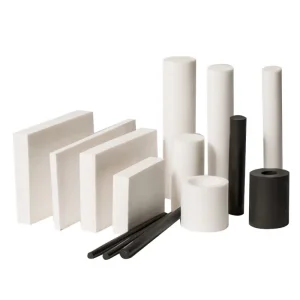
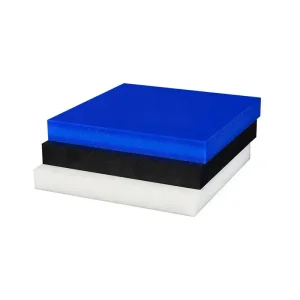
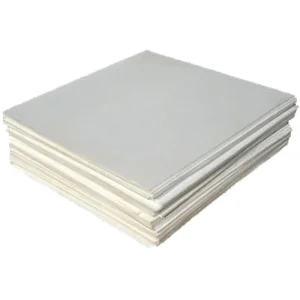
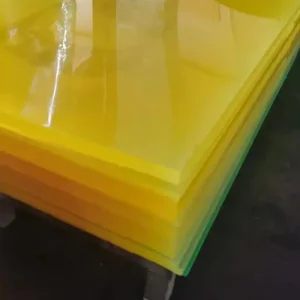
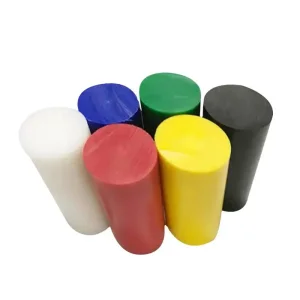
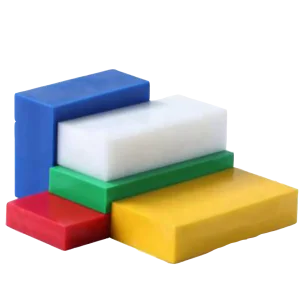
High-durability engineering plastic sheets, rods, and wear-resistant liners direct from our state-of-the-art Chinese manufacturing base.
Understanding structural load dynamics, crystallinity window parameters, and weldability indices of High-Density Polyethylene.
In municipal water, chemical processing, and marine architecture, components must survive environments of constant mechanical loading and corrosive exposure. Traditional mechanical fasteners can create localized stress concentration points, leading to environmental stress cracking (ESC). Sourcing reliable weld-grade HDPE sheets enables high-integrity thermal, extrusion, or hot gas welding, creating seamless, unified polymer structures.
The core physics of welding HDPE relies on *polymer chain diffusion*. When two matching HDPE surfaces are heated to their specific melting temperature zone (130°C–135°C crystal melting range, but processed at 200°C–230°C to achieve adequate melt viscosity), the polymer chains cross the boundary interface. This intermolecular entanglement cools down to form a recrystallized structure. If done correctly using optimized welding rods and machinery, the joint strength matches the parent material.
| Polymer Classification | Molecular Weight (g/mol) | Melt Flow Rate (190°C/5kg) | Tensile Strength at Yield | Primary Welding Method Compatibility |
|---|---|---|---|---|
| PE300 (HDPE - Standard Weld Grade) | ~300,000 | 0.2 - 0.5 g/10 min | ≥ 22 MPa | Extrusion, Hot Gas, Butt Fusion (Excellent) |
| PE500 (HMWPE - High Wear Grade) | ~500,000 | < 0.1 g/10 min | ≥ 20 MPa | Butt Fusion, Limited Extrusion (Moderate) |
| PE1000 (UHMWPE - Ultra-Wear Grade) | 3,000,000 - 9,200,000 | Extremely Low (No flow) | ≥ 19 MPa | Mechanical Jointing Only (Not Thermally Weldable) |
Founded with a focus on manufacturing excellence, Tianjin Beyond Technology Development Co., Ltd. is a comprehensive manufacturing enterprise specializing in engineering plastic materials and precision CNC machining.
Since 2015, the company has gained more than ten years of practical experience in engineering plastics manufacturing and precision CNC machining, building strong and reliable capabilities in material processing, precision control, and industrial production.
Our manufacturing base spans approximately 50,000 square meters and integrates compression molding and extrusion workshops, a precision CNC machining center, and a dedicated R&D facility. Outfitted with advanced international equipment—including compression molding and extrusion lines, gantry CNC lathes, gantry CNC milling machines, and large-scale CNC engraving systems—this integrated setup allows the company to ensure consistent quality, maintain efficient production, and deliver high-precision, large-volume, and customized products that meet the highest industrial standards.
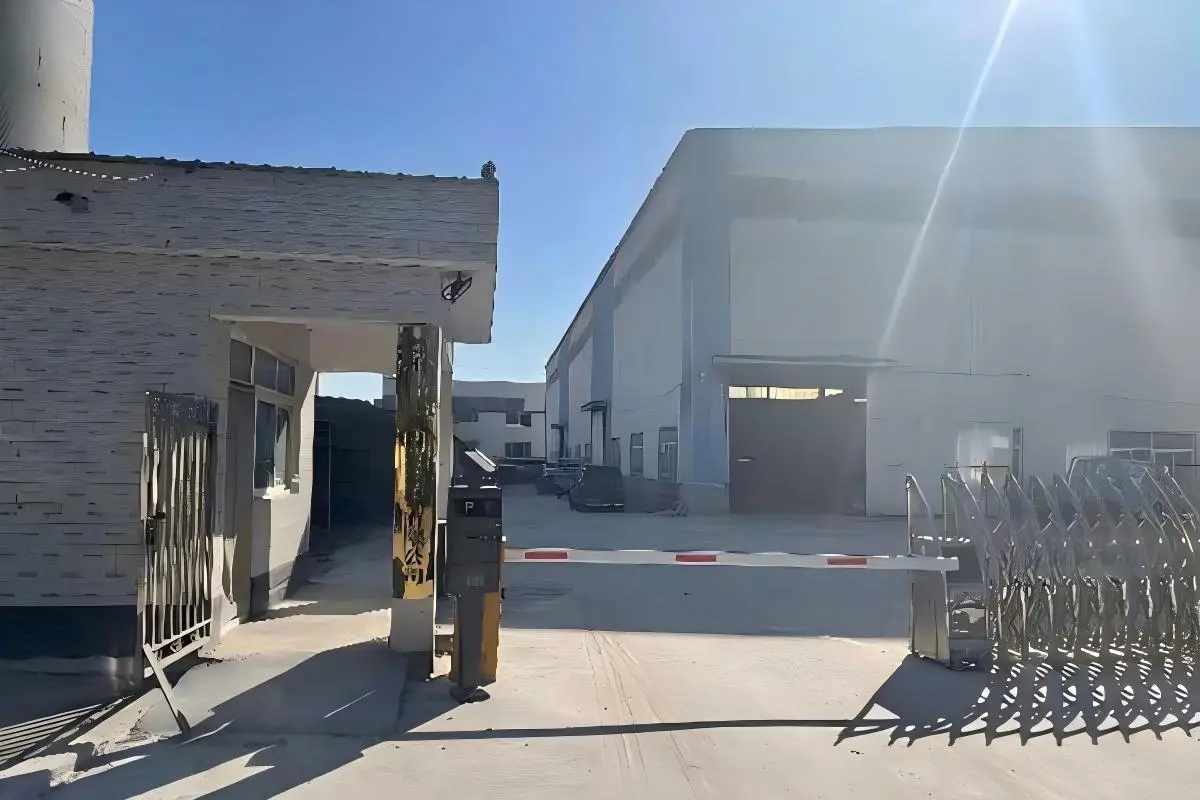
How we maintain zero-defect standards for batch-to-batch polymer processing through strict raw material compliance.
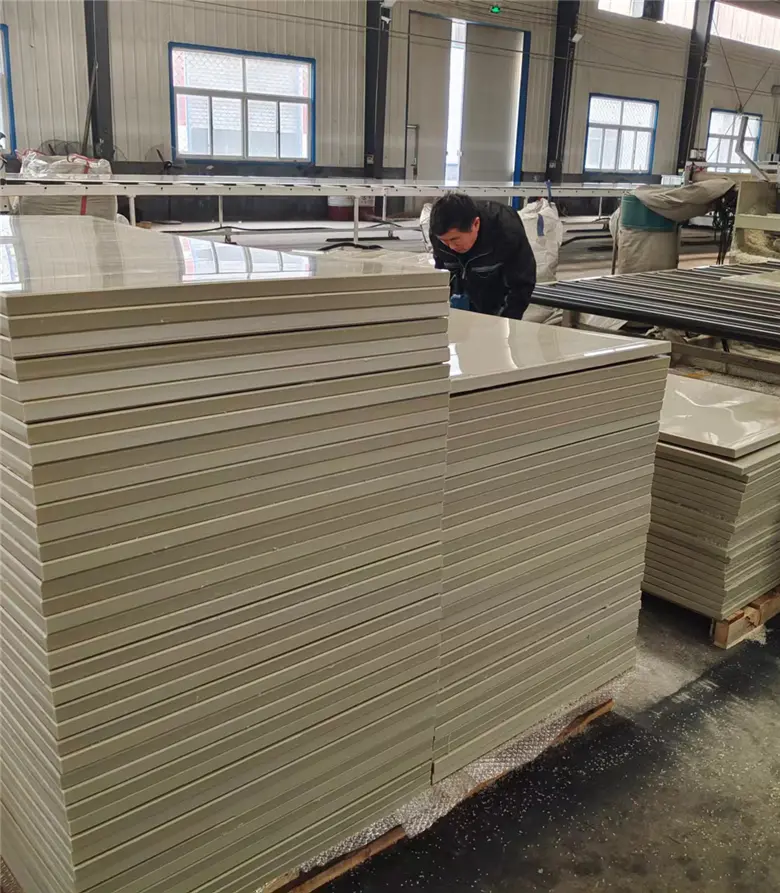
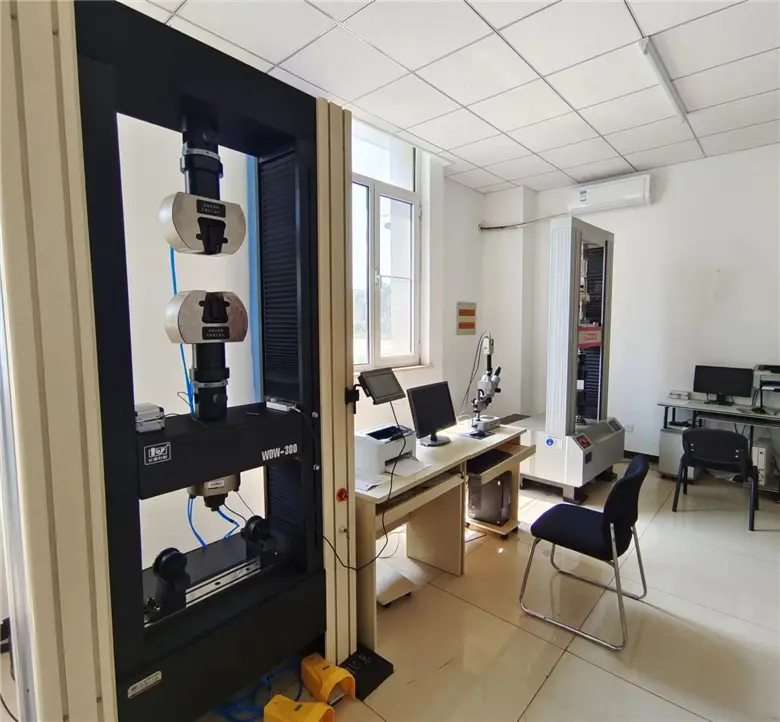
Premium engineering plastic products always start with verified high-performance raw materials. Tianjin Beyond maintains long-term, high-quality sourcing agreements with industry leaders such as TICONA (Celanese), LG Chem, and Sinopec. Every incoming batch of resin undergoes melt index validation, molecular density profile scanning, and moisture check, keeping our raw material baseline absolutely pure.
QC Note: Our on-site testing laboratories conduct continuous dimensional verification, tensile stress evaluation, and Charpy impact resistance validation. This comprehensive monitoring protocol aligns with ISO 9001 quality system directives, ensuring no off-specification sheet reaches our shipping dock.
Customizable engineering solutions solving critical challenges in fluid, waste, and chemical logistics.
Our OEM welding HDPE sheets are optimized for industrial acid baths, chemical wash storage tanks, and scrubber columns. High resistance to corrosive agents (such as strong sulfuric and hydrochloric acid solutions) combined with excellent hot-gas extrusion welding qualities guarantees reliable leak-proof containers.
HDPE is a preferred engineering plastic for water storage, basin lining, and storm pipe access portals. The material's hydrophobic qualities (zero water absorption) prevent scaling and biological bacterial buildup, ensuring fluid system reliability over operational lifespans exceeding 50 years.
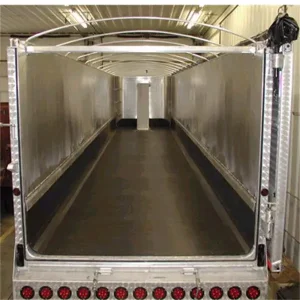
By lining bulk hoppers, dump trucks, and screw conveyor systems with our wear-resistant plastic sheets (UHMWPE and HMWPE options), mining facilities significantly reduce drag, prevent product sticking, and increase abrasive material flow rates.
How our integrated raw material pipelines, massive warehouse reserves, and modern CNC processing lines minimize lead times.
In today's complex international supply chain environment, supply consistency is vital. Tianjin Beyond acts as a single-source manufacturing base that handles everything from primary extrusion and compression molding to customized CNC machining. We maintain a large inventory of raw polymer materials and semi-finished sheets and rods, shielding our global procurement partners from local material shortages and price fluctuations.
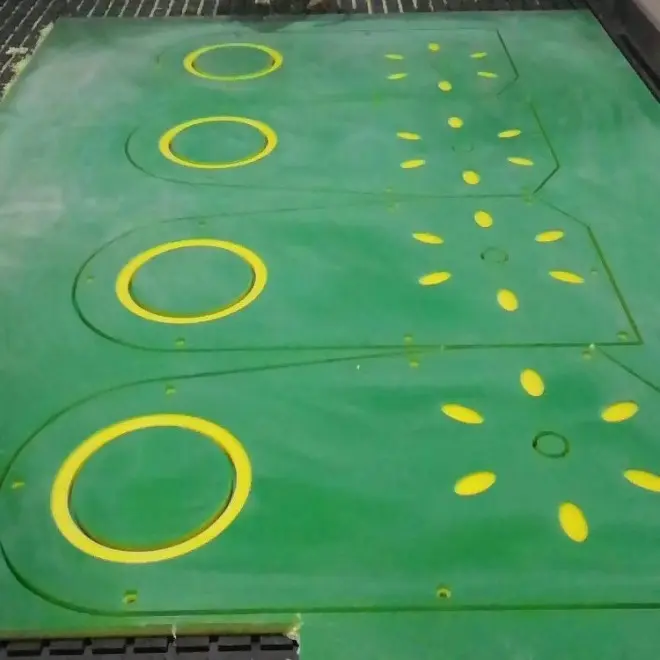
Our facility runs high-efficiency, multi-axis gantry CNC routers alongside automated extrusion setups. This direct manufacturing approach eliminates third-party markups, speeds up custom sheet production, and enables close control over dimensional tolerances (±0.1mm accuracy for complex machined parts). Whether you need plain raw sheets or complex ready-to-install parts, our factory delivers reliable performance on schedule.
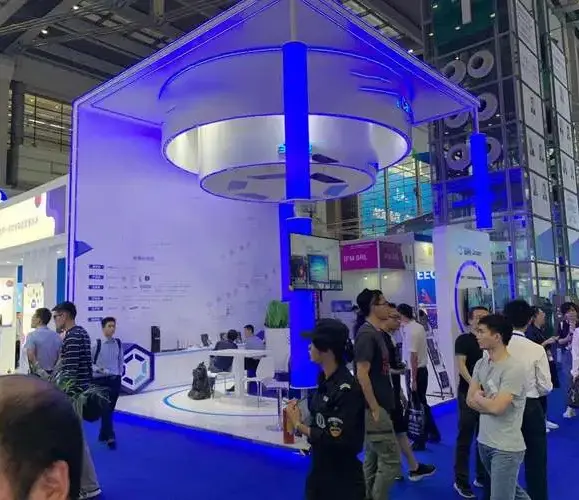
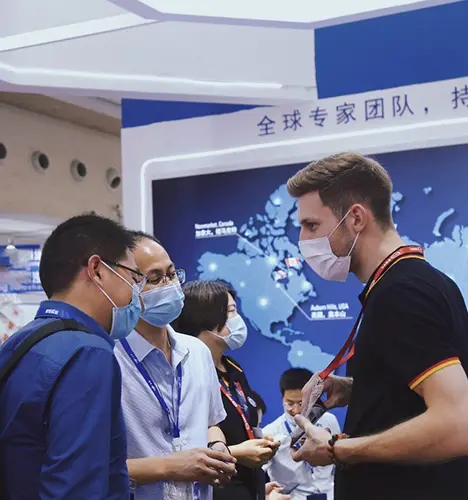
Exploring advancements in smart polymers, bio-based HDPE raw materials, and specialized wear additives.
Integrating conductive tracking layers and RFID tags within HDPE sheets for real-time wear rate monitoring in heavy mining and lining installations.
Developing plant-based feedstocks to synthesize eco-friendly, green polyethylene sheets that match standard HDPE mechanical properties while lowering carbon footprints.
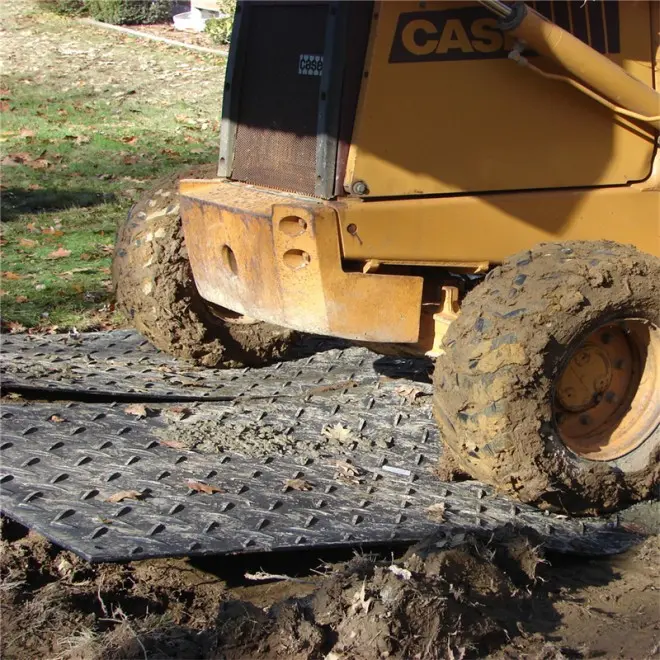
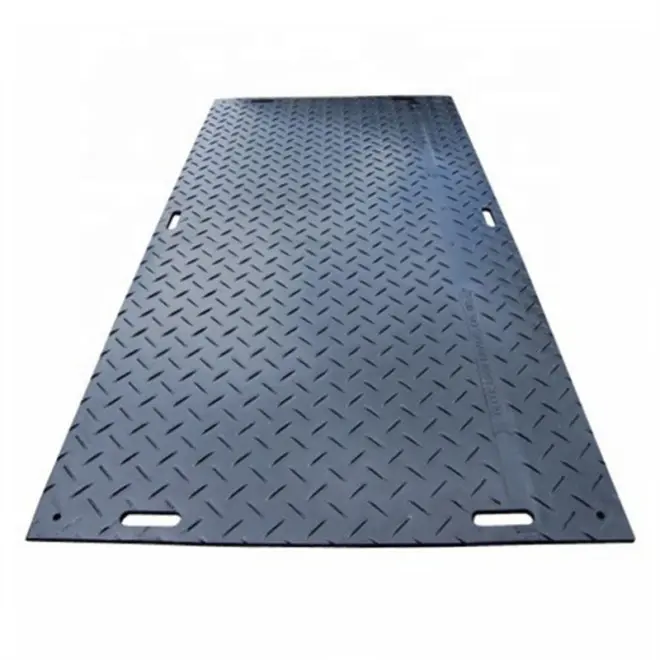
Innovating micro-additives that prevent UV degradation in extreme climates, doubling the outdoor lifespan of field-installed ground protection mats and structures.
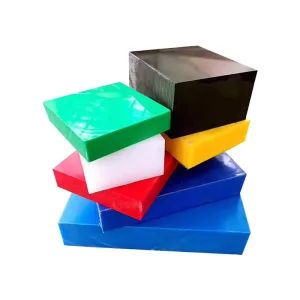
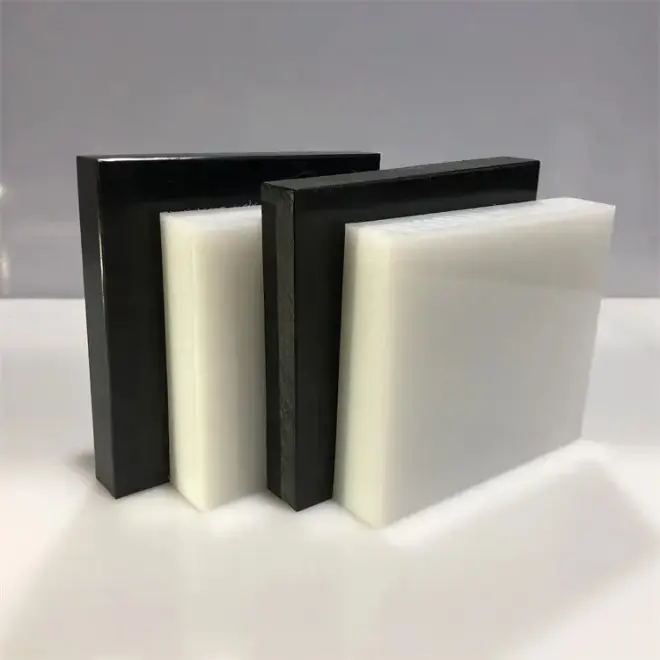
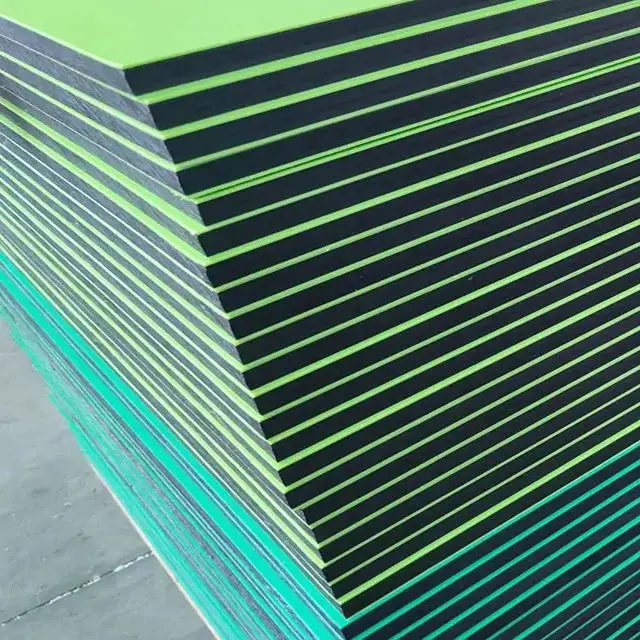
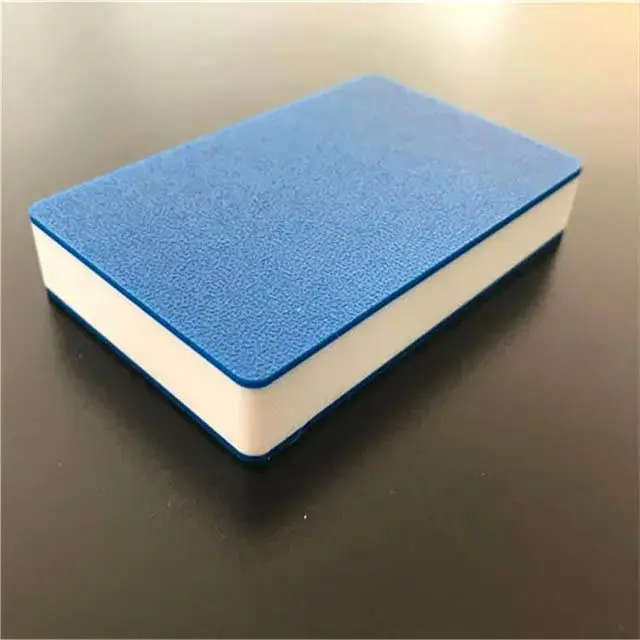
Developing dual-color layers that simplify wear checking—when the surface layer wears down to show the inner color, maintenance teams know it is time to replace the component.
Verified compliance certifications confirming our materials meet international standards for safety and structural reliability.
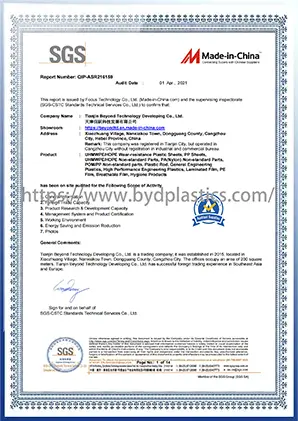
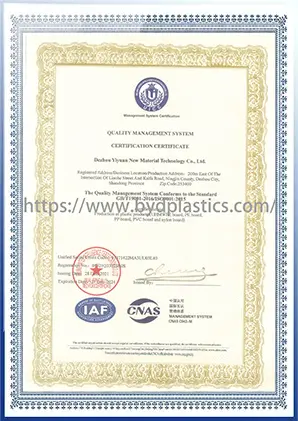
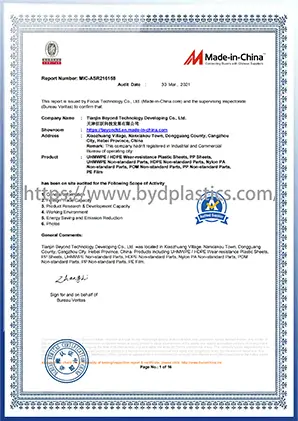
Our products are verified by third-party testing services. Tianjin Beyond has acquired international standard qualifications, including ISO 9001:2015, SGS, and Bureau Veritas (BV). This certification confirms that our sheets, rods, and CNC-machined components meet FDA food-contact standards, REACH environmental requirements, and RoHS directive compliance.
Explore our specialized material divisions, including UHMWPE, HDPE, Polypropylene, POM, and Nylon.
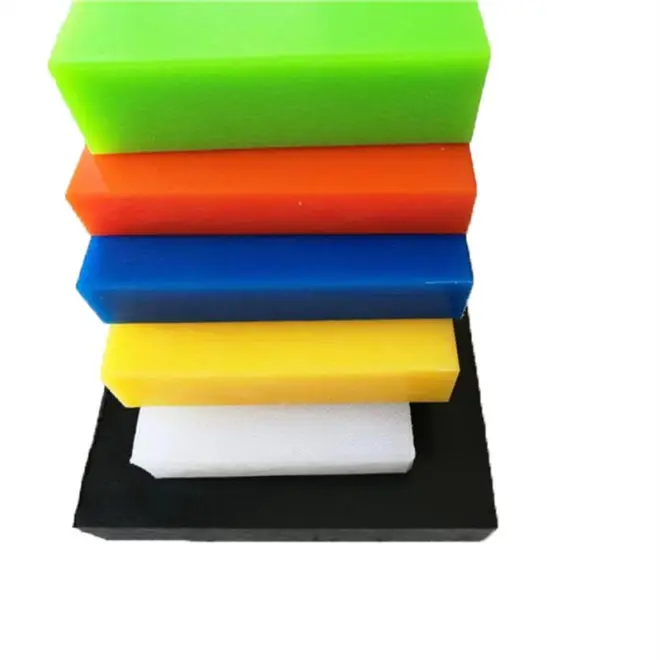
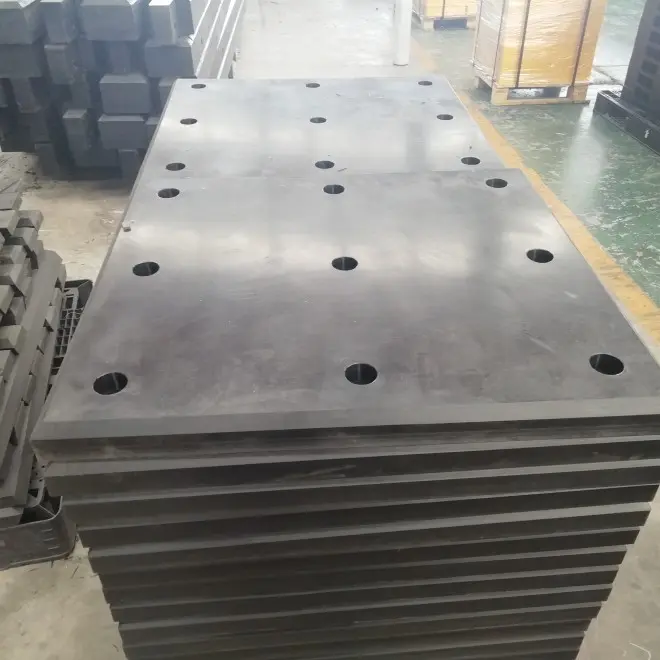
Excellent wear and impact resistance, making it suitable for high-wear applications, conveyor systems, and industrial hopper linings.
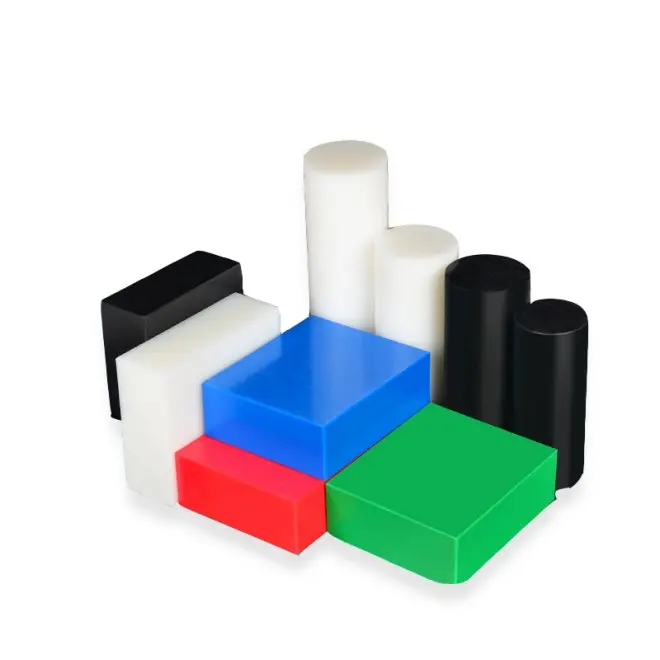
Wear-resistant, impact-resistant, self-lubricating, and non-water-absorbent engineering plastic plate designed for demanding settings.
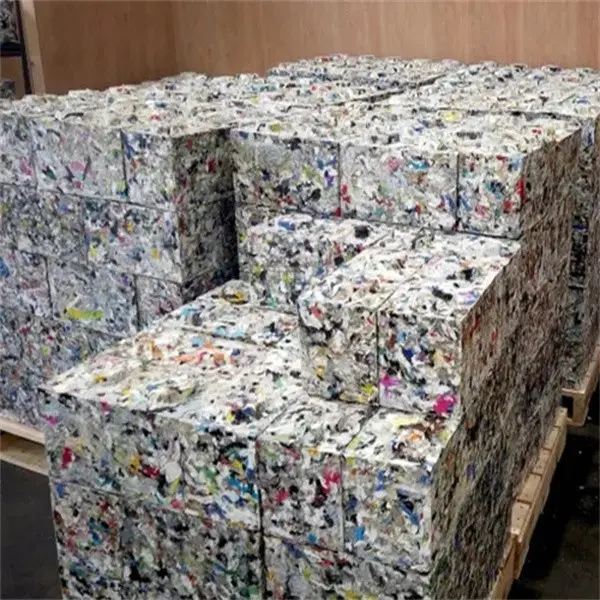
Combines durability with recycled materials. Reduces carbon footprint while maintaining high wear resistance for industrial applications.
A highly versatile polymer engineered to replace steel or aluminum components, offering weight savings and chemical resistance.
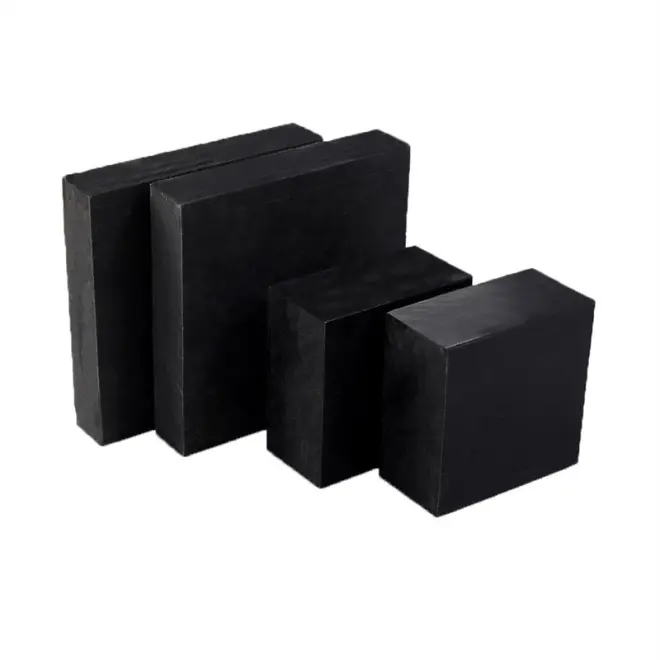
High abrasion and impact resistance. Ideal for chute linings, hopper liners, guide rails, impact wear pads, and machine rails.

Tianjin Beyond operates with the standard of "quality + speed + service = value". Our manufacturing process includes material inspection, production monitoring, and COA certification.
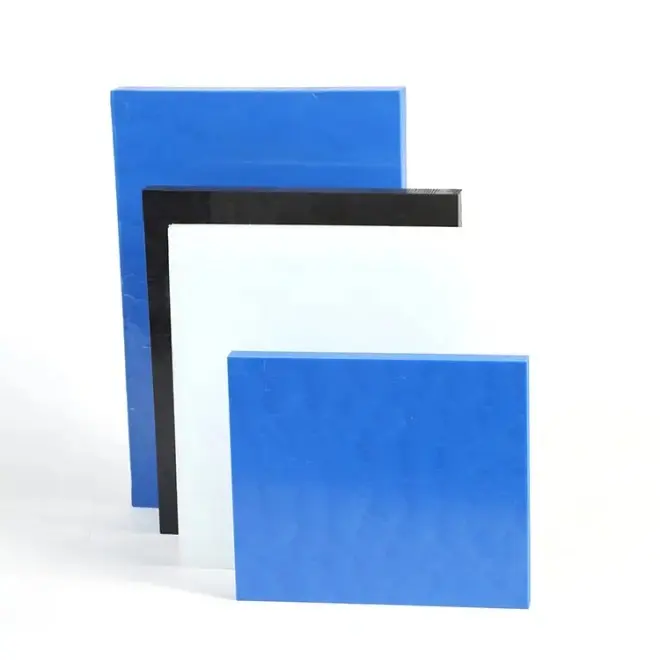
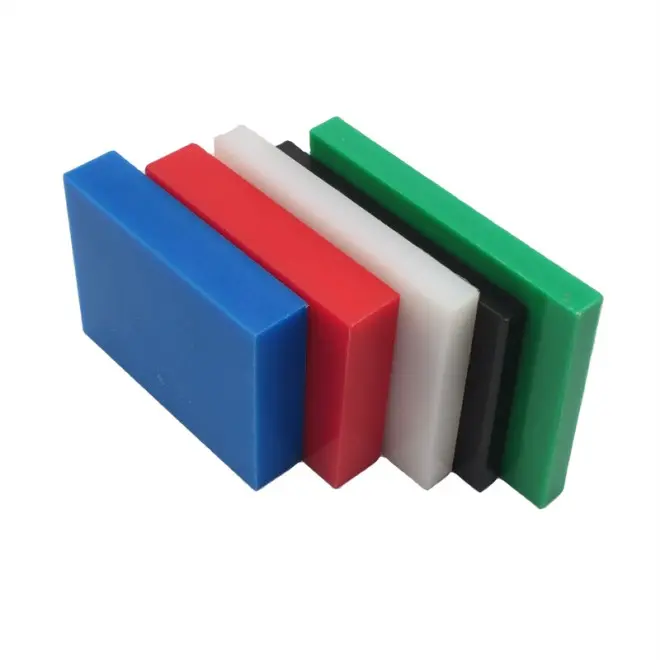

Technical answers to critical procurement and processing questions regarding weldable thermoplastic sheets.
A: No. While standard HDPE (PE300) has high melt flow characteristics that make it ideal for extrusion and hot gas welding, UHMWPE (PE1000) has an extremely high molecular weight, resulting in almost zero melt flow when heated. UHMWPE must be joined mechanically or by custom compression fusion methods. Attempting standard extrusion welding on UHMWPE will cause thermal degradation instead of a structural weld.
A: The optimal polymer melt temperature ranges from 200°C to 230°C. For extrusion welding guns, the pre-heating air temperature should be set between 260°C and 300°C depending on ambient conditions and sheet thickness, ensuring the material surface reaches its melting state before the weld bead is applied.
A: Scraping the weld zone is a critical step. HDPE oxidizes in contact with air, creating a thin outer layer that prevents polymer chain fusion. This oxidized layer must be scraped away immediately before welding. The area must also be kept clean of grease, moisture, and dust.
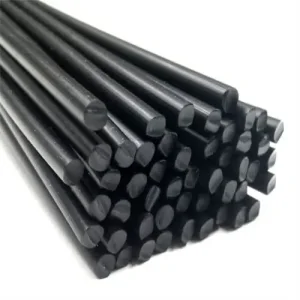
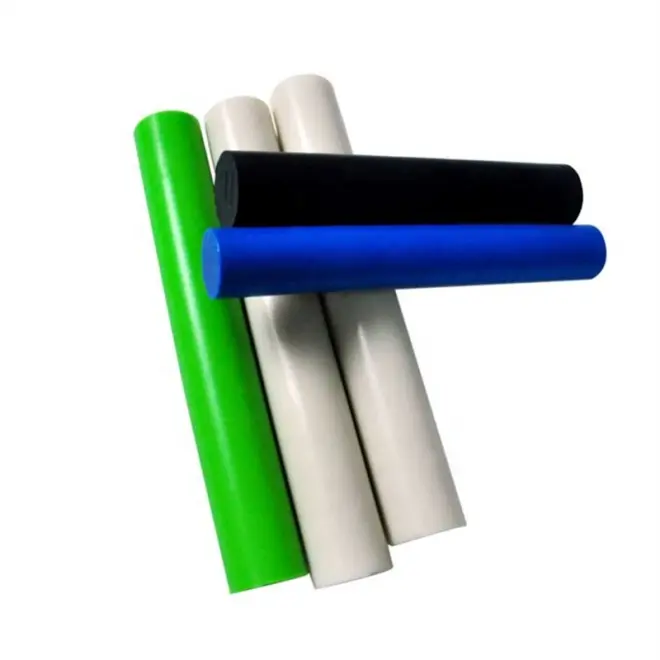
A: Yes. To achieve high weld strength, the welding rod must match the molecular density and melt index of the sheet. We extrude and supply matching HDPE welding rods (round, triangular, and oval shapes) in matching colors and raw materials to ensure strong joints in all fabrications.
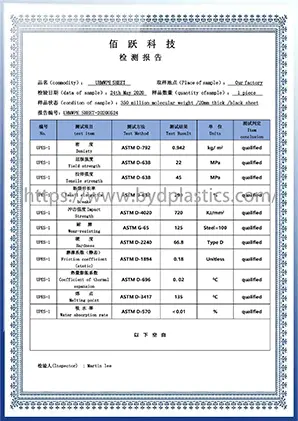
A: Every shipment from Tianjin Beyond is accompanied by a Certificate of Analysis (COA) detailing density, tensile yield strength, impact toughness, and melt flow index. For food-grade applications, we supply FDA compliance confirmation documents, along with ISO 9001, SGS, and Bureau Veritas audit certificates.
High-precision manufactured products ready for worldwide logistics distribution.
 Beyond