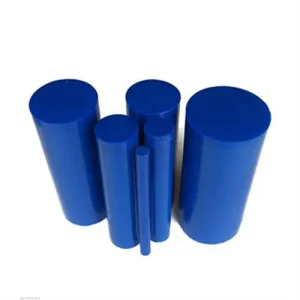
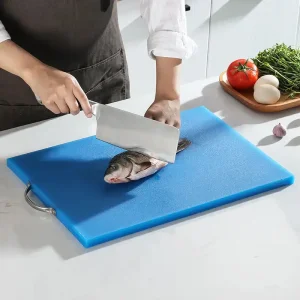
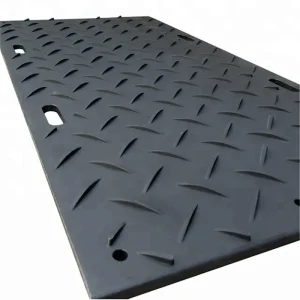
In modern drive technology, the demand for efficiency, noise mitigation, corrosion resistance, and weight reduction has propelled high-performance engineering plastics to the forefront of mechanical engineering. Traditional metal-on-metal worm drive assemblies—while historically reliable under specific high-load conditions—frequently struggle with rapid wear, excessive friction heat, and high maintenance demands. As a leading OEM Worm and Worm Gear Manufacturer and Factory, Tianjin Beyond Technology Development Co., Ltd. addresses these challenges by merging advanced polymer chemistry with precision CNC machining.
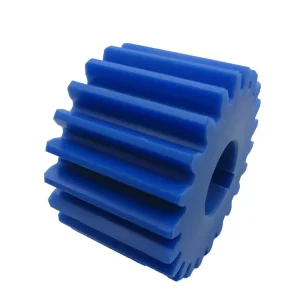
Worm gears operate under sliding contact rather than rolling contact. This tribological characteristic creates high friction, generating significant heat in metal configurations. By substituting bronze or steel worm wheels with self-lubricating polymers like MC Nylon (PA6), POM (Polyacetal/Delrin), and UHMWPE (PE1000), engineers can lower the system's coefficient of friction, reduce thermal accumulation, and extend maintenance intervals.
Inherently slick polymers minimize dry sliding losses, preventing heat spikes and premature tooth degradation.
Elastic deformation properties of engineering plastics absorb operational vibrations, dropping noise levels by up to 15dB.
Unmatched performance in harsh washdown zones, chemical processing plants, and marine settings without rusting.
Not all engineering plastics behave uniformly under continuous load. Selecting the correct polymer requires analyzing mechanical stressors, thermal environment, sliding speed, and chemical exposure. Below is an engineering comparison of the primary polymers engineered at our factory:
| Material | Tensile Strength (MPa) | Coeff. of Friction (Dry) | Max Temp (°C) | Primary Advantages for Worm Drives |
|---|---|---|---|---|
| MC Nylon (PA6 / Cast) | 70 - 90 | 0.35 - 0.40 | 110 | Exceptional fatigue life, high mechanical strength, excellent impact cushioning. |
| POM (Delrin / Polyacetal) | 60 - 70 | 0.25 - 0.30 | 90 | Low moisture absorption, high dimensional stability, precise backlash holding. |
| UHMWPE (PE1000) | 20 - 30 | 0.12 - 0.20 | 80 | Outstanding wear resistance, self-lubricating, chemical inertness, high toughness. |
| PTFE (Teflon / Modified) | 15 - 25 | 0.05 - 0.10 | 260 | Broadest thermal operational index, lowest frictional coefficient, chemical-proof. |
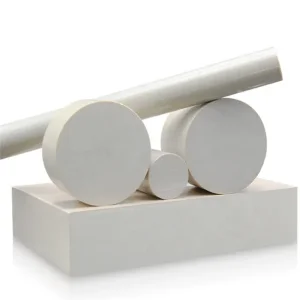
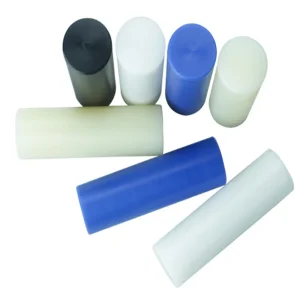
For heavy-load OEM applications, MC Nylon is frequently selected due to its superior mechanical threshold. In environments demanding precision tolerance controls, such as packaging or medical instrumentation, POM is chosen to prevent water-induced swelling. UHMWPE serves as the industry benchmark for low-velocity slide paths, where extreme abrasion resistance is mandatory.
At Tianjin Beyond Technology Development Co., Ltd., we combine premium raw materials from top global chemical producers (including TICONA, LG, and SINOPEC) with advanced processing systems. Our 50,000 square meter production facility is equipped to handle raw polymer compression molding, custom rod and sheet extrusion, and complex multi-axis CNC machining under one roof.
To achieve optimal transmission ratios and prevent localized stresses, our worm gear teeth profile designs utilize precise profile correction software. Our gantry milling machines, heavy-duty CNC lathes, and specialized engraving units maintain dimensions within tight ISO tolerance bands, ensuring smooth gear meshing.
Premium inputs lead to high-performance products. Collaborating with specialized research facilities, our engineering team refines basic resins. Additives like carbon fibers, glass spheres, and custom dry lubricants (such as molybdenum disulfide) are compounding options we utilize to boost structural thresholds.
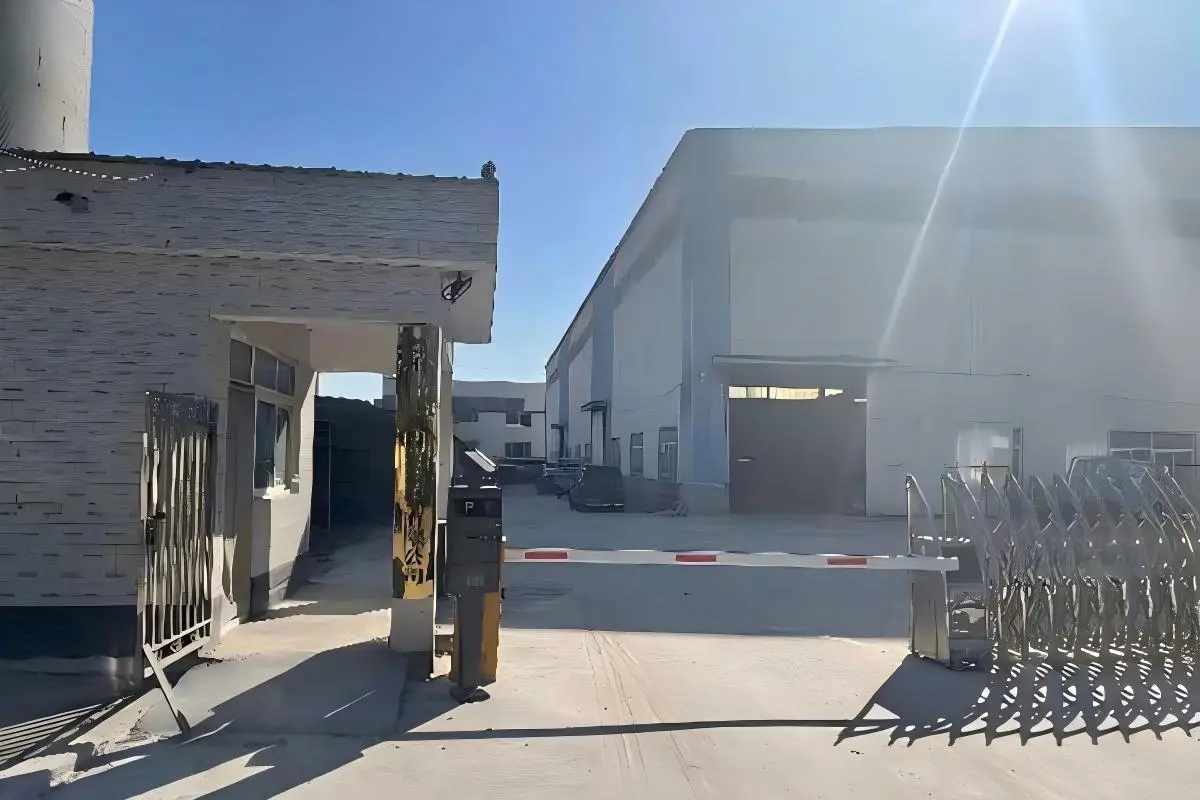
Figure 1: Tianjin Beyond Integrated High-Precision Processing Facility
Worm gears are critical speed-reduction elements across multiple global sectors. Our customized polymer gears are engineered to address specific application challenges:
In food and beverage bottling plants, contamination from oil lubricants is a critical failure point. Our food-grade POM and UHMWPE worm gears operate without external grease. This ensures compliance with sanitary regulations while offering resistance to frequent chemical washdowns.
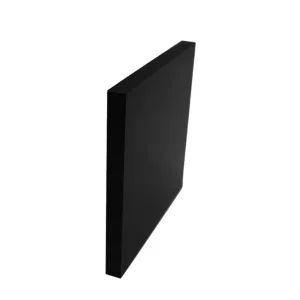
For dock fender protection systems and winch installations exposed to saltwater, metal gears degrade rapidly. Our impact-modified UHMWPE sheets, combined with MC Nylon gear teeth, provide the necessary durability and salt spray resistance.
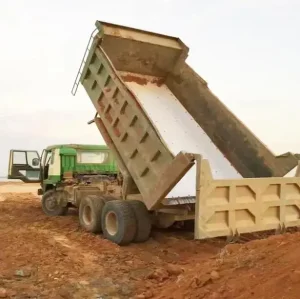
Our crane outrigger pads and customized high-wear MC Nylon gearing solutions support high loading requirements on construction sites. They absorb heavy impulse forces without shattering, protecting primary metal casings from damage.
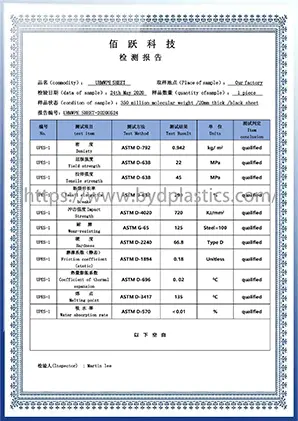
Tianjin Beyond Technology Development Co., Ltd. operates under strict quality management systems. Every manufacturing run—from initial raw material testing to final product inspection—is logged, checked, and tracked.
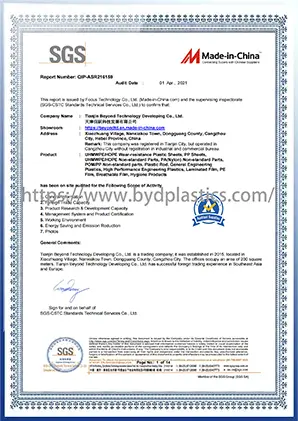
Our facilities carry ISO 9001, SGS, and BV certifications. We employ experienced material scientists, design engineers, and Quality Assurance staff to verify that all parts meet required blueprints.
We provide full inspection documentation, including Certificates of Analysis (COA) for raw materials, coordinate measurement machine (CMM) dimensional reports, and mechanical load test data. This level of verification has helped us build long-term supply partnerships with industrial buyers in North America, Western Europe, and Southeast Asia.
Designing worm drive components with engineering plastics requires accounting for thermal expansion, heat dissipation, and deformation behaviors that differ from metal. Our engineers suggest considering the following key parameters during design:
Polymers expand under high temperatures and moisture absorption. We suggest designing slightly larger gear backlash tolerances (0.04 to 0.08 times the module) to prevent binding during operation.
A 20° pressure angle is typical for plastic gearing. It provides a good balance between tooth strength and torque transmission while limiting localized shear stress at the root.
For continuous operations, combining a steel or bronze worm screw with a cast MC Nylon worm wheel helps transfer heat out of the sliding contact zone.
Driven by sustainability goals and the demand for high-load, maintenance-free equipment, polymer gearing continues to advance. Our current research initiatives target three key areas:
We are qualifying structural components utilizing recycled materials, such as our RG1000 Recycled UHMWPE, to help clients reduce carbon footprint without sacrificing mechanical performance.
By compounding base polymers with silicon, graphite, and PTFE micro-powders, we aim to produce gears that achieve dry sliding friction coefficients below 0.10.
Integrating long glass fiber (LGF) and carbon fiber (CF) into Nylon and POM matrix structures helps us target the load capacity limits of traditional brass worm systems.
 Beyond