Premium components engineered to maximize system performance, sliding wear resistance, and operational life.
In modern industrial mechanical transmissions, the worm gear shaft is a core component that provides unique high-ratio speed reduction and massive torque output within incredibly compact spaces. Its primary mechanism is based on sliding contact rather than rolling contact, making it highly dependent on material mating, precise geometric machining, and thermal management.
Global procurement teams in heavy machinery, robotics, aerospace, automotive, and marine handling industries face critical challenges. Sourcing worm gear assemblies requires addressing mechanical efficiency loss, high friction coefficients, thermal wear, and the demand for noise attenuation. Finding an OEM manufacturer that bridges high-precision metal machining with state-of-the-art engineering plastics is essential for maximizing efficiency in these systems.
By coupling metal worm shafts (such as case-hardened alloy steel) with high-performance polymer worm wheels (such as PA6 Nylon, POM Delrin, or PEEK), modern industrial systems achieve low noise, reduced weight, self-lubrication, and extended wear lifetimes.
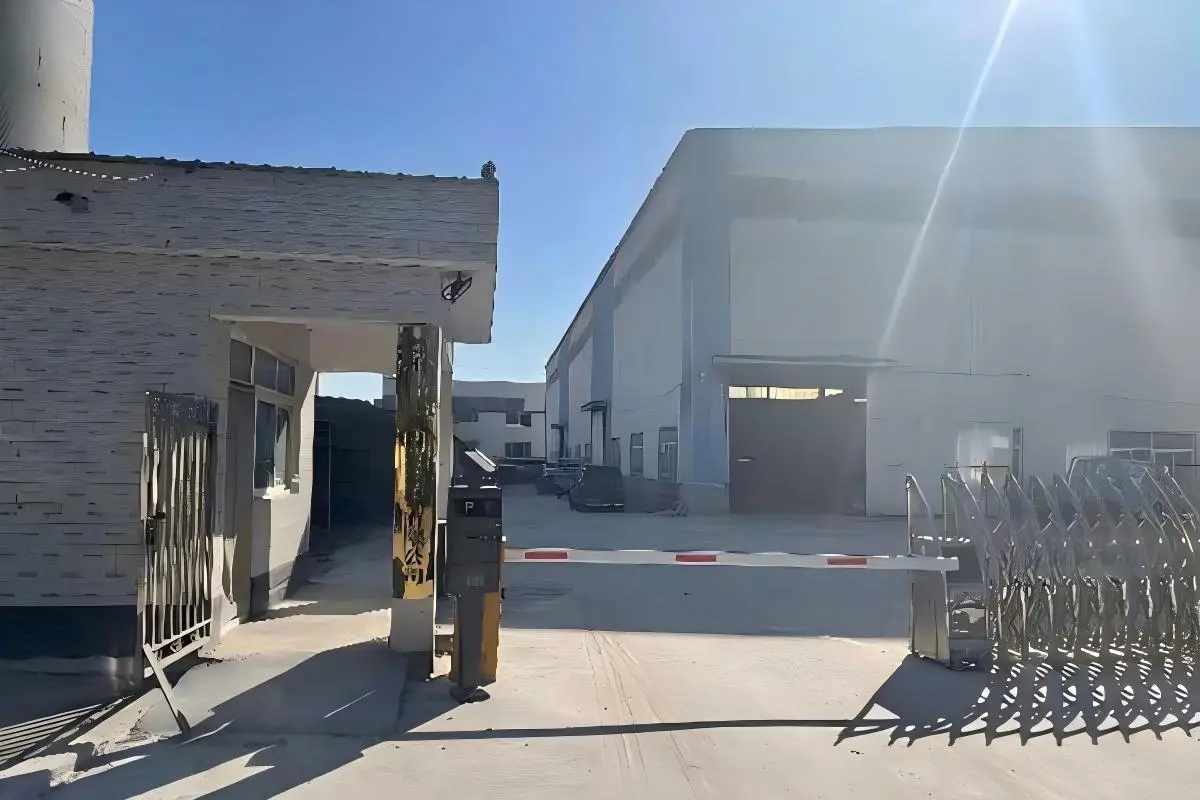
Integrating state-of-the-art metal CNC machining and polymer technology to deliver bespoke worm gear drive systems.
Tianjin Beyond Technology Development Co., Ltd. operates a massive 50,000 square meter manufacturing base integrating compression molding, extrusion workshops, and a state-of-the-art precision CNC machining center. Outfitted with international gantry CNC lathes, gantry CNC milling machines, and large-scale CNC engraving systems, we produce tight-tolerance components that satisfy strict industrial designs.
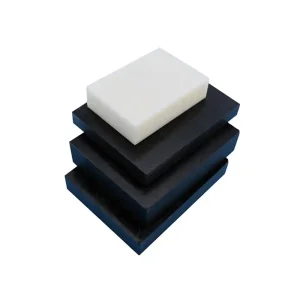
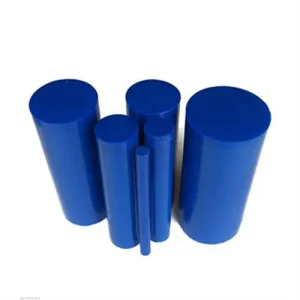
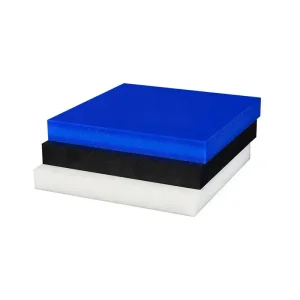
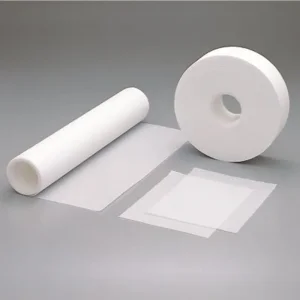
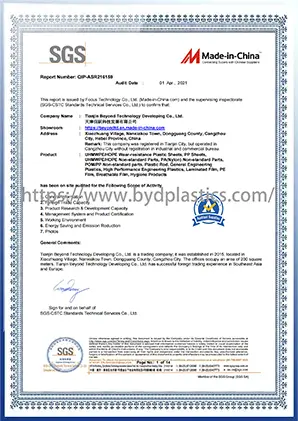
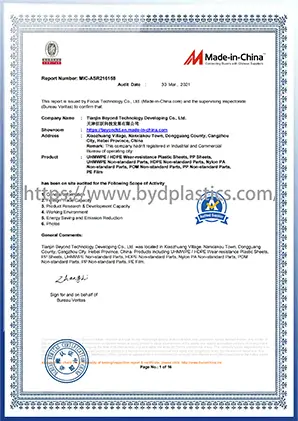
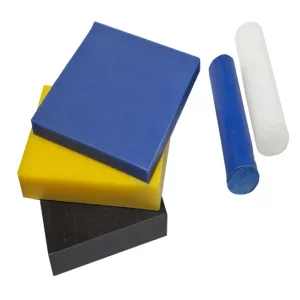
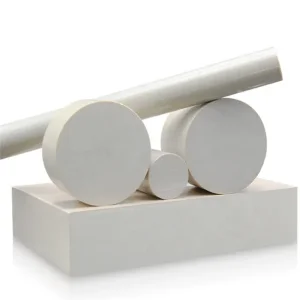
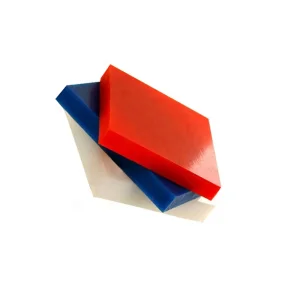
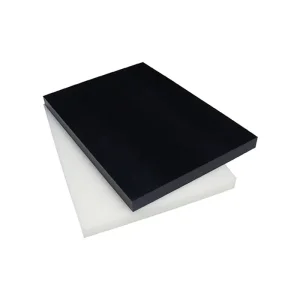
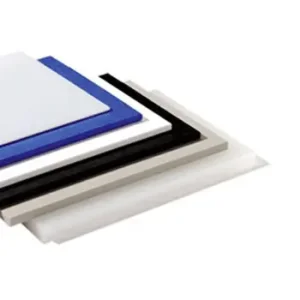
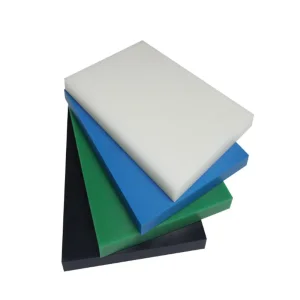
High-grade transmission components rely on premium raw materials. As a certified purchasing partner of global chemical giants including TICONA, LG, and Sinopec, Beyond guarantees structural purity in all semi-finished sheets, rods, and custom CNC machined components. This ensures reliable mechanical properties, high chemical resistance, and stable wear rates under cyclic loads.
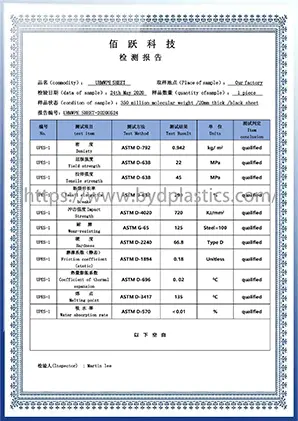
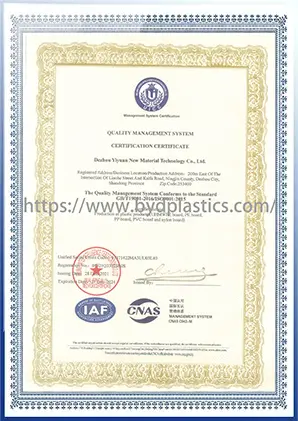
From raw materials entering the facility to completed worm gear shafts, we execute rigorous quality inspection and monitoring in accordance with the ISO9001 quality system. Our comprehensive process includes raw material analysis, in-production random testing, Coordinate Measuring Machine (CMM) dimensional verification, and Certificate of Analysis (COA) generation for final products.
Comparing physical properties and sliding efficiency to determine the ideal material pairing for your application.
| Material Class | Common Designations | Tensile Strength (MPa) | Dynamic Friction Coefficient | Key Operational Advantages | Typical Application Fields |
|---|---|---|---|---|---|
| Alloy Gear Steel | 18CrNi8, 20CrMnTi, AISI 8620 | 850 - 1100 | 0.08 - 0.12 (lubricated) | Extreme load carrying, high hardness post-carburization. | Heavy industrial gearboxes, hoisting equipment, automotive steering. |
| Phosphor Bronze | CuSn12, C90700 | 280 - 350 | 0.06 - 0.10 (with steel) | Excellent conformability, minimizes wear on the mating steel worm. | High-duty speed reducers, elevator gear systems, indexing tables. |
| POM (Polyacetal/Delrin) | POM-C, POM-H | 65 - 75 | 0.15 - 0.25 (dry) | Self-lubricating, excellent dimensional stability, low moisture absorption. | Automotive actuators, domestic appliances, conveyor assemblies. |
| Cast MC Nylon | PA6, PA66 | 75 - 90 | 0.20 - 0.30 (dry) | High impact absorption, dampens noise, high wear limits, elastic recovery. | Chemical processing gear drives, paper milling machinery, crane gears. |
| High-Performance PEEK | Polyetheretherketone | 95 - 110 | 0.10 - 0.18 (filled) | Continuous operation up to 250°C, chemical inertness, high fatigue limit. | Aerospace actuators, downhole drilling tools, medical equipment. |
Note: Choosing the correct material pairing is critical for worm drive durability. A metal worm (hardened steel) paired with a softer worm wheel (bronze or engineering plastic) minimizes total system wear by localizing material erosion on the easily replaceable wheel, rather than damaging the complex worm gear shaft.
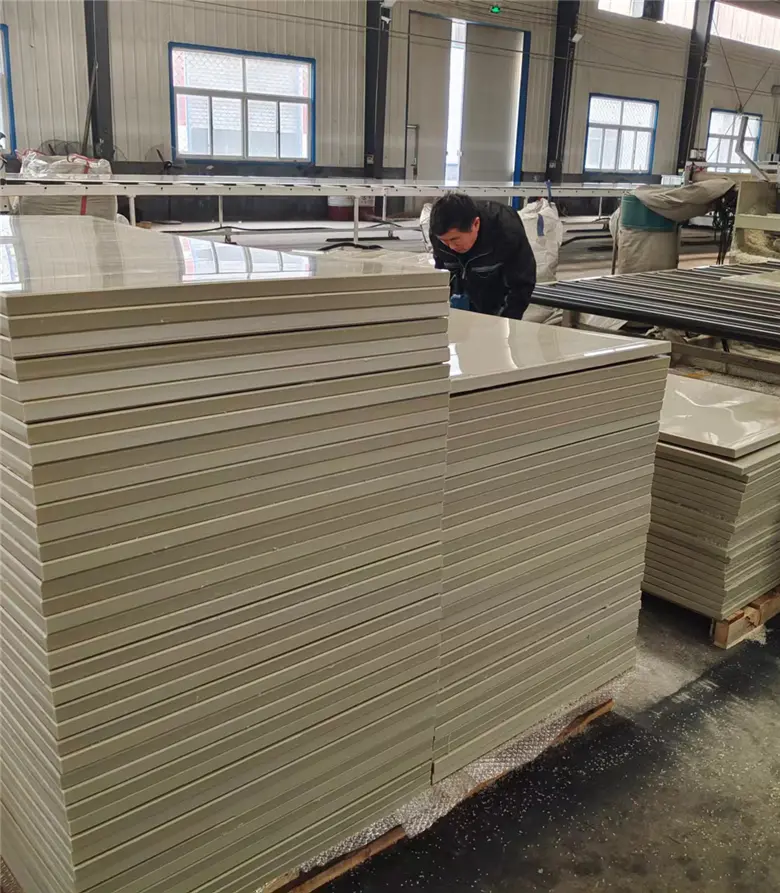
China's industrial manufacturing ecosystem provides unmatched structural advantages for global OEMs sourcing worm gear shafts and transmission components. Tianjin Beyond leverages this regional concentration to maximize value for our customers:
Tianjin Beyond Technology operates alongside its strategic division, Ya’an Times Biotech Co., Ltd., based in Sichuan. Located in a region where altitude varies from 525 meters to 7,555 meters, this division processes natural raw materials under strict ecological and scientific controls.
This biological extraction division produces premium oils including camellia oil, eucalyptus oil, turmeric oil, and pepper oil. Managing diverse operations across both biotech and engineering plastics demonstrates our group's broad production capability, commitment to strict quality control, and chemical processing expertise.
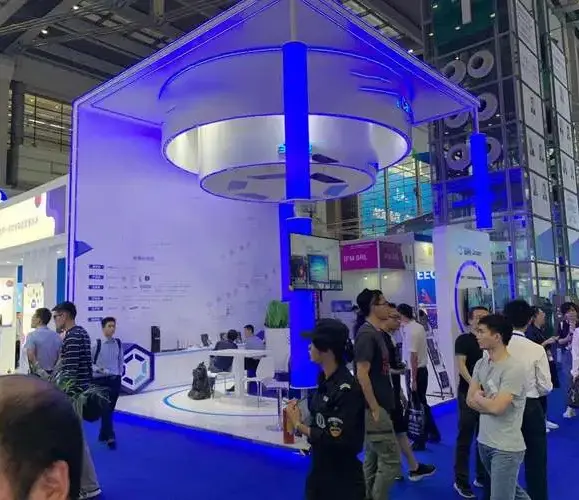
Worm gear systems are critical for high-reduction, self-locking, and compact drives across many industries.
Hoisting devices, winches, and crane outrigger assemblies rely on the self-locking properties of worm gears to prevent backdriving under load. High torque transmission demands case-hardened steel worm shafts paired with high-molecular-weight sliding wear sheets to distribute loads safely.
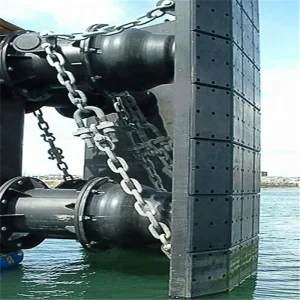
Dock fender assemblies require tough materials to absorb berthing impact. In marine engineering, worm drive mechanisms control tide adjustment systems. These drives rely on durable components like UHMWPE marine fender facing pads to prevent corrosion and sliding wear.
Electric power steering (EPS) and seat adjustment mechanisms use POM or nylon worm wheels paired with alloy steel shafts. This combination provides a low friction coefficient, reduces gear noise, and absorbs road vibration.
Conveyor drive systems operate under continuous dust and grit exposure. Using wear-resistant UHMWPE guides, custom plastic worm gear shafts, and dirt-tolerant drive components prevents abrasive failure and eliminates the need for external grease.
FDA-compliant POM (Delrin), polypropylene (PP), and stainless steel components run without lubrication in food lines. Using self-lubricating worm gear shafts eliminates the risk of product contamination from grease or oil leaks.
Solar tracking drives run at low speeds but handle high static loads and wind shear. Precise worm gears provide the necessary reduction ratio and self-locking stability to hold solar arrays in position for years without slipping.
Our commitment to international engineering metrics ensures quality, safety, and reliability across all production runs.
Sourcing transmission parts globally requires strict compliance with international manufacturing and material standards. At Tianjin Beyond, our engineering processes adhere to key quality frameworks:
Adapting to modern demands for weight reduction, eco-friendly manufacturing, and smart production systems.
Using metal shafts with custom polymer gears reduces weight, running noise, and manufacturing costs. Modern CNC machining techniques make it easier to mold or machine complex plastic gears directly onto steel splines.
Global environmental regulations are driving demand for recycled and bio-based plastics. Sourcing engineering components made from materials like recycled UHMWPE helps manufacturers reduce their environmental footprint without sacrificing wear resistance.
Integrating AI-driven tooling paths, automated measurement systems, and simulation software ensures tight tolerances and minimizes scrap. This technology enables efficient, large-scale production runs with consistent quality control.
Answers to common technical, material, and logistical questions from procurement managers and engineers.
Explore our full line of raw materials and custom CNC-machined components designed for demanding wear environments.
 Beyond