Engineered structural polymer components manufactured for wear resistance, load capacity, and rigorous field durability.
Understanding the physics, material constraints, and structural dynamics of Heavy Duty Outrigger Pads in critical operations.
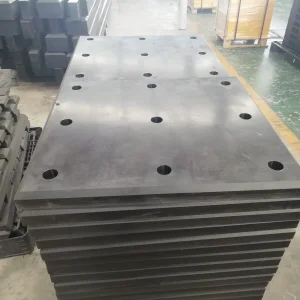
Outrigger pads function on a fundamental principle of physics: distributing concentrated point loads from a crane or outrigger leg over a much wider surface area. Under extreme hoisting scenarios, ground bearing capacity (GBC) determines safety limits. Applying a multi-ton load directly onto soil, gravel, or even asphalt can result in catastrophic ground failure. By dispersing this pressure through engineered UHMWPE or high-density polymers, local ground loading is reduced, maintaining stabilization and ensuring vertical stability.
For decades, operators relied on hardwood blocks, steel plates, or plywood offcuts. Plywood splits, absorbs water, and rots, resulting in hidden structural decay. Solid wood possesses non-uniform grains, introducing unpredictable directional shear strength. Steel sheets, while stiff, are heavy, difficult to transport, prone to oxidation, and offer no flexural rebound, remaining deformed once buckled. Modern engineering plastic outrigger pads resolve these concerns by offering uniform material behavior, zero moisture absorption, and predictable performance metrics under cyclic loading.
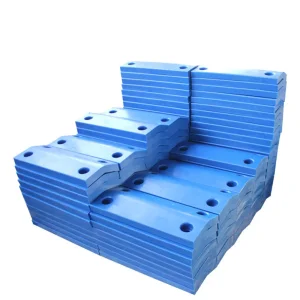
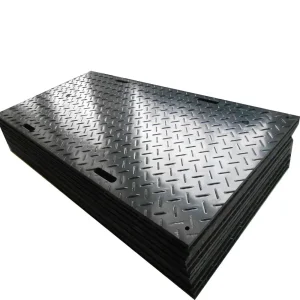
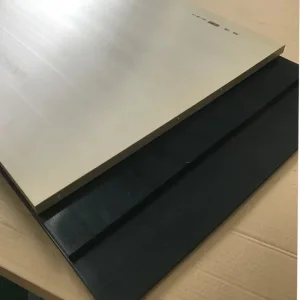
Our heavy-duty outrigger pads are manufactured with engineered polymers that possess high elastic memory. Under load, the pad conforms slightly to ground contours to maximize contact area, but once the pressure is released, it returns to its original flat geometry. This mitigates localized stress concentrations and prevents permanent deformation. With built-in ergonomic rope or steel handles, these lightweight outrigger pads minimize operator fatigue, reduce workplace injuries, and decrease transportation fuel costs.
Providing premium materials processing, precision machining, and industrial application engineering since 2015.
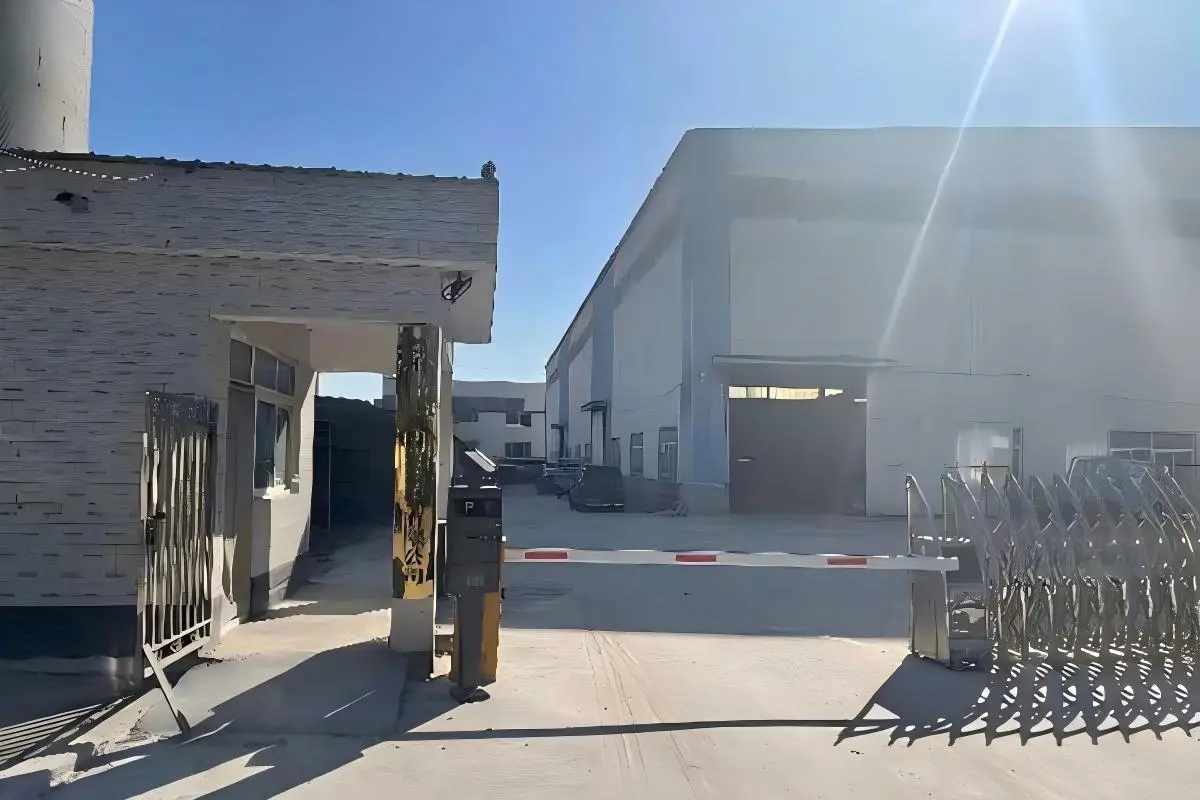
Tianjin Beyond Technology Development Co., Ltd. is a leading comprehensive manufacturing enterprise specializing in engineering plastic materials and precision CNC machining. With over a decade of practical experience in material processing and precision control, we build reliable capabilities in large-scale industrial plastic production.
Our manufacturing base spans approximately 50,000 square meters and integrates advanced compression molding and extrusion lines, gantry CNC lathes, gantry CNC milling machines, and large-scale CNC engraving systems. This configuration allows us to maintain consistent quality, run efficient production schedules, and deliver high-precision customized components matching strict safety and load-bearing requirements.
To ensure high wear-resistance and mechanical strength, we partner with premier global raw material suppliers including TICONA, LG, and Sinopec. Collaborating with domestic plastic institutions and universities, our R&D team continuously refines polymer formulations, delivering top-tier mechanical performance in extreme environments.
Analyzing UHMWPE, HMWPE (PE500), and HDPE (PE300) properties for load-bearing and field applications.
Selecting the correct material grade is critical to ensure proper safety factors and optimal cost performance. The table below outlines how our different engineering plastics compare under industrial conditions:
| Property / Metric | UHMWPE (PE1000) | HMWPE (PE500) | HDPE (PE300) |
|---|---|---|---|
| Molecular Weight (Average) | 4.5 to 9.2 Million g/mol | Approx. 500,000 g/mol | Approx. 300,000 g/mol |
| Impact Strength (ISO 179) | No Break (Extremely High) | Partially break / High toughness | Moderate resistance |
| Compressive Yield Strength | ≥ 21 MPa | ≥ 19 MPa | ≥ 17 MPa |
| Moisture Absorption | < 0.01% (Zero absorption) | < 0.01% | < 0.01% |
| Coefficient of Friction | 0.10 to 0.15 (Self-lubricating) | 0.15 to 0.20 | 0.20 to 0.25 |
| Recommended Application | Heavy cranes, crawler rigs, soft soils | Medium utility trucks, rigging pads | Ground protection, light load mats |
The extremely long polymer chains of UHMWPE give it exceptional impact resistance and wear rates. Under severe point loads, such as a crane stabilizer pad sitting on a sharp rock, the molecular chains distribute the kinetic stress without cracking. Combined with zero moisture absorption, UHMWPE pads remain physically stable across a wide temperature range, from winter conditions in northern territories to hot asphalt surfaces in tropical zones.
Deploying heavy-duty spreader plates across globally diverse geographies, climates, and regulations.
In regions such as Canada, Scandinavia, and Northern China, traditional materials turn brittle. Standard plastics can shatter under impact stress when temperatures drop below freezing. Beyond's UHMWPE outrigger pads retain their impact strength down to -150°C, providing reliable field safety. This high cold-crack resistance is essential for winter wind turbine installations, telecom pole service runs, and oil and gas exploration in arctic terrains.
In Middle Eastern desert projects and Australian mining hubs, solar heat and intensive UV rays accelerate material aging. Our outrigger pads incorporate specialized UV-stabilizer additives to slow polymer photodegradation. Additionally, while steel pads can absorb heat to the point of causing burns to handlers, our polymer material retains thermal stability, remaining safe to handle during midday shifts.
Modern municipalities impose strict pavement preservation regulations. Steel tracks or steel outrigger feet quickly gouge municipal concrete. Our non-marking, resilient UHMWPE blocks allow concrete pumping trucks and mobile cranes to set up on residential roadways and urban sidewalks without cracking pavements. In coastal salt-spray zones, they prevent rust staining, protecting public surfaces while securing heavy lifts.
How Tianjin Beyond integrates robust logistics, raw material reserves, and modern manufacturing technology.
Operating a 50,000 m² facility enables us to integrate the entire production value chain in-house. From initial compression molding of raw polyethylene resins to final CNC machining of custom handles and custom-engraved company logos, we eliminate third-party delays. This vertically integrated control ensures consistent material quality, reduces overhead, and shortens production lead times for bulk orders.
Additionally, keeping high raw material inventory levels protects against global logistics shocks. Working with trusted domestic and international polymer distributors ensures we maintain production schedules even during material shortages. For global distributors, this represents a stable source of supply with predictable pricing.
Developing next-generation smart outrigger pads, sustainability initiatives, and hybrid composites.
We are researching the integration of thin-film pressure sensors directly into polymer outrigger pads. These sensors collect live pressure distribution data and transmit it to the crane cabin. If uneven ground settling occurs or an outrigger outpaces its safe pressure limit, the operator receives an immediate warning, preventing tip-overs and increasing job site safety.
In response to global sustainability initiatives, we are expanding our recycled polymer options. By blending high-quality clean post-industrial UHMWPE scraps into our manufacturing cycles, we offer eco-friendly mixed plastic outrigger plates and road mats. These recycled lines reduce carbon footprints while maintaining high mechanical properties.
For specialized aerospace and military operations, we are engineering hybrid composite plates. By compounding UHMWPE with carbon fiber (similar to our CF30% PEEK formulations) and high-performance glass beads, we increase structural rigidity, allowing for thinner, lighter pads that maintain equal load-bearing capacities.
Technical guidance on outrigger pad calculation, selection, usage, and compliance.
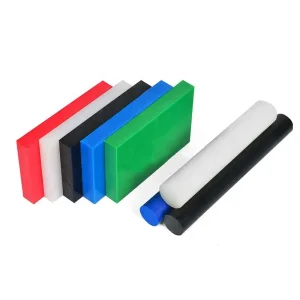
Explore our industrial range of high molecular weight sheets, rods, and CNC-machined structural parts.
 Beyond