Engineered components designed for extreme environments, precision automation, and strict European regulatory compliance.
Switzerland is globally recognized as the epicenter of high-precision manufacturing, micro-engineering, biotechnology, and watchmaking. For decades, the nation's manufacturers have maintained their competitive advantage by setting absolute quality and tolerance standards. However, the modern industrial landscape is shifting. To meet ambitious sustainability targets, reduce carbon footprints, minimize energy consumption, and eliminate oil lubricants in sensitive manufacturing processes, Swiss engineers are increasingly replacing traditional metals (such as brass, stainless steel, and aluminum) with advanced engineering thermoplastics.
Materials such as **PEEK (Polyether ether ketone)**, **UHMWPE (Ultra-High Molecular Weight Polyethylene)**, and **HDPE (High-Density Polyethylene)** are no longer viewed as simple plastic components; they are core architectural materials designed to operate in extreme, high-stress environments. Whether deployed in the cryogenic systems of research facilities in Geneva, the high-altitude mechanical infrastructure of the Swiss Alps, or the chemical-resistant, sterile packaging plants of Basel, high-performance plastics are crucial to ensuring mechanical integrity, chemical inertness, and lifetime longevity.
Modern Swiss mechanical systems emphasize high-speed cyclic actions. Lowering the mass of moving parts through high-performance polymers reduces inertial energy losses by up to 60%. Combined with self-lubrication (eliminating fluid maintenance), systems run longer, cleaner, and comply fully with strict Federal Office for the Environment (FOEN) guidelines.
Swiss geography presents unique challenges. Alpine transport systems, ski lifts, and high-altitude heavy equipment are subject to severe temperature swings ranging from -40°C in winter to extreme UV exposure in summer. Traditional materials suffer from embrittlement and thermal stress cracking. In contrast, engineered polymers maintain structural toughness at cryogenic ranges. Specifically, our UHMWPE sheets offer an impact strength that does not decrease even when exposed to severe sub-zero thermal cycling.
A comparative analytical guide for Swiss mechanical engineers and materials science procurers.
| Material Family | Tensile Strength (MPa) | Continuous Service Temp Max (°C) | Water Absorption (%) | Coefficient of Sliding Friction | Primary Swiss Application Sectors |
|---|---|---|---|---|---|
| PEEK (Virgin/CF30%) | 110 - 220 | 250 - 310 | < 0.1 | 0.25 - 0.35 | Biomedical implants, aerospace instrumentation, semiconductor manufacturing |
| UHMWPE (PE1000) | 22 - 35 | 85 | 0.00 | 0.10 - 0.15 | Chute lining, alpine resort wear strips, cryogenic infrastructure components |
| HDPE (PE300/500) | 25 - 32 | 80 | < 0.01 | 0.20 - 0.25 | Temporary ground protection mats, chemical containers, playground boards |
| POM (Delrin) | 65 - 75 | 100 - 110 | 0.20 | 0.25 - 0.30 | Watch gears, high-precision automation bearings, custom machined bushings |
| PA6 (Nylon 6) | 75 - 85 | 100 | 2.5 - 3.0 | 0.30 - 0.35 | Industrial gears, heavy-load rollers, structural machinery guides |
| PU (Polyurethane) | 20 - 50 | 80 | 0.50 | 0.40 - 0.60 | Vibration dampening, heavy machinery shock pads, seals and gaskets |
Providing structural rigidity, high chemical isolation, and robust protection systems.
The Swiss market places unique mechanical demands on raw material selection due to localized engineering traditions, geological traits, and economic focuses. We have tailored our engineering plastics production processes to match the exact requirements of several key Swiss sectors:
Building tunnels through alpine massifs (like the Gotthard Base Tunnel) or maintaining high-altitude mountain railway tracks requires equipment that can withstand immense structural loads and highly abrasive environments.
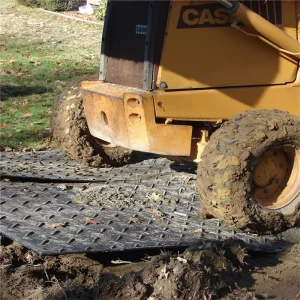
Heavy Equipment Road Mats & Ground Protection: During infrastructure setup, Swiss civil contractors must protect delicate Alpine meadows and subsoils from heavy crane treads. Our heavy equipment road mats, manufactured from high-molecular-weight polyethylene, distribute massive wheel/tread loads while remaining flexible in sub-zero alpine conditions, preventing damage to the landscape and ensuring stable operational platforms.
The Swiss biotech cluster has stringent hygienic and operational requirements. Materials used inside lab bioreactors, packaging lines, and diagnostic devices must resist continuous cleaning cycles, steam sterilization, and chemical corrosion.
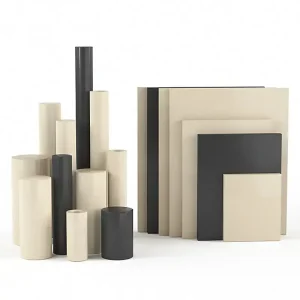
High-Temperature Virgin PEEK & CF30 PEEK: Unfilled PEEK offers excellent purity, very low outgassing, and chemical inertness. When reinforced with carbon fiber (CF30% PEEK), the materials exhibit high dimensional stability and low thermal expansion, making them ideal for laboratory centrifuges, analytical equipment housings, and watchmaking precision assemblies.
The accuracy of Swiss chronometers and robotic pick-and-place systems relies on reducing frictional resistance. Even micro-forces can cause positional inaccuracies.
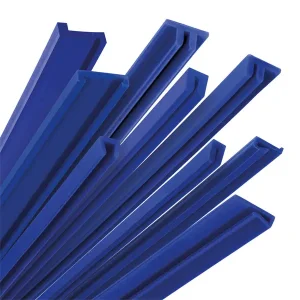
Self-Lubricating Wear Strips & POM: By using extruded wear strips, gear teeth, and POM sheets, Swiss designers eliminate the need for liquid lubricants, avoiding contamination of microscopic gear assemblies. Our tight tolerances (down to ±0.02 mm) ensure consistent precision.
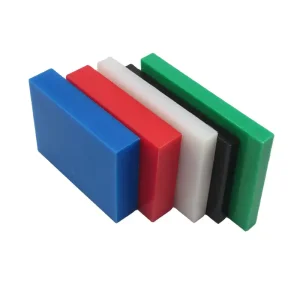
Premium grades featuring extreme abrasion resistance and zero water absorption.
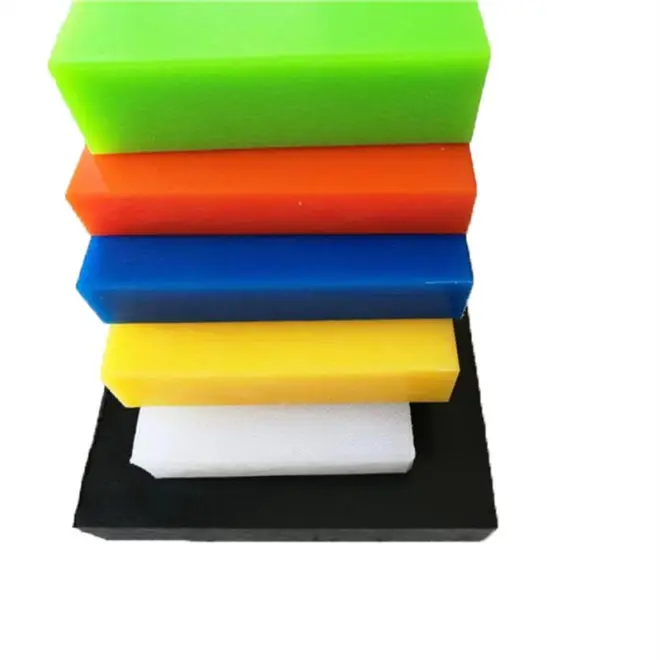
Designed for extreme wear applications, conveyor guides, and high-impact chuting liners.
Inquire Now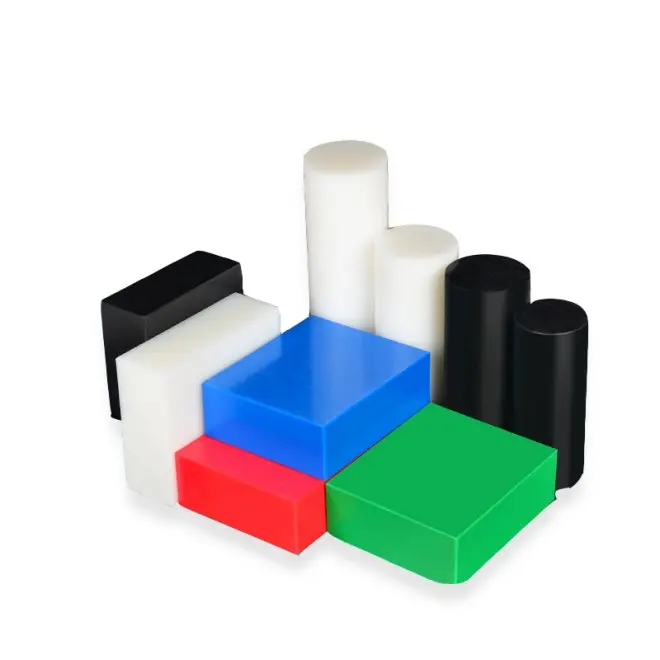
Ultra-high wear resistance and impact absorption, ideal for industrial machinery components.
Inquire Now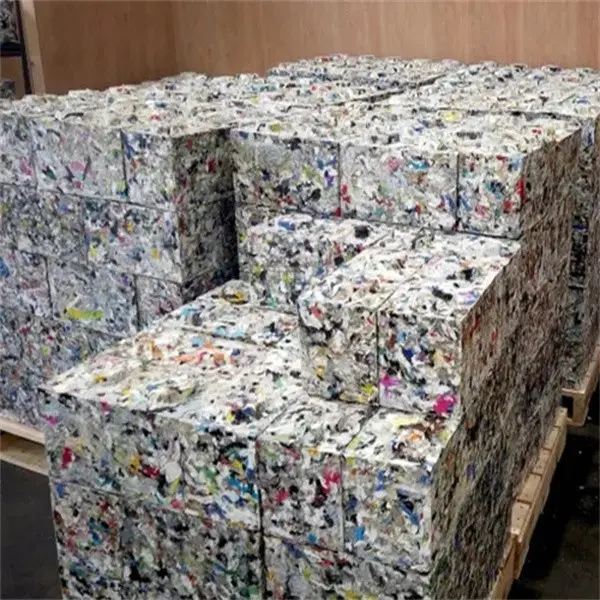
Eco-friendly circular economy polymer, combining sustainable sourcing with wear resistance.
Inquire Now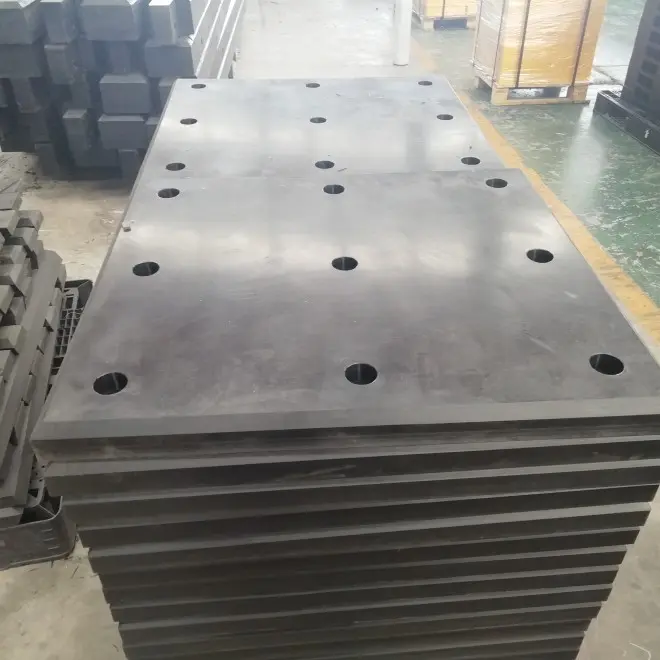
High performance polymer designed to replace steel and aluminum, reducing weight and cost.
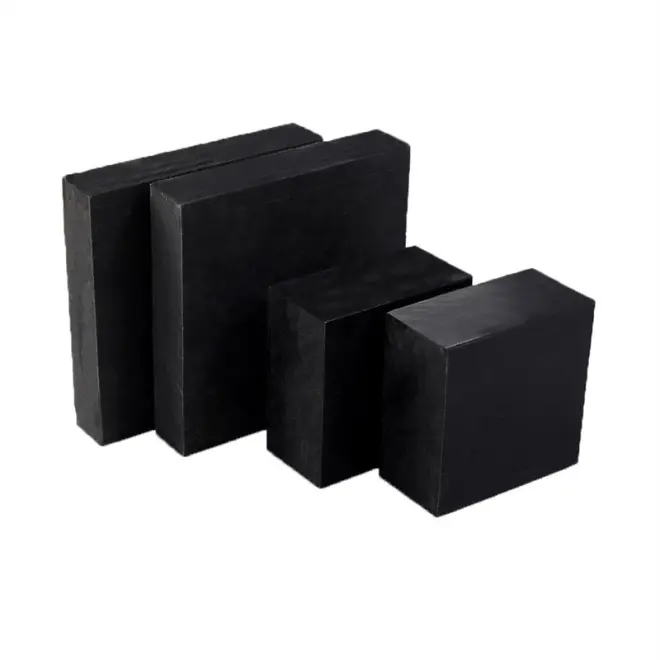
High abrasion and impact resistance, suited for chutes, hoppers, impact blocks, and wear pads.
Tianjin Beyond Technology Development Co., Ltd. (founded in 2015) operates a modern 50,000 square meter manufacturing base integrating engineering plastic compression molding, polymer extrusion, and precision multi-axis CNC machining. With more than a decade of experience in industrial plastic development and metal precision processing, we have designed a robust cross-border supply chain workflow that delivers high-performance materials to Swiss distributors and OEMs with short lead times and consistent quality control.
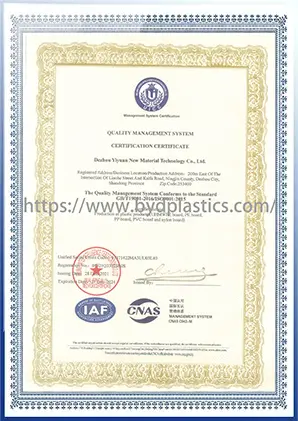
To maintain strict E-E-A-T credentials and meet the expectations of Swiss procurement managers, BEYOND uses top-tier raw materials from industry leaders, including Ticona, LG, and Sinopec. Every batch is certified with a Certificate of Analysis (COA) and complies with Swiss and European directives (RoHS, REACH, and FDA certifications where applicable).
Our manufacturing facility includes heavy-duty sheet compression presses, polymer extrusion lines, large-scale gantry CNC milling machines, and CNC engraving systems. This allows us to handle both bulk material supplies and custom non-standard CNC parts. By integrating raw material production and final component machining in a single facility, we eliminate the logistics and markup costs of third-party machining shops, passing significant cost savings to our Swiss clients.
Factory Cover (m²)
Years Field Experience
Precision Technical Staff
Dedicated R&D Engineers
For Swiss industrial buyers, reliability is crucial. Quality fluctuations can cause unplanned downtime on an automated assembly line, costing thousands of Swiss Francs per hour. Our quality assurance protocol covers the entire manufacturing cycle, from raw material procurement to final dimensional inspection.
Before extrusion or compression molding begins, polymer powders undergo melt flow rate (MFR) testing, density checks, and contamination scans. Raw materials from TICONA or LG must match our internal standards to prevent micro-voids in the extruded sheets.
Our CNC workshops operate under temperature-controlled environments to minimize the thermal expansion of engineering plastics during machining. This allows us to maintain tight tolerances on custom parts, meeting the strict requirements of Swiss watchmaking and medical equipment manufacturers.
We offer multiple freight solutions (air, rail, and sea) to major Swiss economic hubs like Zurich, Geneva, Basel, and Lugano. Our dedicated export documentation team handles the EUR.1 movement certificate processing, customs clearance documentation, and Swiss VAT registration requirements, ensuring smooth delivery to your factory.
As an engineering partner, BEYOND has established relationships with regular buyers across more than 40 countries. Our research collaborations with polymer institutes ensure we stay ahead of emerging trends, allowing us to supply Swiss industries with advanced, high-performance materials.
Addressing common technical, quality, and logistics questions from Swiss procurement offices.
Yes. Our unfilled virgin PEEK plates and food-grade UHMWPE/HDPE materials comply with European Union Regulation (EU) No 10/2011 and FDA guidelines for plastic materials intended to come into contact with food. We provide complete material traceability and regulatory certificates for food processing and medical machinery applications.
For precision-machined POM (Delrin), Nylon, and PEEK components, we can achieve tolerances down to ±0.02 mm to ±0.05 mm, depending on the geometry and size of the part. We optimize cutting speeds, feed rates, and cooling parameters to prevent thermal deformation during the machining process.
We offer flexible shipping terms including FOB, CIF, and DDP. For Swiss clients, we provide all required export documentation, including preferential certificates of origin, detailed commercial invoices, packing lists, and HS code classifications. This ensures quick clearance at Swiss customs and prevents unexpected delivery delays.
For standard sheets and rods, we maintain a large inventory and can accommodate small batch requirements. For custom-extruded profiles and wear strips requiring dedicated extrusion dies, the MOQ depends on the cross-sectional geometry of the profile, typically starting from 100 meters to 500 meters per production run.
Consistent tolerances, high wear resistance, and long-term durability.
Quality begins with strict raw material selection. BEYOND has established an independent testing laboratory, staffed by materials engineers, technical experts, and quality control inspectors. Our partnerships with key research institutions allow us to keep our material properties aligned with current engineering requirements.
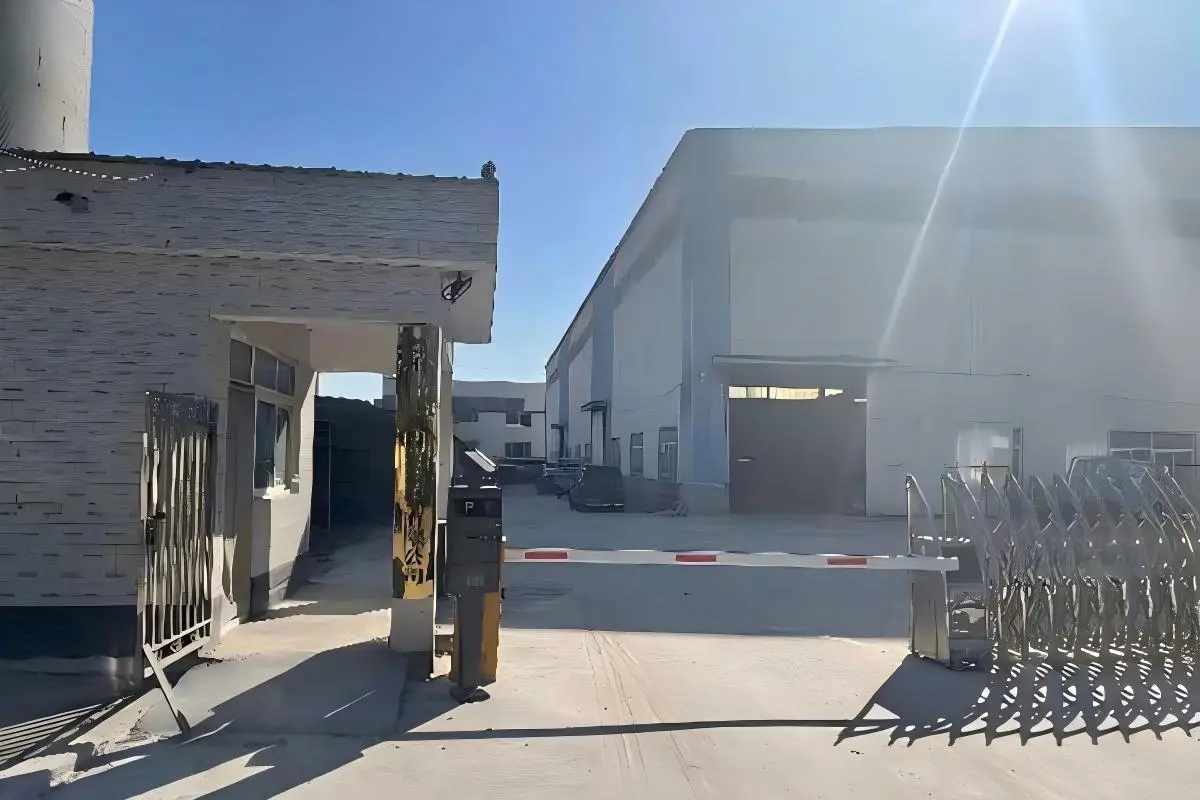
Our 50,000 m² Integrated Polymer Extrusion & CNC Machining Base
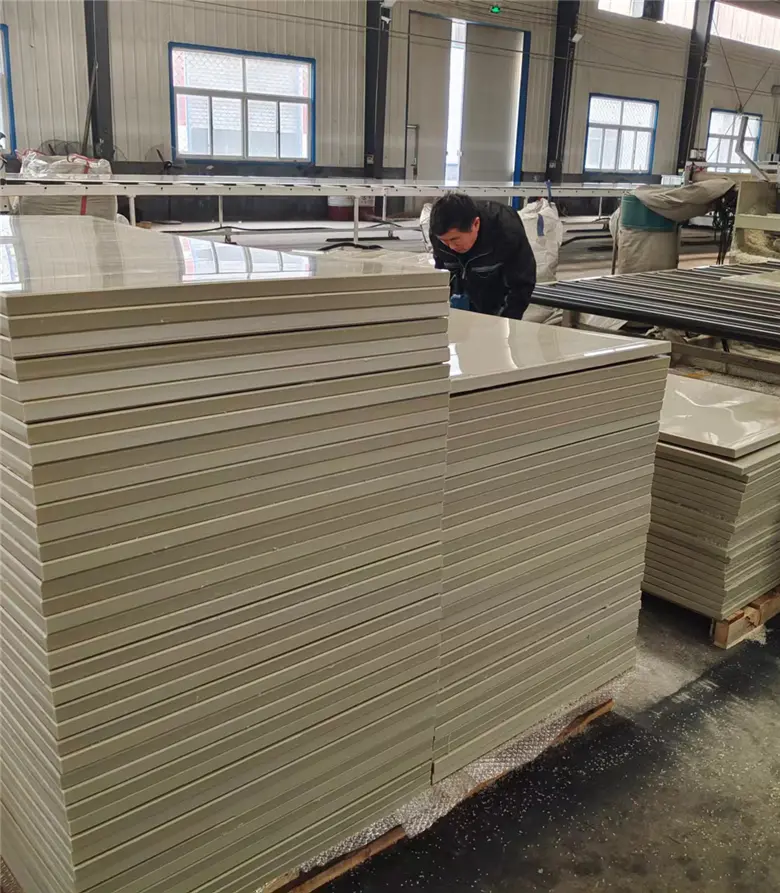
Precision Testing Instruments and Quality Audits
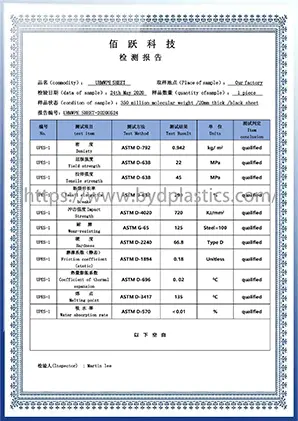
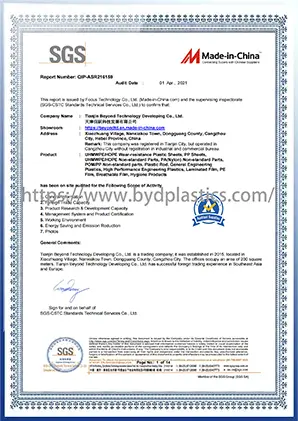
Get in touch with our technical sales engineers for physical property sheets, material validation reports, and competitive custom pricing.
Send Inquiry Now Beyond