Engineered for extreme wear, dynamic loads, and precise tolerances in heavy industrial and automotive OEM machinery.
Slovakia stands as the ultimate powerhouse of Central Europe's automotive sector, leading the world in automotive production per capita. With key assembly bases such as Volkswagen in Bratislava, Stellantis in Trnava, Kia in Žilina, and Jaguar Land Rover in Nitra, the country’s industrial economy revolves around strict high-precision engineering standards. In addition to automotive production, Slovakia features robust industrial ecosystems in heavy machinery fabrication, electronics manufacturing, and railway transit infrastructure.
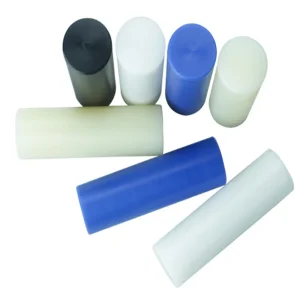
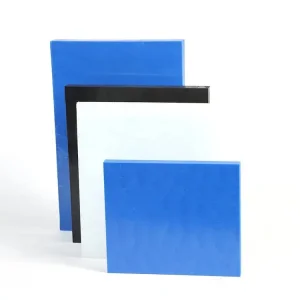
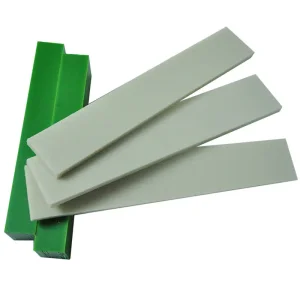
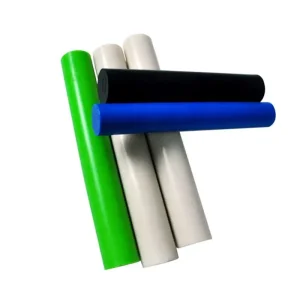
In this demanding landscape, traditional metals are rapidly being replaced by advanced engineering plastics. Polyamide (PA) series materials—commonly known as Nylons—have emerged as the primary materials for high-stress applications. PA6 and PA66, with their superb balance of mechanical strength, thermal endurance, and friction coefficients, are crucial for producing lightweight, durable, and cost-efficient components.
Whether it is gears in automotive power transmissions, wear plates in metallurgical plants, or slider pads in heavy logistics machinery, the Slovakia industrial sector requires reliable suppliers who can offer exceptional dimensional stability and material purity to satisfy rigorous EU standards.
Understanding molecular structure differences helps procurement teams specify the correct plastic grade for industrial operations.
| Property / Characteristic | Cast MC Nylon (PA6 Casting) | Extruded Nylon (PA6 / PA66) | Slovakia Industry Standard / Application Recommendation |
|---|---|---|---|
| Manufacturing Method | Anionic polymerization inside molds (low internal stress) | Continuous melting extrusion through dies (high density) | Cast is preferred for large-scale custom-machined parts. |
| Tensile Strength (MPa) | 80 - 90 MPa | 70 - 80 MPa | Cast Nylon offers higher rigidity for structural support. |
| Crystallinity | Higher (up to 50%) | Lower (approx. 35-40%) | Cast Nylon yields higher wear resistance in abrasive conditions. |
| Moisture Absorption | Approx. 5.5% (Saturated in water) | Approx. 8.5% (Saturated in water) | Slovak automotive engineers select Cast Nylon for better dimensional consistency. |
| Common Applications | Large gears, rollers, heavy wear plates, pulleys | Small bushes, machined bolts, structural profiles | Extruded PA is optimal for thin-walled components and high-volume runs. |
By blending Polyamide with additive packages such as carbon fiber (CF30%), glass fiber, or solid lubricants (MoS2), we optimize tribological and structural performance. For example, CF30% PEEK and CF30% Nylon rods possess exceptionally high tensile modulus, enabling design engineers to shed up to 70% of component weight compared to steel while maintaining similar mechanical fatigue limits. This is direct support for EU sustainability mandates.
The PA series exhibits robust chemical resistance to hydrocarbons, oils, and automotive fluids, making them the default choice in engine bays. Our PA6 and PA66 formulations sustain operating temperatures from -40°C to +110°C, ensuring reliable operation during extreme Slovak winter conditions and high-temperature industrial environments.
Partnering with global chemical giants to deliver certified polymer sheets, rods, and CNC parts to European manufacturing standards.
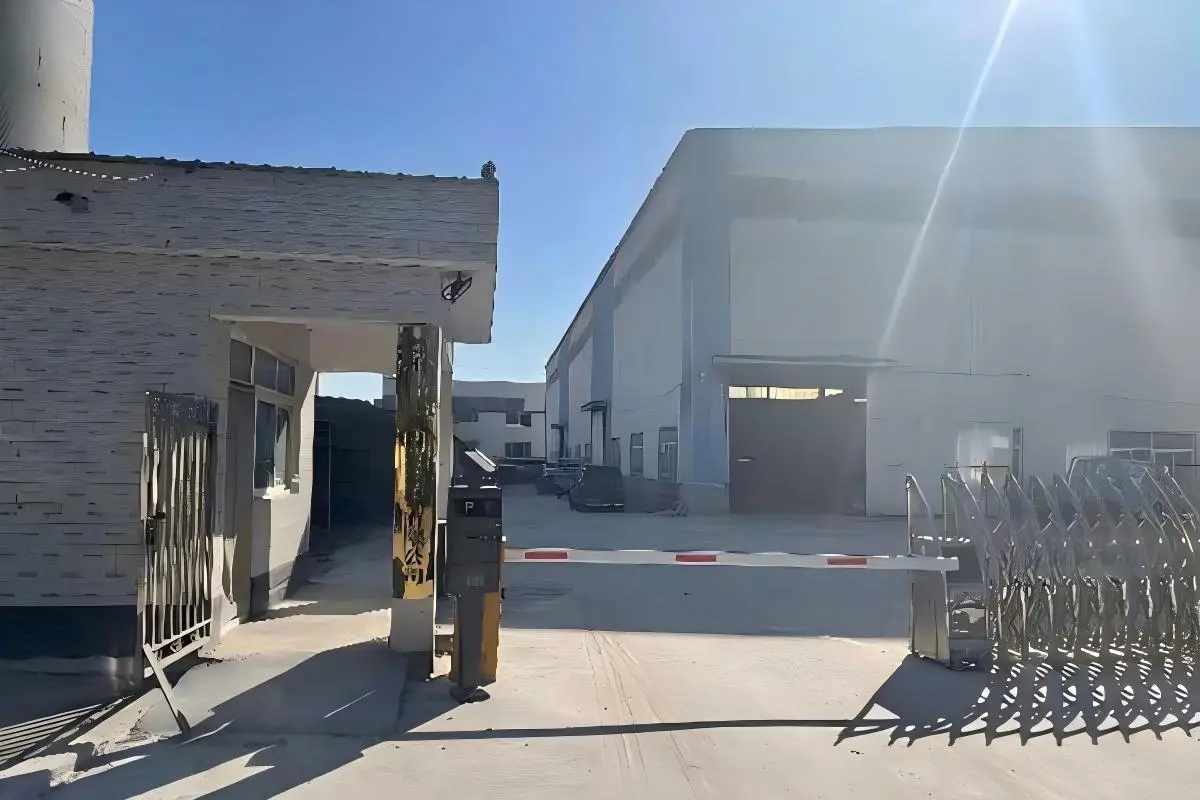
Since 2015, Tianjin Beyond Technology Development Co., Ltd. has developed over ten years of expertise in engineering plastics manufacturing and high-tolerance CNC machining. Our main processing facility spans approximately 50,000 square meters, integrating compression molding, advanced extrusion workshops, and a dedicated R&D laboratory.
We source raw materials from international leaders including TICONA, LG, and Sinopec. Partnering with elite material science universities and research institutions, our engineering team refines the wear-resistance, impact strengths, and longevity of polymer compounds. Our manufacturing processes conform strictly to ISO 9001 quality guidelines, ensuring certified reliability with every batch.
Ensuring stable supplies of high-grade engineering polymers amid changing global market conditions.
In modern industrial manufacturing, any delay in the supply chain can disrupt production lines, costing automotive and heavy machinery OEMs thousands of Euros per minute. Global sourcing agents require partners who offer more than high quality; they demand reliable lead times, volume stability, and flexible logistical support.
At Tianjin Beyond, we utilize Industry 4.0 scheduling frameworks to balance raw material inventories with active production runs. By integrating compression molding, continuous extrusion, and multi-axis CNC machining, we reduce material waste and cycle times. This enables us to provide Slovak and European distributors with highly competitive pricing and reliable supply lines.
Our proximity to major logistics hubs allows us to offer versatile shipping options to Slovakia (via direct ocean freight to Hamburg/Koper and connecting rail/road lines to Bratislava and Košice). We manage standard import documentation, customs clearance requirements, and environmental safety disclosures under REACH and RoHS directives to ensure smooth transit and delivery.
Raw materials and production processes are continually monitored to ensure high dimensional accuracy and mechanical integrity.
Every shipment is accompanied by a Certificate of Analysis (COA) detailing raw polymer properties, density, tensile strength, and hardness. We source our polymers from trusted industry leaders such as TICONA, LG, and Sinopec to ensure consistent material performance and zero contamination.
Equipped with advanced CNC lathes, multi-axis milling centers, and laser measuring equipment, we achieve component tolerances within ±0.02mm, satisfying the strict requirements of automotive OEMs and aerospace assembly lines.
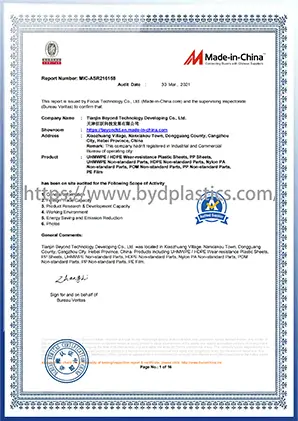
Our operations are fully certified under ISO 9001:2015, SGS, and BV standards. We perform rigorous structural inspections, density verifications, and stress testing to ensure every component delivers dependable performance in the field.
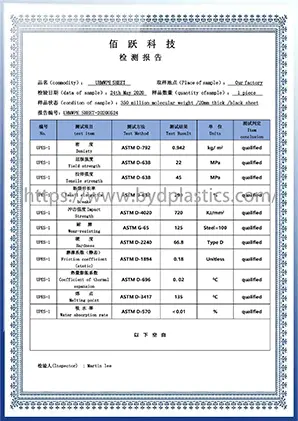
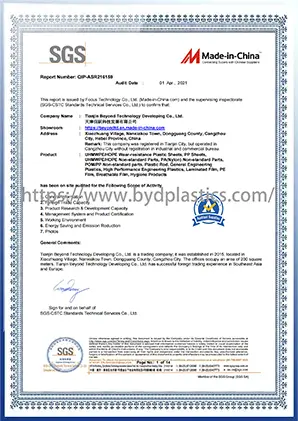
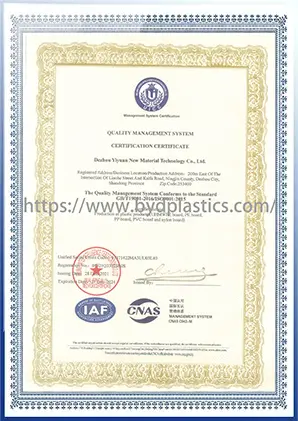
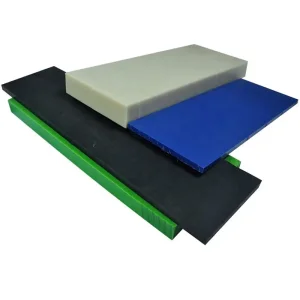
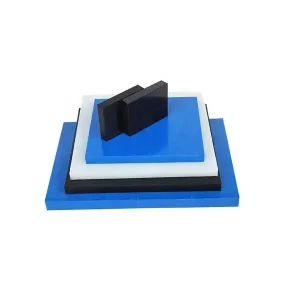
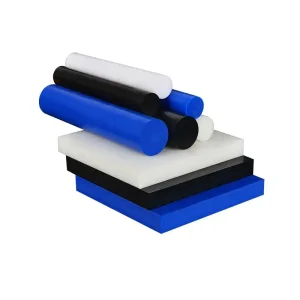
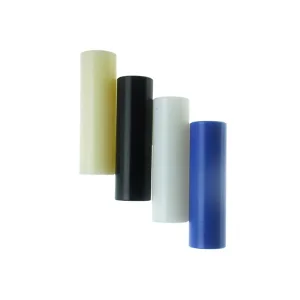
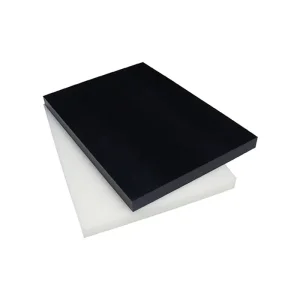
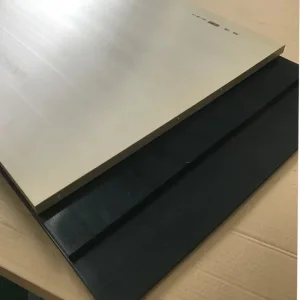
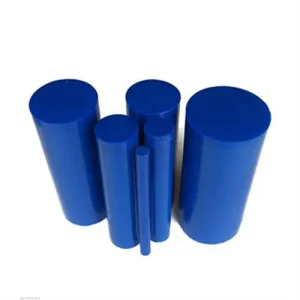
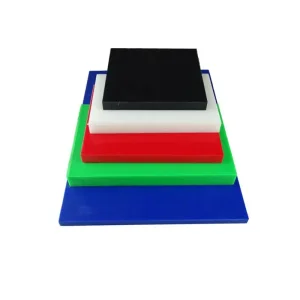
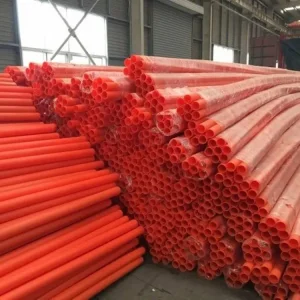
Browse our core range of high-performance polymer sheets, rods, and tubes manufactured under strict quality standards.

Critical insights for technical buyers, material engineers, and procurement managers sourcing engineering plastics.
Cast MC Nylon (Monomer Cast) is produced through anionic polymerization, which results in a highly crystalline molecular structure with minimal internal stresses. This gives it superior tensile strength, hardness, and wear resistance, making it ideal for large gears, structural sliders, and heavy-duty wear plates. Extruded PA6/PA66 is processed through continuous melting extrusion, which yields high density and toughness. It is better suited for smaller, high-volume components with thin walls, such as bushings, fasteners, and standard profiles.
Polyamides naturally absorb moisture due to their polar molecular structure, which acts as a plasticizer, increasing impact strength and elongation at break while slightly reducing tensile strength and stiffness. For outdoor or wet processing applications in Slovakia, dimensional changes can be accommodated during component design. If strict dimensional stability is required, we recommend using modified Nylons containing solid fillers, or switching to UHMWPE or PEEK materials.
For standard sheets and rods, order processing and loading take approximately 10 to 15 days. Custom CNC machining projects depend on geometry complexity, typically requiring 15 to 20 days. Shipments to Slovakia are routed via ocean freight to the ports of Hamburg or Koper, followed by direct rail or road transport to cities like Bratislava, Trnava, and Nitra. The total transit time from our facility to your warehouse generally ranges from 35 to 45 days. We also offer air freight services for urgent component requirements.
Yes. All engineering plastics, sheets, rods, and CNC-machined components manufactured by Tianjin Beyond are fully compliant with EU REACH and RoHS requirements. We do not use hazardous chemicals or restricted plasticizers. Material safety data sheets (MSDS) and declarations of conformity are provided with all technical documentation.
Polyamides have a density of approximately 1.14 g/cm³, compared to steel (7.8 g/cm³) and aluminum (2.7 g/cm³). Replacing heavy metal components with PA66-GF30 or CF30% reduces part weight by up to 60-80%. In automotive applications, this directly lowers fuel consumption and CO2 emissions in internal combustion engines, and extends battery range in electric vehicles (EVs). This aligns with the European Union's target of reducing fleet emissions and supports sustainable manufacturing initiatives in Slovakia.
 Beyond