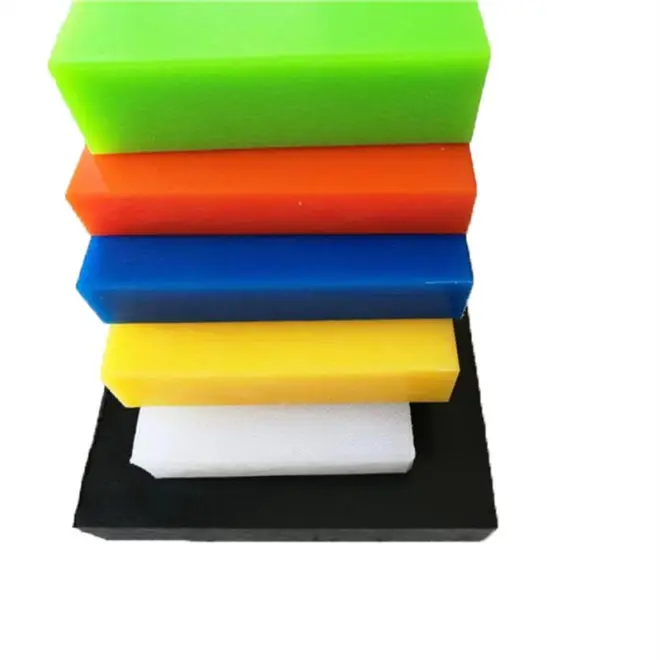
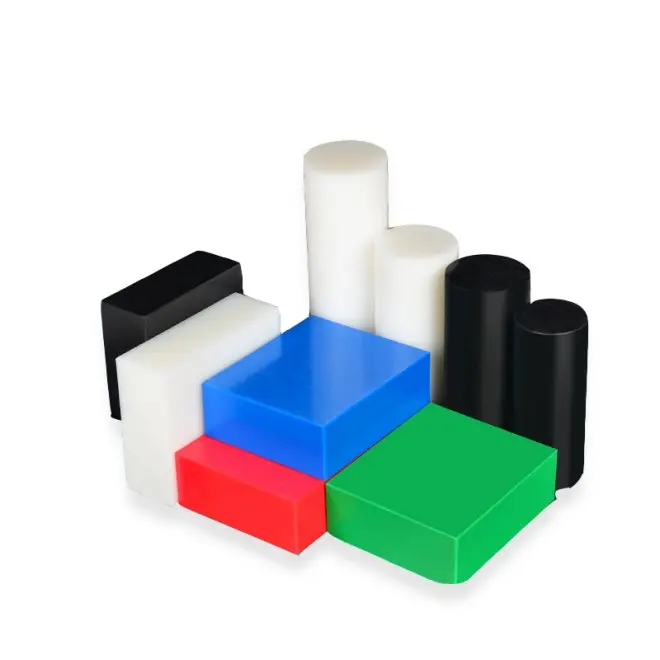
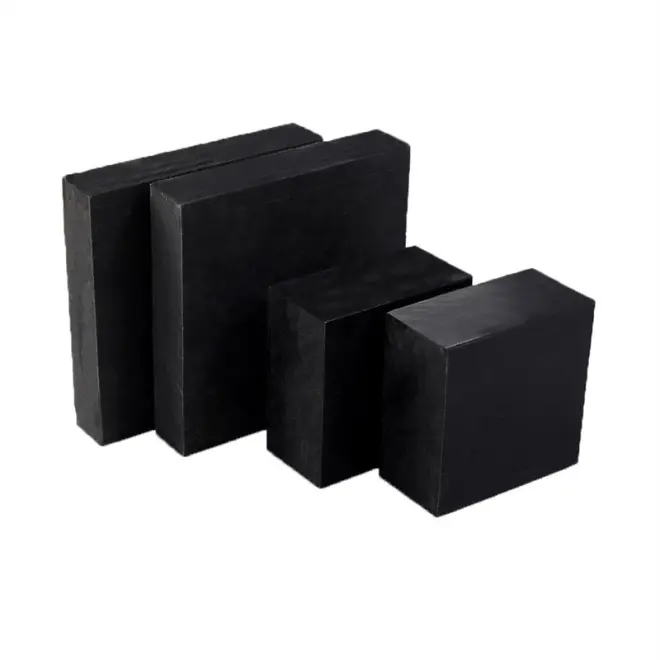
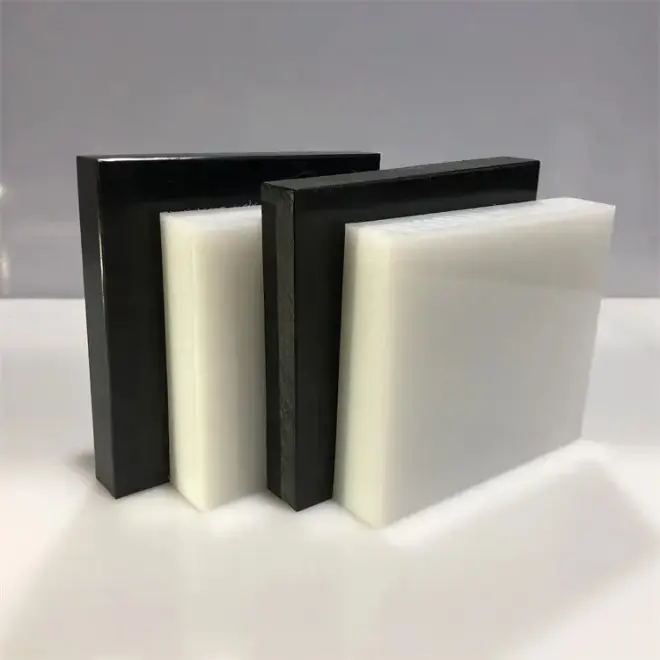
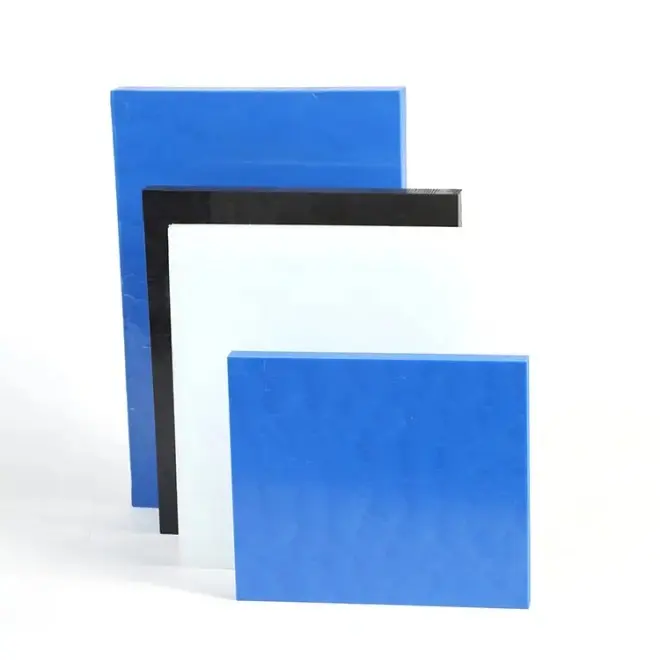
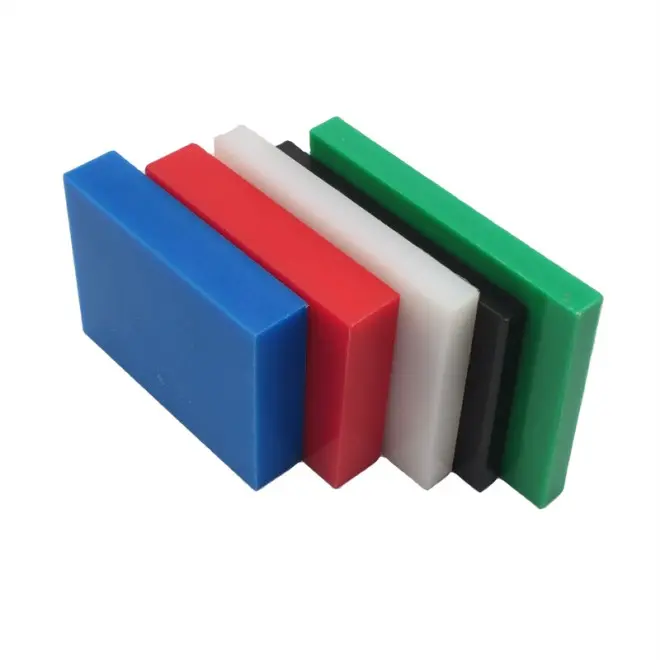
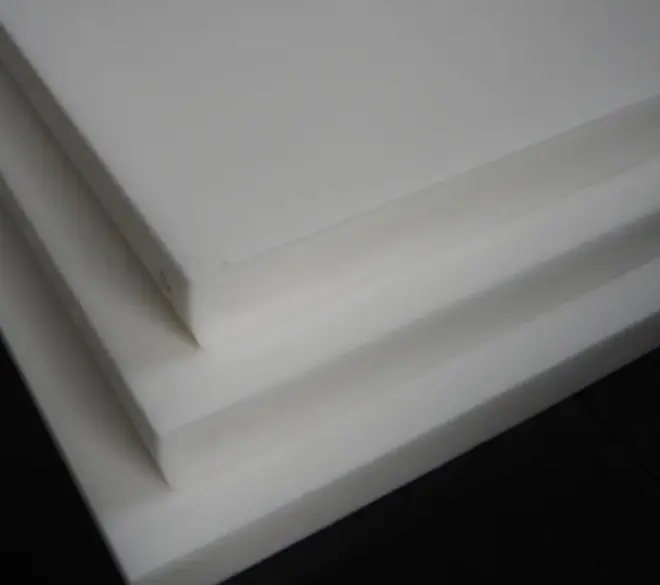
Discover high-density polymer materials engineered for maximum wear resistance, structural stability, and extreme low-friction performance.
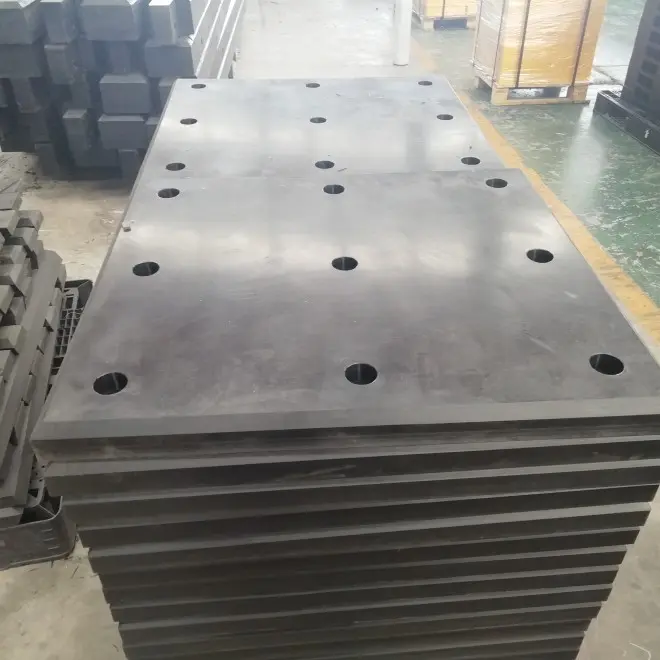
China UHMWPE Marine Fender Pads Manufacturer, Factories
View Specifications
China Perforated Plastic UHMWPE Sheet Manufacturer, Supplier
View Specifications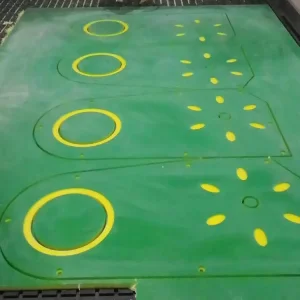
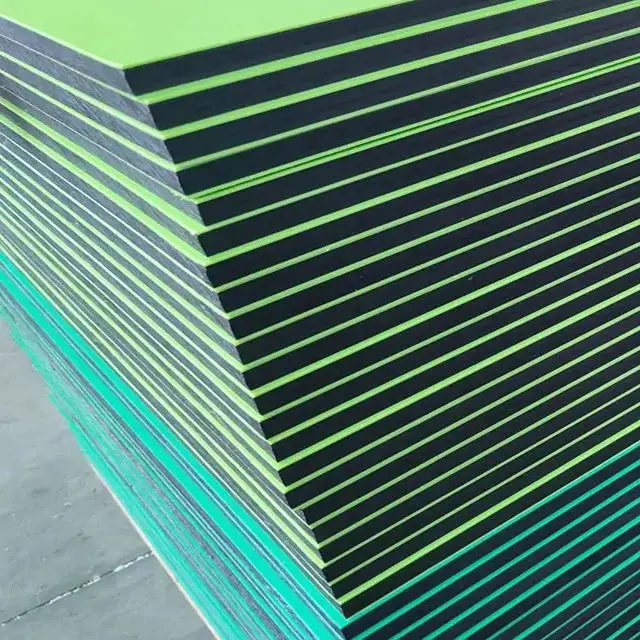
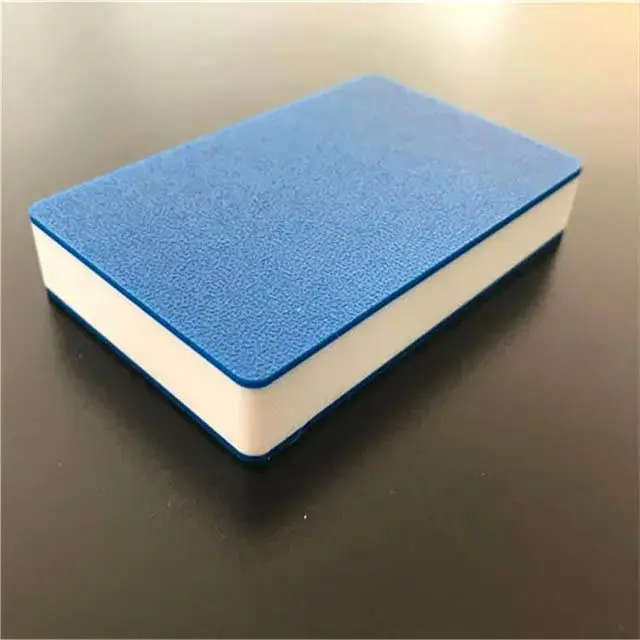
OEM HDPE Sandwich 3-Layer Double Color Sheet for Playground
View Specifications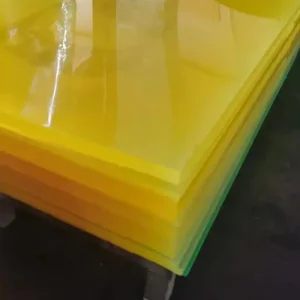
Wholesale Custom Cast Polyurethane Rubber Sheet PU Sheet
View Specifications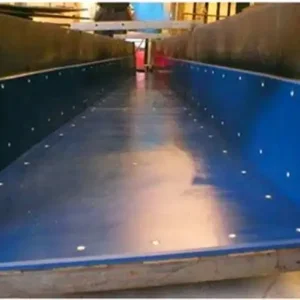
OEM Low Friction Wear Liner UHMWPE Truck Bed Liner Sheet
View Specifications
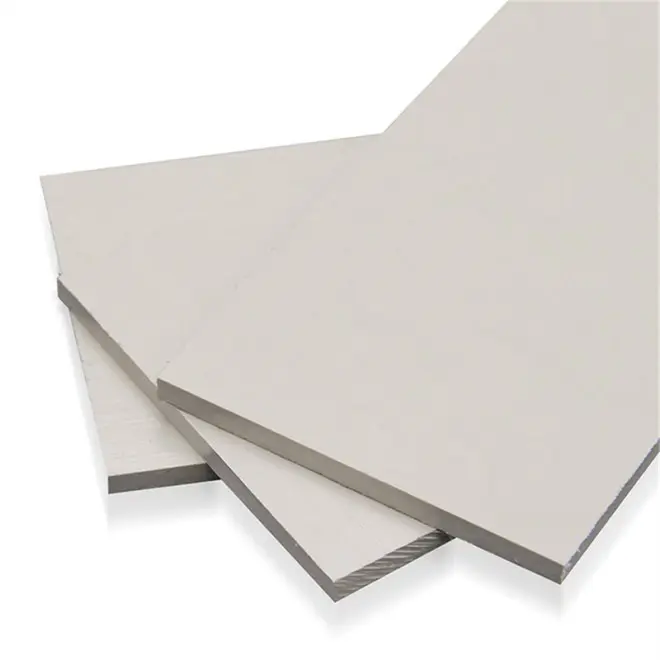
OEM Grey Acid & Alkali Resistant PVC Rigid Sheet Manufacturer
View Specifications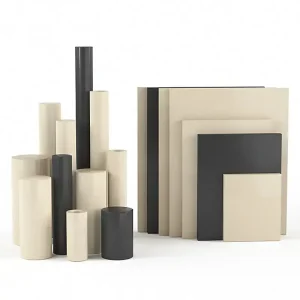
OEM Unfilled Virgin Grade PEEK High Temperature Plate
View Specifications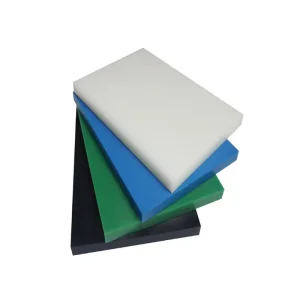
OEM Wear Resistant Plastic UHMWPE 1000 Sheet Supplier
View SpecificationsIn modern industrial engineering, selecting materials capable of surviving structural stress, chemical erosion, and tribological wear is a primary challenge. High-Density Plastic Boards, particularly those derived from High-Density Polyethylene (HDPE) and Ultra-High Molecular Weight Polyethylene (UHMWPE), represent a pinnacle of polymer engineering. These materials deliver a highly sought-after combination of low density, high impact strength, and near-zero moisture absorption.
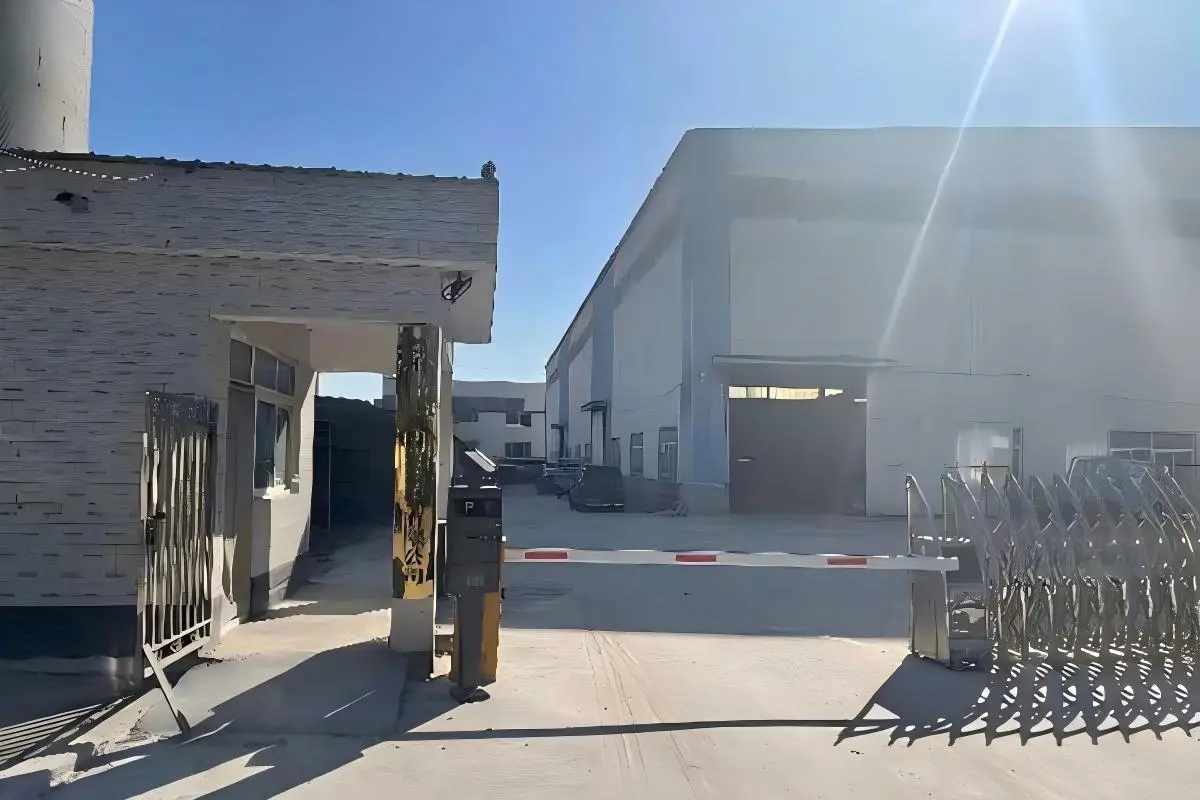
Unlike metal alloys which suffer from oxidation, cavitation, and substantial mass-related inertia, engineered high-density plastics leverage long-chain polymer structures to absorb mechanical energy and resist shearing force. As a premier manufacturer in China, Tianjin Beyond Technology Development Co., Ltd. has spent over a decade refining the molecular alignment and compounding parameters of these boards to fulfill the demands of international clients operating in marine dock design, heavy-duty mining, bulk cargo transport, and automated food packaging environments.
Choosing the correct grade of high-density plastic requires analyzing operating temperatures, chemical exposure, load parameters, and friction coefficients.
Features an average molecular weight ranging from 3.0 to 9.2 million g/mol. This vast chain length yields unmatched wear resistance, excellent impact strength even at cryogenic temperatures (-260°C), and self-lubricating characteristics. Perfect for marine dock fenders, bulk material storage chutes, and conveyor guide rails.
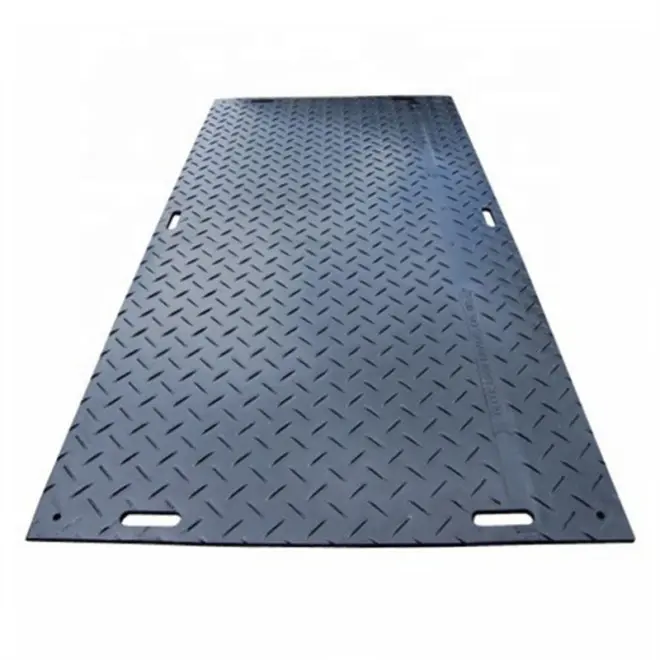
Known for its excellent moisture barrier, high chemical resistance, and ease of thermal welding. Commonly utilized for temporary ground protection mats, children's outdoor playground equipment, liquid storage tanks, and structural components requiring light weight and chemical resilience.
Characterized by high mechanical strength, dimensional stability, and low friction. Highly machinable and optimal for precision components such as gears, bearings, bushings, and electrical insulators where tight dimensional tolerances must be maintained.
Exhibits exceptional tensile strength, load-bearing capacities, and high resistance to wear and abrasion. Frequently selected for mechanical transmission parts like heavy-duty rollers, pulley sheaves, and guide wheels where vibration damping is beneficial.
Features superior resistance to acids, alkalis, and organic solvents. Because of its light weight and low moisture absorption, it is standard in the construction of chemical tanks, laboratory equipment, electroplating systems, and process piping.
An ultra-performance polymer engineered for extreme temperatures up to 250°C. Offering remarkable chemical resistance and high mechanical strength, it is widely utilized in aerospace components, semiconductor processing parts, and medical instruments.
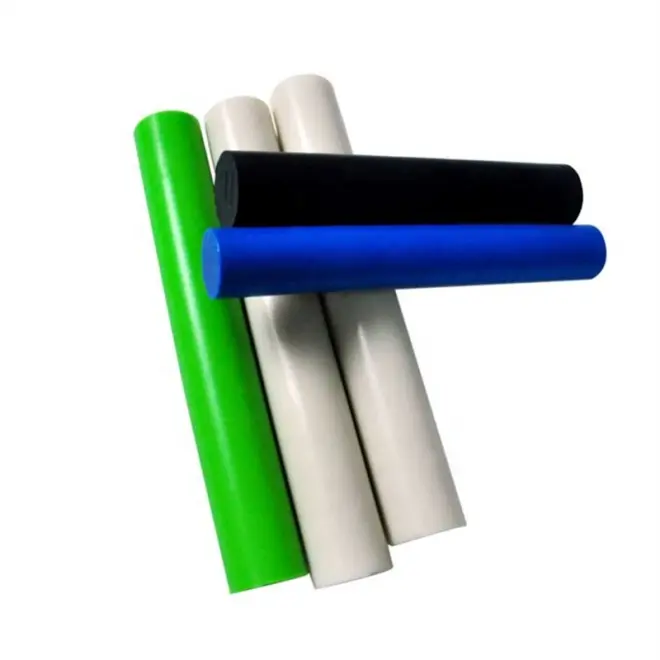
Below is the complete engineering portfolio showing our specialized materials available for quick-ship or custom custom-engineered runs.
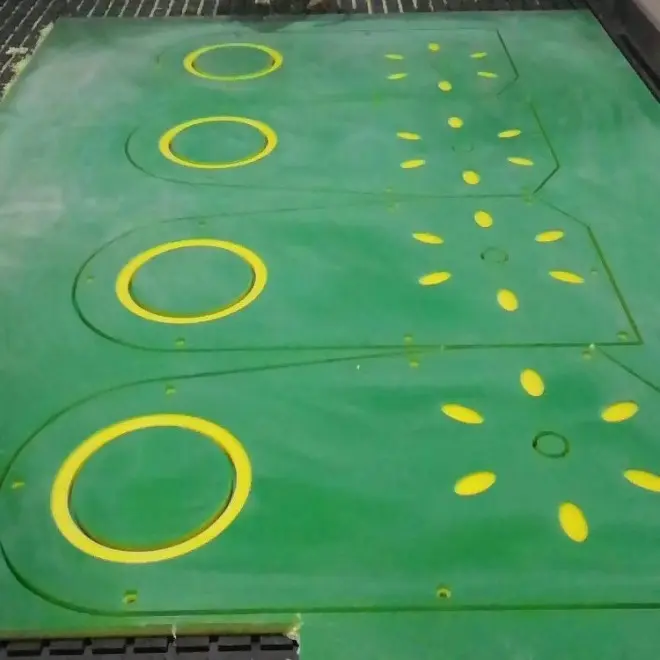
The global demand for high-density plastic boards is undergoing a structural shift. Historically, engineers relied on steel, bronze, and aluminum for mechanical wear components. However, rapid material degradation from corrosion, heavy weight, and complex maintenance cycles have driven modern industrial buyers toward high-performance polymers. Today, global sourcing strategies prioritize high-integrity supply chains capable of delivering custom-formulated polymers with consistent properties.
This dynamic transition is particularly evident in heavy equipment applications. When sourcing High-Density Plastic Boards, multi-national purchasing departments evaluate three critical indices:
Located in the industrial hub of Tianjin, China, Tianjin Beyond Technology Development Co., Ltd. has established a reliable supply network for global buyers. Our 50,000 square meter facility houses advanced compression molding presses, high-output single and twin-screw extruders, and over 50 precision CNC machining systems (including large-scale gantry milling machines and engraving systems). This setup allows us to oversee production from raw resin compounding through to final tight-tolerance CNC finished components.
| Property Description | UHMWPE (PE1000) | HDPE (PE300) | POM Acetal | Nylon PA6 |
|---|---|---|---|---|
| Density (g/cm³) | 0.93 - 0.97 | 0.95 - 0.96 | 1.41 - 1.43 | 1.13 - 1.15 |
| Tensile Yield Strength (MPa) | > 22 | > 25 | > 65 | > 70 |
| Coefficient of Friction (Dynamic) | 0.10 - 0.15 | 0.15 - 0.20 | 0.25 - 0.35 | 0.30 - 0.40 |
| Water Absorption (%) | < 0.01 | < 0.01 | 0.20 - 0.25 | 1.50 - 3.00 |
| Max Operating Temp (°C) | 85 | 80 | 100 | 110 |
Applying advanced polymer designs to solve critical mechanical wear, friction, and structural challenges in global infrastructure projects.
Marine environments present severe challenges to infrastructure, including exposure to high salinity, continuous wave motion, and impact forces from large cargo vessels. Traditional wooden or rubber fender elements wear down quickly from shear force and biological growth.
The Solution: Ultra-High Molecular Weight Polyethylene (UHMWPE) marine fender pads. Formulated with UV stabilizers, our UHMWPE pads protect docks and vessels. With low dynamic friction (0.12), ships slide smoothly along the berth, reducing stress on the structural dock pile.
Mining operators face substantial material carryback and abrasive wear when transporting bulk coal, iron ore, and minerals. Wet ore can stick to steel surfaces, leading to blockages and reduced throughput.
The Solution: Low-friction, wear-resistant UHMWPE truck bed and hopper liners. Their low surface tension prevents wet material from sticking, facilitating smooth material flow and eliminating carryback. This significantly extends the wear life of haul truck boxes and chute structures.
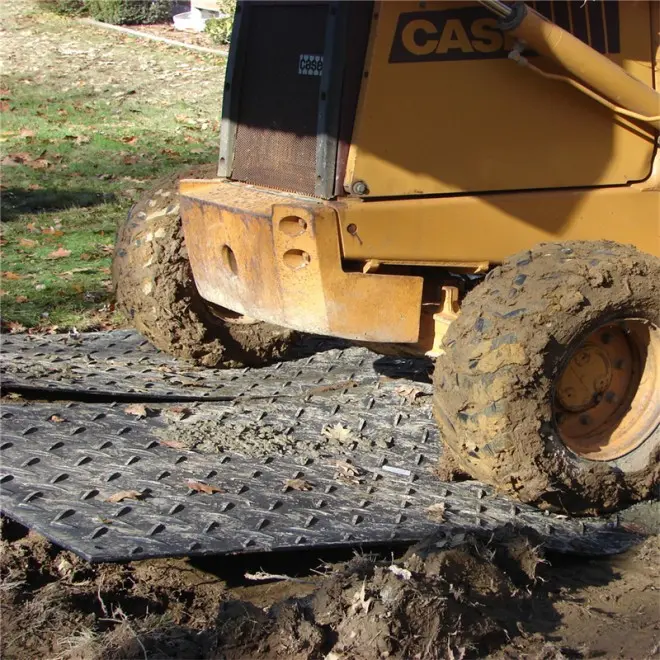
Mobile cranes, concrete pumps, and utility vehicles require stable foundation support on soft or shifting soils. Without proper load distribution, high outrigger point loads can cause ground failure and equipment tipping.
The Solution: High-Density Polyethylene (HDPE) outrigger pads and temporary road mats. These lightweight pads distribute load over a larger area, protecting sensitive turf while ensuring a stable base for heavy equipment.
High-speed packaging and bottling lines require lightweight, food-safe parts capable of running continuously without external lubricants. Metal components are prone to rust and require grease, which risks contaminating packaging lines.
The Solution: FDA-compliant POM Acetal and Nylon gears, pulleys, stars, and guide rails. These parts are CNC-machined to tight tolerances, running quietly and resisting washdowns with harsh cleaning agents.
Our production processes follow strict international quality management standards to ensure consistency across every order.
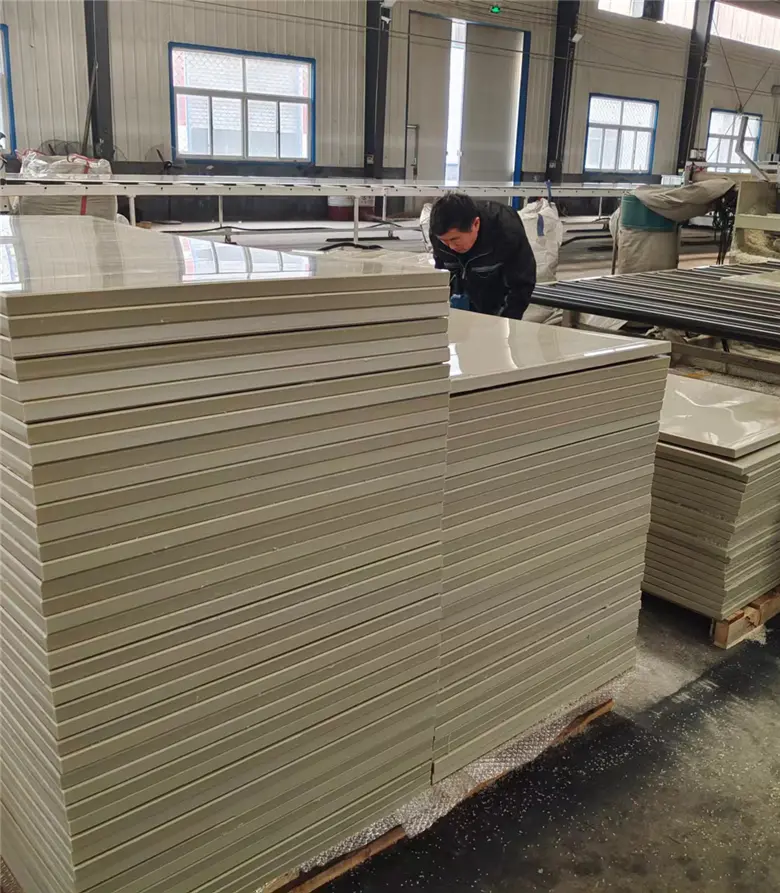
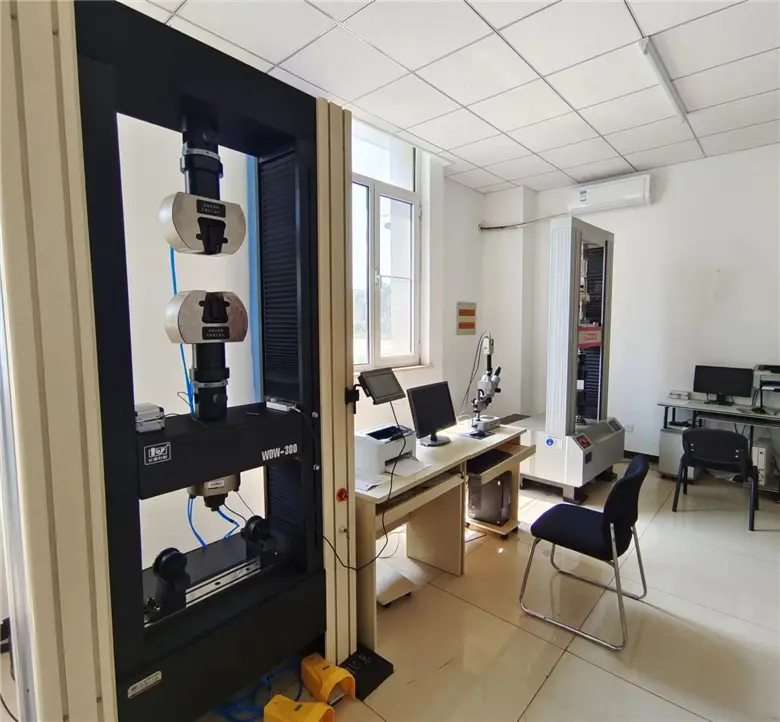
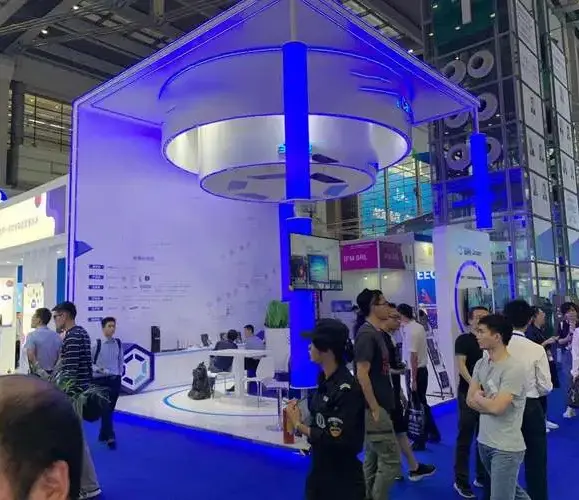
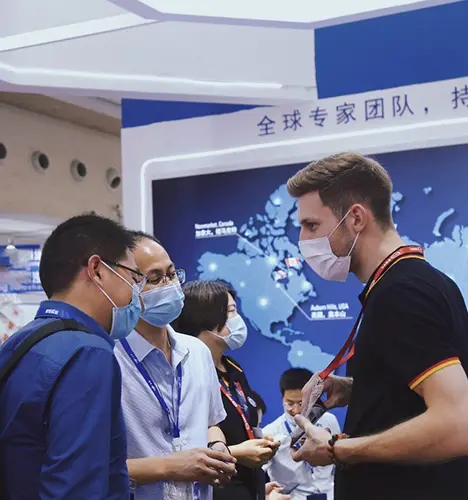
Every shipment of high-density plastic boards from Tianjin Beyond is backed by thorough testing protocols. We source raw materials directly from reliable global polymer suppliers, including TICONA (Celanese), LG Chem, and Sinopec. This ensures consistent physical properties, density, molecular weight, and wear resistance across production runs.
Our internal laboratory conducts regular tests on key metrics:
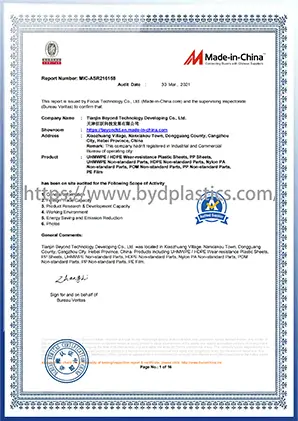
To verify compliance, we maintain third-party certifications through SGS, Bureau Veritas (BV), and ISO 9001:2015, ensuring our products meet global engineering and safety standards.
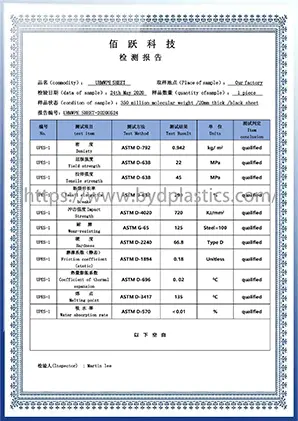
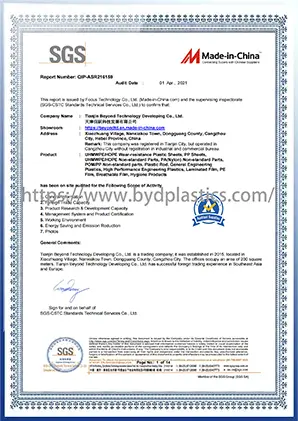
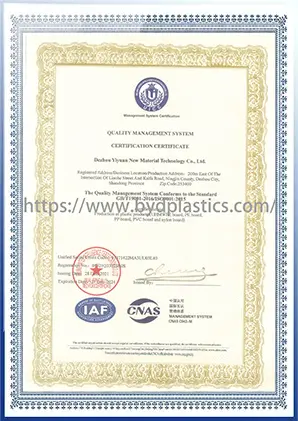
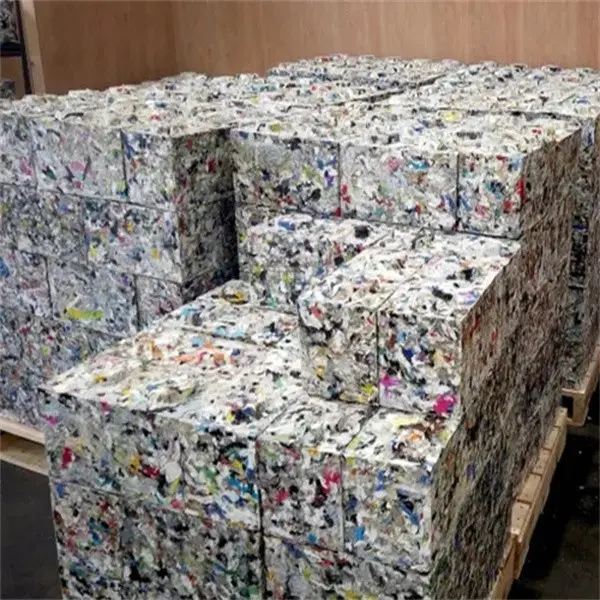
The engineering plastics industry is evolving toward multi-functional composites and sustainable manufacturing. As industries commit to carbon neutrality, the demand for recycled and bio-based plastics is growing. We support these goals by offering eco-friendly recycled and mixed HDPE/UHMWPE boards that maintain high wear resistance and structural integrity, helping projects reduce their environmental impact.
In addition, advanced applications require modified polymer formulations. By compounding high-density plastics with specific additives, we produce sheets with enhanced performance profiles:
Technical answers to help engineers and procurement specialists select and specify high-density plastic materials.
Additional high-performance polymer options, including POM, Nylon, and custom CNC gear solutions.
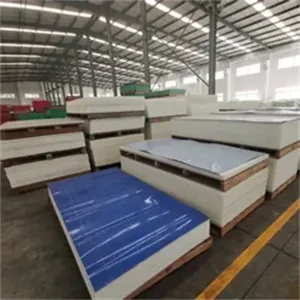
China HDPE Synthetic Ice Rink Panel/Sheet Manufacturer
View Specifications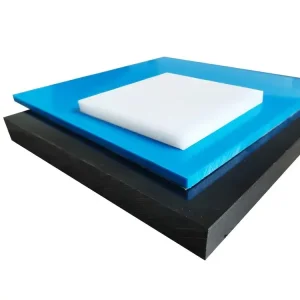
China Extruded Solid Polyacetal Acetal POM Sheet Manufacturers
View Specifications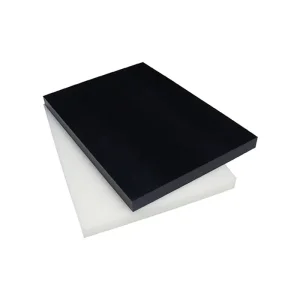
China 100% Virgin Nylon Rod PA6 PA66 Rod for Industrial Seals
View Specifications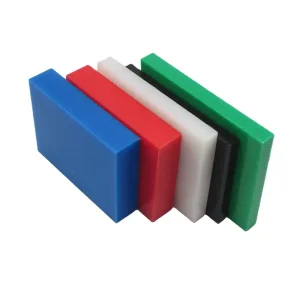
Wholesale 15mm 20mm 200mm POM White Sheet Delrin Machining
View Specifications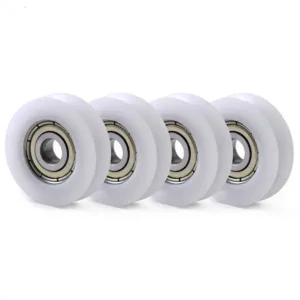
OEM Nylon Pulleys Sheaves Manufacturers, Supplier
View Specifications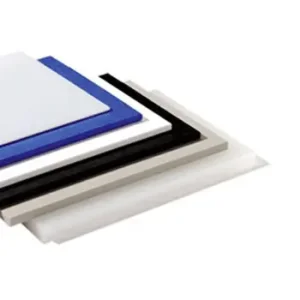
China High Rigidity Polypropylene Homopolymer PPH Sheet
View Specifications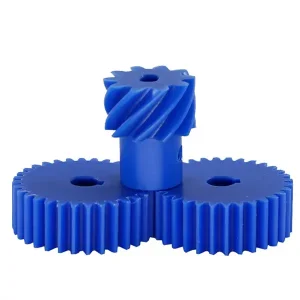
Custom CNC Precision Machining Nylon PA Rack and Pinion Gear
View Specifications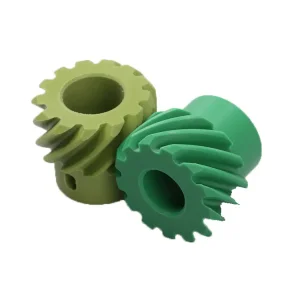
China Engineering Plastics Gears Manufacturers, Supplier
View Specifications Beyond