Explore our core catalog of high-performance polymer materials, custom-extruded rods, and precision-engineered sheets manufactured to meet rigorous international standards.
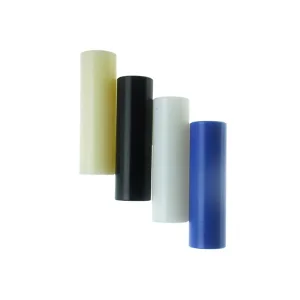
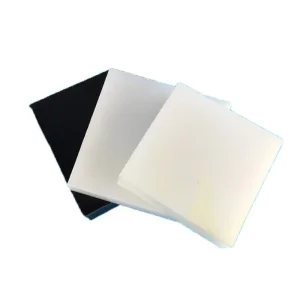
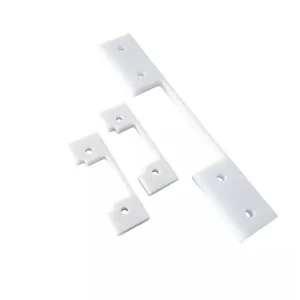
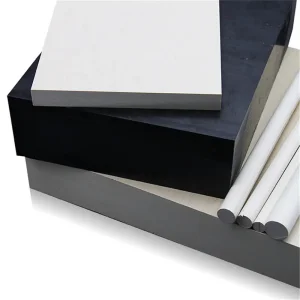
In modern industrial manufacturing, structural efficiency relies heavily on material selection. Engineering polyamides (commonly known as Nylon or PA) have emerged as the primary alternative to copper, bronze, and aluminum in dynamic load-bearing applications. Because of their unique combination of mechanical toughness, low coefficient of friction, and high abrasion resistance, solid nylon rods serve as the foundational material for custom machined parts across heavy machinery, automated packaging lines, and maritime structures. This technical guide outlines the structural properties, manufacturing standards, and supply advantages of collaborating with China's leading nylon fabrication facilities.
Solid nylon rods offer exceptional energy dissipation properties, allowing machined bushings and gears to absorb continuous impacts without structural deformation or stress cracking.
Formulated with integrated crystalline matrixes, these polymers reduce friction in high-wear interfaces, eliminating the need for constant supplementary lubricants.
Resistant to organic solvents, hydrocarbons, esters, and alkaline solutions, making them ideal for aggressive chemical washdowns and heavy industrial plant environments.
Selecting the correct solid nylon rod formulation requires a detailed understanding of its molecular structure and how different production processes affect the mechanical properties.
Polyamides are semi-crystalline polymers that are processed through either extrusion or monomer casting. When sourcing from a factory, understanding the structural differences between these materials is critical to ensuring long-term component performance.
| Property Description | Extruded PA6 Rod | Extruded PA66 Rod | Cast MC Nylon Rod | Oil-Filled Cast Nylon |
|---|---|---|---|---|
| Density (g/cm³) | 1.13 - 1.15 | 1.14 - 1.16 | 1.15 - 1.17 | 1.13 - 1.15 |
| Tensile Strength (MPa) | 75 - 80 | 85 - 90 | 80 - 85 | 70 - 75 |
| Flexural Modulus (GPa) | 2.8 | 3.2 | 3.1 | 2.7 |
| Water Absorption (Equilibrium, 23°C, 50% RH) | 3.0% | 2.5% | 2.0% | 1.8% |
| Coefficient of Sliding Friction (Dry) | 0.40 | 0.38 | 0.35 | 0.15 - 0.20 |
| Maximum Operating Temperature (Short-term) | 160°C | 180°C | 170°C | 165°C |
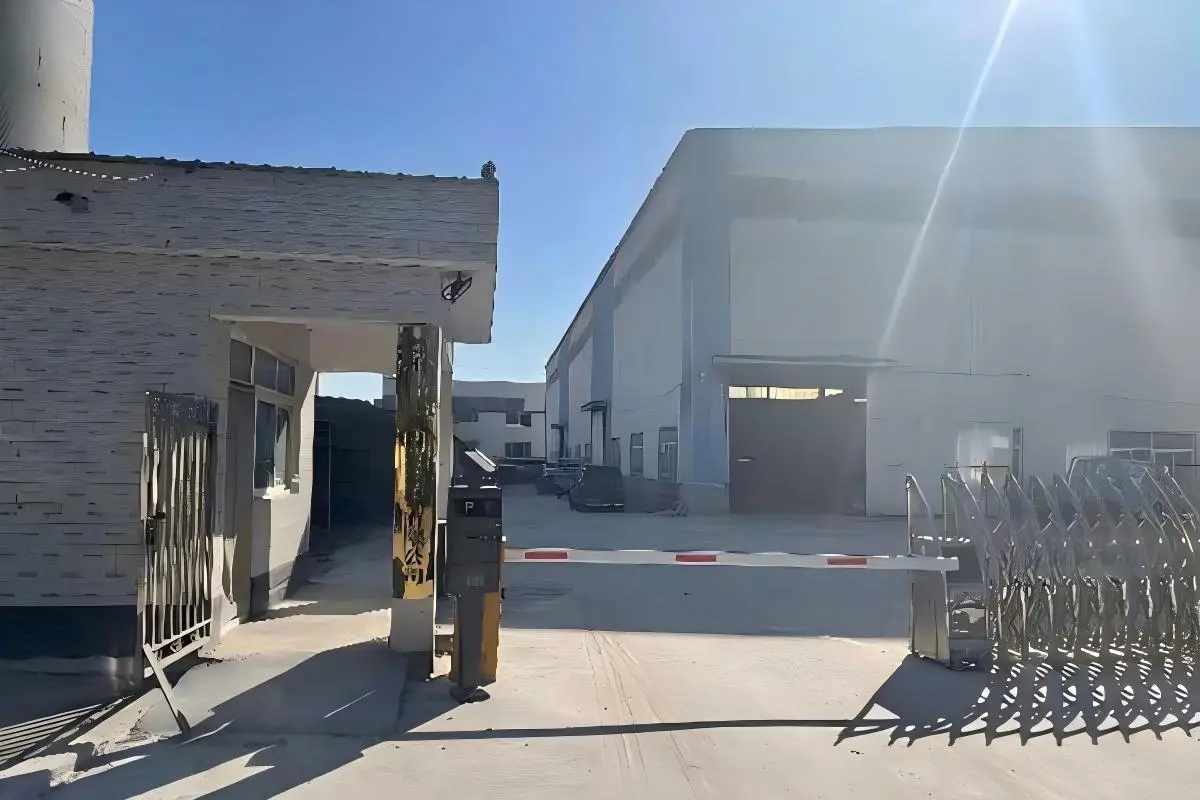
Tianjin Beyond Technology Development Co., Ltd. integrates raw material synthesis, advanced rod extrusion, and precision CNC finishing under one roof.
Established in 2015, Tianjin Beyond has built a comprehensive production base designed to support bulk extrusion and complex parts machining. Operating in a 50,000 square meter facility, our setup is designed to prevent internal stress buildup in extruded nylon rods, which can lead to warping during machining.
Our facilities include specialized compression molding and high-torque extrusion workshops alongside a dedicated engineering R&D center. By using high-quality raw materials sourced from leading chemical suppliers like TICONA, LG, and Sinopec, we ensure our raw polymer stock remains consistent across production batches.
To support high-precision projects, our CNC workshop features gantry CNC lathes, high-speed gantry CNC milling machines, and large-scale CNC engraving systems. This enables us to transition from raw solid nylon rods to finished components with tight tolerances (+/- 0.02mm) for clients worldwide.
Factory Area (m²)
Years Field Experience
Technical Engineers & Staff
R&D Research Scientists
Why global OEMs choose Chinese manufacturing partnerships to optimize their supply chain performance, cost structures, and technical outcomes.
From primary monomer purification to final finished component machining, Chinese factories operate within a highly integrated logistics ecosystem. This closeness to raw chemical manufacturers reduces raw material transport times and overall production costs.
Our facility offers custom adjustments for solid nylon rods. We can formulate specialized grades, including glass-fiber reinforced, carbon-fiber reinforced, MOS2 self-lubricating, and oil-filled variants to match specific application demands.
Tianjin Beyond operates in accordance with ISO9001, SGS, and BV certification guidelines. This ensures that every shipment of solid nylon rods is accompanied by verifiable Material Data Sheets and Certificates of Analysis (COA).
Solid nylon rods are engineered to replace wear parts in critical systems, helping to minimize downtime and reduce overall maintenance costs.
In mobile cranes, hydraulic excavators, and harbor gantries, solid nylon rods are machined into durable wear pads, crane sheaves, and bushes. The polymer's ability to self-lubricate minimizes steel-on-steel wear, reducing friction and extending the operating lifespan of telescoping booms.
High-speed bottling and packaging lines depend on low friction to maintain throughput. Machined PA6 star wheels, guide rails, and scroll feeds work quietly and smoothly without requiring external oiling, preventing grease contamination on consumer packaging.
Cast MC Nylon rods are widely used for marine bearing sleeves, rudder shaft liners, and windlass components. The material's resistance to salt-water corrosion, combined with its high load capacity, prevents chemical degradation in marine environments.
Using FDA-compliant natural solid nylon formulations, our engineers produce custom components for food processing systems, including dough rollers, scraper blades, and product guides. These components can withstand regular chemical washdowns without swelling or degrading.
A look into our material treatment processes designed to ensure stability and reliability during precision machining.
One of the primary challenges when working with large-diameter solid nylon rods is the occurrence of internal voids and structural stress during the cooling phase of extrusion. Raw extruded polyamides can develop high levels of internal tension, which may lead to warping, twisting, or cracking during deep hole drilling and milling.
Tianjin Beyond addresses this issue through a dedicated post-extrusion annealing cycle. Our rods are placed into thermal ovens under controlled temperature curves for extended periods, relieving internal stress and stabilizing the crystalline matrix. This processing step ensures that the rods retain their dimensions when machined into close-tolerance gears, sleeves, and critical components.
As technology advances, engineering polymers are evolving to meet higher thermal and mechanical demands.
To reduce reliance on fossil resources, researchers are developing nylon formulations using bio-based monomers derived from castor oil, helping to lower the carbon footprint of production.
Incorporating nano-additives like molybdenum disulfide (MOS2), graphite, or specialized lubricants directly into the polymer matrix improves wear resistance and dry-running performance.
New chemical structures are designed to increase the heat deflection temperature of nylon rods, allowing them to operate continuously at temperatures above 150°C without mechanical failure.
Answers to common technical and commercial questions from global procurement managers and design engineers.
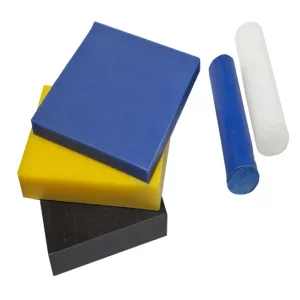
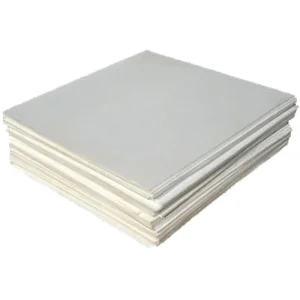
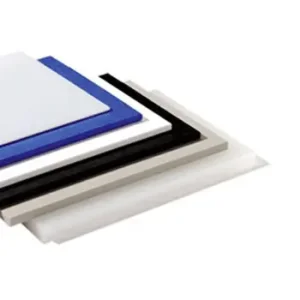
Browse our broader range of engineering plastics, including specialized wear plates, liners, and machined accessories.
 Beyond