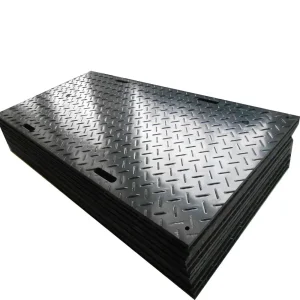
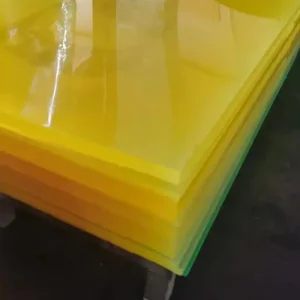
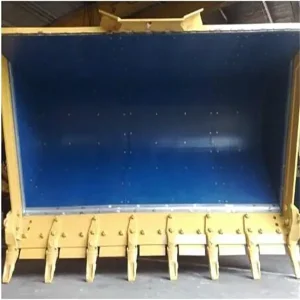
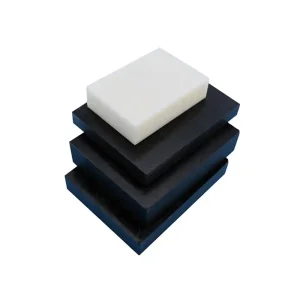
In heavy construction, utility maintenance, and mobile crane operations, structural stability is paramount. The ground beneath a heavy machine is rarely uniform or capable of sustaining localized high pressures. This is where high-density polyethylene (HDPE) and ultra-high-molecular-weight polyethylene (UHMWPE) outrigger pads serve as a critical layer of safety and force distribution.
Historically, mobile crane and aerial lift operators relied on structural timber, plywood, or steel plates to spread outrigger foot loads. Timber, however, suffers from natural inconsistency, dry rot, splintering, and moisture absorption which degrades its load-bearing capacity. Steel plates, while extremely rigid, are heavy to manually deploy, prone to permanent deformation, and susceptible to oxidation.
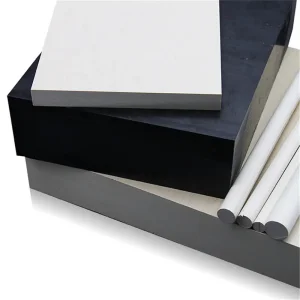
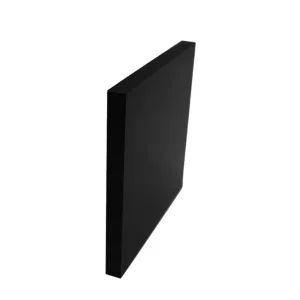
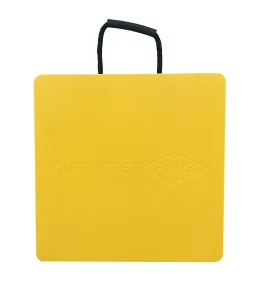
Engineered thermoplastic outrigger pads fabricated from HDPE and UHMWPE resolve these industrial limitations. These polymers display exceptional compressive strength, resistance to chemical degradation, zero water absorption, and high impact resistance, even under sub-zero temperatures.
By dispersing concentrated point loads into broad, manageable surface pressures (translating tons of force into manageable PSI values on the soil), outrigger pads prevent critical ground failure. Choosing an OEM manufacturer like Tianjin Beyond Technology Development Co., Ltd. ensures that the molecular properties, thickness calculations, and geometric configurations of the pads are customized for your specific industrial application.
Whether for rough-terrain cranes, concrete boom pumps, or high-reach utility trucks, these pads are designed to exceed compliance metrics, protecting assets worth millions and safeguarding operator lives.
Understanding the chemical and mechanical divergence of these thermoplastics is vital for procurement. High-Density Polyethylene (HDPE / PE300) offers an optimal balance of cost-efficiency and reliable compressive strength for light to medium-duty operations. Ultra-High Molecular Weight Polyethylene (UHMWPE / PE1000) delivers maximum wear resistance and high impact strength for high-capacity applications.
| Property / Parameter | HDPE (PE300 / PE500 Grade) | UHMWPE (PE1000 Grade) | Structural Hardwood (Timber) | }
|---|---|---|---|
| Molecular Weight | ~0.3 to 0.5 Million g/mol | ~3.5 to 9.2 Million g/mol | N/A (Natural Fiber) |
| Compressive Strength (Yield) | 20 - 25 MPa | 28 - 32 MPa | 3 - 8 MPa (Varies wildly with humidity) |
| Water Absorption Rate | < 0.01% (Non-porous) | < 0.01% (Zero swelling) | Up to 25% (Rots and weakens) |
| Operating Temperature Range | -60°C to +80°C | -150°C to +85°C | Varies (Freezes/cracks) |
| Chemical Resistance | High (Acids, oils, solvents) | Extreme (Virtually inert) | Poor (Absorbs oil, corrosive chemicals) |
| Weight | Lightweight (Density: ~0.96 g/cm³) | Ultra-light (Density: ~0.94 g/cm³) | Medium to Heavy (Varies with moisture) |
Both materials handle immense structural compression without fracturing. Under extreme overloads, they deform plastically rather than shattering, preventing catastrophic support failure during crane operations.
Our proprietary thermoplastic compounding process integrates UV stabilizers, ensuring the outrigger pads withstand long-term exposure to intense sunlight, rain, and freezing winds without structural degradation.
Safety is enhanced with micro-textured surface patterns or deep grooved profiles, maximizing friction coefficients against rubber outrigger feet and varying soil conditions to eliminate slippage.
The international demand for industrial ground protection mats and crane outrigger pads is driven by expanding infrastructure investments and increasingly strict safety regulations globally.
In North America (regulated by OSHA and ASME) and Europe (under EN13000 safety standards), outrigger pad usage is strictly mandated. Operators must provide proof of structural calculations for crane support surfaces. The liability costs associated with crane tipping incidents have incentivized contractors to replace traditional wooden blocking with certified, load-rated plastic outrigger pads.
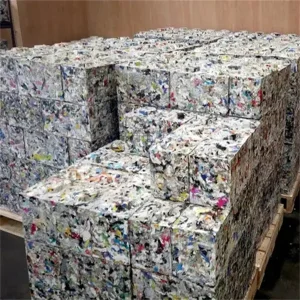
Additionally, the trend toward sustainable construction materials has favored recycled UHMWPE and HDPE sheets, aligning with strict environmental and carbon reduction policies.
In Latin America, the Middle East, and Asia-Pacific, rapid urbanization, wind farm installations, and mineral extraction projects require heavy transport and high-capacity lifting. In regions characterized by extreme environments—ranging from the dry heat of Saudi Arabia to the cold terrains of northern Canada—the thermal stability of HDPE/UHMWPE makes engineered plastic outrigger pads indispensable.
Direct-to-factory OEM customization is a major driver in these global supply chains. It enables regional companies to procure pads designed for localized soil profiles and specific equipment weight classes.
Tianjin Beyond Technology Development Co., Ltd. is a comprehensive manufacturing enterprise specializing in engineering plastic materials and precision CNC machining. Since 2015, the company has gained more than ten years of practical experience in engineering plastics manufacturing and precision CNC machining, building strong and reliable capabilities in material processing, precision control, and industrial production.
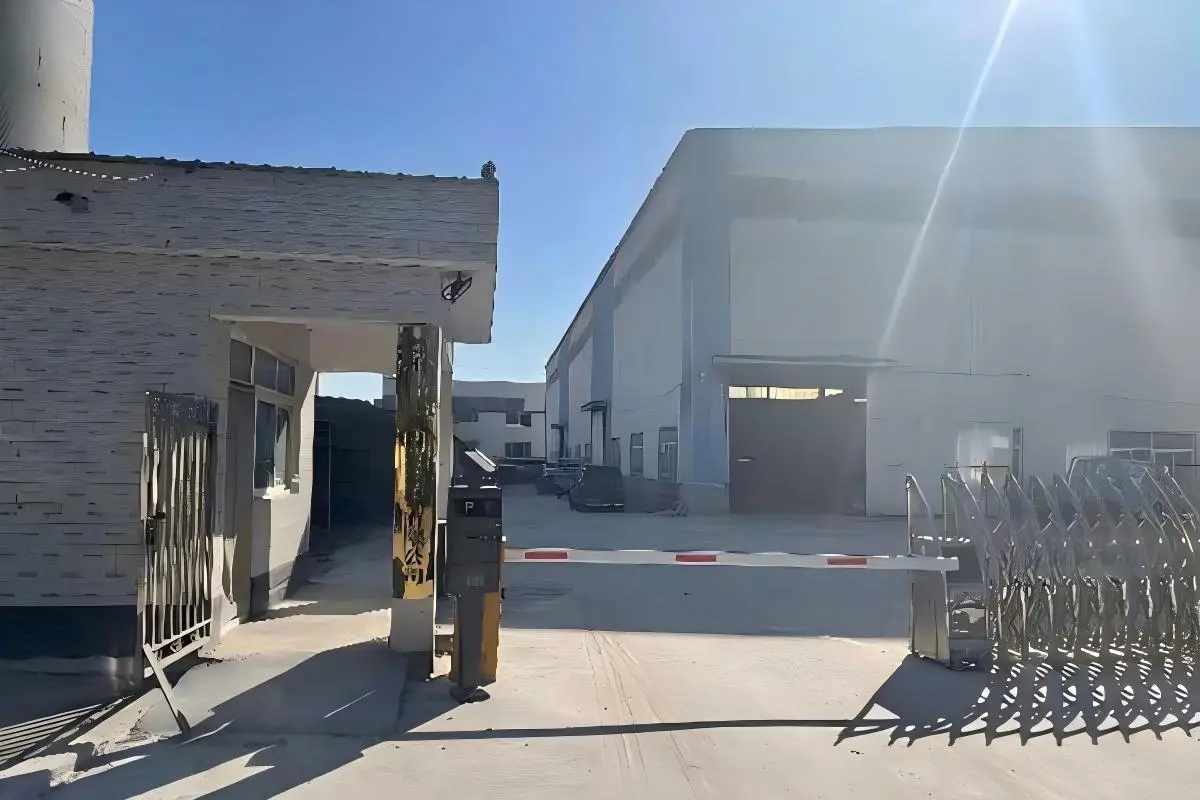
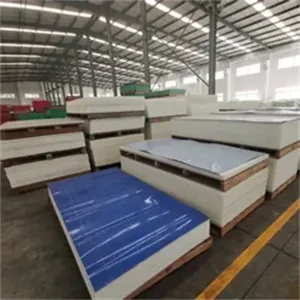
Our modern manufacturing base integrates compression molding and extrusion workshops, a precision CNC machining center, and a dedicated R&D facility. Outfitted with advanced international equipment—including compression molding and extrusion lines, gantry CNC lathes, gantry CNC milling machines, and large-scale CNC engraving systems—this integrated setup allows the company to ensure consistent quality, maintain efficient production, and deliver high-precision, large-volume, and customized products that meet the highest industrial standards.
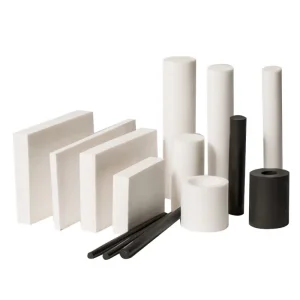
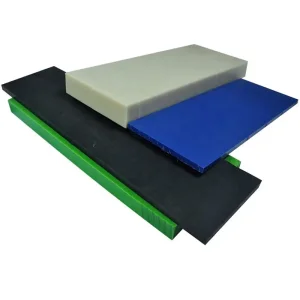
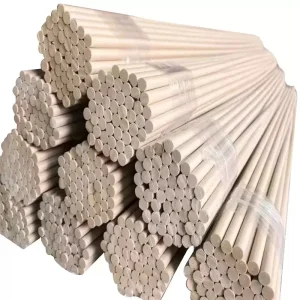
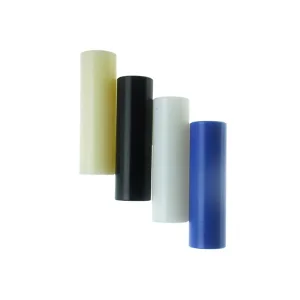
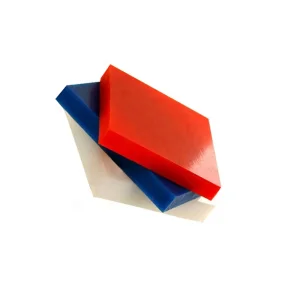
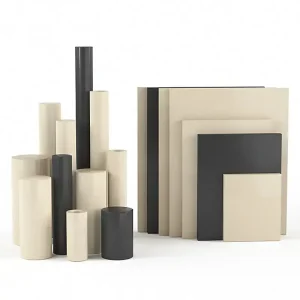
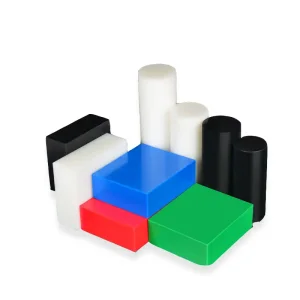
BEYOND specializes in the production of customized UHMWPE (PE1000) sheets, UHMWPE rods and UHMWPE processed parts, dock fender pads, crane outrigger pads, antistatic uhmwpe sheets, flame retardant uhmwpe sheet, radiation protection polyethylene sheets, coal bunker liner sheets, HWMPE (PE500) wear-resistant sheets, HDPE (PE300) sheets, ground protection mats, HDPE rods, PP, PVC, PA, MC Nylon, and POM Sheets.
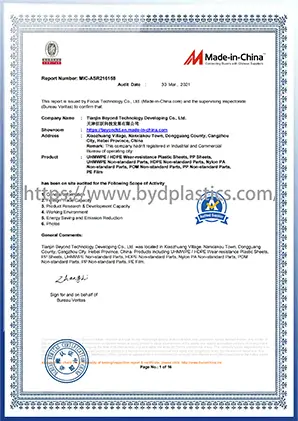
Premium products come from high-quality raw materials. Tianjin Beyond Technology Development Co., Ltd. partners with world-leading material suppliers, serving as a reliable raw material purchaser for TICONA, LG, and Sinopec. From raw materials entering the factory through production and processing to finished products, we carry out strict quality inspection and monitoring in accordance with the ISO9001 quality system, SGS, and BV standards.
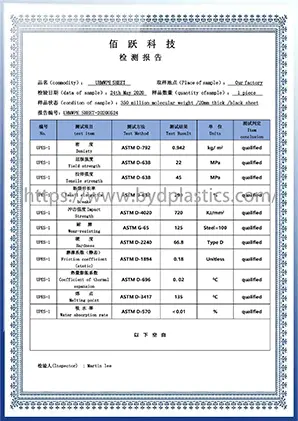
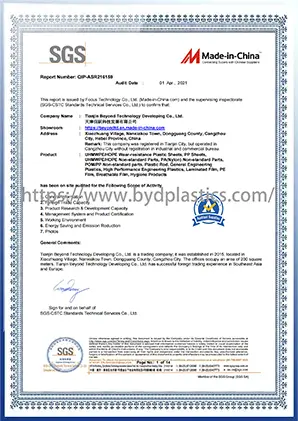
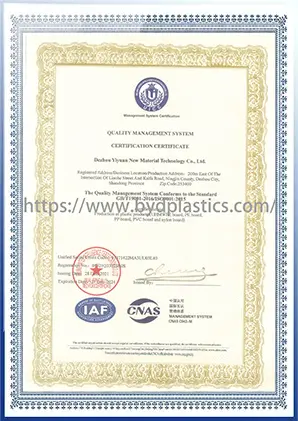
Calculating the correct outrigger pad size is critical to ensuring onsite safety and complying with engineering regulations.
To determine the required surface area ($A$) of an outrigger pad, you must know the maximum vertical load applied by the outrigger leg ($P_{max}$) and the maximum allowable ground bearing capacity of the soil ($GBC$).
For example, if a mobile crane exerts a maximum force of 30,000 kg (66,000 lbs) through one outrigger, and the soil has an estimated ground bearing capacity of 2.0 kg/cm² (approx. 28 PSI), the required pad surface area is:
Taking the square root of 15,000 cm² yields roughly 122.5 cm. Therefore, a pad size of at least 1200 mm x 1200 mm is required.
Pad thickness is just as critical as overall surface area. A pad that is too thin will simply flex under load, transferring the high point load directly through the plastic to the ground below.
Engineered outrigger pads must possess sufficient flexural stiffness to distribute the load across their entire footprint at an angle of roughly 45 degrees. At BEYOND, we use structural modeling (FEA) to determine whether a 40mm, 50mm, or 80mm thickness is needed based on the crane's outrigger foot design and material grade.
By utilizing high-grade UHMWPE (PE1000), we can often reduce the required pad thickness compared to HDPE, resulting in lighter, more manageable pads while maintaining high load ratings.
As equipment becomes larger and environmental regulations tighten, safety components like outrigger pads must evolve in step.
Future R&D at Tianjin Beyond centers on integrating bio-sourced monomers into the polyethylene polymerization chain. This will allow us to offer high-density outrigger pads with a significantly lower carbon footprint without sacrificing mechanical properties or compressive strength.
We are researching the integration of thin-film pressure sensors and RFID tracking chips within compression-molded outrigger pads. These "Smart Pads" will transmit real-time load distribution data directly to the crane operator’s cabin, warning them if ground stability deteriorates during a lift.
By co-extruding or laminating UHMWPE surfaces with glass-fiber reinforced polymer cores, we aim to design ultra-thin, high-rigidity pads. This composite design will reduce the weight of heavy-duty pads by up to 30%, improving manual handling safety for operators.
Get answers to common technical queries about industrial plastic outrigger pads, load capacities, and customization options.
 Beyond