Discover our primary line of high-performance polymer products designed for optimal wear mitigation and mechanical reliability.
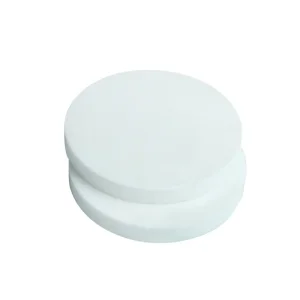
Premium virgin PTFE sheets characterized by extreme chemical inertness, high thermal stability, and an exceptionally low friction coefficient.
View Details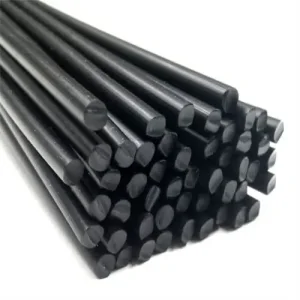
High-density UHMWPE rods with a molecular weight of 5 million g/mol, designed for demanding machining tasks and linear motion components.
View Details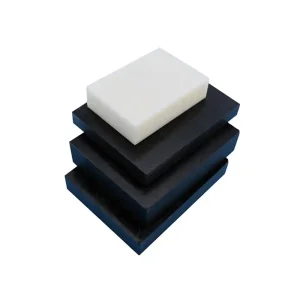
Heavy-duty wear-resistant PE plates offering low friction coefficients, high impact mitigation, and reliable structural integrity for heavy industrial chutes.
View Details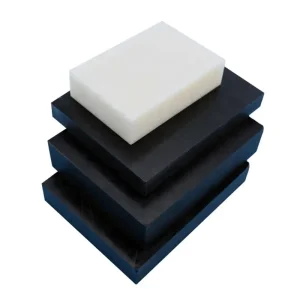
Highly crystalline acetal copolymer sheets delivering precise dimensional stability, superior mechanical strength, and reliable fatigue resistance.
View Details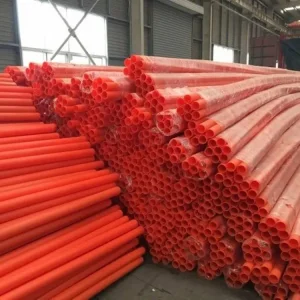
Industrial-grade slurry pipes featuring exceptional internal lubrication, minimizing friction loss and eliminating particulate accumulation during transport.
View Details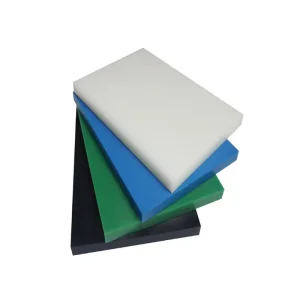
Robust UHMWPE PE1000 structural plates presenting low dynamic coefficient of friction, high energy absorption, and zero moisture uptake.
View Details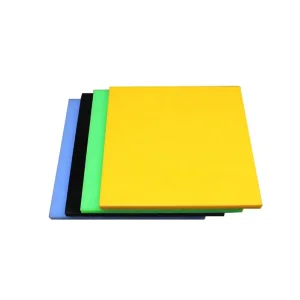
High-density polyethylene PE300 sheets featuring excellent chemical resistance, easy weldability, and suitability for tank construction.
View Details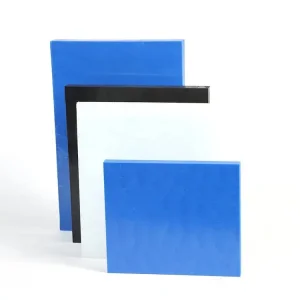
Heavy-duty cast nylon PA6 plates, exhibiting high load capacity, excellent dampening characteristics, and long-term wear endurance.
View DetailsIn mechanical engineering and industrial design, the coefficient of friction (COF, denoted as μ) is a fundamental system property that dictates energy efficiency, mechanical wear, heat generation, and component lifespan. The process of determining the coefficient of friction, known in regional markets as Үрэлтийн Коэффициент Олох, requires structured methodologies to evaluate how contact interfaces behave under dynamic and static loads.
Tribological systems involving polymers—such as UHMWPE, HDPE, POM, Nylon, and PTFE—do not possess a single, static friction value. Instead, friction is a multi-variant response influenced by sliding velocity, surface roughness (Ra), contact pressure, temperature, and lubrication status. When engineers calculate these parameters, they look for materials that demonstrate low slip-stick transitions and minimal frictional resistance. Our testing facility utilizes advanced tribometers following global standards to measure and guarantee these coefficients under realistic operating configurations.
By defining the mechanical dynamics, our engineering team can isolate the differences between static friction (μ_s)—the force required to initiate sliding—and dynamic friction (μ_k)—the force needed to sustain sliding. Minimizing the gap between these values prevents structural vibration and extends the operating intervals of industrial machinery.
Choosing the correct polymer requires comparing coefficients of friction against other structural parameters.
| Material Family | Dynamic COF (Dry, vs. Steel) | Static COF (Dry) | Max Service Temp (°C) | Primary Industrial Advantage |
|---|---|---|---|---|
| PTFE (Teflon) | 0.05 – 0.10 | 0.04 – 0.08 | 260 | Lowest possible friction, exceptional chemical resistance, high-temperature tolerance. |
| UHMWPE (PE1000) | 0.12 – 0.20 | 0.15 – 0.22 | 80 | Excellent impact strength, zero moisture absorption, self-lubricating. |
| POM (Acetal/Delrin) | 0.20 – 0.25 | 0.18 – 0.23 | 100 | High dimensional stability, high stiffness, resistance to creep. |
| Nylon PA6 (Cast) | 0.25 – 0.40 | 0.30 – 0.45 | 120 | Exceptional load-bearing capacity, noise dampening, high wear resistance. |
| HDPE (PE300/PE500) | 0.20 – 0.28 | 0.25 – 0.30 | 80 | Cost-effective, robust chemical resistance, versatile machining parameters. |
Note: Frictional values represent typical ranges tested against polished carbon steel surfaces under moderate load and ambient conditions according to ASTM D1894 protocols.
Analyzing buying criteria across the international supply chain highlights critical operational needs.
Global supply chains demand absolute certification of raw materials. We address this through batch-level testing and raw material partnerships with top-tier global polymer synthesizers like Celanese (Ticona), LG Chem, and Sinopec.
Components deployed in automation, bottling lines, or mineral extraction require strict geometric accuracy. Our CNC machining center achieves tight tolerances (+/-0.02mm) across custom configurations.
Standard polymers may not meet high-wear or electrostatic hazard conditions. We formulate custom modifications, including carbon-filled anti-static (ESD), glass-reinforced, boron-doped, and flame-retardant polymers.
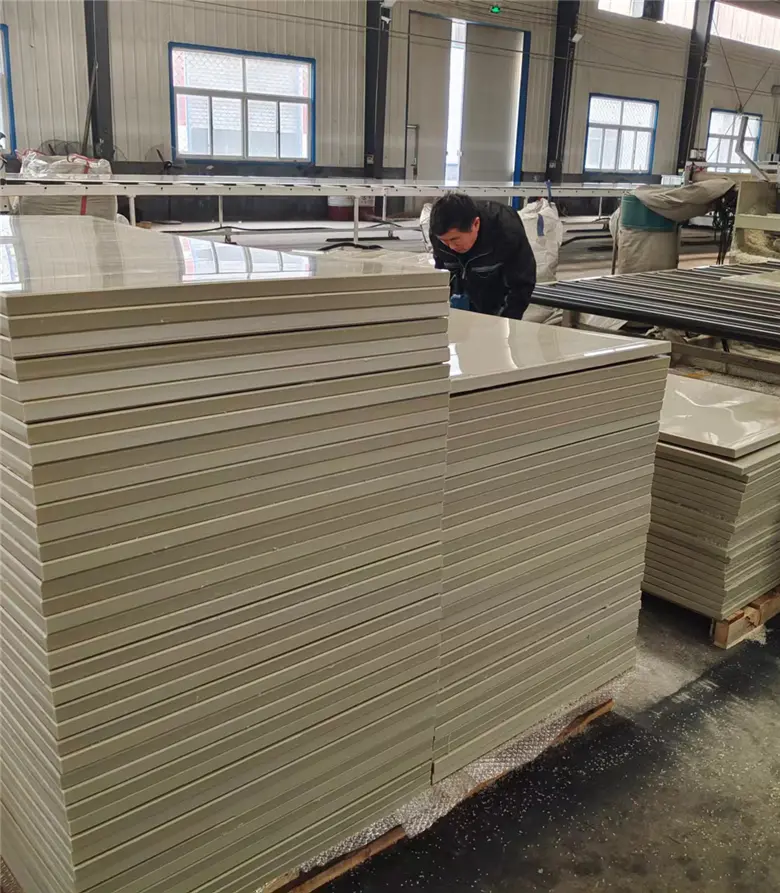
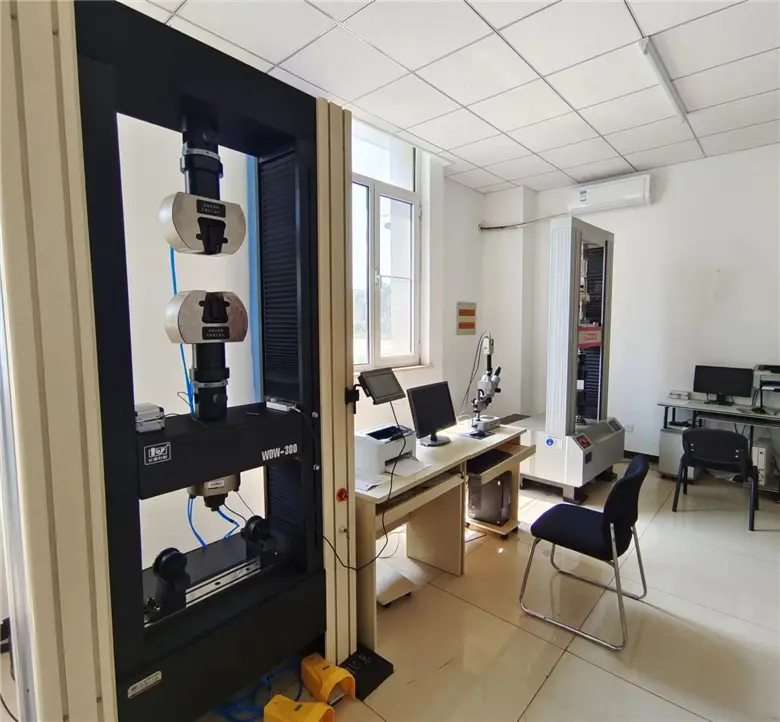
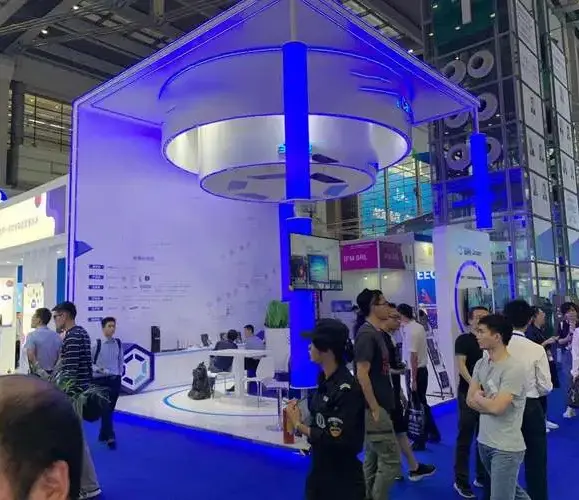
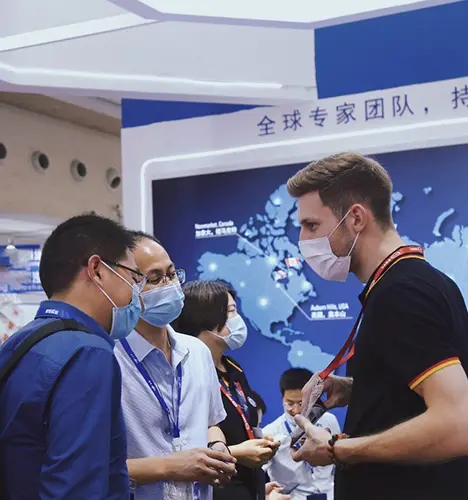
At Tianjin Beyond Technology Development Co., Ltd., we base our quality control on systematic physical and chemical testing. High-grade industrial products require pure raw materials. In engineering plastics, slight variations in raw resin grades can lead to failures under extreme stress, causing premature wear or structural breakdown.
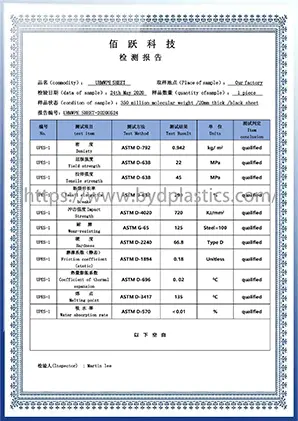
We operate an independent quality laboratory and collaborate with research institutions to analyze material parameters. Every production run undergoes density analysis, Shore hardness mapping, tensile testing, and ASTM D1894 friction measurements. Our sourcing framework involves direct procurement partnerships with leading polymer manufacturers, ensuring stable raw material supplies.
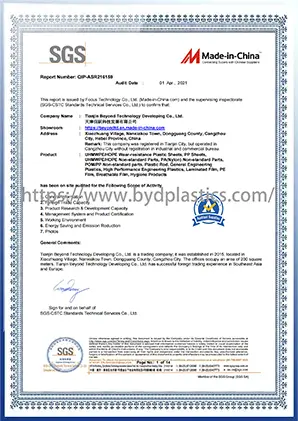
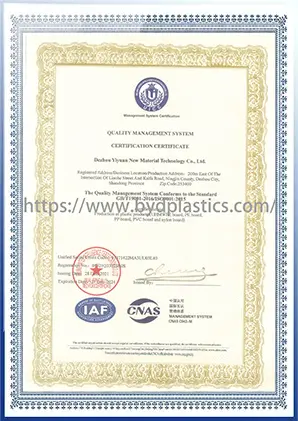
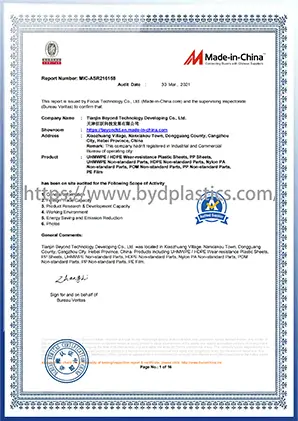
Whether producing heavy-duty HDPE road mats, self-lubricating UHMWPE guide profiles, or POM gear components, we verify mechanical, thermal, and electrical performance prior to shipment. Our certifications, including ISO 9001, SGS, and BV, reflect this commitment to production quality.
Combining large-scale capacity with precision machining to deliver consistent performance across global industrial sectors.
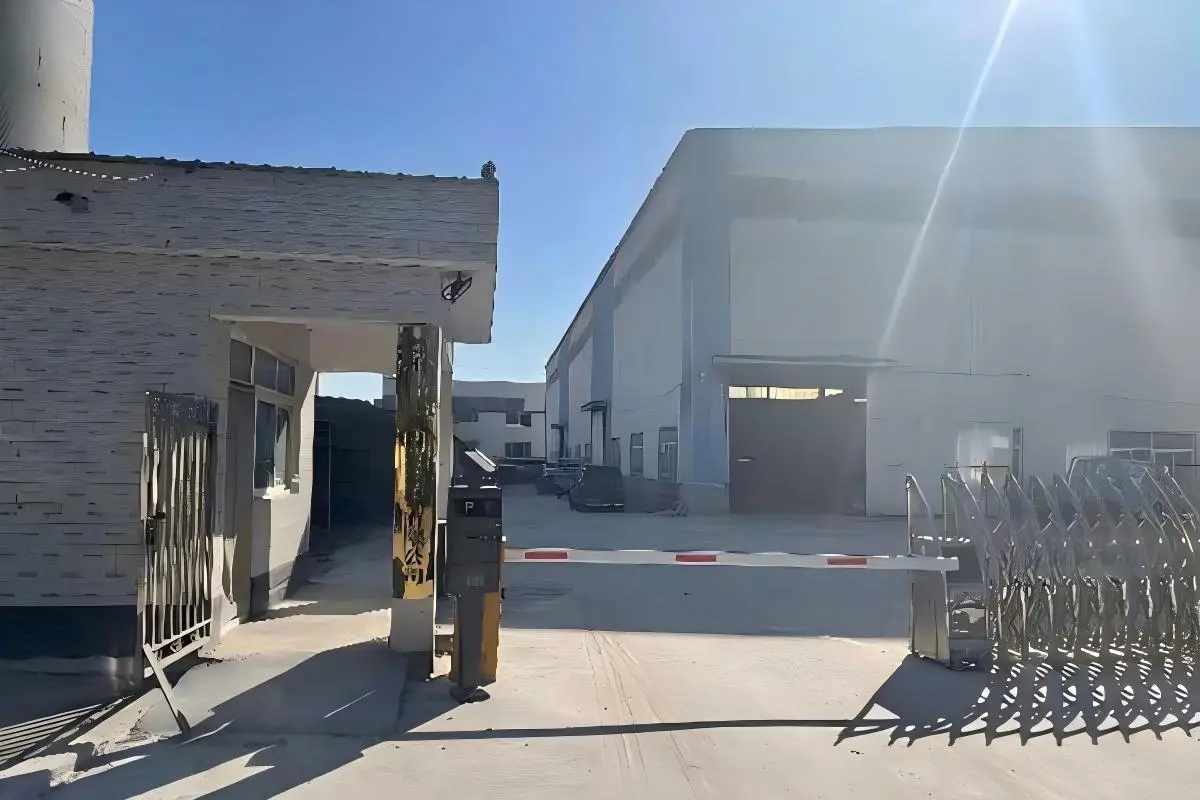
Our manufacturing complex in Tianjin spans 50,000 square meters, housing integrated compression molding, sheet extrusion, and CNC processing workshops. Equipped with modern extrusion systems, large-scale gantry CNC milling machines, and multi-axis engraving platforms, we manage the entire value chain from raw polymer formulation to finished, close-tolerance components.
This vertical integration improves material recovery, minimizes tooling setup times, and guarantees consistency between production batches. In a global market marked by logistics volatility, our production capacity and managed material stocks allow us to maintain stable lead times and protect our international partners from supply disruptions.
Deploying engineered polymers to optimize wear mitigation and lower operational costs in heavy industry.
Raw coal and mineral ores present handling challenges due to moisture and surface friction, which can cause bridging, sticking, and process slowdowns. Lining material hoppers and coal bunkers with our low-friction UHMWPE liners lowers dynamic friction and speeds up material flow. This reduces structural wear on steel frames and minimizes maintenance downtime.
Marine environments require materials that resist UV exposure, high saline corrosion, and repeated impact stresses. Our UHMWPE marine fender pads protect vessel hulls and dock structures during berthing. The material's low dynamic friction coefficient helps absorb kinetic energy without damaging contact surfaces, preventing paint damage and mechanical wear.
Heavy mobile machinery requires stable foundation support to prevent tip-overs. Our high-density polyethylene (HDPE) and UHMWPE crane outrigger pads distribute concentrated loads across larger surface areas. These lightweight, weather-resistant polymer pads replace traditional wood and steel outriggers, offering superior moisture resistance and preventing structural rot.
We process a broad range of engineering plastics to match diverse mechanical environments. Our product classes are designed for targeted performance profiles:

From raw resin preparation to structural milling, our integrated processes deliver components customized to your specifications.
How engineering polymer developments are changing industrial friction control and mechanical design.
The field of tribology is shifting toward self-adjusting polymer matrices. Standard virgin plastics face operational limits under high velocities and intense mechanical pressures. To address these demands, our engineering department focuses on composite materials that incorporate internal lubricants, like silicone oil, carbon fibers, or molybdenum disulfide (MoS2).
These advanced compounds form a consistent microscopic transfer film on opposing metallic surfaces during sliding. This film lowers dynamic friction, reduces heat generation, and minimizes slip-stick transitions, protecting mechanical drive systems from wear. We also prioritize sustainable manufacturing. By using high-performance recycled engineering plastics, we can deliver durable components that lower the carbon footprint of industrial operations without sacrificing mechanical properties.
Our certification framework ensures full alignment with demanding quality and environmental regulations.
We maintain full compliance with international standards, ensuring our engineering plastics meet global regulatory requirements for chemical composition, mechanical safety, and quality management. Our products undergo testing to comply with RoHS, REACH, and FDA standards for food contact machinery. Our testing laboratories work with international testing bodies (SGS, TUV, BV) to verify material performance under real-world conditions.
Get answers to common technical questions about the coefficient of friction testing and material selection.
Discover our secondary line of specialized materials, safety components, and heavy-duty structural plates.
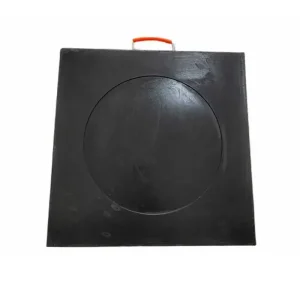
Heavy-duty structural stabilization blocks designed to distribute crane outrigger loads safely, preventing sinkage on soft ground.
View Details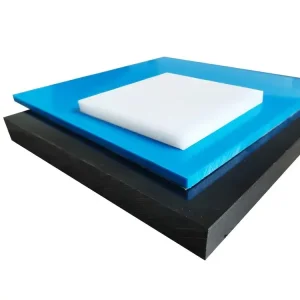
Precision extruded solid acetal plates offering high mechanical stiffness, low moisture absorption, and excellent machinability.
View Details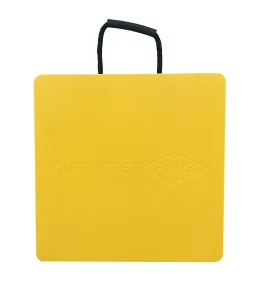
Highly portable stabilizer pads manufactured from high-molecular-weight polyethylene, designed for heavy machinery operations.
View Details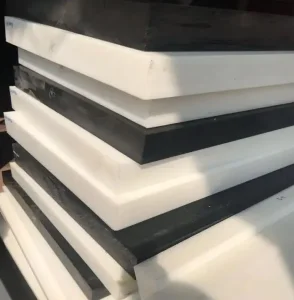
Chemical-grade virgin PP and HDPE sheets, featuring high stress-crack resistance and reliability in tank fabrication.
View Details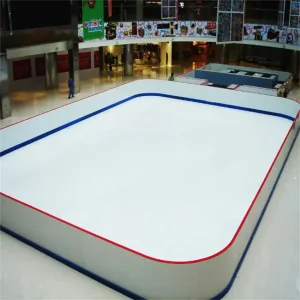
Self-lubricating synthetic ice panels designed to mimic real ice friction, offering a durable year-round skating surface.
View Details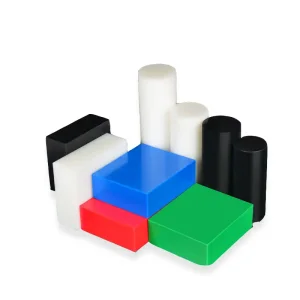
Standard size PE1000 wear plates offering high abrasion resistance and self-lubricating performance under demanding conditions.
View Details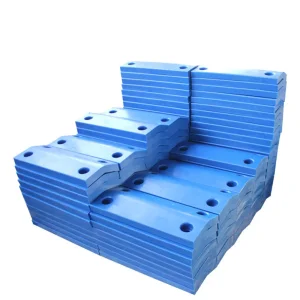
Fender wear liners designed for marine ports, offering excellent UV stability and low friction coefficients to protect hulls.
View Details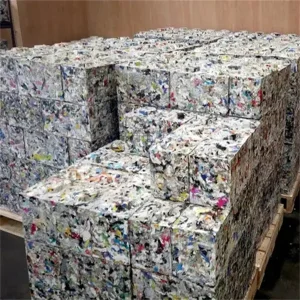
Eco-friendly polymer sheets manufactured using recycled resins, providing a balanced, cost-effective, and sustainable wear solution.
View Details Beyond