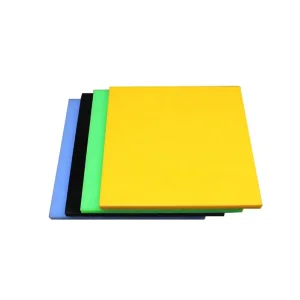
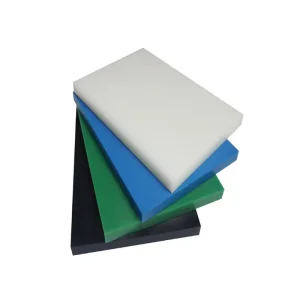
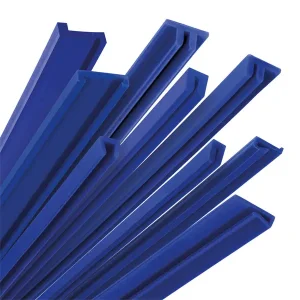
Explore our high-demand engineering plastic sheets, custom wear components, and specialized structural materials manufactured under ISO9001 quality controls.
In-depth structural, chemical, and physical optimization guide for industrial B2B procurement professionals.
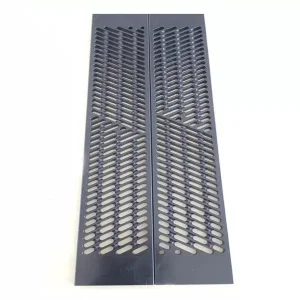
In global manufacturing, the term "Перфорированный Пластиковый Лист" (perforated plastic sheet) represents a critical component in filtration, acoustics, architecture, and bulk material handling. B2B buyers looking to "купить" (buy) these components require a deep understanding of structural load limits, polymer chemistry, and CNC machining tolerances. Perforating a thermoplastic sheet alters its mechanical properties, transforming a solid barrier into a highly functional, lightweight grid.
Selecting the right material (such as UHMWPE, HDPE, PP, or Nylon) dictates the success of your installation. Factors like chemical exposure, operating temperatures, coefficient of friction, and UV stability must align with the material's molecular configuration. At Tianjin Beyond Technology Development Co., Ltd., we fuse material science with precise CNC perforation techniques to deliver components that meet strict international regulations.
When plastics are perforated, the edges are subjected to localized thermal and mechanical stress. Unlike metal, which can work-harden, plastics can suffer from micro-crazing if incorrect drill speeds or punch pressures are applied. Utilizing high-speed CNC routing rather than standard mechanical punching ensures micro-fissure-free hole perimeters, maintaining the raw material's native impact strength.
Different polymers serve distinct functional needs. The table below highlights the mechanical differences of our core products used in custom perforation lines:
| Polymer Type | Density (g/cm³) | Tensile Strength (MPa) | Max Operating Temp (°C) | Key Industrial Strength |
|---|---|---|---|---|
| UHMWPE (PE1000) | 0.93 - 0.95 | 22 - 28 | 80 | Exceptional sliding wear resistance, high impact strength. |
| HDPE (PE300) | 0.95 - 0.96 | 20 - 30 | 120 | Excellent moisture resistance, food contact safe (FDA). |
| Polypropylene (PP) | 0.90 - 0.91 | 30 - 38 | 100 | High chemical resistance, rigid structural profile. |
| Nylon (PA6/MC) | 1.13 - 1.15 | 60 - 80 | 120 | High mechanical strength, load bearing capacity. |
| POM (Delrin) | 1.41 - 1.42 | 65 - 70 | 90 | Dimensional stability, precise machining tolerances. |
A comprehensive overview of our production assets, quality assurance milestones, and raw material partnerships.
Founded in 2015, Tianjin Beyond Technology Development Co., Ltd. has evolved into a premier manufacturing destination for precision engineering plastics. Our facility houses advanced compression molding and extrusion lines, large-scale CNC engraving systems, gantry lathes, and milling centers. This integration allows us to execute projects from raw powder formulation to intricate perforated sheet designs under one roof.
By partnering with leading material suppliers like TICONA (Celanese), LG Chem, and Sinopec, we guarantee the chemical integrity of our plastics. This is vital when supplying industries requiring certificates of conformity (COA) and global compliance reports (SGS, BV, ISO9001).
How our infrastructure benefits procurement operations worldwide, ensuring consistency and cost-efficiency.
We perform systematic inbound material analysis and mid-production tolerances checks, delivering detailed COA reports with every shipment.
Our raw material stockpiles and parallel CNC operations drastically cut manufacturing timelines for large-scale municipal and industrial tenders.
From CAD draw interpretation to custom hole geometries (round, square, hexagon, slotted), we handle all machining requirements.
Modern procurement teams do not just buy materials; they manage risk. Sourcing perforated plastic panels involves matching mechanical parameters to site-specific environmental conditions. For instance, when designing drainage filters for deep-sea berths or acidic storage hoppers, specifying the exact grade of UHMWPE or PP determines whether the installation lasts 2 years or 20 years.
Through our logistics and customs support teams, we provide complete transparency. We handle customs declarations, export compliance certificates, and offer robust wooden-crate packaging options to prevent shipping deformation.
A closer look at how perforated sheets resolve engineering challenges across diverse operating sectors.
Perforated Polypropylene (PP) and PVC sheets are highly valued in chemical etching lines, plating barrels, and waste treatment facilities. Unlike stainless steel, which degrades when exposed to concentrated hydrochloric or sulfuric acid, PP remains chemically inert. CNC-milled round holes allow chemical baths to drain efficiently while containing smaller parts.
High-density polyethylene (HDPE) perforated panels are widely integrated into roadside sound barriers and engine compartment acoustic linings. The perforations act as a Helmholtz resonator network, scattering sound waves and reducing echo. The sheets also withstand harsh outdoor weathering and UV exposure.
Food-grade HDPE and POM sheets with customized open-area ratios are used in sorting tables, grain elevators, and industrial cheese mold presses. The smooth surface resists bacteria propagation and allows high-pressure washdowns with aggressive sanitizing agents.
The global push for carbon footprint reduction is driving demand for recycled-content engineering plastics. Tianjin Beyond is at the forefront of this shift, offering mixed-density recycled sheets that maintain high abrasion and impact resistance, helping industrial projects reach LEED and regional environmental certification targets.
Technical guidance to assist design engineers and purchasing managers in specifying perforated plastic panels.
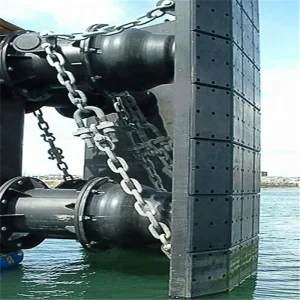
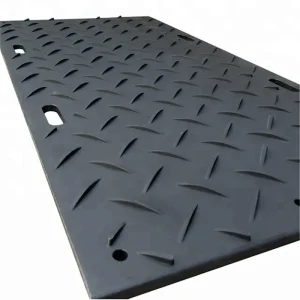
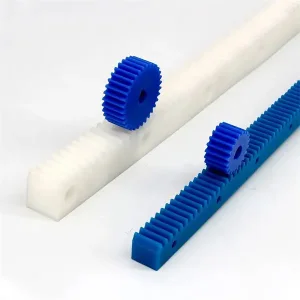
Browse our specialized product selection, including marine dock pads, protective ground sheets, and customized mechanical gears.
 Beyond