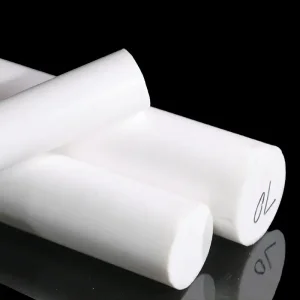
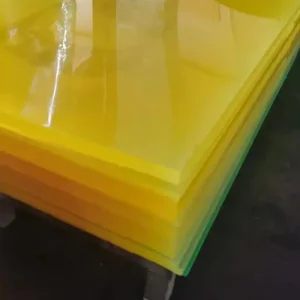
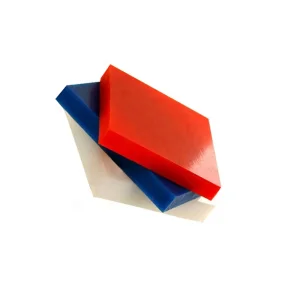
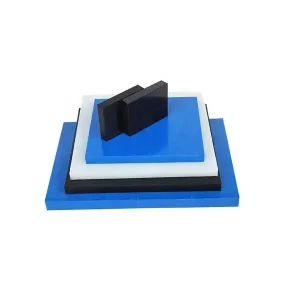
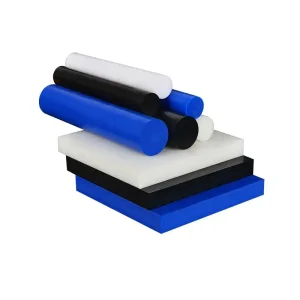
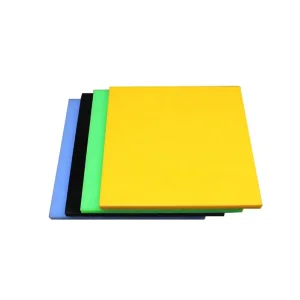
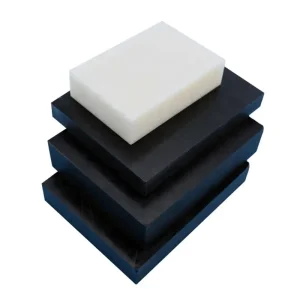
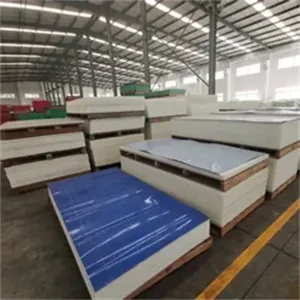
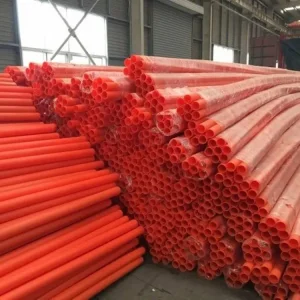
High-grade wear plates, rods, and custom CNC engineered profiles directly from our primary manufacturing base.
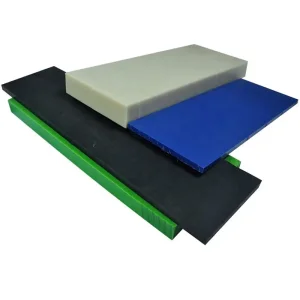
In modern manufacturing, selecting the right engineering plastic represents the difference between severe mechanical failure and optimal long-term lifecycle performance. High-Density Polyethylene (HDPE), recognized widely as PE300 in its basic configuration, stands alongside its high-molecular-weight siblings (HWMPE/PE500 and UHMWPE/PE1000) as the foundation of heavy-duty industrial operations. If you are assessing where to buy high density polyethylene manufacturers, it is vital to look beyond simple commodity pricing. The modern search criteria must target chemical purity, strict crystallization controls, dimensional tolerance capabilities, and verifiable regulatory certificates.
Tianjin Beyond Technology Development Co., Ltd. presents this comprehensive industrial whitepaper to support procurement directors, systems engineers, and quality assurance personnel. Our objective is to deliver deep insights into processing standards, physical behaviors under mechanical stress, application landscapes, and the technical roadmaps of tomorrow's advanced structural plastics.
| Property Parameter | HDPE (PE300) | HWMPE (PE500) | UHMWPE (PE1000) |
|---|---|---|---|
| Molecular Weight (Average g/mol) | ~300,000 | ~500,000 | 3,000,000 to 9,000,000+ |
| Abrasion Wear Resistance | Moderate (Standard) | High (Good slide wear) | Exceptional (Industry benchmark) |
| Impact Strength (Charpy) | No Break / Tough | High toughness | Highest energy absorption |
| Density Value (g/cm³) | 0.94 - 0.96 | 0.95 - 0.96 | 0.93 - 0.94 |
| Key Structural Formats | Extruded Sheet / Welding Rods | Pressed sheets | Compression Molded Panels |
The global high-density polyethylene market is currently undergoing a massive structural shift. Driven by rigorous infrastructure developments, severe mineral extraction demands, and strict ecological mandates, modern operations require polymers that can withstand aggressive chemical exposure without mechanical degradation. Raw materials are sourced directly from global petrochemical leaders, including TICONA, LG, and Sinopec. This ensures a consistent molecular chain structure from the source.
China's manufacturing corridors, centered around strategically positioned facilities such as Tianjin, act as key global distribution hubs. By integrating comprehensive shipping routes with robust local supply networks, direct manufacturers can ship premium-grade materials worldwide with minimal lead times. B2B procurement professionals must look for suppliers that maintain vast raw polymer stocks, which insulate the end client from market disruptions and fluctuating energy indices.
Tianjin Beyond Technology Development Co., Ltd. has established a 50,000-square-meter manufacturing footprint equipped to produce custom and standardized components that replace traditional structural metals. The industrial challenges solved by our material engineering teams include:
Our manufacturing facility features a fully integrated pipeline that guarantees reliability from material formulation to high-tolerance CNC finish.
Factory Area (m²)
Years Field Experience
Technical Engineers
R&D Patents & Experts
To achieve high precision, Tianjin Beyond utilizes advanced international tooling. Our equipment lineup includes compression molding lines, extrusion lines, gantry CNC lathes, gantry CNC milling systems, and large-scale CNC engraving systems. This technical range allows us to deliver tight-tolerance components for complex engineering designs, including:
Heavy Equipment Road Mats and Ground Protection Mats are critical for construction projects located in wetland environments or unstable urban zones. In these applications, the structural integrity of the temporary road directly impacts crew safety. By using extruded HDPE sheets and boards, field managers can build temporary access routes that support transport vehicles while protecting the underlying soil from environmental damage.
Flow stagnation inside coal bunkers and industrial silos can halt entire processing operations. Utilizing coal bunker liner sheets made of UHMWPE prevents blockages. The material's low coefficient of friction and hydrophobic surface properties allow wet bulk solids to flow freely, eliminating costly downtime.
Port structures require fender systems that can absorb high-energy impacts from heavy shipping vessels. Traditional rubber or timber blocks wear out quickly under exposure to salt water and marine organisms. Tianjin Beyond's OEM UHMW marine fender face pads provide long-lasting protection with low maintenance, protecting the structural integrity of ports worldwide.
For international sourcing managers, verifying a supplier's compliance is a critical step in risk management. Tianjin Beyond adheres to the guiding principle of "Quality + Speed + Service = Value". From raw material input to the dispatch of finished products, every stage of production is monitored according to ISO 9001 quality management structures. Our QA protocol includes:
This methodical approach ensures that every shipment meets high safety standards and is accompanied by certified Certificates of Analysis (COA), minimizing procurement risk.
The engineering plastics sector is focusing heavily on sustainability and functional additives. Tianjin Beyond's R&D efforts are focused on three main research areas:
Answers to key technical questions from procurement officers and engineering leads.
Explore our full line of materials, including wear-resistant sheets, flame-retardant PP, and custom outrigger plates.
 Beyond