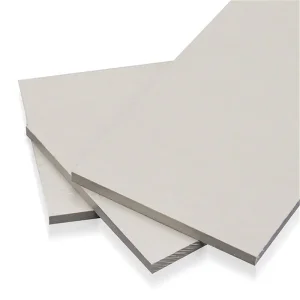
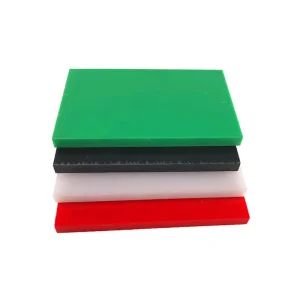
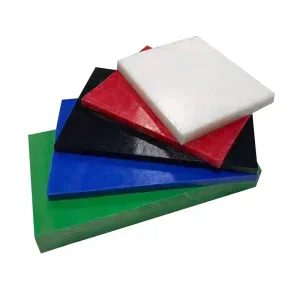
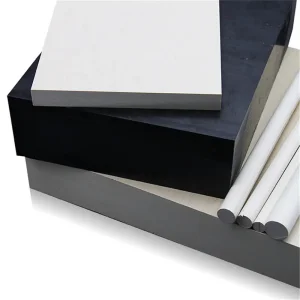
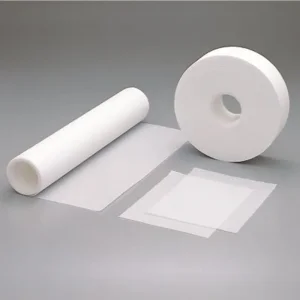
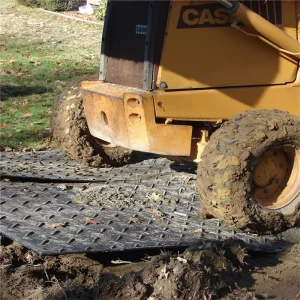
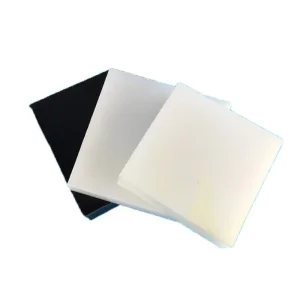
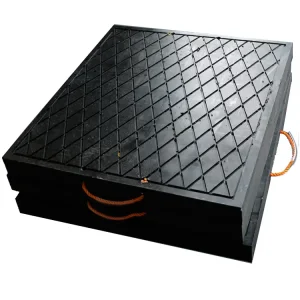
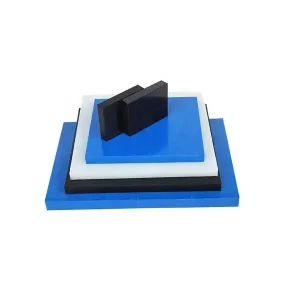
High-durability UHMWPE, HDPE, PU, and customized industrial sheets, rods, and heavy equipment components engineered to global mechanical specifications.
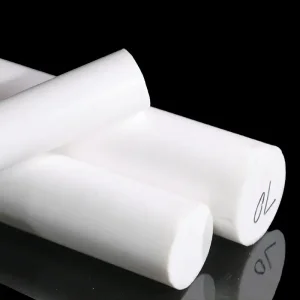
High-Density Polyethylene (HDPE) is a thermoplastic polymer produced from the monomer ethylene. Structurally, it is characterized by its minimal branching, which allows its polymer chains to pack tightly together. This high degree of crystallinity (ranging from 70% to 80%) gives rise to a density of 0.941 g/cm³ to 0.965 g/cm³, which is significantly higher than Low-Density Polyethylene (LDPE). Consequently, HDPE rods offer superior mechanical tensile strength, stiffness, impact tolerance, and chemical inertness.
When specified for heavy industrial machining, OEM HDPE rods act as structural substitutes for traditional metallic, ceramic, or lower-grade polymeric elements. Their lack of water absorption (<0.01% under ASTM D570 standards) ensures excellent dimensional stability in high-humidity or marine applications. Furthermore, the material possesses excellent electrical insulation properties, characterized by high dielectric strength, rendering it suitable for electronic shielding and electrical isolators.
| Property Parameter | HDPE (PE300) Standard | UHMWPE (PE1000) Standard | PP (Polypropylene) Standard | Testing Protocol |
|---|---|---|---|---|
| Density (g/cm³) | 0.95 - 0.96 | 0.93 - 0.94 | 0.90 - 0.91 | ISO 1183 / ASTM D792 |
| Tensile Strength at Yield (MPa) | 22 - 32 | 20 - 22 | 30 - 38 | ISO 527 / ASTM D638 |
| Elongation at Break (%) | > 300% | > 350% | > 100% | ISO 527 / ASTM D638 |
| Flexural Modulus (MPa) | 1000 - 1400 | 800 - 1000 | 1200 - 1600 | ISO 178 / ASTM D790 |
| Water Absorption (%) | < 0.01 | < 0.01 | < 0.01 | ISO 62 / ASTM D570 |
| Continuous Service Temp (°C) | -50 to 80 | -150 to 85 | 0 to 100 | UL746B / DIN 53446 |
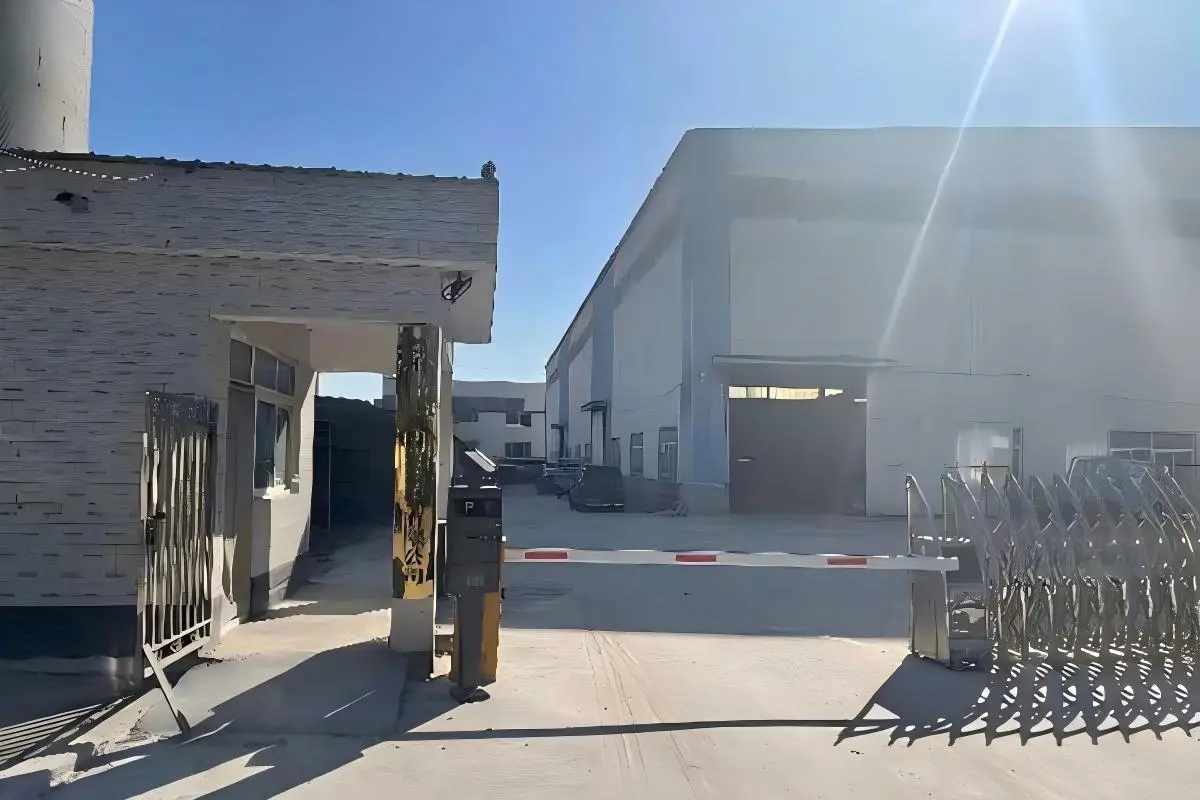
Tianjin Beyond Technology Development Co., Ltd. is a comprehensive manufacturing enterprise specializing in engineering plastic materials and precision CNC machining. Since 2015, the company has gained more than ten years of practical experience in engineering plastics manufacturing and precision CNC machining, building strong and reliable capabilities in material processing, precision control, and industrial production.
Our manufacturing capabilities focus on the manufacturing of UHMWPE, HDPE, PP, and PVC sheets and rods, as well as a wide range of custom non-standard engineering plastic components and precision metal CNC machined parts, providing flexible and application-oriented solutions for diverse industrial requirements.
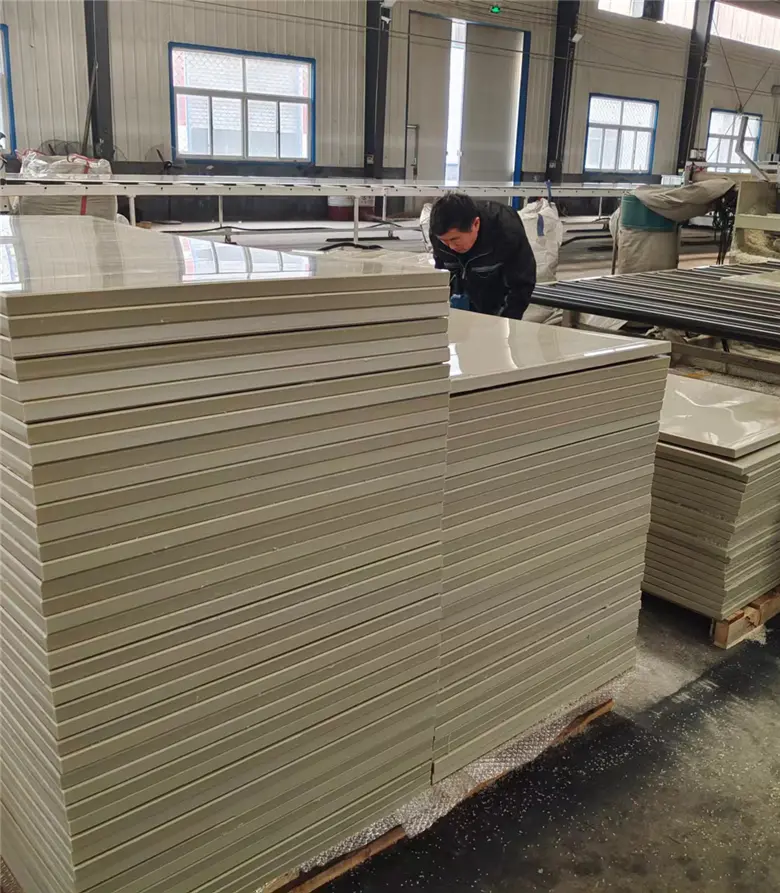
BEYOND’s manufacturing base spans approximately 50,000 square meters and integrates compression molding and extrusion workshops, precision CNC machining centers, and dedicated R&D facilities. Outfitted with advanced international equipment—including compression molding and extrusion lines, gantry CNC lathes, gantry CNC milling machines, and large-scale CNC engraving systems—this integrated setup allows the company to ensure consistent quality, maintain efficient production, and deliver high-precision, large-volume, and customized products that meet the highest industrial standards.
Factory Covers (m²)
Field Experiences (Years)
Technical Staff
Research & Development (R&D)
Procuring OEM HDPE rods from BEYOND provides substantial economic and logistical competitive advantages. Leveraging China's robust industrial plastics infrastructure, we integrate high-speed extrusion lines with advanced downstream CNC machining, reducing intermediate transport costs and tooling lead times. This allows global distributors and OEMs to maintain lean inventory pipelines.
Tianjin Beyond has established long-term strategic raw material agreements with world-leading chemical suppliers, including TICONA, LG, and Sinopec. This direct chemical integration ensures that the virgin resin granules used in our extrusion lines have highly uniform melt flow indexes and molecular weight distributions, which prevents internal voiding or structural stresses in our HDPE rods.
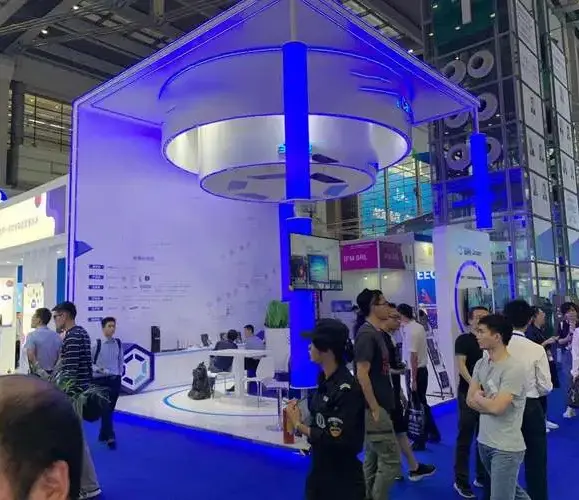
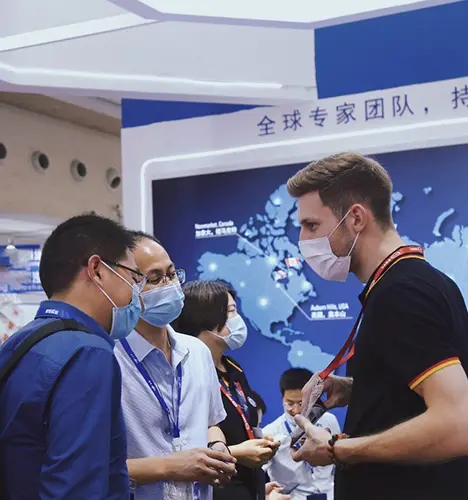
For global buyers, our proximity to the Tianjin Port—the largest port in Northern China—allows for streamlined maritime shipping. This logistics efficiency translates directly into lower container transit times and reduced shipping rates to key hubs in North America, Europe, Southeast Asia, and the Middle East.
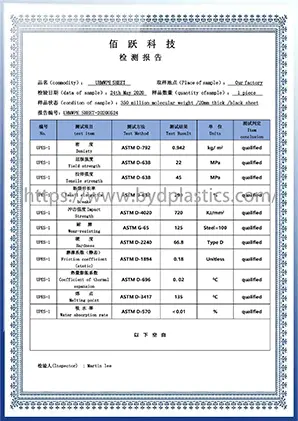
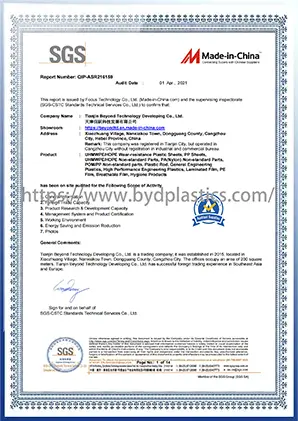
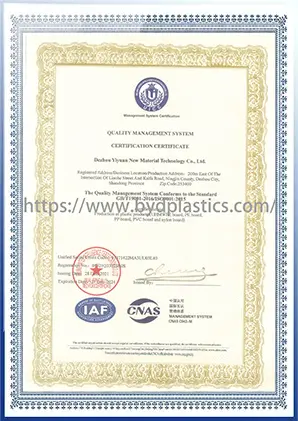
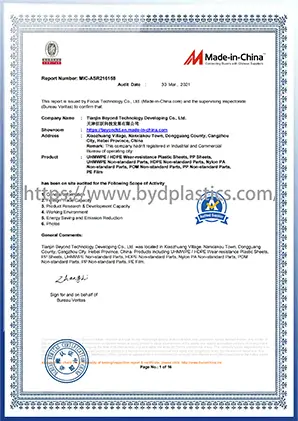
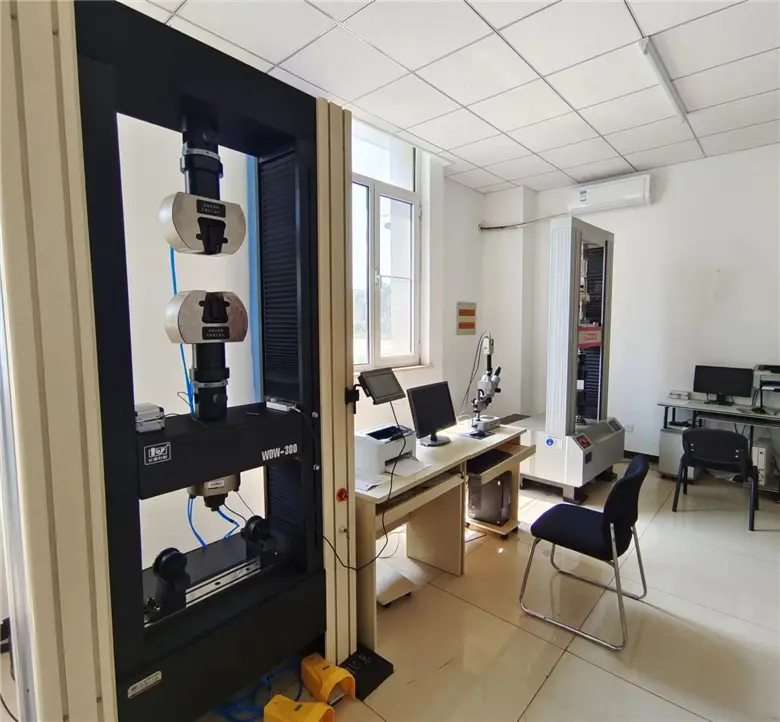
Premium products come from high-quality raw materials. We have built a comprehensive testing laboratory to inspect every production batch. From raw material receipt to extrusion, machining, and final packaging, our quality control process adheres to ISO 9001:2015 frameworks. Our engineering staff carries out regular assessments, including density checks, melt mass-flow rate (MFR) tests, and ultrasonic scanning of large-diameter rods to verify the absence of microscopic voids.
Additionally, we partner with specialized suppliers like Ya’an Times Biotech Co., Ltd., located in Ya’an, Sichuan, where the altitude varies from 525 meters to 7555 meters. The diverse landforms and ambient temperatures provide an ideal growth environment for high-quality pure natural raw materials used in specialized applications.
The raw material oils used in the production of essential oils, food, and cosmetics are a critical division of our broader sourcing strategy. These include camellia oil, eucalyptus oil, turmeric oil, and pepper oil. Times Biotech selects raw materials under strict standards, managing the production and extraction process to guarantee premium oils that satisfy the highest industry specifications.
Due to their versatility, HDPE rods are deployed across several specialized sectors worldwide. By utilizing high-precision CNC turning, industrial developers convert these rods into components tailored for challenging operational environments.
Used to produce wear strips, harbor bumpers, marine fender bushings, and pile slide plates. HDPE's resistance to saltwater, marine organisms, and UV degradation guarantees long-term durability in coastal zones.
Machined into chemical valve seats, acid pump impellers, flange rings, and fluid guide blocks. HDPE's exceptional resistance to concentrated acids, bases, and organic solvents prevents chemical stress cracking.
Turned into scrolls, star wheels, conveyor rollers, and guides. Meeting FDA food contact compliance standards, HDPE does not support bacterial growth, resists industrial sanitizers, and operates without lubrication.
Machined into high-durability filter components, water supply manifolds, scraper guides, and seals. Zero moisture absorption ensures the parts maintain precise tolerances and mechanical properties when submerged.
Processed into wear blocks, track plates, and outrigger support structures. The material's high load distribution and low coefficient of friction protect steel components from abrasive metal-on-metal wear.
Used for structural insulators, cable spacers, and conduit sleeves. Its high dielectric strength and resistance to moisture entry prevent short circuits and electrical tracking in challenging outdoor environments.
The global engineering plastics market is transitioning toward circular materials and smart additives. In the field of HDPE manufacturing, research focuses on enhancing the material's thermal thresholds and mechanical load limits without compromising recyclability.
1. Post-Consumer & Post-Industrial Recycling Integration: The demand for eco-friendly materials has led to the development of co-extruded HDPE rods. These rods feature a high-purity virgin outer shell for precise machining tolerances, combined with an inner core made from recycled plastics. This design helps minimize environmental impact.
2. Micro-structural Nanocomposite Reinforcement: Incorporating glass microspheres, carbon fibers, or graphene nanoplatelets into the HDPE matrix enhances its mechanical modulus and lowers its coefficient of thermal expansion, making it suitable for high-precision components.
3. Additive Masterbatches: Advanced compounding techniques allow us to integrate specialized UV stabilizers, anti-static agents, and flame-retardant additives directly into the polymer chain. This custom formulation satisfies demanding requirements like the UL94 V0 rating.
Expert technical answers addressing key questions on processing, machining, and deploying HDPE rods in industrial applications.
Tianjin Beyond aims to exceed your expectations and serve as your trustworthy industrial partner. We adhere to the principle: “Quality + Speed + Service = Value.” From raw material receipt, production, and processing to the finished product, we maintain strict quality control and monitoring according to ISO 9001 standards.
We implement a comprehensive inspection process that includes testing raw materials, performing random checks during production, and issuing Certificates of Analysis (COA) for finished products. This structured quality management system prevents non-compliant materials from leaving our facility, ensuring consistent and reliable delivery to our customers.

Explore our range of standard and flame-retardant industrial materials, including PP, PU, Nylon, and POM options.
 Beyond