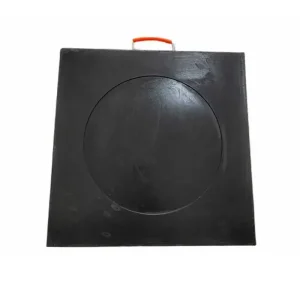
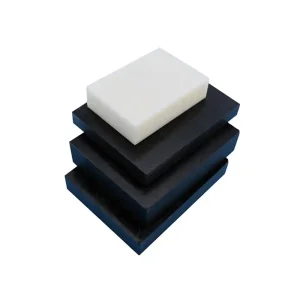
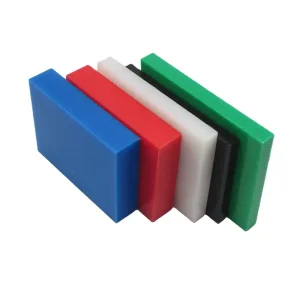
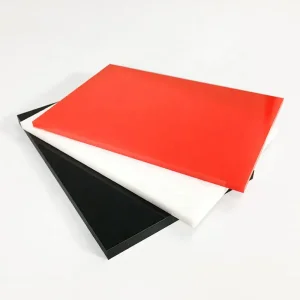
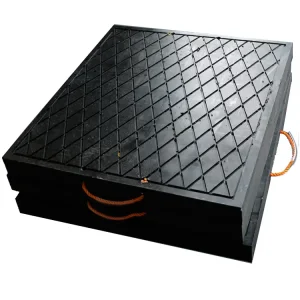
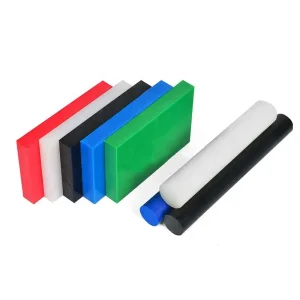
Modern port infrastructure demands fender systems capable of withstanding the immense hydrodynamic forces of large vessels. OEM PE Marine Fender Facing Panels (primarily engineered from Ultra-High Molecular Weight Polyethylene - UHMWPE) serve as the critical interface between the vessel hull and the port infrastructure.
By utilizing materials with extremely low friction coefficients and high energy absorption rates, these panels mitigate sheer stress on the fender structure itself, minimizing wear and preventing potential hull damage. The structural integrity of a dock relies directly on the capability of these panels to distribute impact loads uniformly across rubber components or steel frames.
"Without high-performance facing panels, the friction generated during vessel berthing would degrade the rubber fender units rapidly, leading to expensive downtime and catastrophic failures."
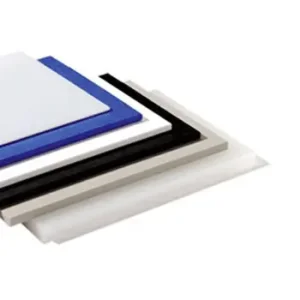
Choosing the right grade of polyethylene is paramount to engineering a long-lasting marine fender system. Below, we compare the physical properties of UHMW-PE (PE1000), HMW-PE (PE500), and High-Density Polyethylene (HDPE/PE300) to assist engineering consultancies and port procurement departments.
| Property Parameter | UHMWPE (PE1000) | HMWPE (PE500) | HDPE (PE300) |
|---|---|---|---|
| Molecular Weight (g/mol) | 4.5 Million - 9.2 Million | approx. 500,000 | approx. 300,000 |
| Friction Coefficient (Dynamic) | 0.10 – 0.15 (Dry on Steel) | 0.15 – 0.20 | 0.20 – 0.25 |
| Abrasion Resistance (Sand-Slurry Test) | Excellent (100 base) | Moderate (approx. 250) | Low (approx. 400) |
| Impact Strength (kJ/m²) | No Break (Double notched) | ≥ 80 | ≥ 25 |
| UV Stabilization (Carbon Black / Additive) | Standard High formulation | Medium formulation | Base formulation |
UHMWPE (PE1000) is highly recommended for commercial ports with heavy shipping traffic, where vessels constantly berth under rough sea conditions. Its self-lubricating surface guarantees minimal friction, preserving vessel hulls and eliminating the need for grease. HDPE (PE300) and HMWPE (PE500) serve as cost-effective alternatives for inland waterways, recreational marinas, or secondary protective strips where mechanical stresses are significantly lower.
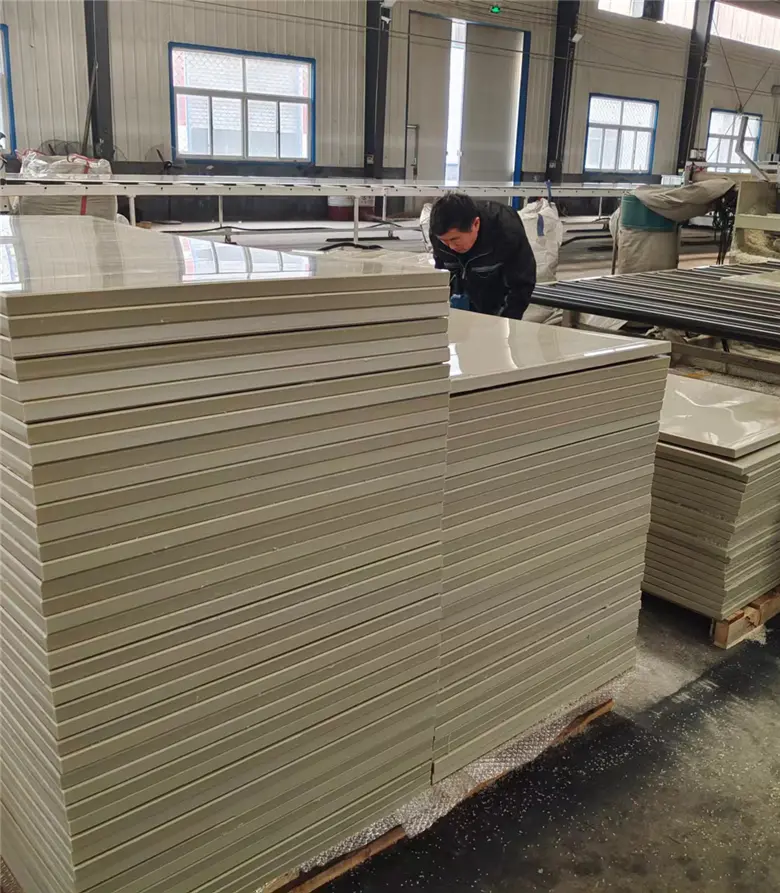
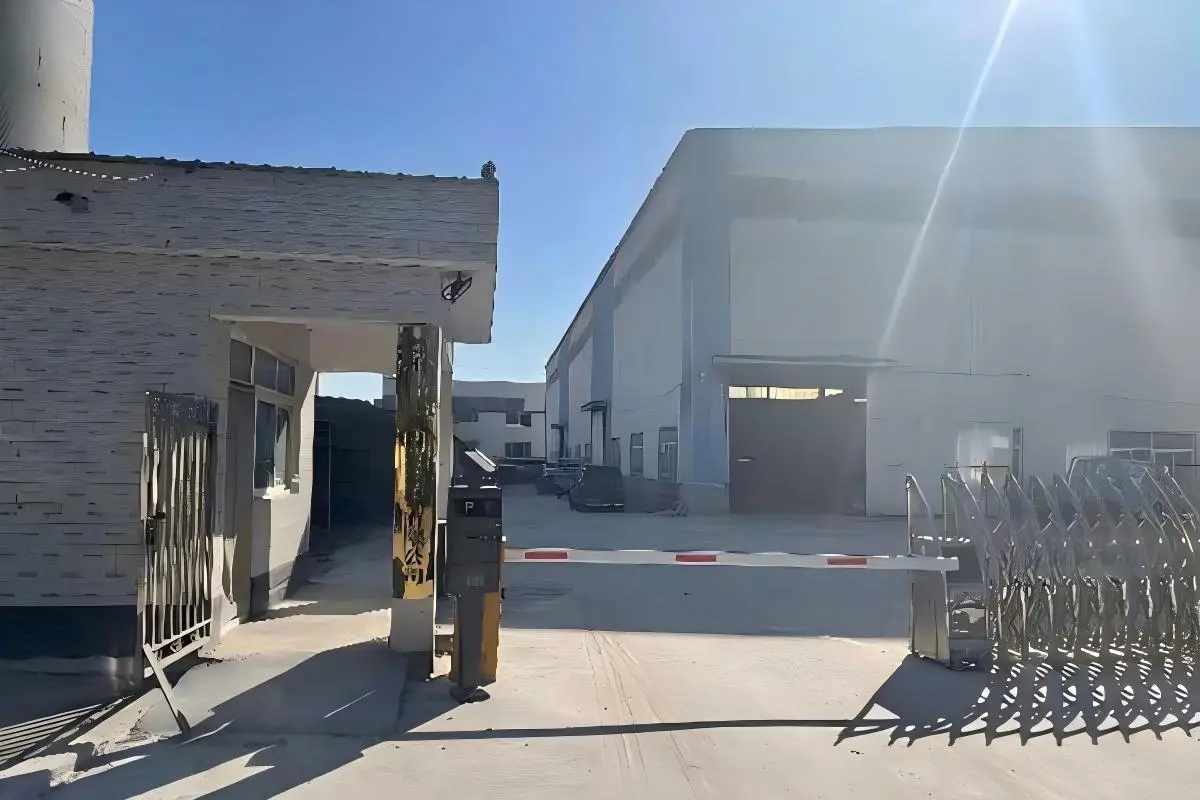
Tianjin Beyond Technology Development Co., Ltd. operates a state-of-the-art 50,000 square meter factory dedicated to processing and CNC machining of engineering plastics. Our facility houses some of the industry’s most advanced compression molding presses and CNC machining centers.
Partnering directly with a premier Chinese engineering plastics manufacturer like Tianjin Beyond provides distinct advantages for global engineering contractors, marine consultants, and port authorities:
We are a high-quality raw material purchaser of world-renowned polymer producers, including TICONA, LG, and Sinopec. This strong relationship ensures we procure 100% pure raw resins at scale, guaranteeing the consistency of molecular weight and properties of the finished panels.
By integrating compression molding, CNC machining, and quality assurance under one roof, we eliminate intermediary processing costs. This integrated model provides our clients with highly competitive pricing without compromising E-E-A-T manufacturing standards.
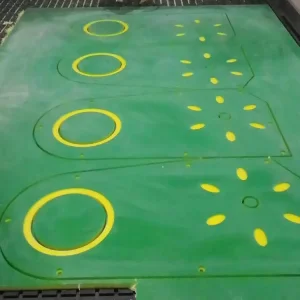
From custom 3D drawing interpretation to complex hole patterns, beveling, counterbores, and curve fabrication, our onsite machining centers handle the entire production pipeline. This reduces logistics risks and shortens the lead time significantly.
Large-scale maritime projects require absolute compliance with international engineering specs. Global procurement officers face distinct challenges: verifying raw material purity, ensuring impact performance at extremely low temperatures, and confirming dimensions.
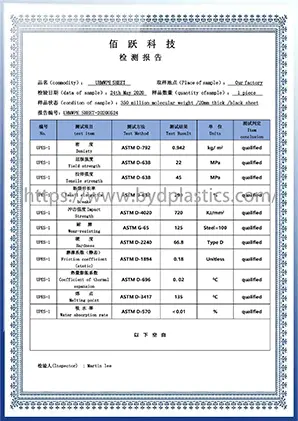
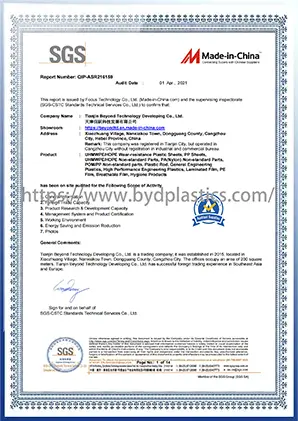
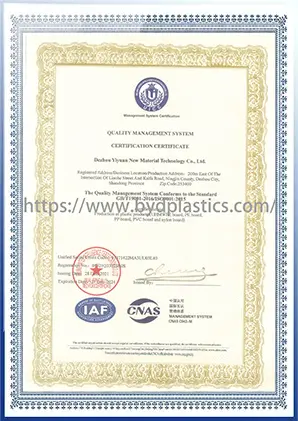
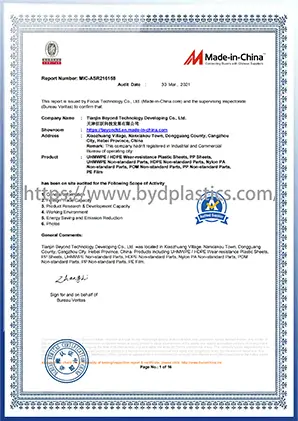
At Tianjin Beyond, we implement a strict quality inspection protocol aligned with ISO9001, SGS, and BV requirements. Every batch of OEM Marine Fender Panels comes with detailed material testing reports (MTRs), confirming:
International marine installations must adapt to localized environmental regulations and engineering codes. Our engineers design and optimize products to satisfy:
Our fender facing panels are tested and certified to comply with PIANC (World Association for Waterborne Transport Infrastructure) standards. This ensures compatibility with global port specifications.
Whether for arctic LNG terminals or equatorial bulk cargo berths, our panels resist degradation. We formulate specialized UV stabilizers and thermal inhibitors to maintain flexibility and load capacity.
We provide localized engineering support. We assist EPC contractors with tailored drawing revisions, optimal counterbore designs, and fastening suggestions to prevent bolt shearing.
The marine construction industry is moving towards sustainable, high-performance materials. As a leading manufacturer, Tianjin Beyond is driving these trends:
We develop high-performance recycled and hybrid PE sheets. These panels utilize clean post-industrial polymer waste, drastically reducing the carbon footprint of port projects while maintaining exceptional abrasion resistance.
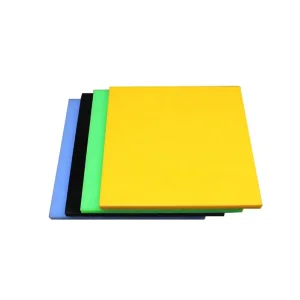
Our co-extruded or fused dual-color layers provide visual indicators for wear. Once the bright colored indicator core is exposed, maintenance crews can easily schedule replacements before steel components interface with hulls.
By blending lubricants directly into the PE matrix, we provide self-lubricating panels with dynamic friction coefficients of less than 0.1, making them optimal for fast-moving passenger vessel berths.
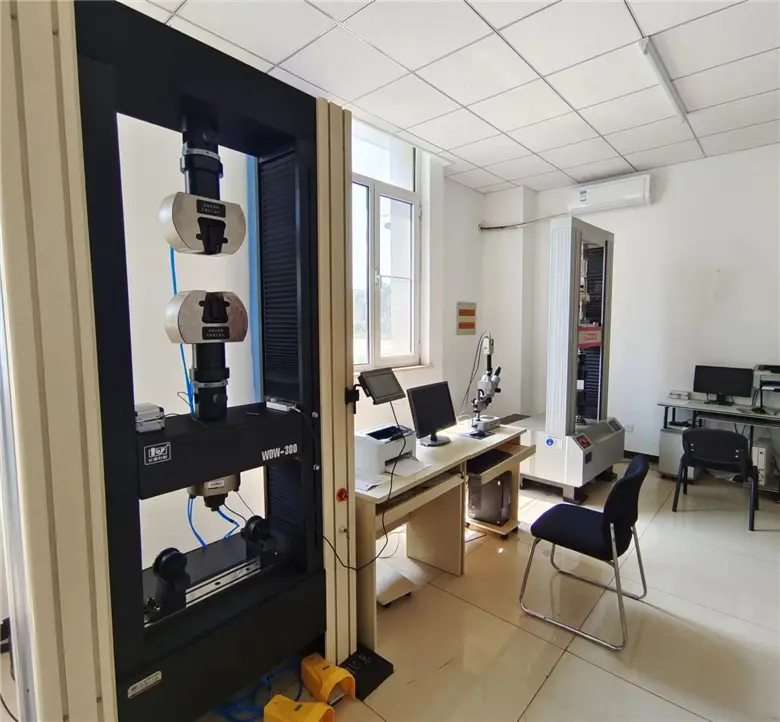
Tianjin Beyond maintains an independent materials testing laboratory and a seasoned R&D team consisting of materials engineers and polymer specialists. We collaborate with national engineering universities to refine polymer properties and process controls continually.
Our ISO9001, SGS, and BV credentials highlight our dedication to consistent quality, timely deliveries, and reliable customer service. By managing our materials from raw resins to custom CNC profiles, we provide our global clientele with unmatched assurance.
 Beyond