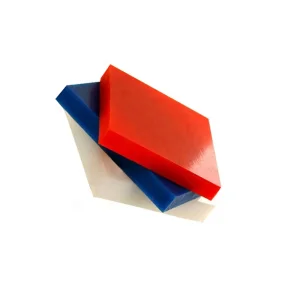
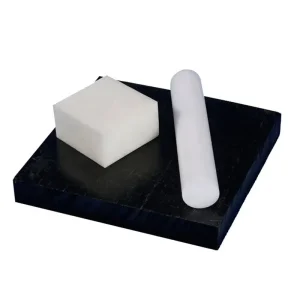
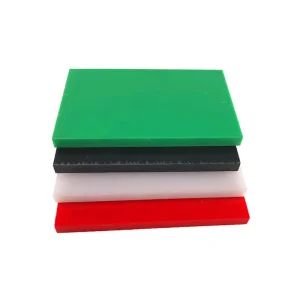
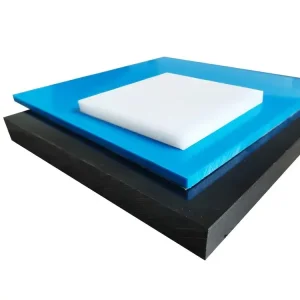
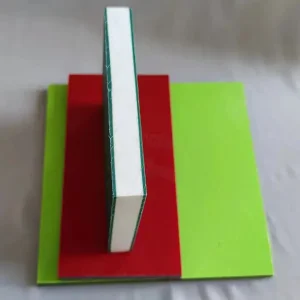
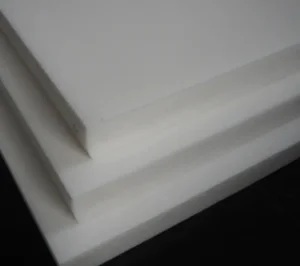
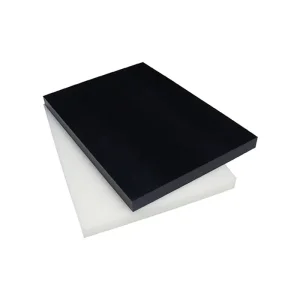
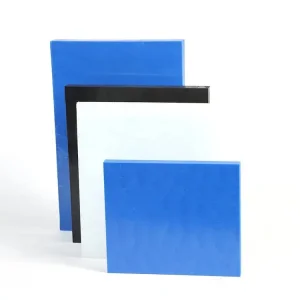
Polyethylene (PE) represents the cornerstone of modern industrial polymers. However, not all PE sheets are synthesized equally. A 100% Virgin Polyethylene sheet refers exclusively to polymer material derived directly from petrochemical synthesis processes, completely untouched by previous usage, thermal recycling, or reprocessing cycles. In demanding engineering environments, virgin molecular structures guarantee properties that recycled matrices simply cannot match.
Recycled materials undergo repeated heat histories during processing. Each extrusion cycle shears the long polymer chains, decreasing the average molecular weight, increasing polymer branch density, and drastically reducing impact strength, wear resistance, and long-term environment stress cracking resistance (ESCR). Our 100% virgin materials maintain the pristine, high-molecular alignment essential for harsh chemical environments and high-load mechanical interfaces.
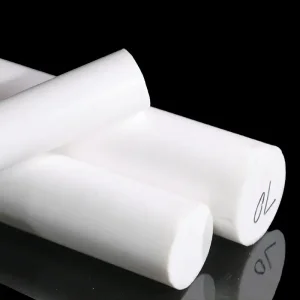
Characterized by a molecular weight ranging between 3 to 9 million g/mol, Ultra-High Molecular Weight Polyethylene offers unmatched wear resistance, near-zero friction coefficient, self-lubricating properties, and exceptional low-temperature resistance. Ideal for industrial liners, scraper blades, and marine fenders.
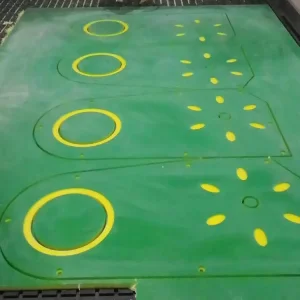
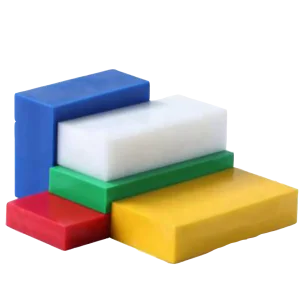
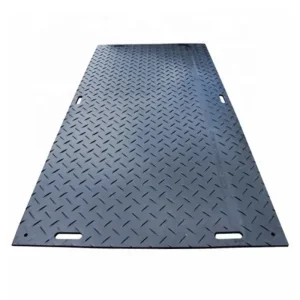
High-Density Polyethylene features a linear chain structure offering superb chemical resistance, food safety, high tensile strength, and rigidity. Widely utilized in custom-fabricated chemical storage containers, dual-color playground equipment, and structural heavy-equipment road mats.
We modify raw virgin polymers to introduce anti-static capabilities (for explosive and electronics environments), flame retardancy (complying with UL94 V-0 classification), radiation shielding, and UV-stabilization for deep outdoor installations.
As standard-compliant manufacturing parameters shift globally, virgin PE sheets find critical applications across diverse sectors. Here is how our advanced manufacturing pipelines serve strategic international industries:
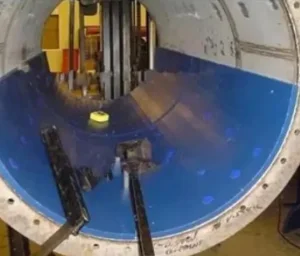
In coal silos, dump truck beds, and chute systems, abrasion represents a major operational bottleneck. Our custom compression-molded UHMWPE liners offer a low-friction surface that eliminates bulk cargo sticking ("carry-back") and reduces machinery structural wear, allowing smooth flow under extreme industrial configurations.
Seaports are subjected to continuous saltwater exposure, heavy abrasion, and massive impact forces. Our custom UHMWPE dock fender pads absorb impact from docking vessels while ensuring low friction slide, completely replacing high-maintenance steel or decaying wood structures.
Unstable ground conditions damage heavy machinery and sensitive environments. Our high-strength HDPE ground protection mats support crawler cranes, transport fleets, and excavation rigs across soft clays or marshy terrain, ensuring structural safety while lowering restoration costs.
| Property Parameter | UHMWPE (PE1000 Virgin) | HDPE (PE300 Virgin) | Recycled Polyethylene (PE) |
|---|---|---|---|
| Molecular Weight (g/mol) | ~3.5 Million – 9 Million | ~300,000 – 500,000 | < 150,000 (Degraded) |
| Density (g/cm³) | 0.93 – 0.94 | 0.95 – 0.96 | 0.92 – 0.94 (Inconsistent) |
| Abrasion Index (Steel = 100) | 8 – 15 | 35 – 50 | > 70 (Fast Wear) |
| Coefficient of Friction (Dynamic) | 0.10 – 0.15 | 0.20 – 0.25 | 0.30 – 0.40 |
| Water Absorption (%) | < 0.01 | < 0.01 | < 0.05 (Impurity micro-pores) |
Since 2015, Tianjin Beyond Technology Development Co., Ltd. has established itself as an engineering plastics powerhouse. Through our expansive 50,000 square meter integrated facility, we combine basic chemical formulation, raw sheet production, and precision CNC processing into a streamlined, high-yield system.
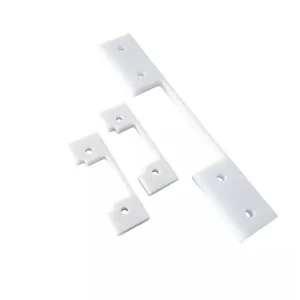
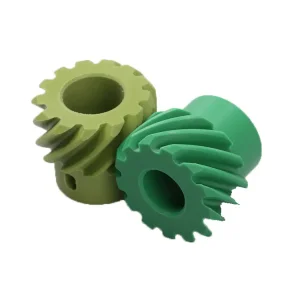
Outfitted with modern compression molding presses, high-speed sheet extrusion lines, and large-scale gantry CNC milling machines, we produce engineering materials of impeccable flatness and structural integrity. Our processing center handles custom requirements from simple profiles to highly complex gears and non-standard mechanical structural components.
Quality originates at the material core. We maintain direct purchasing arrangements with premier global polymer giants, including TICONA, LG, and Sinopec. These long-term raw material supply pipelines ensure that every gram of resin processed conforms strictly to molecular purity and chemical compliance standards.
Operating under ISO 9001, SGS, and BV frameworks, our quality control process spans from incoming raw materials inspection, in-production monitoring, to comprehensive finished goods testing. Certified Certificates of Analysis (COA) accompany our products, guaranteeing that no sub-standard sheet leaves our docks.
Modern commercial frameworks mandate strict alignment with global ecological directives. At Tianjin Beyond, our engineering plastic processing aligns with zero-hazard directives and high recyclability designs.
All our virgin PE materials are certified free from BPA, phthalates, and restricted heavy metals, meeting strict FDA criteria for direct food contact (ideal for cutting boards and food sorting machinery). Furthermore, our formulations comply with European RoHS and REACH regulations.
Our raw polyethylene polymer chains maintain intrinsic chemical inertness. It does not leach toxins into underground water reservoirs, nor does it degrade when exposed to harsh industrial acids, bases, or corrosive marine ecosystems. This makes it an ideal lining material for sustainable engineering.
We are actively developing wear-resistant nanocomposites that incorporate carbon nanotubes for superior anti-static parameters, as well as bio-derived PE raw matrices to lower our overall industrial carbon footprint without compromising the ultimate strength of virgin polyethylene chains.
Find answers to critical technical questions regarding the performance, installation, and modification of virgin polyethylene sheets.
 Beyond