Premium quality extruded and compression-molded sheets, wear strips, and components configured for extreme industrial environments.
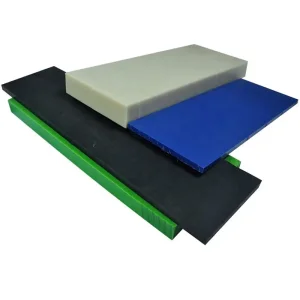
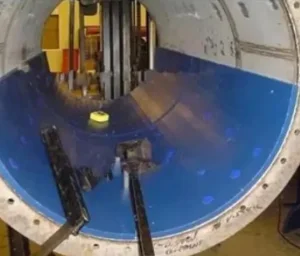
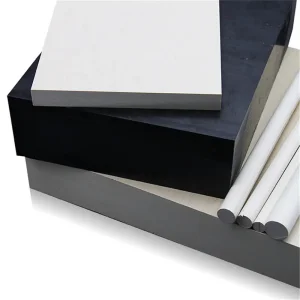
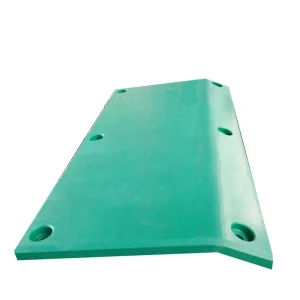
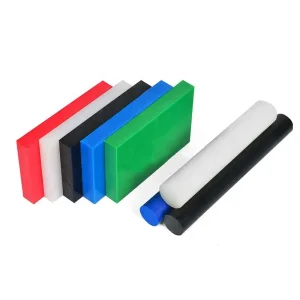
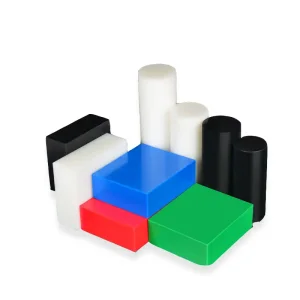
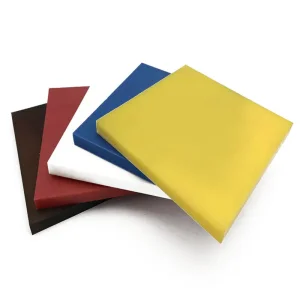
As the global shipping sector scales up with larger post-Panamax container ships, LNG carriers, and bulk vessels, port infrastructure faces unprecedented mechanical stress. The interaction between vessel hulls and docking terminals demands highly sophisticated energy absorption and wear-resistant systems. Among these, the frontal facing of dock fender systems serves as the primary contact interface. In recent decades, a macro-industry transition has occurred, moving away from legacy materials like tropical hardwood, structural steel, or elastomeric rubber faces towards high-density engineering thermoplastics.
Specifically, Ultra-High Molecular Weight Polyethylene (UHMW-PE) has emerged as the definitive material choice. The reasons are rooted in mechanical physics. With a molecular mass ranging from 4.5 million to over 9 million g/mol, UHMWPE offers an extraordinarily low coefficient of dynamic friction (0.10 to 0.15) combined with near-zero moisture absorption. These properties mitigate the shear forces generated during vessel berthing and sliding, protecting both the vessel’s hull coatings and the underlying structural rubber fender elements.
From an asset-lifecycle perspective, the installation of high-quality UHMWPE marine fender pads translates directly to decreased maintenance costs, minimal berth downtime, and extended service intervals. For port operators, harbor authorities, and marine engineers, selecting the right wholesale supplier and manufacturer is a critical procurement decision that directly impacts operational safety, regulatory compliance, and long-term return on investment (ROI).
The supply chain for marine-grade UHMWPE is highly specialized. Unlike standard commercial-grade high-density polyethylene (HDPE), genuine marine-grade UHMW-PE 1000 requires strict molecular weight verification and compounding processes. Globally, top-tier manufacturers must rely on premium base resin supplies from global chemical leaders, including TICONA (Celanese), LG Chem, and Sinopec. This guarantees that the polymer chains are long enough to provide the characteristic impact strength and wear resilience required under maritime stress.
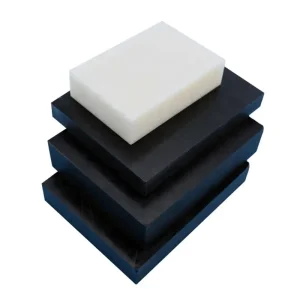
The manufacturing process itself is divided into compression molding and extrusion:
Tianjin Beyond Technology Development Co., Ltd. utilizes an integrated manufacturing infrastructure spanning approximately 50,000 square meters. By housing both advanced compression molding presses and precision CNC machining centers under one roof, we eliminate intermediate logistics steps. This allows us to supply international maritime contractors with customized, chamfered, counter-bored, and pre-drilled fender pads ready for immediate installation onto steel frontal panels.
Selecting the correct material requires deep analytical evaluation. Below is an engineering comparison of the primary polymer grades used in maritime docking configurations, highlighting the superior performance profile of UHMW-PE (PE1000).
| Property Parameter | UHMW-PE (PE1000) | HMW-PE (PE500) | HDPE (PE300) | Nylon PA6 | Legacy Hardwood |
|---|---|---|---|---|---|
| Molecular Weight (g/mol) | 4.5M – 9.2M | 0.5M – 1.0M | < 0.3M | N/A (Polyamide) | Natural Organic |
| Coeff. of Dynamic Friction | 0.10 – 0.15 | 0.20 – 0.25 | 0.25 – 0.30 | 0.35 – 0.42 | 0.45 – 0.60 |
| Abrasion Resistance (Sand-slurry test) | 100 (Index Base) | 250 (Lower performance) | 350 | 180 | Rapid deterioration |
| Moisture Absorption (%) | < 0.01% | < 0.01% | < 0.03% | 1.5% – 3.0% (Swells) | Variable / High |
| Impact Strength (kJ/m²) | No Break (Double notched Charpy) | 60 – 80 | 15 – 25 | 10 – 15 | Brittle crack risk |
| UV Degradation Resistance | Excellent (Stabilized/Carbon Black) | Good | Moderate | Poor to Moderate | Natural decay |
Marine environments vary dramatically by latitude. A fender pad deployed in the sub-zero temperatures of an Arctic LNG terminal requires completely different design tolerances than one installed in a tropical equatorial container port.
Sub-Zero Arctic Operations: Standard plastics become brittle and prone to cracking under high-velocity impacts in cold environments. UHMW-PE maintains high ductility and impact toughness at temperatures as low as -150°C. Our formulation ensures that the polymer structure does not undergo transition phase shifts, allowing ships to berth safely in frozen waters without risking brittle catastrophic failure of the facing pad.
Tropical High-UV Areas: Ultraviolet radiation in equatorial regions degrades unstabilized polyolefins, leading to surface cracking, chalking, and loss of tensile properties. Tianjin Beyond incorporates specialized chemical UV-stabilizers (hindered amine light stabilizers - HALS) and high-dispersion carbon black into our raw material blends. This prevents photo-oxidation, preserving structural integrity over decadal lifespans under intense sunlight.
Equipped with large-scale gantry CNC milling, routing, and engraving systems, we deliver tolerances down to ±0.1mm. We support custom counter-boring configurations, chamfered edge profiling to prevent vessel snagging, and complex curved geometry configurations for cone fenders.
We source premium grade resins from TICONA, LG, and Sinopec. Every production run undergoes melt flow index (MFI) verification, density analysis, and molecular weight distribution testing to guarantee structural reliability.
Operating under strict ISO9001, SGS, and BV certifications. Our 50,000+ sqm factory is equipped with internal laboratories conducting continuous tensile, shore D hardness, and abrasion resistance tests.
In global marine construction projects, adherence to strict compliance parameters is non-negotiable. Marine engineers rely on guidelines set by the Permanent International Association of Navigation Congresses (PIANC). PIANC guidelines dictate that fender facing plates must not cause damage to hull hulls and must withstand high shear and compressive loads without cracking.
Tianjin Beyond ensures full compliance by implementing a multi-stage Quality Assurance (QA) workflow:
The engineering requirements of modern harbors are continuously evolving, and the technology of marine-facing pads is advancing alongside them. Tianjin Beyond is at the forefront of this research. Our development roadmap includes:
Expert technical answers to common queries regarding marine fender facing pad selection, machining, and application.
UHMW-PE (PE1000) has a much higher molecular weight (typically 4.5 to 9 million g/mol) compared to PE500 (0.5 million g/mol) and HDPE (under 0.3 million g/mol). This extremely high molecular weight results in long, entangled polymer chains that provide excellent impact strength and abrasion resistance. PE1000 does not split or crack even when subjected to intense impact shear loads from ocean vessels, whereas lower grade plastics are prone to brittle failure.
Water absorption causes swelling, which alters the physical dimensions of the pads and can result in internal stresses that lead to structural failure or loose fastening bolts. UHMWPE has a water absorption rate of less than 0.01%, making it virtually hydrophobic. It maintains dimensional stability and physical properties in salt water and under constant submersion.
To prevent contact between a vessel's steel hull and the fender pad's mounting bolts, counter-bored holes are required. This allows the bolt heads (often heavy duty stainless steel or galvanized studs) to sit well below the sliding wear surface of the UHMWPE pad. The design must also allow for thermal expansion and contraction, as polymers have a higher coefficient of linear thermal expansion than steel.
Unstabilized UHMWPE can degrade under intense UV exposure, causing the polymer chains to break down and leading to surface embrittlement. To prevent this, marine-grade UHMWPE is compounded with carbon black (usually 2-3%) and UV stabilizers. These additives absorb and dissipate the harmful UV wavelengths, ensuring a service life of over 15 years in high-sunlight locations.
Yes, UHMWPE is recyclable. Recycled UHMWPE sheets offer a cost-effective and environmentally friendly option for applications that do not require maximum impact strength. However, for critical marine berths handling large vessels, virgin PE1000 is recommended. Virgin material ensures a high molecular weight with no foreign inclusions, providing predictable and consistent physical properties.
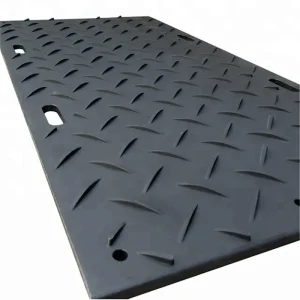
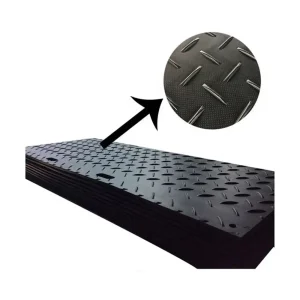
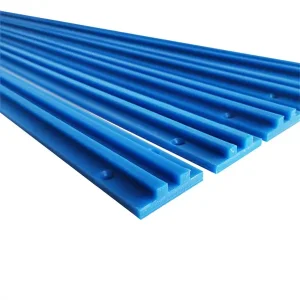
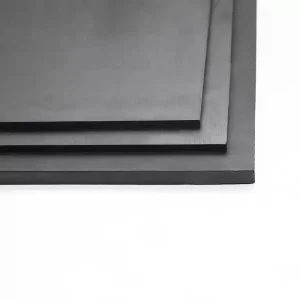
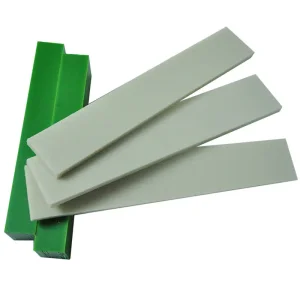
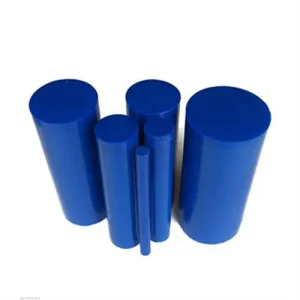
Explore our expanded inventory of heavy equipment road mats, structural rods, high-wear components, and custom CNC machined profiles.
 Beyond