Explore our high-performance industrial plastic sheets and components, precision-engineered to meet stringent international standards.
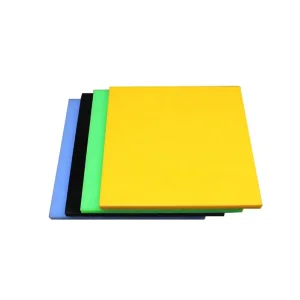
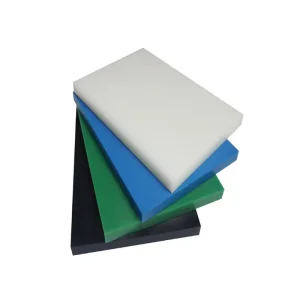
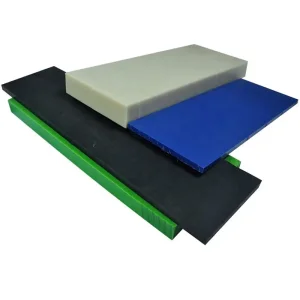
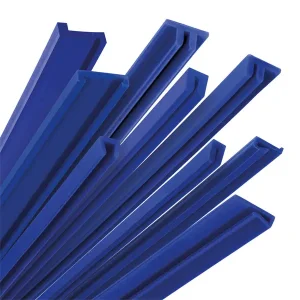
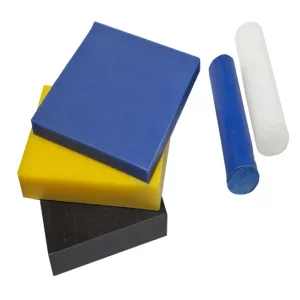
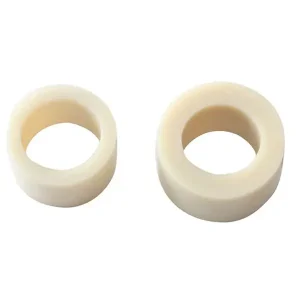
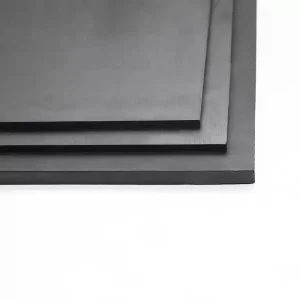
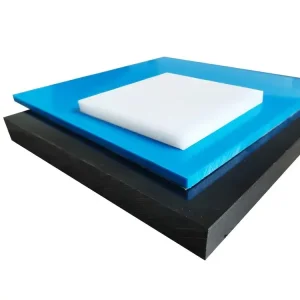
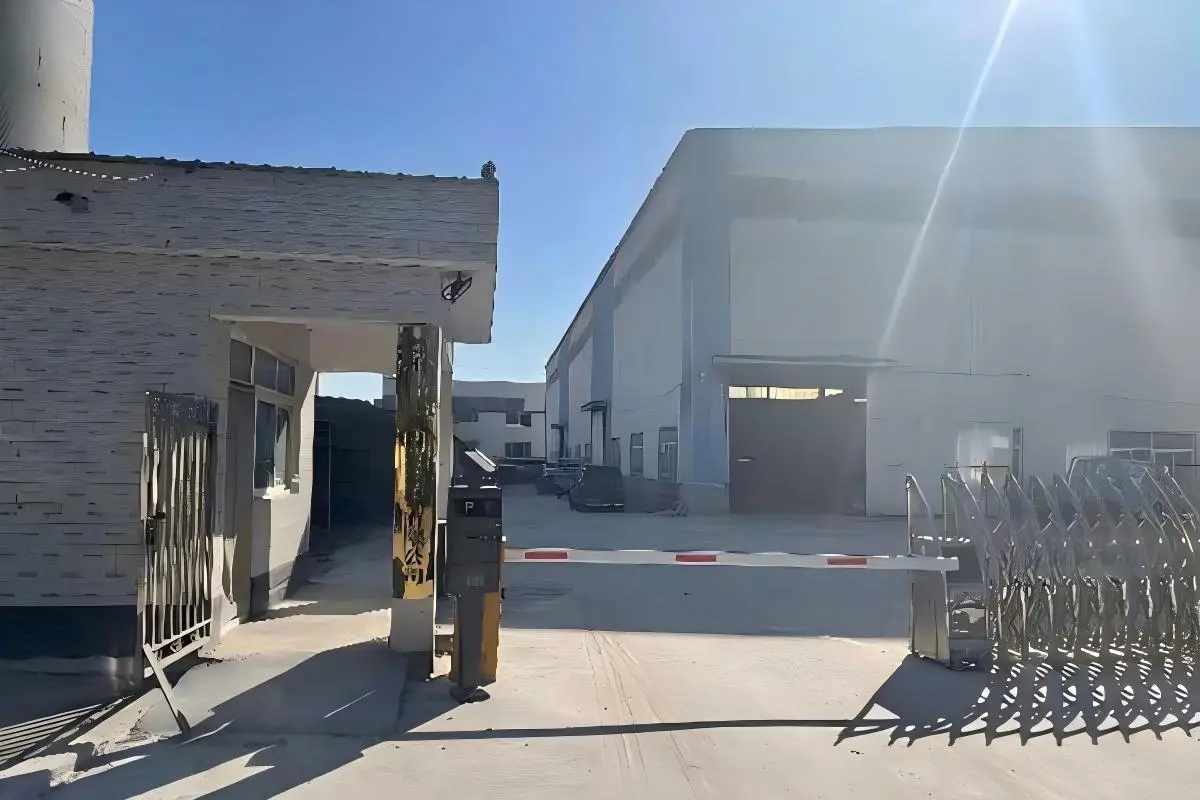
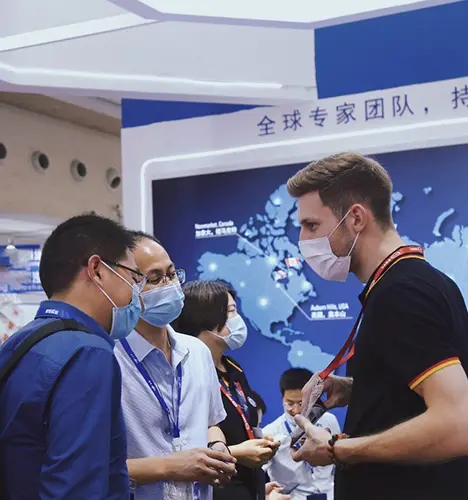
Since 2015, Tianjin Beyond Technology Development Co., Ltd. has accumulated over a decade of elite hands-on expertise in the synthesis, extrusion, and high-precision CNC machining of engineering plastics. Our state-of-the-art production base spans a sprawling 50,000 square meters, housing integrated compression molding and extrusion lines alongside a fully dedicated research and development facility.
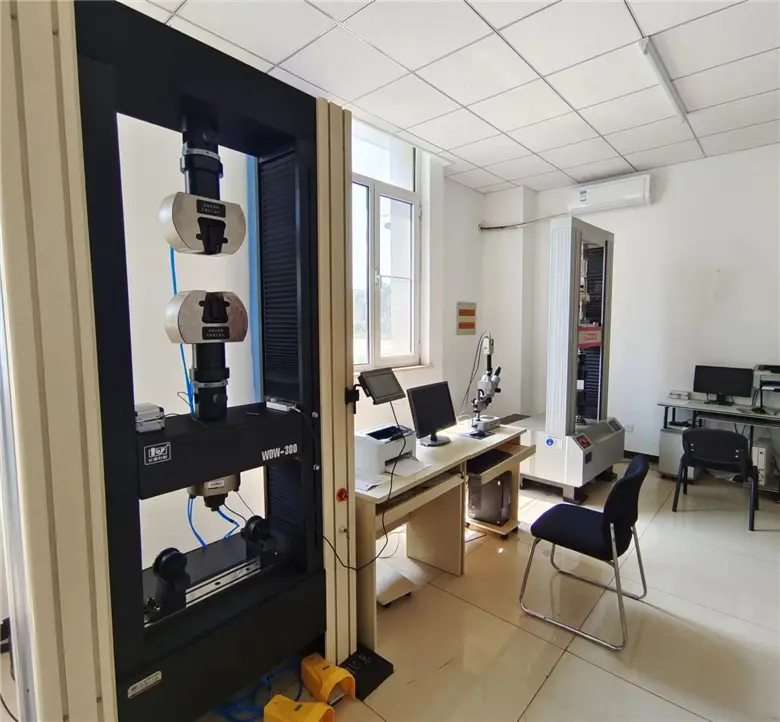
We leverage key partnerships with world-class polymer providers such as TICONA, LG, and Sinopec to feed our advanced manufacturing processes. By running dedicated testing laboratories and collaborating with major academic plastic research institutions, BEYOND delivers superior quality assurances that guarantee unmatched consistency, tight dimensional tolerances, and high structural reliability across every single PA66 sheet produced.
Deep-dive research into why Polyamide 66 remains the definitive structural choice for high-load, thermally demanding environments.
PA66 (Nylon 66) is synthesized via the polycondensation of hexamethylenediamine and adipic acid. The repeating unit structures form tight hydrogen bonds that promote high crystallinity. This makes PA66 significantly stiffer, more wear-resistant, and thermally stable than its monomer-oriented counterpart, Nylon 6 (PA6).
Featuring a melting point of approximately 260°C, PA66 maintains its structural integrity and dynamic load-bearing capabilities under continuous operating temperatures of up to 100°C, and short-term thermal peaks of up to 180°C. This makes it ideal for under-hood automotive shrouds and heavy machinery gears.
With a low dynamic coefficient of friction against metals, PA66 functions effectively in non-lubricated tribological systems. The material's high surface hardness translates to minimal wear rates, mitigating the threat of abrasive wear and extending the operational lifecycle of mating machinery parts.
| Mechanical / Thermal Metric | PA66 (Nylon 66) Unfilled | PA6 (Nylon 6) Unfilled | Engineering Benefit of PA66 |
|---|---|---|---|
| Melting Temperature (°C) | 260 - 265 | 220 - 225 | Resists higher localized friction heating. |
| Tensile Strength at Yield (MPa) | 85 | 78 | Withstands greater mechanical loads without deform. |
| Flexural Modulus (GPa) | 3.2 | 2.8 | Higher rigidity under bending forces. |
| Water Absorption (Saturation, 23°C) | 8.0 - 8.5% | 9.0 - 9.5% | Better dimensional stability under humid conditions. |
Unveiling the technological scale, supply chain integration, and precision quality controls that drive competitive advantages.
Leading Chinese manufacturers, including Tianjin Beyond, buy premium plastic resins directly from giants like TICONA, LG, and Sinopec. This eliminates intermediate distribution margins and guarantees chemical integrity, ensuring that each PA66 sheet maintains uniform density, preventing internal void defects during casting or extrusion.
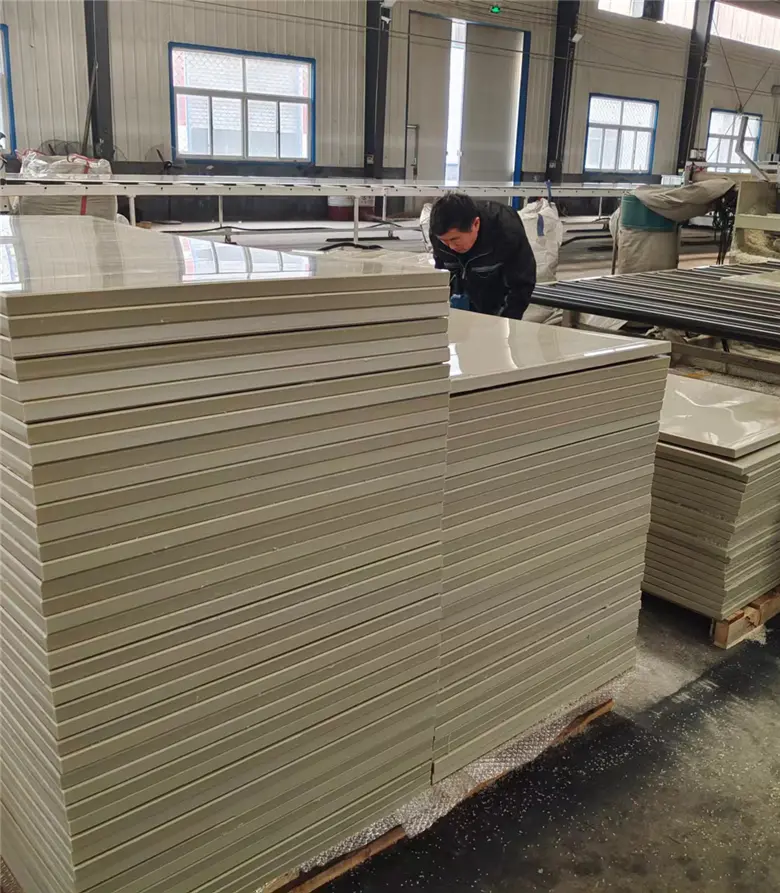
Our 50,000 m² factory integration combines compression molding and continuous extrusion technologies. This allows us to manufacture PA66 sheets from 1mm up to 200mm in thickness while maintaining consistent molecular orientation and minimal warp, ideal for large-scale industrial buyers.
Extruded polymer sheets naturally lock in internal stress. BEYOND incorporates specialized thermo-regulated annealing chambers. By slowly baking and cooling the PA66 plates over scheduled cycles, we eliminate internal stresses, allowing for precision CNC machining without risk of deformation.
PA66 exhibits distinct mechanical characteristics that require specialized tooling and thermal control during machining. Because nylon is a thermoplastic, excessive frictional heat can cause local melting, tool binding, and dimensional drift.
At BEYOND, we utilize a machinery suite consisting of heavy-duty gantry CNC lathes, high-speed gantry milling centers, and large-scale engraving tables. Our operators maintain precise spindle speeds and select specific cutting fluids to dissipate heat efficiently. By using customized carbide tooling and setting optimum feed rates, we control tolerances to ±0.05mm, delivering complex, ready-to-install components like custom bushings, star wheels, and wear guides.
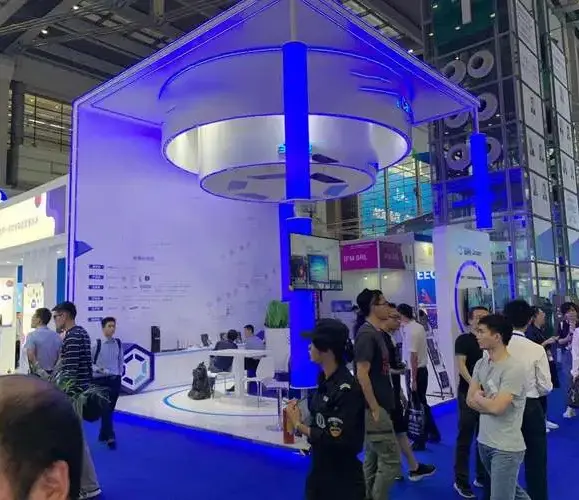
How global engineering networks leverage BEYOND’s custom PA66 sheets to optimize efficiency, lower weight, and reduce maintenance downtimes.
Replaces cast-iron and aluminum components for engine guide rails, gear linkages, oil pans, and water pumps. Reduces vehicle weight, lowers mechanical noise, and resists under-hood temperatures.
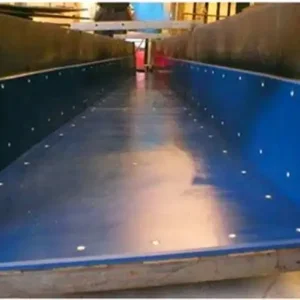
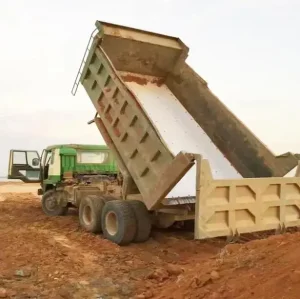
Provides high wear resistance for buffer plates, sliding tracks, cranes, outrigger pads, and guide rails. Resists impact deformation and works without lubrication.
Utilized as high-dielectric structural backing, insulation barriers, and terminal junction boards due to its high dielectric strength (27 kV/mm) and flame-retardant formulation options.
Specially formulated PA66 grades with added UV stabilizers and lubricants are deployed as marine wear plates, friction pads, and dock fenders to resist saltwater degradation.
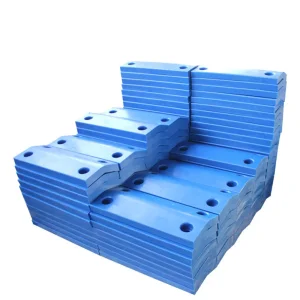
Fully customized PA66 bushings and wear pads processed at the Tianjin Beyond facility.
How we guarantee reliable material properties and complete batch traceability for global procurement operations.
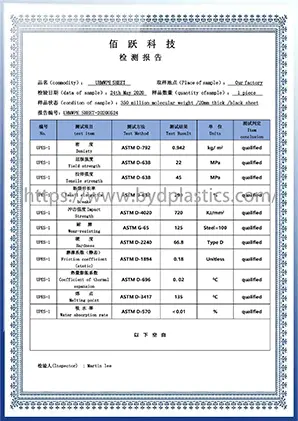
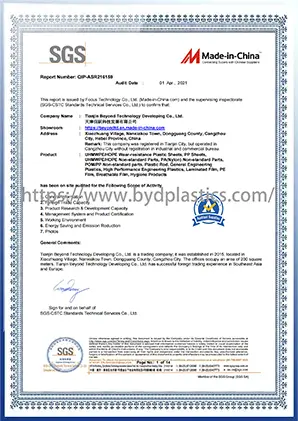
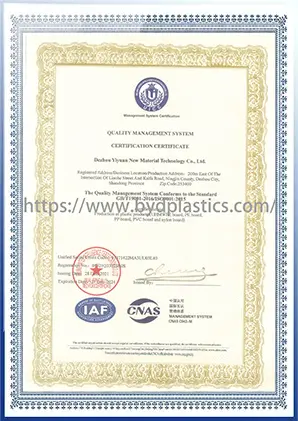
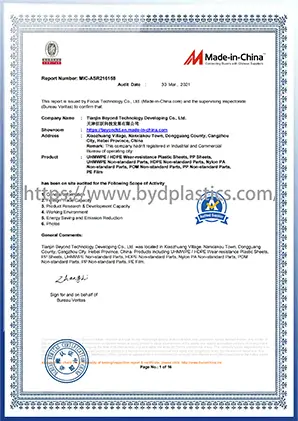
Our quality control measures are integrated into every stage of the manufacturing process under the ISO9001, SGS, and BV frameworks. From raw material intake inspection using Fourier-transform infrared spectroscopy (FTIR) to verify chemical compositions, to ultrasonic non-destructive testing on thick PA66 blocks to confirm the absence of inner voids, BEYOND ensures complete traceability. Each batch is shipped with a comprehensive Certificate of Analysis (COA), allowing global procurement teams to purchase with confidence.
How environmental pressures and technical demands are shaping the development of advanced polymer composites.
By blending 30% to 50% glass fibers (PA66-GF30) or carbon fibers, manufacturers achieve high tensile strength and raise the heat deflection temperature (HDT) close to 250°C. This allows PA66 to replace heavier metals in structural aerospace applications.
With global focus on carbon neutrality, manufacturers are developing bio-based polyamides sourced from castor oil. Recycled ocean-bound nylon variants are also being introduced to meet corporate sustainability goals without compromising on mechanical performance.
Blending PA66 with PTFE, graphite, or molybdenum disulfide (MoS2) lowers dry friction coefficients, enabling maintenance-free sliding in dusty or chemically aggressive environments where traditional oils cannot be used.
Complete your supply chain with our range of high-density, wear-resistant, and high-temperature polymer sheets and machined components.
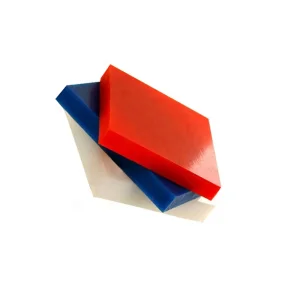
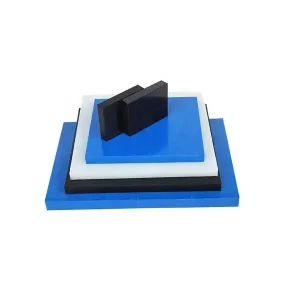
Addressing the critical moisture, processing, and application properties to ensure successful deployment of PA66 sheets.
While both are engineering polyamides, PA66 features a higher melting point (260°C vs. 220°C for PA6), higher stiffness, and lower water absorption at saturation. Choose PA66 for components subjected to high dynamic loads, high operating temperatures, or environments requiring higher chemical resistance. Choose PA6 if impact resistance and cost optimization are primary concerns.
PA66 contains amide groups that absorb atmospheric moisture, resulting in expansion (up to 2.5% at saturation in standard air). When machining parts with tight tolerances (e.g., ±0.05mm), you must account for this dimensional shift. BEYOND recommends pre-conditioning the raw sheets to the moisture equilibrium of the target environment before final machining to ensure dimensional stability.
To avoid thermal warping, use sharp, carbide-tipped tools designed specifically for plastics, and ensure effective heat dissipation with clean oil-free air blasts or liquid coolants. For thick sheets (above 30mm), pre-machining and post-machining annealing processes help relieve internal stresses, preventing the finished part from bowing or twisting.
Yes. We offer custom compounding and extrusion modifications. We can incorporate glass fiber reinforcements (up to 50% for high tensile strength), carbon fiber blends, solid lubricants like molybdenum disulfide (MoS2) for lower wear rates, and flame retardant additives to meet UL94 V0 rating specifications.
Typical lead times for standard extruded sheets range from 7 to 15 days, depending on batch volume. For high-precision CNC machined parts, the timeline ranges from 14 to 25 days, which includes CAD review, material preparation, precision machining, post-machining inspection, and final quality packaging.
 Beyond