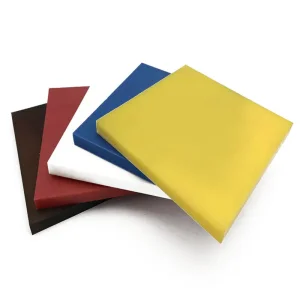
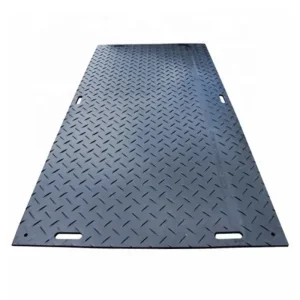
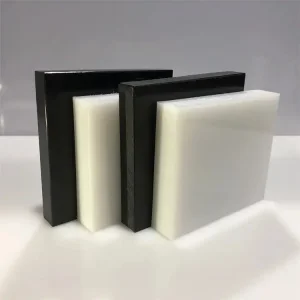
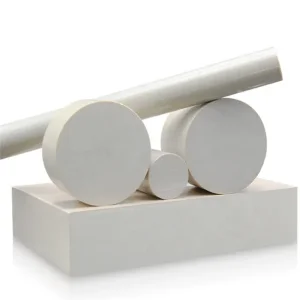
Explore our key engineering plastic plates, UHMWPE liners, gears, and structural sheets fabricated to precision standards.
Polyethylene (PE) is a highly versatile polymer celebrated across heavy industry for its structural integrity, high impact resistance, and low liquid permeability. However, maximizing its mechanical potential in custom assemblies requires highly precise thermal welding techniques. As leading OEM welding polyethylene sheet manufacturers, Tianjin Beyond Technology Development Co., Ltd. focuses on selecting and processing high-integrity raw materials to optimize weld tensile retention.
The molecular weight of the polyethylene sheet determines its ease of welding. High-Density Polyethylene (HDPE/PE300) offers excellent melt-flow index control, making it highly weldable via hot gas, extrusion, or butt-fusion methods. Ultra-High Molecular Weight Polyethylene (UHMWPE/PE1000), characterized by long-chain polymers, possesses a virtually non-existent melt-flow rate, necessitating specialized welding methods, custom joints, or hybrid mechanical assemblies. Our R&D division has developed proprietary procedures that ensure joints retain up to 90% of their base tensile strength.
Welding HDPE sheets requires strict temperature thresholds. Overheating leads to polymer degradation, reducing tensile strength at the joint boundary. Below-optimal temperature leads to incomplete molecular diffusion. Our CNC temperature-controlled extruders maintain thermal targets within ±1.5°C.
Comparing physical properties and welding parameters for HDPE, HMWPE, and UHMWPE grade sheets.
| Material Grade | Molecular Weight (g/mol) | Melt Flow Index (190°C/21.6kg) | Optimum Welding Temp Range | Welding Methods Recommended | Weld Strength Coefficient |
|---|---|---|---|---|---|
| HDPE (PE300) | ~300,000 to 500,000 | 0.5 - 2.0 g/10 min | 200°C - 230°C | Extrusion, Hot Gas, Butt Fusion | 0.85 - 0.92 |
| HMWPE (PE500) | ~500,000 to 1,000,000 | < 0.1 g/10 min | 210°C - 240°C | Extrusion, Butt Fusion | 0.75 - 0.82 |
| UHMWPE (PE1000) | ~3,000,000 to 9,000,000 | Non-measurable | 230°C - 260°C (requires pressure) | Hot-Plate Fusion, Friction Welding | 0.60 - 0.70 |
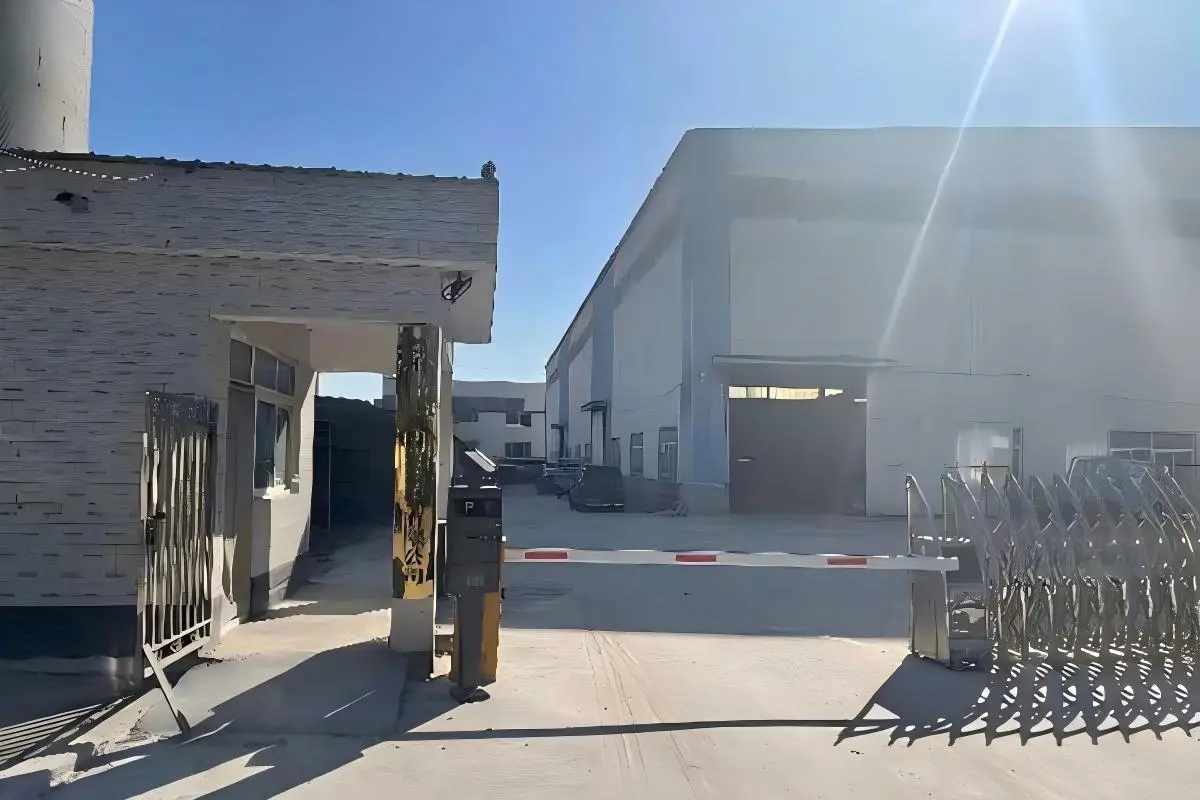
Leveraging scale, supply chain integration, and precision CNC engineering from our 50,000 m² Tianjin hub.
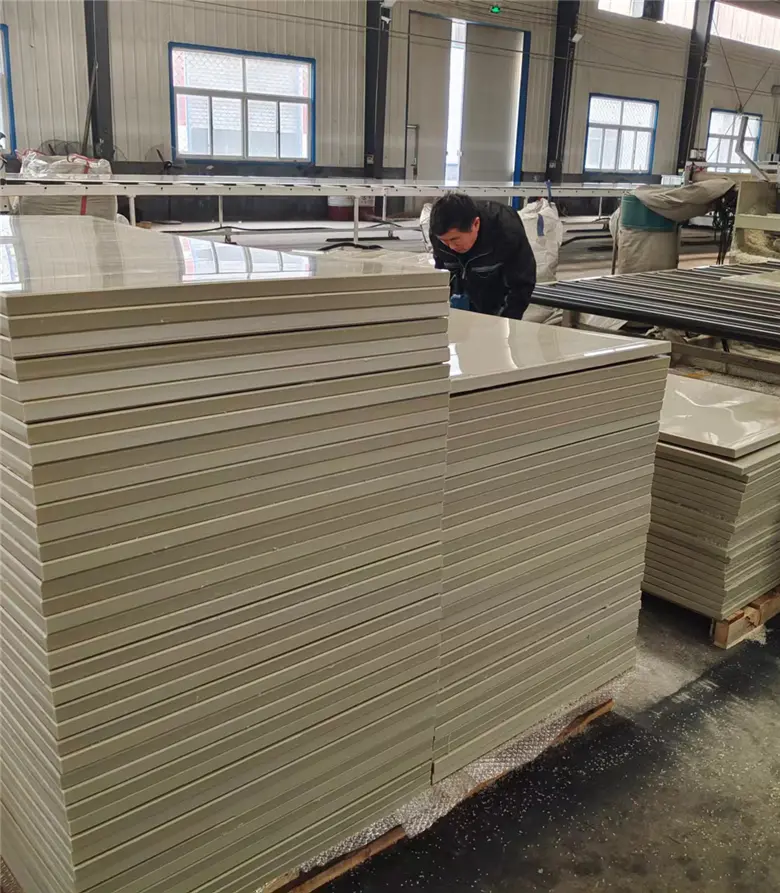
Our massive industrial workshop features specialized compression molding, extrusion production, and dynamic CNC processing blocks designed for large-volume output.
As regular partners of TICONA, LG, and Sinopec, we guarantee pure virgin grade resins, eliminating batch variance and structural integrity failures during fabrication.
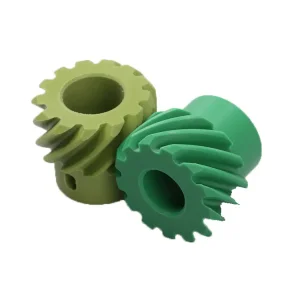
From complex gear geometries to multi-layered, three-dimensional structured shapes, our gantry lathes and 5-axis machining stations handle custom needs rapidly.
Fully-equipped manufacturing base
Specializing in high-performance polymers
Dedicated engineers & operators
Pushing borders of polymer weld strength
Developing stable weld joints on polyethylene sheet materials requires picking the proper technology. In B2B engineering project pipelines, four core methods dominate:
By implementing strict QA controls, Tianjin Beyond ensures that the raw polymer molecular properties are preserved, reducing thermo-oxidative stress at weld margins.
Explore custom material configurations, from wear-resistant liners to multi-layered playground sheets.
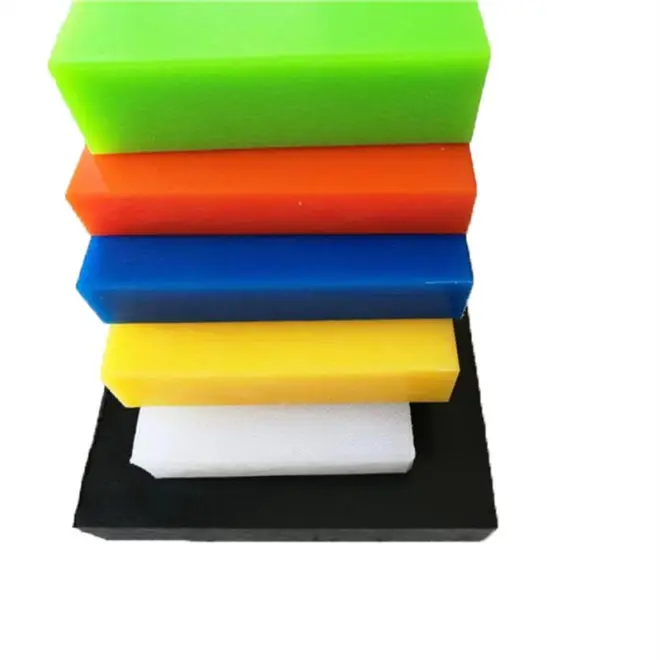
Provides extreme abrasion protection, self-lubricating surface, and complete water resistance.
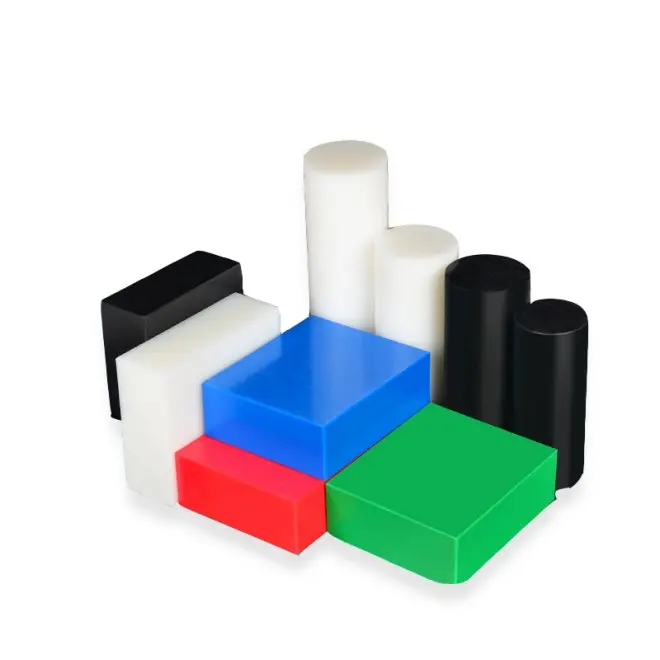
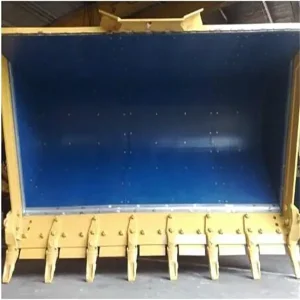
Engineered with heavy-duty wear-resistant molecules, ideal for guide rails, hoppers, and docks.
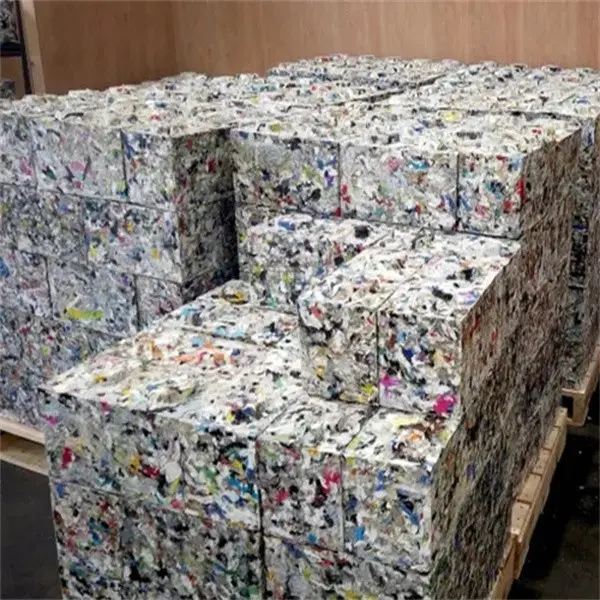
A cost-efficient, green structural solution that minimizes carbon footprint while maintaining high mechanical reliability.
Providing custom fabricated polymer solutions for heavy industries worldwide.
Welded polyethylene sheets serve as crucial components in demanding industrial landscapes:
Each application requires customized material grades and precise welding procedures to ensure long-term structural integrity.
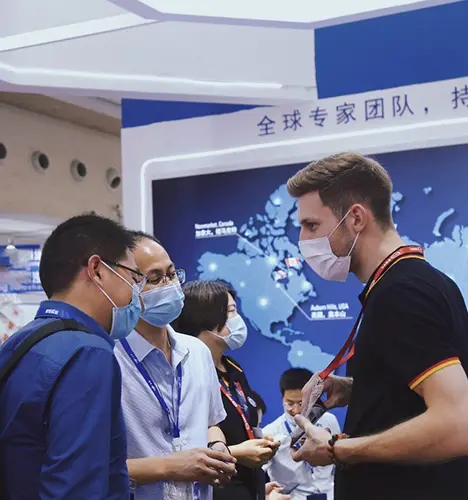
High-performance engineering plastic sheets require premium input raw materials. To ensure this, Tianjin Beyond utilizes strict quality inspection systems at every stage of production—from raw resin receipt to final CNC dimensional check. We cooperate with elite global polymer suppliers such as TICONA, LG, and Sinopec. This prevents contamination and mechanical inconsistencies that can cause brittle failures in welded components.
Our quality control workflow includes:
Addressing the technical, material, and process questions of procurement directors and engineering leads.
Due to its high molecular weight (3 to 9 million g/mol), UHMWPE does not melt or flow like standard thermoplastics. When heated above its melting point, it transitions into a rubbery, gel-like state instead of a low-viscosity liquid. Consequently, traditional hot gas or extrusion welding using standard fillers does not yield reliable bonds. Instead, UHMWPE joints are typically joined using hot-plate pressure fusion, spin/friction welding, or mechanical fastening options.
The optimum welding temperature range for High-Density Polyethylene sheets is between 200°C and 230°C. For extrusion welding, the melt exit temperature should sit around 210°C to 220°C, while the pre-heating hot gas stream should stay around 260°C to 280°C (depending on line speed and ambient conditions) to heat the substrate surface.
For a reliable weld, the chemical composition and melt viscosity of the welding rod must match the base sheet material. For instance, welding an HDPE sheet with a low-density PE (LDPE) rod results in lower shear strength and joint failure due to mismatching thermal expansion rates and polymer structures.
Industrial plastic fabrications utilize V-groove, double-V-groove, or fillet joint geometries. Thick plates (above 10mm) require double-V preparation to distribute thermal shrinkage forces evenly and prevent sheet warping or joint cracking under high loads.
Our production line processes and quality controls are fully compliant with ISO 9001, SGS, and BV standards. We provide material tracking documentation, raw polymer data sheets, and compliance certificates for global import clearings.
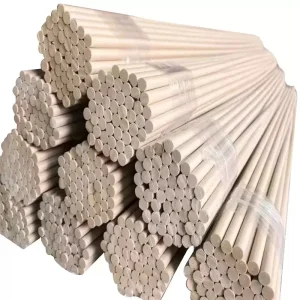
Complete your custom fabrication package with our secondary line of heavy-duty rods, high-temperature polymers, and weldable plates.
 Beyond